How Much Does a Knee Reconstruction Cost?
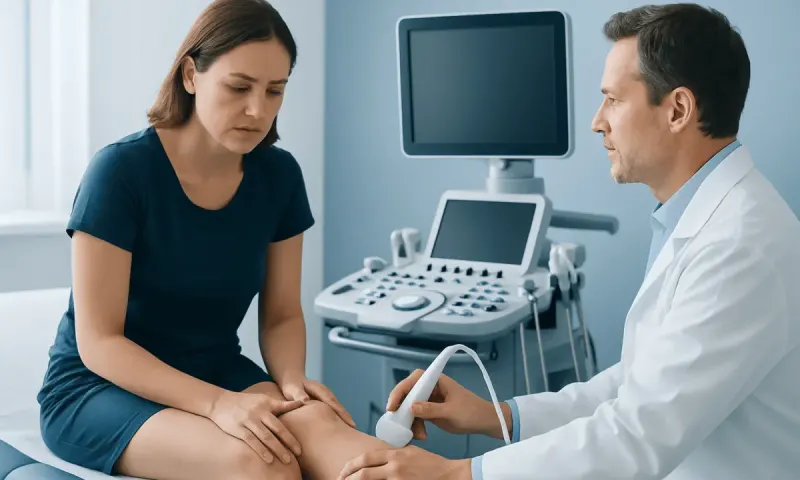
How much does a knee reconstruction cost cannot be answered with one reliable figure because costs vary by the type of surgery, location, surgeon and hospital fees, insurance coverage, implant choice, and recovery needs. A personalised estimate should clearly separate the procedure, anaesthesia, hospital stay, tests, rehabilitation, medicines and possible follow-up care.
Overview: what determines knee reconstruction cost?
How much does a knee reconstruction cost? The total depends on what “reconstruction” means in the individual case, where surgery is performed, and what is included in the care pathway. A knee reconstruction may involve repairing or replacing a damaged ligament, correcting bone alignment, repairing cartilage or meniscus tissue, or replacing part or all of the knee joint. Because these procedures differ substantially, a single advertised price is rarely a complete answer.
For a useful comparison, patients can ask for an itemised written estimate. This should state whether it includes consultations, pre-operative blood tests and imaging, the surgeon and assistant fees, anaesthesia, operating theatre use, implants or grafts, hospital accommodation, medicines, physiotherapy, follow-up appointments and treatment of unexpected complications. Travel, accommodation for accompanying relatives, home support and time away from work may also affect the overall financial plan.
Costs can also change according to the urgency and complexity of care. Previous surgery, severe deformity, infection concerns, medical conditions requiring additional monitoring, and the need for specialised implants may increase the resources needed. The most appropriate operation should be chosen for clinical reasons rather than price alone.
How knee reconstruction works and who may be a candidate
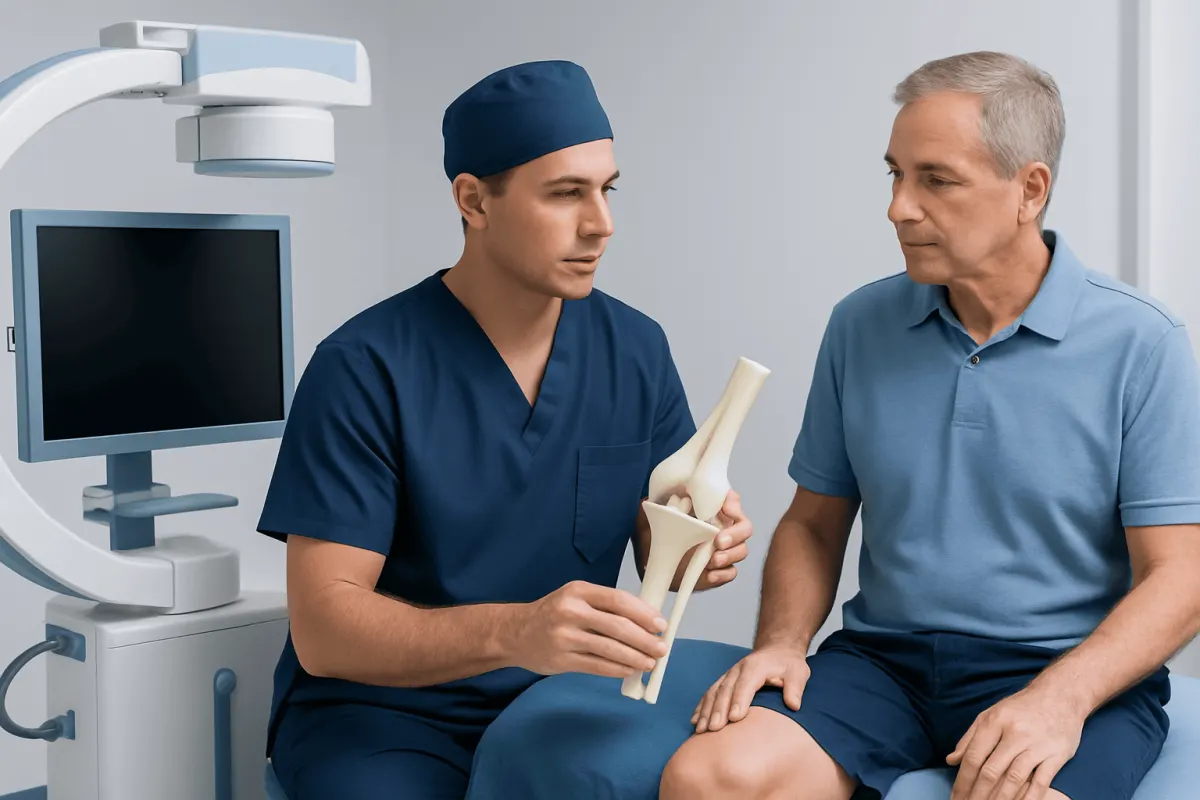
The knee is formed by the thighbone, shinbone and kneecap, supported by cartilage, menisci, ligaments, muscles and tendons. Reconstruction aims to restore stability, improve alignment, relieve pain caused by damaged joint surfaces, or improve day-to-day function. Anterior cruciate ligament reconstruction, for example, commonly uses a graft to replace a torn ligament. Knee replacement removes damaged joint surfaces and replaces them with prosthetic components.
People may be considered for surgery when symptoms substantially limit walking, work, sleep or usual activities and appropriate non-surgical measures have not provided enough relief. Depending on the diagnosis, non-surgical care can include activity modification, supervised exercise, physiotherapy, weight management when relevant, walking aids, pain-relieving medicines, and injections in selected cases. The decision is individual and considers symptoms, examination findings, imaging, age, activity goals and overall health.
Knee replacement is often considered for advanced joint damage, including osteoarthritis. People who want to understand the condition can read about osteoarthritis. Surgery may not be suitable until infection, uncontrolled medical conditions or other safety concerns have been addressed. A surgeon can explain whether reconstruction, joint-preserving surgery, partial replacement or total replacement is the most appropriate option.
What happens during the procedure?

Before surgery, the team reviews medical history, current medicines, allergies, smoking status and anaesthetic risk. Imaging such as X-rays, and sometimes MRI or CT scans, helps define the injury or joint damage. Patients may be asked to adjust certain medicines under medical guidance, arrange help at home and prepare for rehabilitation before the operation.
The steps vary by procedure. In ligament reconstruction, the surgeon typically removes damaged ligament remnants as needed, prepares bone tunnels or attachment points, positions a graft and secures it with appropriate fixation. In knee replacement, damaged cartilage and a small amount of underlying bone are carefully removed, the bone surfaces are shaped, and trial components help the surgeon assess alignment and stability before the final implant is placed.
Most procedures are carried out under regional anaesthesia, general anaesthesia, or a combination chosen by the anaesthesia team and patient. After surgery, pain management, early movement and prevention of blood clots are important parts of care. For further information on the operation itself, patients can explore Replacement Surgery: Candidates, Implant Types, and Recovery" class="ahp-ilk">knee replacement surgery.
Recovery timeline, expected benefits and possible risks
Recovery is gradual and differs between ligament reconstruction and joint replacement. Patients commonly begin guided movement soon after surgery, with the aim of protecting the repair or implant while restoring mobility and strength. Some people go home on the day of surgery or after a short hospital stay, while others need longer observation based on the procedure, mobility and health needs.
In the first weeks, swelling, bruising, stiffness and discomfort are common. Physiotherapy usually focuses on safe walking, knee range of motion and muscle activation, then progressively builds strength, balance and endurance. Return to office-based work, driving, heavier work, sport and other activities should follow the surgeon’s individual advice. Functional recovery may continue for months, and it is important not to compare progress too closely with another person’s timeline.
Potential benefits include less pain, improved stability, better walking tolerance and greater ability to perform daily activities. Possible risks include infection, bleeding, blood clots, wound problems, stiffness, persistent pain, nerve or blood vessel injury, anaesthetic complications, implant problems or a need for further surgery. Careful preparation, early reporting of concerning symptoms and following the rehabilitation plan can help reduce avoidable risks.
Patients should contact their surgical team urgently for increasing redness or drainage from the wound, fever, sudden worsening pain, calf swelling, chest pain, shortness of breath, or new weakness or numbness. These symptoms do not always mean a serious complication, but they need prompt assessment.
Cost questions patients commonly ask
Is a knee reconstruction covered by Medicare? In the United States, Medicare may cover medically necessary knee surgery when eligibility and coverage criteria are met. The amount a person pays can depend on whether they have Original Medicare or a Medicare Advantage plan, whether clinicians and facilities participate in the plan, deductibles, coinsurance, supplemental coverage, prior authorisation requirements and post-operative rehabilitation. Patients should confirm benefits directly with Medicare, their plan and the treating facility before scheduling surgery.
What is the average out of pocket cost for knee replacement surgery? There is no single average that is dependable for every patient. Out-of-pocket cost is affected by insurance design, deductible status, coinsurance, provider network, inpatient versus outpatient setting, implant selection and the need for additional services. Asking both the insurer and provider for a pre-treatment estimate is more informative than relying on an online average.
How much does a knee replacement cost privately? Private care may include separate charges for the surgeon, anaesthetist, hospital, implant, tests and rehabilitation. In some systems, insurance may reimburse part of these charges; in others, the patient pays directly. A patient should ask whether the quoted amount covers all expected professionals and services, as separate bills can occur.
Questions such as how much does a knee reconstruction cost in Australia, how much does a knee replacement cost in Australia, or how much does a knee replacement cost the NHS have different answers because Australia and the United Kingdom have distinct public and private funding systems. NHS treatment is generally provided without a direct charge at the point of use for eligible UK residents, but waiting times and access pathways vary. Australian public and private costs depend on residency, Medicare eligibility, private insurance, hospital choice and any gap charges.
What if a person cannot afford knee surgery?
What if I can’t afford knee surgery? A person should discuss this openly with their doctor, hospital financial counselling service and insurer. They may be able to explore public health pathways, insurance coverage, payment arrangements, charity or community support, second opinions, or referral to a facility that is in-network or offers a different funding route. The available options depend on the country and individual eligibility.
It is also reasonable to ask whether surgery needs to happen immediately or whether symptoms can be managed safely while financial arrangements are explored. A clinician may recommend physiotherapy, an exercise programme, weight management support where appropriate, mobility aids, activity adjustments or medicines that are safe for the individual. These approaches may improve symptoms, although they do not reverse all forms of structural joint damage.
Patients should avoid delaying urgent evaluation because of cost if they have signs of infection, a new inability to bear weight after injury, a hot and severely swollen joint, chest pain or breathing difficulty. Hospitals and local health services can advise on urgent-care access. A clear plan that considers both medical needs and affordability is often possible with early communication.
When to seek medical care
A person should arrange a medical assessment for knee pain, instability, locking, repeated swelling or reduced movement that does not improve with rest and appropriate self-care. Assessment is especially important after a twisting injury, fall or sports injury associated with a popping sensation, rapid swelling or difficulty bearing weight. Early review can help identify ligament, meniscus, cartilage or bone injuries and guide appropriate treatment.
Urgent medical attention is needed for a knee that is visibly deformed, cannot support weight after significant trauma, becomes red and hot with fever, or is associated with severe pain that is rapidly worsening. Chest pain, sudden shortness of breath or one-sided calf swelling after surgery also require urgent assessment because they can indicate a complication needing prompt care.
For international patients, Acıbadem Health Point’s multidisciplinary specialists and JCI-accredited hospitals can assess knee conditions and discuss appropriate surgical and rehabilitation options. A consultation should include an individual review of expected benefits, risks, recovery needs and a transparent treatment estimate.
Frequently asked questions
01How much does a knee surgery cost?
Knee surgery costs vary widely because procedures range from arthroscopy and ligament reconstruction to partial or total knee replacement. The final amount depends on the country, hospital, surgeon, anaesthesia, implants, insurance coverage, rehabilitation and any additional care required. An itemised estimate from the provider is the best way to understand likely costs.
02How much does a knee replacement cost out of pocket?
Out-of-pocket costs depend on a person’s insurance plan, deductible, coinsurance, provider network and whether hospital, implant and rehabilitation fees are included. Some patients may have separate bills from the surgeon, anaesthetist, hospital and physiotherapy provider. Checking coverage in advance and requesting a written estimate can reduce unexpected expenses.
03How painful is a knee reconstruction?
Pain and stiffness are expected after knee reconstruction, particularly in the first days and weeks, but the care team uses a personalised pain-management plan and encourages safe early movement. The level and duration of discomfort vary with the type of operation, individual health and rehabilitation progress. Increasing rather than improving pain should be reported to the surgical team.
04How long does recovery from knee reconstruction take?
Recovery time depends on the operation and the person’s baseline function, health and rehabilitation participation. Basic walking and daily activities may improve over weeks, while strength, confidence and return to demanding work or sport can take months. The surgeon and physiotherapist provide milestones tailored to the procedure.
05Can knee reconstruction be avoided?
Not every knee problem requires surgery. Depending on the diagnosis, supervised exercise, physiotherapy, activity changes, weight management where appropriate, medicines and selected injections may help control symptoms and improve function. Surgery may be considered when these measures are insufficient or when there is significant instability or joint damage.
06What should be included in a knee reconstruction quote?
A comprehensive quote should clarify surgeon and assistant fees, anaesthesia, hospital or operating theatre charges, implants or grafts, tests, medicines, follow-up visits and rehabilitation. Patients should also ask about likely extra costs if a longer hospital stay, additional imaging or treatment of a complication is needed. It is helpful to confirm which items are covered by insurance or public funding.
This article is for general information only and is not a substitute for professional medical advice. Please consult a qualified doctor about your individual situation.
Joint and spine care in Turkey — expert assessment & treatment
JCI-accredited · board-certified surgeons · reply within 24h
Add us as a Preferred Source to see more of our trusted health content across Google Search, AI Overviews and Discover.