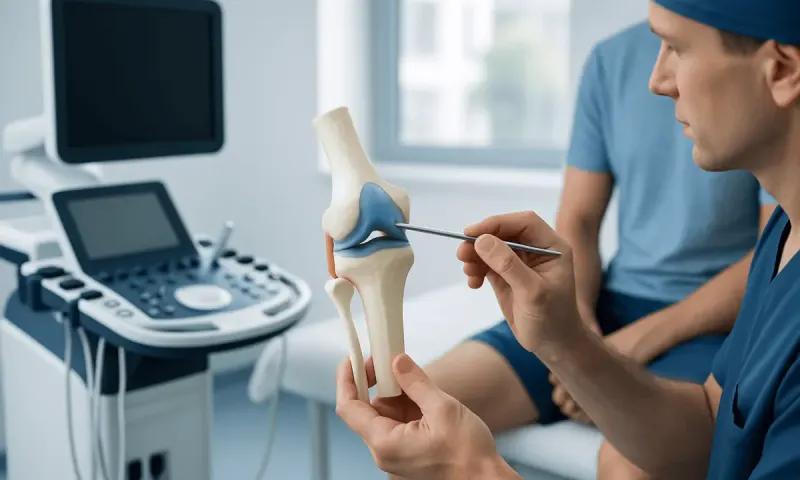
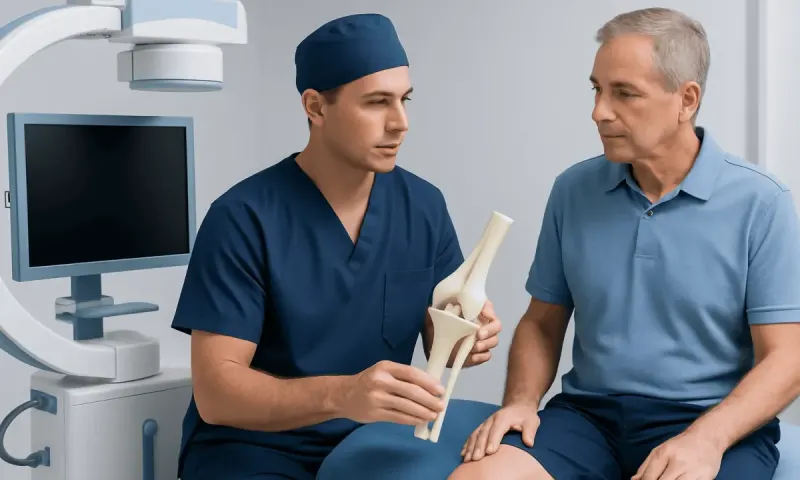
Not Sure If Your Knee Injury Is an ACL Tear? Signs to Check
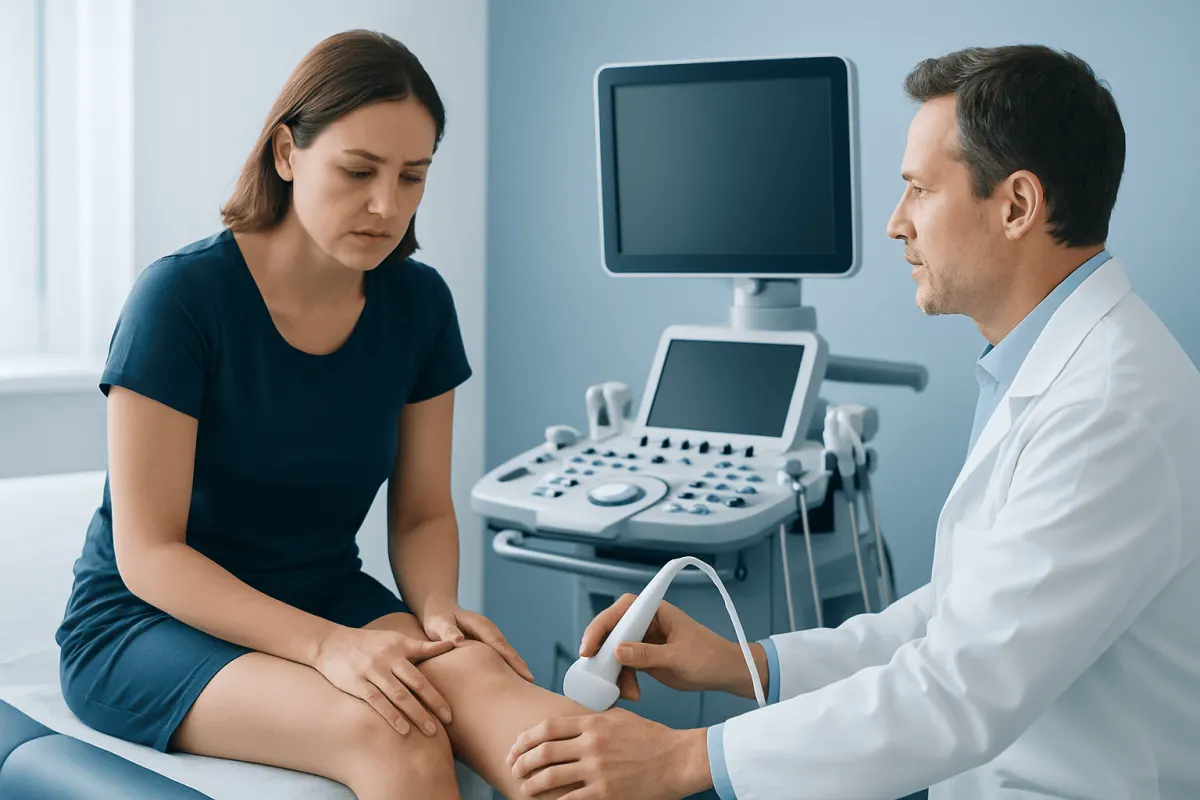
You twisted your knee, heard something pop, and now it’s swelling up fast — and you’re wondering if this is the injury everyone talks about. That uncertainty is exactly why people search for “acl tear idk.” The ACL is one of the main stabilizing ligaments in your knee. When it tears, it commonly causes pain, swelling, and a feeling that the knee may give way.
Overview: what “acl tear idk” usually means
When someone searches for “acl tear idk,” they are often trying to figure out whether a sudden knee injury could involve the anterior cruciate ligament, or ACL. The ACL is one of the key ligaments inside the knee joint. It helps keep the shinbone from moving too far forward and supports stability during turning, stopping, and landing movements.
An ACL tear can happen during sports, exercise, or everyday activities that involve a quick twist, a sudden stop, or an awkward landing. Some injuries are partial tears, while others are complete tears. The severity of symptoms can vary, but many people notice immediate swelling, pain, and a sense that the knee no longer feels reliable.
Why does it matter to catch this early? If the instability goes untreated, the knee can keep giving way, and that may increase the chance of damage to the meniscus or joint cartilage over time. A careful medical assessment can clarify whether the problem is an ACL tear or another injury such as a meniscus tear, sprain, or fracture.
Signs and symptoms patients may notice
Symptoms of an ACL tear often begin suddenly. Many patients describe a popping sensation or feeling at the moment of injury, although not everyone notices this. Pain can be immediate, but in some cases swelling becomes the more obvious early sign within the first few hours.
The knee may feel unstable, as though it could buckle or give way when standing, turning, or walking on uneven ground. Some people are unable to continue a sport or activity right away, while others can still walk but feel that something is not right.
Common symptoms include:
- Sudden knee swelling
- Pain during or after injury
- Reduced range of motion
- Difficulty bearing weight comfortably
- A feeling of looseness or instability
- Tenderness around the knee joint
Not every painful swollen knee is an ACL tear. Similar symptoms can occur with injuries to the meniscus, collateral ligaments, kneecap, or bone. That is why symptoms alone cannot confirm the diagnosis.
How ACL tears happen and who is at risk
ACL tears most often happen without direct contact. A rapid change in direction, sudden deceleration, pivoting on one leg, or landing from a jump with the knee in a vulnerable position can place strong stress on the ligament. Contact injuries can also occur, especially when the knee is forced backward or twisted during collision.
Sports such as football, basketball, skiing, tennis, and soccer are commonly associated with ACL injuries because they involve cutting, pivoting, and sudden stopping. However, an ACL tear can also happen during a slip, fall, or misstep in daily life.
Several factors can increase risk, including poor landing mechanics, muscle weakness, previous knee injury, fatigue, and participation in pivot-heavy sports. Anatomy, training patterns, and coordination also play a role. In some cases, ACL tears happen together with other injuries, including cartilage damage or a meniscus tear.
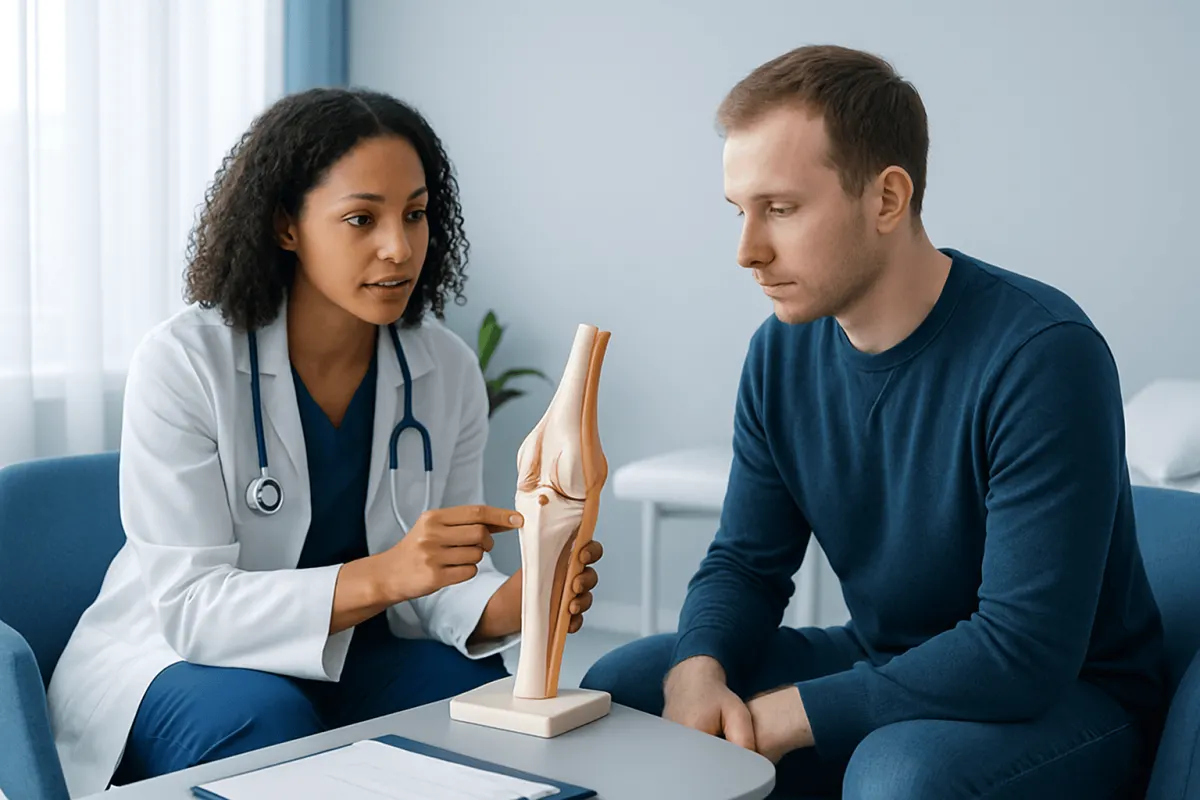
How the injury happened tells your doctor a lot. The mechanism, how quickly the swelling came on, and whether the knee felt unstable straight away all help point to the diagnosis.
How doctors diagnose an ACL tear
Diagnosis begins with a detailed history and physical examination. A doctor will ask how the injury happened, whether there was a pop, how quickly the knee swelled, and whether the knee has given way since the event. These details are often very helpful.
During the physical exam, the doctor checks swelling, range of motion, tenderness, and joint stability. Special tests such as the Lachman test, anterior drawer test, and pivot shift test help assess whether the ACL is intact. Because swelling and pain can make the exam difficult at first, the assessment may be repeated after a few days.
Imaging is often used to confirm the diagnosis and identify associated injuries. X-rays do not show the ACL itself, but they can help rule out fractures. MRI is especially useful because it can show the ACL, menisci, cartilage, and other ligaments. This helps determine whether the injury is isolated or part of a more complex knee problem such as knee ligament injuries.
Prompt diagnosis helps patients understand the next steps. It also supports decisions about whether non-surgical care is reasonable or whether surgical reconstruction may be more appropriate for long-term knee function.
Treatment options: from early care to surgery
Treatment depends on the severity of the tear, the patient’s age, activity goals, knee stability, and whether other structures are also injured. Initial care usually focuses on reducing swelling and protecting the joint. This may include rest, ice, compression, elevation, and temporary activity modification. A brace or crutches may be advised in some situations.
Physiotherapy is a core part of treatment for many patients. Rehabilitation aims to restore movement, reduce swelling, strengthen the muscles around the knee, and improve balance and control. Some people with partial tears or lower physical demands can do well with structured rehabilitation and careful follow-up.
Surgery may be considered when the knee remains unstable, when the patient wants to return to pivoting sports, or when there are combined injuries such as meniscus damage. The most common operation is ACL surgery, usually a reconstruction rather than a direct repair. The torn ligament is replaced with a graft, followed by a rehabilitation program that supports healing and return to activity.
When the diagnosis is unclear or other structures may be involved, doctors may recommend detailed Arthroscopy: Who Is a Good Candidate and How Recovery Works" class="ahp-ilk">knee arthroscopy evaluation or treatment in selected cases. Patients with ongoing instability, repeated swelling, or complex joint injuries may also be assessed within an orthopedics and traumatology service to plan individualized care. Talk these options through with a specialist before deciding.
Recovery, rehabilitation, and return to activity
Recovery from an ACL tear is not only about the ligament itself. It also involves restoring confidence, coordination, strength, and safe movement patterns. Whether treatment is surgical or non-surgical, rehabilitation usually progresses through phases that address swelling control, range of motion, muscle strengthening, balance, and sport-specific function.
Return to daily activities may happen earlier than return to sport. Even when pain improves, the knee may still need time and training to become stable and responsive. Returning too quickly can increase the risk of re-injury or damage to other parts of the knee.
Follow-up assessments often look at strength differences between legs, hop or balance performance, and knee control during movement. These measures help guide safer return to exercise, work, or competition. Recovery timelines differ a lot from person to person, so ask your doctor what to expect in your case.
Expect a few lingering symptoms while you heal: occasional stiffness, swelling after activity, or a nervous feeling when you twist. Regular communication with the care team and commitment to rehabilitation can make a meaningful difference in function and confidence.
Prevention and self-care for knee protection
Not every ACL tear can be prevented, but certain habits may lower risk. Conditioning programs that focus on strength, core control, landing technique, and agility can support knee stability. These programs are especially helpful in sports that involve jumping, pivoting, and sudden direction changes.
What you do in the first days after a knee injury matters too. Resting from painful activities, using ice for short periods, elevating the leg, and avoiding movements that cause the knee to buckle may help in the early phase. It is usually best to avoid returning to sports before proper assessment if instability is present.
Helpful prevention and self-care steps include:
- Strengthening the thigh, hip, and core muscles
- Practicing proper jump-landing and cutting techniques
- Warming up before exercise
- Using well-fitted footwear for the activity
- Following a supervised rehabilitation plan after injury
- Stopping activity if the knee feels unstable
For patients recovering from an ACL tear, prevention also means protecting the joint from another injury. A gradual, guided return to movement is generally safer than relying only on pain relief as a sign of readiness.
When to seek medical care
Medical evaluation is recommended if a knee injury causes rapid swelling, significant pain, limited movement, or a feeling that the knee has become unstable. These symptoms may suggest an ACL tear or another important joint injury that should not be ignored.
Urgent care may be needed if the person cannot bear weight, the knee looks deformed, there is severe swelling, or symptoms are associated with numbness, discoloration, or signs of a fracture. Even if symptoms seem mild at first, repeated buckling or persistent swelling should be assessed by a doctor.
Early medical review can help prevent further joint damage and support a more structured recovery plan. Near the end of the care pathway, some patients may benefit from multidisciplinary assessment. Acıbadem Health Point’s JCI-accredited hospitals and multidisciplinary specialists diagnose and treat ACL injuries for international patients when advanced orthopedic evaluation is needed.
Frequently asked questions
01What does “acl tear idk” mean?
It usually means someone is unsure whether a knee injury could be an ACL tear. The phrase often reflects concern after a twist, pop, swelling, or instability in the knee. A doctor can confirm the cause with an exam and, if needed, imaging.
02Can a person walk with an ACL tear?
Yes, some people can still walk after an ACL tear, especially after the initial pain settles. However, walking does not rule out a significant injury. The knee may still be unstable and vulnerable to further damage.
03Does every ACL tear need surgery?
No, not every ACL tear requires surgery. Some patients do well with rehabilitation, especially if the tear is partial or their activity level is lower. Surgery is more often considered when the knee remains unstable or when the patient wants to return to pivoting sports.
04How is an ACL tear different from a sprain?
A sprain is a broad term for ligament injury and can range from mild stretching to a complete tear. An ACL tear is a specific sprain involving the anterior cruciate ligament. Doctors describe severity based on how much the ligament is damaged and how unstable the knee has become.
05How long does recovery take after an ACL injury?
Recovery time varies based on the injury pattern and treatment plan. Some people recover with rehabilitation over months, while recovery after reconstruction surgery typically takes longer and includes structured physical therapy. A specialist can give more accurate guidance based on the individual case.
06Should swelling after a knee twist be checked by a doctor?
Yes, especially if the swelling appears quickly, the knee feels unstable, or the person has trouble bearing weight. Rapid swelling after a twist can suggest internal knee injury. Early assessment helps determine whether the ACL, meniscus, or another structure has been affected.
This article is for general information only and is not a substitute for professional medical advice. Please consult a qualified doctor about your individual situation.
Joint and spine care in Turkey — expert assessment & treatment
JCI-accredited · board-certified surgeons · reply within 24h
Add us as a Preferred Source to see more of our trusted health content across Google Search, AI Overviews and Discover.