How Much Do Braces Cost? Factors That Affect Pricing

The cost of braces varies considerably because every orthodontic plan is tailored to the person's teeth, bite, treatment goals and location. A consultation with an orthodontist is the most reliable way to understand the total expected cost, what is included and which payment options may be available.
How Much Do Braces Cost?
Braces are orthodontic devices that gradually move teeth and guide the bite into a healthier, more functional position. Because treatment is individualized, there is no single cost that applies to everyone. The final amount can differ substantially between countries, cities, clinics and treatment plans.
When people ask how much braces cost, the most useful answer is that the price reflects the type of appliance, the complexity of tooth and jaw alignment, the expected treatment time, the orthodontist’s expertise and the services included in the plan. A simple alignment concern may require less treatment than significant crowding, spacing, bite problems or a need for coordinated dental work.
Orthodontic care is usually paid for as a complete course of treatment rather than as one appliance alone. It commonly includes assessment, planning, fitting the braces, scheduled adjustments and monitoring. Patients should ask for an itemized written estimate before treatment starts so they can compare like-for-like plans and avoid misunderstandings about additional charges.
What Is Included in the Cost of Braces?
A comprehensive orthodontic estimate often begins with an examination and diagnostic records. These may include photographs, digital scans or impressions, and X-rays when clinically appropriate. The orthodontist uses this information to assess tooth position, roots, jaw relationships, gum health and the likely treatment pathway.
During active treatment, the cost may include placement of brackets or attachments, archwires or aligners, regular review appointments and small adjustments. However, inclusions vary. Some practices charge separately for records, emergency visits, replacement components, repairs after breakage, missed-appointment fees, retainers or long-term retention reviews.
Before agreeing to treatment, patients can ask whether the quotation covers all planned appointments, what happens if treatment takes longer than expected, and whether retainers are included. It is also sensible to ask about costs for treatment changes, such as switching to a different appliance or replacing lost clear aligners.
- Initial consultation and diagnostic records
- Appliance placement and routine adjustment visits
- Emergency repair or replacement policies
- Removal of braces and final polishing where appropriate
- Retainers and post-treatment monitoring
How Different Types of Braces Affect Price
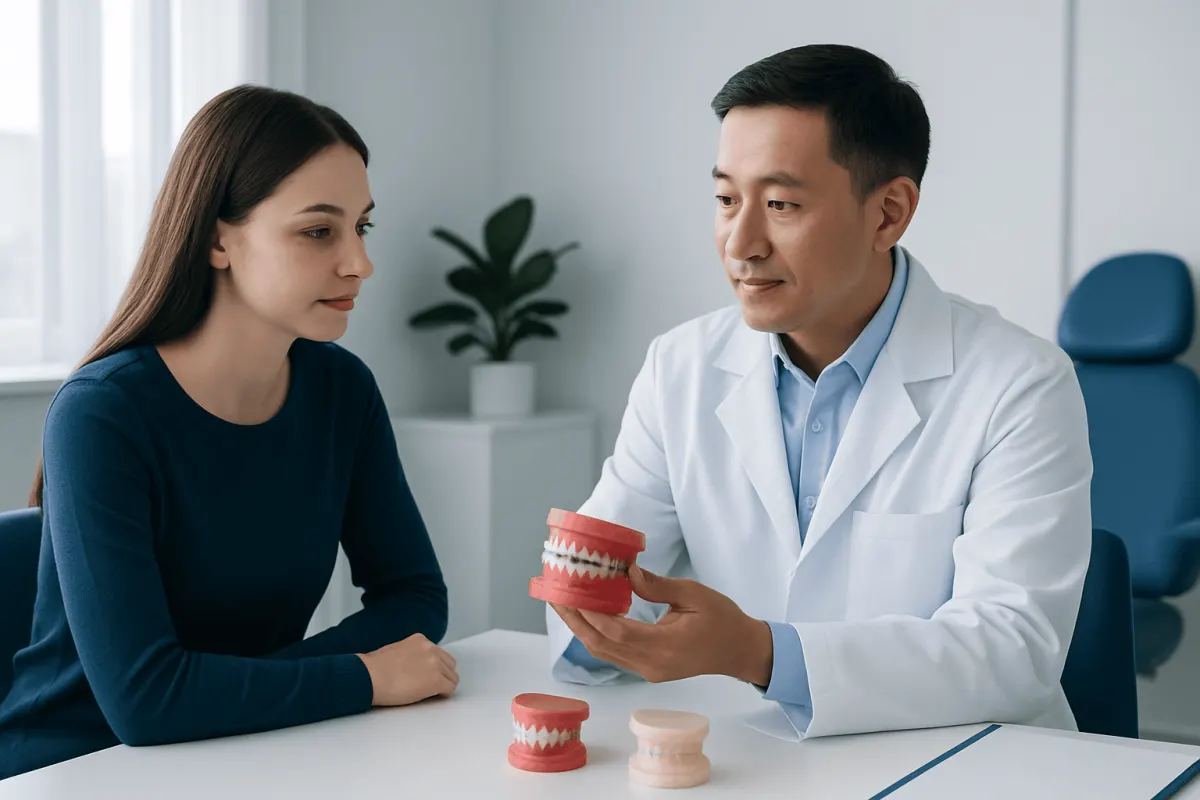
Traditional metal braces use brackets and wires to move teeth with controlled forces. They are well established and can manage many straightforward and complex orthodontic problems. In many settings, they are the most economical fixed-brace option, although individual treatment needs remain the main driver of price.
Ceramic braces work similarly to metal braces but use tooth-colored or clear brackets that may be less noticeable. Their materials and handling can make them more expensive. Lingual braces are attached to the inner surfaces of the teeth, making them less visible from the front. They require highly customized planning and can involve more complex adjustment appointments, which may increase cost.
Clear aligners are removable transparent trays changed in sequence. They can be a suitable option for selected patients, but they are not automatically appropriate for every bite problem. Their cost may reflect digital planning, the number of aligners needed, attachment placement and whether refinement aligners are anticipated. An orthodontist can explain whether orthodontic treatment with fixed braces or aligners is likely to provide the most predictable result.
The least visible option is not necessarily the best value for every person. The right choice balances clinical suitability, comfort, appearance, daily routine, treatment reliability and budget.
Factors That Can Increase or Reduce Braces Cost
The severity and type of orthodontic problem strongly influence cost. Crowded teeth, gaps, rotated teeth, impacted teeth and bite concerns such as overbite, underbite, crossbite or open bite may require different approaches. Some people need a short phase of limited treatment, while others need comprehensive treatment over a longer period.
Age can also affect planning. Children and teenagers may be treated while the jaws are still growing, and some may need early assessment before full braces are appropriate. Adults can benefit from orthodontic treatment too, although prior dental restorations, gum disease, bone health, tooth wear or long-standing bite changes may need to be addressed first.
Additional dental care can affect the overall financial plan. For example, decay and gum inflammation should be treated before braces are fitted, and some patients may need extraction of a tooth, restorative treatment or specialist care. If tooth loss or gum disease is present, the orthodontist may coordinate with other dental professionals to develop a safe, realistic sequence of care.
Clinic location, laboratory and technology costs, the orthodontist’s training, appointment frequency and local market conditions can also influence fees. These differences do not necessarily indicate a difference in quality, so patients should focus on clear communication, appropriate credentials and a detailed treatment plan rather than price alone.
Insurance, Payment Plans and Cost Planning
Orthodontic coverage varies widely by insurance policy. Some plans provide a fixed contribution, a percentage of eligible fees or benefits only for children. Other policies exclude orthodontics altogether or cover treatment only when there is a defined clinical need. Annual limits, lifetime orthodontic limits, waiting periods and network rules may apply.
Patients can contact their insurer before treatment and ask whether preauthorization is needed, which appliances are covered, whether the provider must be in-network and how reimbursements are calculated. It is helpful to obtain the information in writing and to understand what happens if insurance coverage changes during treatment.
Many orthodontic practices offer staged payment arrangements, allowing part of the fee to be paid over the course of active treatment. Terms, deposits, financing charges and consequences of missed payments should be reviewed carefully. Patients should avoid choosing a plan solely because of a low advertised starting price, as it may not include all records, adjustments or retainers.
For people considering care in another country, travel, accommodation, follow-up visits and the practical need for regular adjustments should be included in the budget. Orthodontic treatment requires continuity, so the patient should have a clear plan for ongoing reviews and urgent care after returning home.
How Long Braces Take and Why Follow-Up Matters
Braces work by applying gentle, controlled force over time. Treatment length varies, often ranging from months to a few years, depending on the starting position of the teeth, the bite, the selected appliance and how consistently the plan can be followed. The orthodontist will provide an estimated timeline, but this may change as teeth respond to treatment.
Regular appointments are important because they allow the orthodontist to check tooth movement, adjust the appliance and identify concerns early. With clear aligners, wearing the trays as instructed is essential. With fixed braces, avoiding damage to brackets and wires and attending adjustment appointments can help keep treatment on track.
Good oral hygiene is particularly important during treatment. Food and plaque can collect around brackets and wires, increasing the risk of tooth decay, gum inflammation and permanent marks on enamel. Brushing carefully, cleaning between teeth with suitable tools, limiting frequent sugary foods and drinks, and attending routine dental visits support oral health throughout treatment.
After active treatment, retainers help hold teeth in their new positions. Teeth can naturally shift over time, so retainers are a long-term part of orthodontic care. Replacing a lost or broken retainer may involve an additional cost, which is why patients should understand the retention plan before braces are removed.
When to See an Orthodontist
An orthodontic consultation can be helpful for children, teenagers and adults with crowded or protruding teeth, persistent gaps, difficulty biting or chewing, jaws that appear misaligned, frequent cheek or tongue biting, or concerns about how the teeth meet. Early assessment can help identify whether monitoring, preventive measures or future treatment may be appropriate.
A general dentist can identify many orthodontic concerns during routine check-ups and may recommend referral to an orthodontist. Before starting braces, the teeth and gums should be healthy enough for treatment. Active cavities, gum disease, severe dental pain or signs of infection should be assessed and managed promptly.
During braces treatment, patients should contact their orthodontic team if a wire is causing persistent pain or injury, a bracket breaks, an appliance is lost, or there is swelling, fever or severe tooth pain. Minor tenderness after adjustments is common, but symptoms that are intense, worsening or accompanied by swelling need professional advice.
Acıbadem Health Point’s multidisciplinary dental specialists and JCI-accredited hospitals can assess orthodontic needs and coordinate care for international patients. A qualified orthodontist can provide a personalized plan, explain expected costs and discuss the options that fit the person’s oral health needs and goals.
Frequently asked questions
01How much do braces cost on average?
There is no universal average that applies across countries or clinics. The total depends on the appliance, the complexity of the bite and tooth movement, treatment duration, included services and local healthcare costs. A personalized written estimate from an orthodontist is the most accurate guide.
02Are metal braces cheaper than clear braces?
Metal braces are often less expensive than ceramic, lingual or clear-aligner options, but this is not always the case. The difficulty of treatment and the number of appointments can have a greater effect on the final fee than the material alone. An orthodontist can explain which choices are clinically suitable.
03Does insurance pay for braces?
Some insurance plans provide orthodontic benefits, while others do not. Coverage may be limited to children, have a lifetime maximum, require a waiting period or exclude certain types of appliances. Patients should check their policy and obtain confirmation before treatment begins.
04Do braces cost extra after they are removed?
They can. Retainers, replacement retainers and post-treatment review appointments may be included in a comprehensive fee or billed separately. Asking about retention costs before treatment starts helps patients plan for the full course of care.
05Why can braces take longer than expected?
Teeth move at different rates in different people, and the treatment plan may need adjustment as the bite changes. Missed visits, damaged appliances, inconsistent aligner wear and the need to protect tooth and gum health can also affect timing. Regular attendance and following care instructions can help support progress.
06Can adults get braces?
Yes. Adults can have successful orthodontic treatment when their teeth and gums are healthy enough and the treatment plan is appropriate. The orthodontist may coordinate with a general dentist, periodontist or restorative dentist if there are existing dental concerns.
This article is for general information only and is not a substitute for professional medical advice. Please consult a qualified doctor about your individual situation.
Explore treatments in Turkey — costs, top hospitals & a free quote
JCI-accredited · board-certified surgeons · reply within 24h
Add us as a Preferred Source to see more of our trusted health content across Google Search, AI Overviews and Discover.