How Many Teeth Does a Grown Up Have?

Key Takeaways
- Most adults have 32 permanent teeth, but 28 is also common when wisdom teeth are absent or removed.
- Adult teeth include incisors, canines, premolars, and molars, each with a specific role in chewing and speech.
- The number of teeth may be lower because of decay, gum disease, trauma, crowding, or congenital absence.
- A dentist can check tooth count, alignment, and oral health with an exam and dental X-rays.
- Regular brushing, flossing, and routine dental visits help protect the teeth that are present.
A grown up usually has 32 teeth, including the four wisdom teeth, but many adults have fewer because of extraction, injury, or missing teeth. The exact number can vary, and a dentist can explain whether that count is healthy for the individual.
Overview
In most cases, a grown up has 32 teeth: 16 in the upper jaw and 16 in the lower jaw. That total includes the four wisdom teeth, which are the last molars to appear and are sometimes removed or never develop at all.
So if someone asks how many teeth does a grown up have, the most accurate short answer is 32 — but a healthy adult may also have 28 teeth, or another number, depending on whether any teeth were lost, extracted, or never formed. Tooth count is only one part of oral health; fit, function, and gum condition matter just as much.
For people planning dental care across borders, a simple count can be the starting point for something more useful: understanding which teeth are present, which are missing, and whether replacement or preventive treatment may be needed. That is especially important when arranging examinations, crowns, implants, or orthodontic care while traveling.
What the adult mouth usually contains
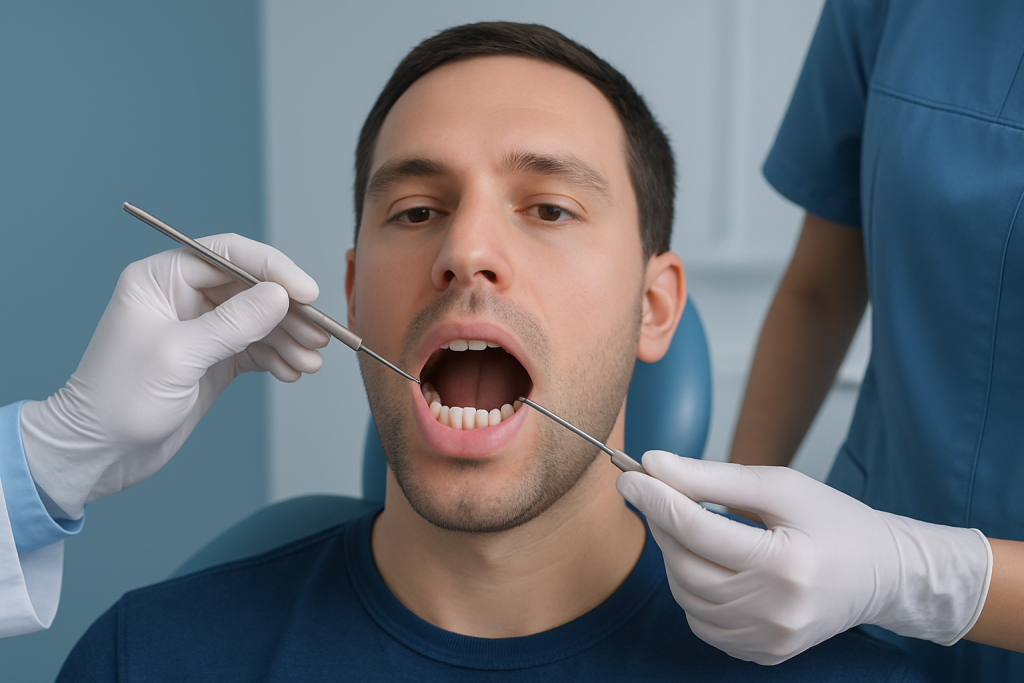
Adult teeth are permanent teeth, meaning they are meant to last through adulthood. They are grouped by shape and function. Front teeth cut food, pointed teeth tear it, and back teeth grind it into smaller pieces for swallowing and digestion.
- 8 incisors at the front for cutting
- 4 canines for tearing
- 8 premolars for crushing and helping guide the bite
- 12 molars, including 4 wisdom teeth, for heavy chewing
Not every adult will have the full set. Some people have had teeth removed because of decay, infection, fractures, gum disease, or crowding. Others may have been born without one or more permanent teeth. In those situations, the tooth count may be lower even when the mouth is otherwise healthy.
Children often compare their own changing smiles with adults and notice that the number seems different. That is because baby teeth are gradually replaced by permanent teeth, and the process is not complete until the late teenage years or early twenties, when wisdom teeth may appear.
Why the number can be different from person to person

The adult tooth count is a useful average, but it is not a rigid rule. Dental anatomy varies, and a dentist may see several normal reasons for a different number of teeth.
One common reason is wisdom teeth. Some adults never develop them, while others have them removed because they are impacted, painful, infected, or contributing to crowding. In those cases, a person may have 28 teeth instead of 32 without any active disease.
Other reasons include tooth loss after advanced cavities, untreated gum disease, accidents, or planned extraction for orthodontic treatment. Some people are born with missing teeth, a condition known as hypodontia. In these situations, the focus shifts from counting alone to understanding whether the bite, chewing function, and jaw health are affected.
When a tooth count deserves attention
A lower tooth count is not automatically a problem, but it can be a clue that the mouth needs care. Missing teeth can change how food is chewed, how speech sounds, and how neighboring teeth drift over time. They may also make cleaning harder in some areas.
Signs that deserve dental review include:
- Gaps that appeared after an extraction or injury and were never replaced
- Difficulty chewing on one side
- Shifting, loosening, or tilting teeth
- Frequent gum bleeding or bad breath
- Pain around the back teeth or partially erupted wisdom teeth
Sometimes a person believes a tooth is “missing,” when in fact it is impacted, hidden under the gum, or has not erupted yet. Dental X-rays help the clinician see what is present below the surface and determine whether any treatment is needed.
How dentists confirm the count and check overall health
A dentist usually confirms tooth count during a routine examination. They inspect the mouth directly, note which teeth are present, and assess the gums, bite, and wear patterns. If a tooth is not visible, imaging may be recommended to see whether it is absent, unerupted, or impacted.
Dentists may use:
- Clinical examination to map the visible teeth and surrounding tissues
- Dental X-rays to detect hidden teeth, bone changes, decay, or infection
- Bite assessment to see whether missing teeth are affecting alignment or chewing
This evaluation is especially helpful before major restorative or orthodontic treatment. For international patients, it can also guide treatment planning before travel, so the care team can decide whether the work should happen in one visit or in stages with follow-up after returning home.
Treatment options when teeth are missing
Treatment depends on why the tooth is missing and whether the gap is affecting function or appearance. Some adults do not need replacement, while others benefit from restoring the missing tooth space to protect the bite and reduce strain on neighboring teeth.
Common options include:
- Dental implants, which replace a tooth root and support a crown
- Bridges, which use nearby teeth for support
- Partial dentures, which replace several teeth in a removable form
- Orthodontic treatment, which may close spaces or prepare the mouth for later restoration
If a wisdom tooth is causing repeated pain, swelling, or infection, extraction may be considered. When tooth loss is linked to gum disease or decay, treating the underlying cause is important so that the problem does not continue. A qualified dentist can explain which option fits the mouth, the timeline, and the patient’s travel plans.
Prevention and everyday self-care
Protecting the teeth that are present is the best way to preserve adult tooth count and function over time. The basics remain simple, but consistency matters more than complexity.
Helpful habits include regular brushing with fluoride toothpaste, cleaning between the teeth each day, limiting frequent sugary snacks and drinks, and keeping scheduled dental checkups. A mouthguard may be useful for people who grind their teeth or play contact sports.
People who have recently had teeth removed, implants placed, or gum treatment should follow the dentist’s instructions carefully. Good healing habits can be especially important for international patients who may need coordination between the treating clinic and a dentist back home. Acibadem Health Point’s multidisciplinary specialists and JCI-accredited hospitals diagnose and treat dental conditions for international patients, with care planning that can support both treatment and follow-up.
When to see a dentist
An adult should book a dental appointment if a tooth is missing and the reason is unclear, or if any gap is accompanied by pain, swelling, bleeding, or changes in the bite. It is also wise to seek advice if chewing has become difficult or if a wisdom tooth seems partially stuck or repeatedly inflamed.
Even without symptoms, routine dental visits are useful because some problems progress quietly. Cavities between teeth, gum disease, and impacted teeth may not be obvious until they are more advanced.
For someone planning treatment while abroad, the best time to ask questions is before travel. A dentist can review records, X-rays, and goals, then outline what can be done safely and what will need long-term follow-up.
Frequently asked questions
01How many teeth does a grown up usually have?
Most adults have 32 permanent teeth, including the four wisdom teeth. However, 28 is also common if wisdom teeth are missing or have been removed.
02Is it normal for an adult to have fewer than 32 teeth?
Yes. Many adults have fewer teeth because of wisdom tooth removal, tooth decay, gum disease, injury, or congenitally missing teeth. The important question is whether the remaining teeth are healthy and working well.
03What are the four types of adult teeth?
Adult teeth are incisors, canines, premolars, and molars. Each type has a different job in cutting, tearing, and grinding food.
04Do wisdom teeth always count as adult teeth?
Yes, wisdom teeth are permanent molars and are part of the adult tooth set. Some people never develop them, and others have them removed for medical or dental reasons.
05Can missing teeth affect health even if there is no pain?
Yes. Missing teeth can change how a person bites and chews, and nearby teeth may shift over time. A dentist can check whether replacement or monitoring is appropriate.
06How can a person know if a tooth is missing or just hidden?
A dental examination and X-rays can show whether a tooth is absent, impacted, or still developing. This is the most reliable way to confirm tooth count.
This article is for general information only and is not a substitute for professional medical advice. Please consult a qualified doctor about your individual situation.
Joint and spine care in Turkey — expert assessment & treatment
JCI-accredited · board-certified surgeons · reply within 24h
Add us as a Preferred Source to see more of our trusted health content across Google Search, AI Overviews and Discover.