What Is Gum Pockets? A Complete Medical Guide

Key Takeaways
- Gum pockets are spaces between the tooth and gum that can collect bacteria and worsen over time.
- They are commonly linked to gingivitis and periodontitis, but can also be influenced by smoking, diabetes, and poor oral hygiene.
- Dentists measure pocket depth with a periodontal probe to assess gum health and plan treatment.
- Treatment may include professional cleaning, scaling and root planing, improved home care, and follow-up maintenance.
- Early care can often control the problem and help protect the teeth and supporting bone.
Gum pockets are spaces that form between the teeth and gums when gum tissue becomes inflamed or pulls away from the tooth. They can be an early sign of gum disease and may need professional treatment to prevent further damage.
Overview
Gum pockets are small spaces that develop between a tooth and the surrounding gum tissue. In healthy gums, this connection is snug and shallow, helping keep bacteria and food debris out of reach. When the seal loosens, the pocket can deepen and become a place where plaque accumulates.
For many people, gum pockets are first noticed during a dental checkup rather than at home. That is because early changes in the gums may be quiet, with little pain and only subtle signs such as bleeding during brushing. A dentist or periodontist can measure the space and decide whether the gums are simply irritated or whether a more advanced gum problem is present.
Understanding gum pockets matters because they are not just a cosmetic issue. They can be an early warning sign of periodontal disease, which affects the tissues that support the teeth. With timely evaluation, many cases can be managed before they lead to loosening teeth or bone loss.
Symptoms

Gum pockets do not always cause obvious discomfort, especially in the early stages. Many people first notice bleeding when brushing or flossing, a persistent bad taste, or gums that look red, puffy, or slightly pulled away from the teeth. Some also notice tenderness when chewing or sensitivity around certain teeth.
As pockets deepen, food can become trapped more easily, and the gums may feel sore or swollen. Breath that does not improve with regular brushing can also be a clue, since bacteria and debris may be harder to remove from deeper spaces around the teeth.
Signs that may suggest more advanced gum disease include:
- Gums that bleed easily
- Visible spaces or longer-looking teeth
- Loose teeth or shifting bite
- Pus between the teeth and gums
- Persistent bad breath
These symptoms do not always mean severe disease, but they do merit a dental examination. A professional assessment is the most reliable way to understand what is happening below the gumline.
Causes & Risk Factors
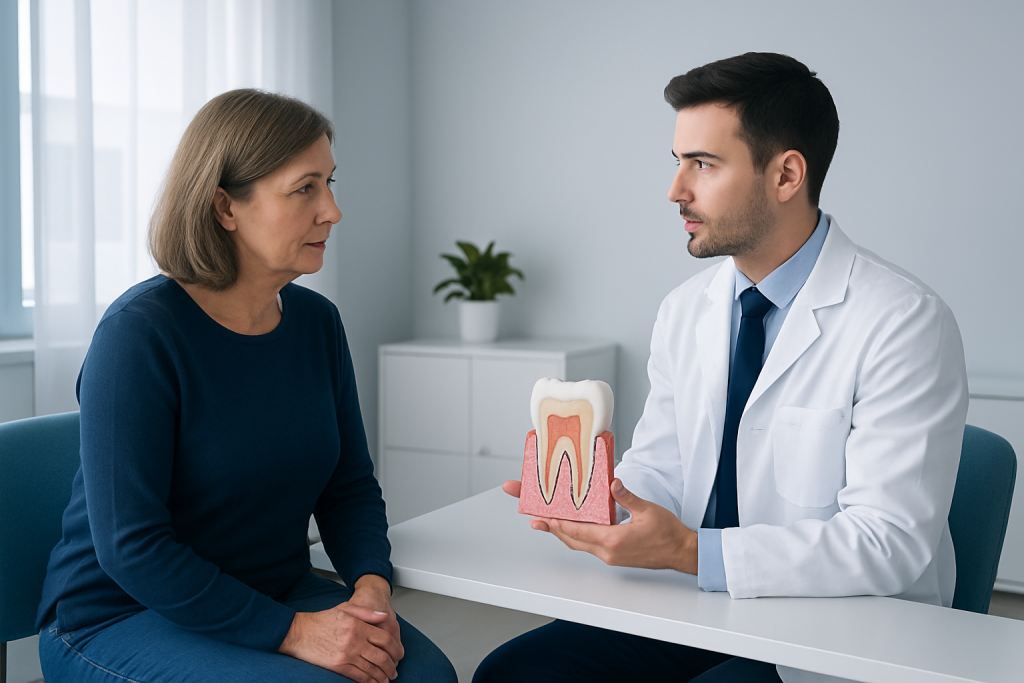
The most common reason gum pockets develop is plaque buildup. Plaque is a sticky film of bacteria that forms on teeth every day. If it is not removed thoroughly, the gums can become inflamed, and over time the tissue may separate from the tooth, creating a pocket.
Gingivitis, which is inflammation of the gums, is often the earliest stage. If it progresses to periodontitis, the infection and inflammation can extend deeper into the supporting tissues and bone. That is when pockets tend to deepen and become more difficult to clean at home.
Several factors can make gum pockets more likely or more difficult to control:
- Inconsistent brushing and flossing
- Smoking or tobacco use
- Diabetes, especially if blood sugar is not well controlled
- Hormonal changes that affect gum sensitivity
- Dry mouth
- Crowded teeth or dental restorations that are hard to clean
- A family history of periodontal disease
International patients often ask whether travel, stress, or changes in routine can worsen gum health. While travel itself does not cause gum pockets, disrupted oral-care habits, dehydration, and delayed dental visits can make existing gum disease easier to miss. Staying consistent with cleaning and checkups is especially important when care is being managed across countries.
Diagnosis
Dental diagnosis usually starts with a close examination of the gums, teeth, and bite. The clinician will look for redness, swelling, plaque, tartar, bleeding, and any areas where the gums appear to have receded. A periodontal probe is then used to measure the depth of the pocket around each tooth.
These measurements help the dentist understand whether the gum attachment is healthy, mildly affected, or more significantly compromised. Deeper pockets can suggest that bacteria have reached farther beneath the gumline, but the depth alone is not the whole picture. Bleeding, bone changes, and tooth mobility also matter.
X-rays are often used to assess whether bone around the teeth has been affected. This is important because gum pockets and bone loss often travel together in periodontitis. In some cases, the dentist may also review medical history, medications, and habits such as smoking, since these can influence healing and treatment planning.
For people seeking care from abroad, diagnosis may be coordinated in a way that helps consolidate appointments efficiently. A clear treatment plan, written findings, and follow-up instructions are especially useful when care continues after returning home.
Treatment Options
Treatment depends on how deep the pockets are and whether there is active infection or bone loss. The goal is to reduce bacteria, calm inflammation, and help the gums reattach more securely to the teeth where possible. Early cases may improve with improved home care and routine professional cleaning.
When pockets are deeper, dentists often recommend scaling and root planing. This is a deep cleaning procedure that removes plaque and hardened deposits from above and below the gumline and smooths the root surfaces so the gums can heal more effectively. Some patients also need antiseptic rinses or other localized therapies, depending on the clinical picture.
If the disease is more advanced, periodontal surgery may be considered. Surgical treatment can give the clinician better access to clean deeply hidden areas, reshape affected tissues, or manage bone irregularities. The need for surgery is always individualized and based on the pattern of disease, the patient’s overall health, and how the gums respond to earlier therapy.
After active treatment, maintenance care is essential. Periodontal follow-up visits are typically more frequent than standard dental checkups because gum pockets can return if plaque accumulates again. For international patients, it is helpful to receive a documented maintenance schedule before traveling home so local follow-up can continue smoothly.
Prevention & Self-care
Daily home care is the foundation of gum pocket prevention. Brushing twice a day with a soft-bristled toothbrush and cleaning between the teeth with floss, interdental brushes, or another dentist-recommended tool can reduce plaque before it becomes a problem. The technique matters as much as the frequency, so patients may benefit from a brief demonstration during a dental visit.
Other habits can support healthier gums as well. Stopping smoking, managing blood sugar if diabetes is present, drinking enough water, and limiting frequent sugary snacks may all help reduce the burden on the gums. A balanced diet also supports healing and general oral health.
People who already have a history of gum pockets should think in terms of maintenance rather than one-time treatment. That usually means regular periodontal monitoring, careful home cleaning, and early attention to any return of bleeding or swelling. When care is shared across countries, keeping copies of dental records and X-rays can make follow-up more consistent.
When to See a Doctor
A dental evaluation is a good idea if the gums bleed repeatedly, look swollen, or seem to be pulling away from the teeth. It is also important to seek care if breath odor persists despite good brushing, if chewing feels uncomfortable, or if teeth appear loose or shifted.
People with diabetes, smokers, and anyone with a previous history of gum disease should be especially attentive to early changes. Even mild symptoms can represent a deeper periodontal issue that is easier to treat when found early.
Urgent dental attention is appropriate if there is pus, significant pain, facial swelling, or sudden loosening of a tooth. These signs do not always mean a severe emergency, but they do need prompt assessment. In an international setting, Acibadem Health Point’s multidisciplinary specialists and JCI-accredited hospitals can diagnose and treat gum pockets for patients traveling from abroad, while helping coordinate care and follow-up thoughtfully.
Living Well With Gum Pockets
Many people worry that a gum pocket diagnosis automatically means tooth loss, but that is not always the case. The outlook depends on how early the condition is found, how deep the pockets are, and how consistently treatment and home care are followed. With regular monitoring, gum disease can often be stabilized.
It also helps to view gum health as part of whole-body health. Gum inflammation may be more difficult to control when other health issues are not managed well, so dentists sometimes work alongside physicians or diabetes specialists when needed. That broader approach can be especially valuable for patients arranging treatment during a short visit abroad.
Clear communication with the dental team makes a practical difference. Patients should feel comfortable asking what the pocket measurements mean, which areas need extra attention, and how soon follow-up should happen. A simple, individualized plan is often the most effective way to protect gums over time.
Frequently asked questions
01What exactly are gum pockets?
Gum pockets are spaces that form between the tooth and the gum when the gum tissue becomes inflamed or starts to detach from the tooth surface. They can trap bacteria and make gum disease harder to control. A dentist measures them with a periodontal probe during an exam.
02Do gum pockets always mean periodontitis?
Not always. Mild pockets can occur with gum inflammation, while deeper or persistent pockets are more suggestive of periodontitis. A full exam, including pocket measurements and X-rays, helps clarify the stage of the problem.
03Can gum pockets go away on their own?
They usually do not resolve on their own if plaque and inflammation remain present. Early cases may improve with better brushing, flossing, and professional cleaning, but deeper pockets often need dental treatment. Regular follow-up is important.
04Is scaling and root planing painful?
This deep cleaning is typically done with local anesthesia or other comfort measures so the area is easier to treat. Some soreness afterward is common, but it usually settles as the gums heal. The dental team can explain what to expect based on the patient’s situation.
05Can smoking make gum pockets worse?
Yes, smoking is a well-known risk factor for gum disease and can make pockets harder to heal. It may also reduce bleeding, which sometimes hides the problem rather than improving it. Quitting tobacco is one of the most helpful steps for gum health.
06How often should someone with gum pockets return for care?
That depends on the severity of the condition and how the gums respond to treatment. Many patients with a history of periodontal problems need more frequent maintenance visits than routine dental checkups. The dentist or periodontist will recommend a schedule based on individual needs.
This article is for general information only and is not a substitute for professional medical advice. Please consult a qualified doctor about your individual situation.
Explore treatments in Turkey — costs, top hospitals & a free quote
JCI-accredited · board-certified surgeons · reply within 24h
Add us as a Preferred Source to see more of our trusted health content across Google Search, AI Overviews and Discover.