Is Turmeric Bad for Your Liver? Here Is What the Evidence Says

For most people, turmeric used in normal food amounts is not harmful to the liver. However, concentrated turmeric or curcumin supplements have been linked to rare cases of liver injury, so new symptoms or abnormal liver tests should be reviewed by a doctor.
Is turmeric bad for your liver?
For most people, turmeric added to food is not bad for the liver. It is commonly used as a spice in cooking, usually in relatively small quantities, and these dietary amounts have not generally been associated with liver injury.
The situation is different for concentrated turmeric or curcumin supplements. Although many people take them without problems, rare cases of liver injury have been reported. These cases may occur after weeks or months of use, and the risk may be higher with high-dose products, formulas designed for greater absorption, or products that combine turmeric with other ingredients.
A person who feels well after eating turmeric-containing foods does not usually need to avoid it. However, anyone who develops possible liver-related symptoms after starting a supplement should stop taking it and arrange medical advice rather than continuing it to see whether symptoms improve.
Why turmeric supplements can affect the liver
Turmeric contains curcuminoids, including curcumin, which are compounds studied for potential anti-inflammatory effects. Standard turmeric powder contains a relatively small amount of curcumin. Supplements may deliver much more concentrated extracts than a person would normally obtain from food.
Some products also include piperine, a compound found in black pepper. Piperine can increase the amount of curcumin absorbed by the body. While this may be promoted as a benefit, enhanced absorption may also change how the body handles turmeric compounds and medicines, potentially increasing the chance of side effects in susceptible people.
Researchers do not yet fully understand why only some supplement users develop liver injury. It may be an idiosyncratic reaction, meaning an unpredictable response related to individual biology rather than a universal effect. Product quality, hidden ingredients, contamination, dose, other supplements, alcohol use, and prescription medicines may also be relevant.
Liver injury linked to a supplement should not automatically be assumed to be caused by turmeric alone. A clinician will consider all medicines, herbal products, infections, alcohol intake, and other possible causes before reaching a conclusion.
Symptoms and warning signs to know

Many people who take turmeric supplements do not develop any symptoms. If liver irritation or injury does occur, early symptoms can be nonspecific and may resemble a minor illness. They can include unusual tiredness, poor appetite, nausea, vomiting, abdominal discomfort, itching, or a general feeling of being unwell.
More specific warning signs may include yellowing of the skin or whites of the eyes, dark urine, pale or clay-colored stools, or pain in the upper right part of the abdomen. These symptoms can occur with different liver and bile duct conditions and should be medically assessed, especially if they begin after a new supplement or medication.
Not all liver conditions cause obvious symptoms at first. Sometimes elevated liver enzymes are found during a routine blood test. Liver diseases can have many causes, so abnormal test results need careful interpretation rather than self-diagnosis.
- Keep a list of every prescription medicine, over-the-counter product, vitamin, and herbal supplement taken.
- Note when each product was started, stopped, or changed and when symptoms began.
- Do not restart a supplement suspected of causing liver symptoms unless a clinician specifically advises it.
Who may need extra caution with turmeric
People with existing liver disease should ask their doctor before using turmeric or curcumin supplements. This includes people with hepatitis, fatty liver disease, cirrhosis, unexplained elevated liver enzymes, or a previous episode of drug- or supplement-related liver injury. Food-level turmeric may still be suitable for many people, but individual advice is important.
Extra care is also sensible for people taking multiple medicines. Turmeric and piperine-containing products may affect how certain medicines are processed or absorbed. This can be particularly important for medicines that reduce blood clotting, medicines for diabetes, some cancer treatments, and drugs that already carry liver-related cautions.
Pregnant or breastfeeding individuals, children, and people preparing for surgery should seek professional advice before taking non-essential herbal supplements. A supplement being sold without a prescription does not mean it has been tested or is appropriate for every person.
Gallbladder or bile duct problems are another reason to ask a clinician before taking concentrated turmeric products. Turmeric may stimulate bile flow, which can be problematic for some people with gallstones or bile duct obstruction. Gallstones should be evaluated by a healthcare professional when they cause symptoms.
How doctors assess possible turmeric-related liver injury
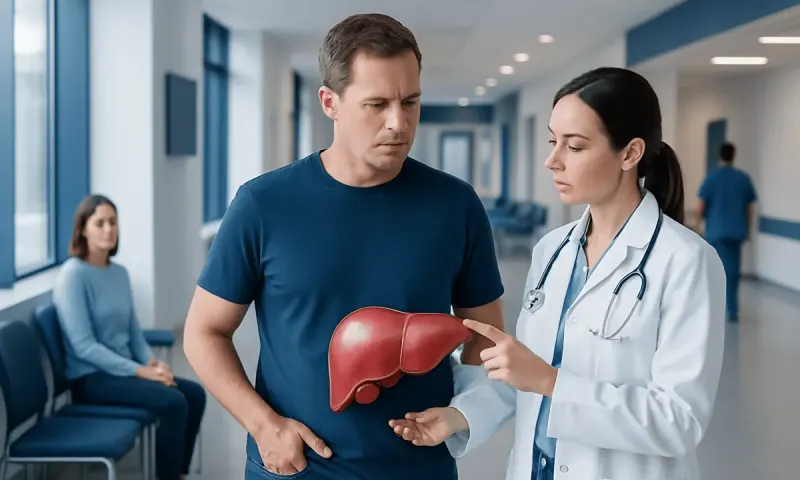
If a doctor suspects a liver problem, the first step is usually a detailed history. They may ask about turmeric product names, doses, ingredients, the date use began, other supplements, medicines, alcohol, recent illness, travel, and previous liver test results. Bringing the supplement container or a photo of its label can be helpful.
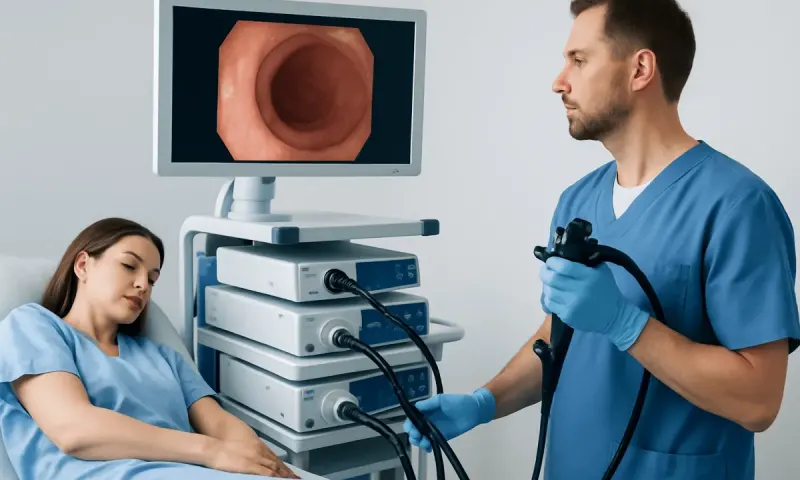
Blood tests can measure liver enzymes, bilirubin, and other indicators of liver function. Depending on the symptoms and results, a clinician may also arrange tests for viral hepatitis, autoimmune conditions, or metabolic causes of liver disease. An abdominal ultrasound or another imaging test may be used to look at the liver, gallbladder, and bile ducts.
When a supplement is considered a likely cause, the usual approach is to stop it. Liver tests are then monitored to ensure they improve. Most people recover after removing the suspected trigger, but follow-up is important because the pace and completeness of recovery vary.
Doctors may also review whether a person has another condition that needs treatment. Liver transplantation is reserved for severe, carefully assessed liver failure and is not needed in the vast majority of people with suspected supplement-related liver injury.
Safer use and practical self-care
Using turmeric in cooking is generally the simplest lower-risk approach for people who enjoy it. There is no need for most healthy adults to take a turmeric supplement for general wellness, particularly if they are already eating a varied diet rich in vegetables, fruits, whole grains, and protein sources.
Before choosing a supplement, it is sensible to discuss the reason for taking it with a doctor, pharmacist, or qualified dietitian. They can help assess possible medicine interactions, existing health conditions, and whether there is evidence that the product is likely to help the person’s specific concern.
People who choose to use a supplement should avoid taking more than the label recommends and should not combine multiple products containing turmeric, curcumin, or black pepper extract. Choosing a product from a manufacturer that provides clear ingredient and quality information may reduce, but cannot eliminate, uncertainty around supplement contents.
Supporting liver health also means limiting alcohol when appropriate, avoiding unnecessary supplements, using medicines only as directed, and attending recommended health checks. If liver tests have previously been abnormal, a clinician should guide decisions about supplements and repeat testing.
When to seek medical care
Medical advice should be sought promptly for yellow skin or eyes, dark urine, pale stools, persistent vomiting, severe or worsening abdominal pain, confusion, easy bruising, or marked sleepiness. These symptoms do not always indicate a serious liver condition, but they should not be managed by simply stopping a supplement at home.
A person should also contact a doctor soon if fatigue, nausea, itching, appetite loss, or upper abdominal discomfort begins after starting turmeric or curcumin supplements. The supplement should generally be stopped while medical advice is arranged, unless it is part of a clinician-directed treatment plan.
For a non-urgent concern, such as deciding whether a supplement is suitable alongside regular medicines or existing liver disease, a routine appointment with a doctor or pharmacist is appropriate. Acıbadem Health Point’s multidisciplinary specialists and JCI-accredited hospitals can assess liver symptoms and treatment needs for international patients.
Early assessment helps distinguish a temporary supplement reaction from other conditions that may require different care. A qualified clinician can provide individualized advice based on symptoms, examination findings, blood tests, and a full medication and supplement review.
Frequently asked questions
01Can turmeric in food damage the liver?
Turmeric used in ordinary cooking amounts is generally considered safe for the liver in most people. Reported liver injury has mainly involved concentrated turmeric or curcumin supplements rather than culinary use. People with liver or bile duct conditions should still ask their clinician about their individual situation.
02Can turmeric supplements cause elevated liver enzymes?
Yes, rare cases of elevated liver enzymes and clinically apparent liver injury have been linked to turmeric or curcumin supplements. Liver enzymes can rise for many reasons, including medicines, alcohol, infections, fatty liver disease, and other supplements. A doctor should assess the full picture rather than attributing abnormal tests to one product without evaluation.
03How long does turmeric-related liver injury take to develop?
The timing varies. Symptoms or abnormal liver tests may develop after several weeks or months of taking a supplement, but the timing is not predictable. Anyone who develops concerning symptoms after starting a supplement should stop it and seek medical guidance.
04Does black pepper make turmeric less safe?
Black pepper contains piperine, which can increase curcumin absorption. This may also affect the way the body absorbs or processes some medicines and could contribute to side effects in susceptible individuals. A pharmacist or doctor can review possible interactions before use.
05Should a person stop turmeric if they have fatty liver disease?
A person should not make major changes to prescribed treatment without speaking with their clinician. Food-level turmeric may be acceptable for many people, but concentrated supplements are not necessary for managing fatty liver disease and should be discussed with a doctor. Lifestyle measures and treatment of underlying metabolic risk factors remain important.
06What tests are used to check for liver injury?
Doctors commonly use blood tests that measure liver enzymes, bilirubin, and markers of liver function. They may also order tests to identify other causes of liver disease and use ultrasound or other imaging when needed. The choice of tests depends on symptoms, medical history, and initial results.
This article is for general information only and is not a substitute for professional medical advice. Please consult a qualified doctor about your individual situation.
Explore treatments in Turkey — costs, top hospitals & a free quote
JCI-accredited · board-certified surgeons · reply within 24h
Add us as a Preferred Source to see more of our trusted health content across Google Search, AI Overviews and Discover.