Do Hair Growth Products Work for Hair Loss?
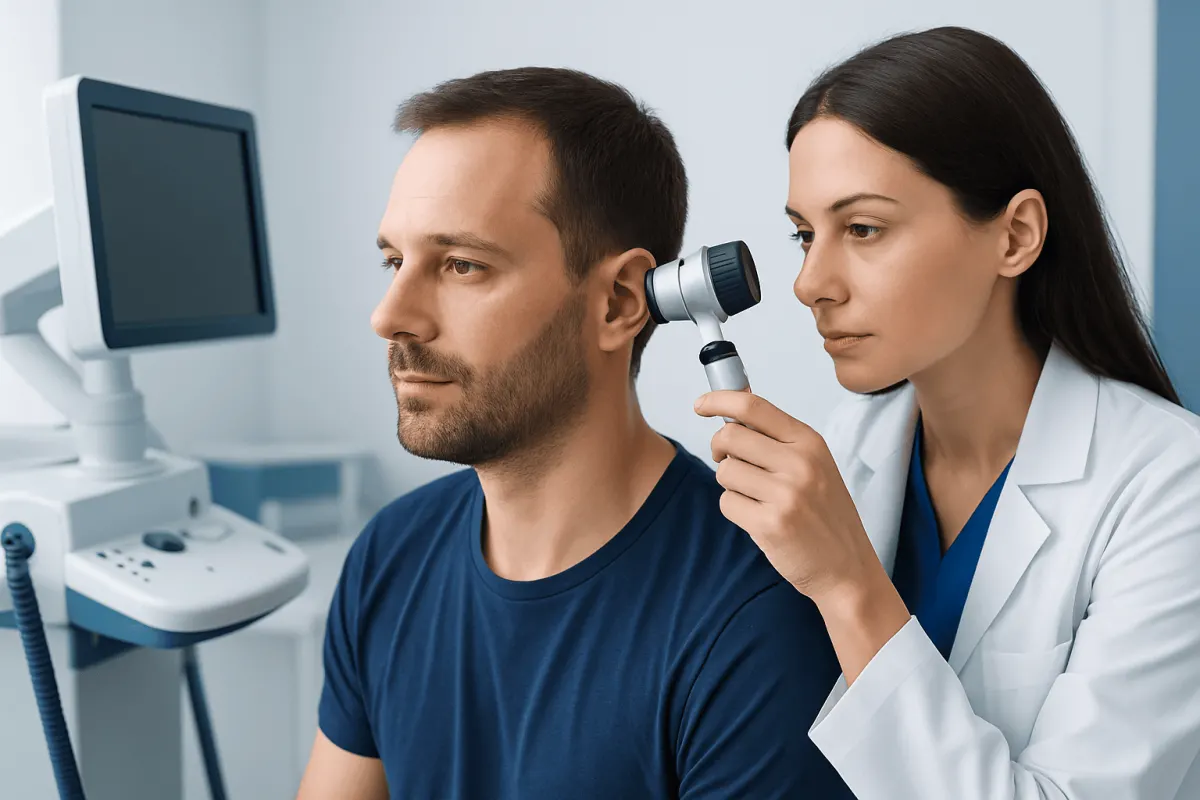
Hair growth products can work for some people, especially when hair thinning is caused by hereditary pattern hair loss and treatment begins early. However, effectiveness varies by product, the underlying cause of shedding, and whether treatment is used consistently for several months.
Do hair growth products work?
Do hair growth products work? Some do, but only certain products have good evidence for slowing hair loss or encouraging regrowth. Products are most likely to help when used for hereditary pattern hair loss, also called androgenetic alopecia, and when treatment starts before the follicles have become inactive for a long time.
Many products marketed for thicker hair improve the appearance of the hair shaft rather than changing hair growth. Volumising shampoos, conditioners, sprays, and fibres can make hair look fuller temporarily, but they do not usually treat the biological cause of thinning. A clinician can help distinguish cosmetic improvement from treatments that may affect the hair-growth cycle.
Hair loss is not always hereditary. Increased shedding can follow illness, fever, surgery, childbirth, major stress, restrictive dieting, iron deficiency, thyroid disorders, some medicines, or inflammatory scalp conditions. In these situations, the most useful approach is to identify and manage the cause rather than relying on a general hair-growth product.
How to judge a hair growth product
A reliable product should have an active ingredient with evidence from well-designed clinical studies, clear directions for use, and realistic claims. It should not promise guaranteed regrowth, permanent results after a short course, or effectiveness for every type of hair loss. Product labels and online reviews cannot confirm whether a treatment is appropriate for an individual cause of thinning.
Hair grows slowly, so meaningful change is rarely immediate. With evidence-based treatments, reduced shedding or subtle improvement may take several months, while maximum benefit may take longer. Consistency is important, and stopping an effective treatment often leads to gradual loss of the benefit.
Online discussions, including searches such as do hair growth products work Reddit, can provide personal experiences but cannot replace medical evidence. A product that seems helpful for one person may not help another because the type, duration, and cause of hair loss can be different.
- Look for a clearly named active ingredient and safe-use instructions.
- Be cautious with products that claim to “wake up” permanently damaged follicles.
- Avoid taking high-dose vitamins or minerals unless a deficiency or clinical reason has been identified.
- Discuss potential interactions, pregnancy considerations, and scalp reactions with a healthcare professional.
What is the most successful hair regrowth product?

There is no single most successful product for every person. For many people with hereditary pattern hair loss, topical minoxidil has the strongest and broadest evidence among non-prescription hair regrowth products. It is used on the scalp and may help some follicles remain in the growth phase longer, which can reduce shedding and improve density over time.
Minoxidil is available in different formulations in many countries, including the UK and the United States. The question do hair growth products work UK has the same evidence-based answer as elsewhere: the active ingredient and the cause of hair loss matter more than the country or marketing label. A pharmacist or doctor can advise on suitable formulations and precautions.
Minoxidil does not work equally well for everyone and may cause local irritation, unwanted facial hair growth, or an early temporary increase in shedding in some users. People with heart conditions, scalp disease, pregnancy, breastfeeding, or concerns about side effects should seek individual medical advice before starting treatment.
For appropriate candidates, prescription treatments may also be considered. Men with androgenetic alopecia may be offered medicines that reduce the effect of certain hormones on hair follicles, while women may need a different assessment based on age, hormonal status, and medical history. These options require clinician guidance because they may have important risks and are not suitable for everyone.
What are the big 3 for thinning hair?
The phrase “big 3” is commonly used online to describe minoxidil, finasteride, and ketoconazole shampoo. It is not a formal medical guideline, and these options do not have the same role, evidence level, or suitability for every patient.
Minoxidil is a topical treatment that can be used by many adults with pattern hair loss. Finasteride is a prescription medicine used mainly for male pattern hair loss; it may help some men but can cause side effects and is not appropriate for women who are pregnant or may become pregnant. A doctor should discuss its potential benefits, limitations, and safety considerations before prescribing it.
Ketoconazole shampoo is primarily used for certain scalp conditions, such as dandruff or seborrhoeic dermatitis. Keeping inflammation and scaling under control can improve scalp comfort, but ketoconazole shampoo should not be viewed as a stand-alone cure for pattern hair loss. Treatment should be tailored after assessing whether the concern is hereditary thinning, increased shedding, scalp inflammation, or another condition.
For progressive thinning, evaluation of hair loss can help clarify the pattern and possible causes. A personalised plan may combine medical treatment with gentle hair care, management of scalp conditions, and follow-up to monitor response.
Do hair growth products work for men and women?
Do hair growth products work for men? They can, particularly when men have androgenetic alopecia, which often begins with recession at the temples, thinning at the crown, or both. Topical minoxidil is an option for many men, and prescription therapies may be considered after medical evaluation.
Do hair growth products work for women? They can also help women with female pattern hair loss, which often appears as widening of the part or diffuse thinning over the top of the scalp. However, women are more likely to need assessment for contributors such as iron deficiency, thyroid disease, recent childbirth, polycystic ovary syndrome, medication effects, or traction from hairstyles.
Hair shedding after a stressful event or illness may be telogen effluvium, a usually temporary shift in the hair cycle. In this setting, restoring nutrition, managing the triggering condition, and allowing time for recovery may be more important than buying multiple regrowth products. A clinician may recommend blood tests or scalp examination when the history suggests an underlying cause.
Supplements can be helpful when a true deficiency is present, but taking biotin, iron, zinc, or other nutrients without testing is not routinely advised. Excessive supplementation can cause side effects, interfere with laboratory tests, or delay recognition of the real reason for hair loss.
Do products work for beards, mustaches, and eyebrows?
Questions such as do hair growth products work for beards, do hair growth products work for mustache, and do hair growth products work on eyebrows require extra caution. Products approved or commonly used for scalp hair are not automatically approved, tested, or suitable for use on the face or near the eyes.
Topical minoxidil is sometimes discussed online for facial hair growth, but use on the beard, mustache, or eyebrows may be off-label depending on the product and country. Facial skin can be more sensitive, accidental eye exposure is possible, and unwanted hair can develop in nearby areas. It is best to consult a dermatologist before using a scalp treatment on the face.
Patchy loss of beard or eyebrow hair can be caused by alopecia areata, skin infection, inflammation, trauma, thyroid disease, or other medical conditions. These causes need proper diagnosis because the appropriate treatment may be very different from a standard hair-growth product. New eyebrow loss, particularly if it is sudden or accompanied by rash or scaling, should be assessed promptly.
What did Matthew McConaughey do to regrow hair?
Matthew McConaughey has publicly discussed using a topical hair product after noticing hair thinning, but personal accounts from celebrities do not establish a diagnosis or prove that a particular product caused regrowth. Hair appearance can also be affected by styling, lighting, hair length, cosmetic concealment, natural changes over time, and procedures that are not always publicly described.
For this reason, celebrity stories should not be used as a treatment plan. A product that appears successful for a public figure may not be appropriate or effective for someone with a different type of hair loss, medical history, or scalp condition.
The most useful next step is a clinical assessment when thinning is persistent or concerning. A dermatologist can examine the scalp, review health history and medicines, and discuss evidence-based options, including hair transplant treatment when hair restoration surgery is appropriate for stable, selected patterns of permanent hair loss.
What is the #1 hair regrowth product and when should medical care be sought?
The answer to “What is the #1 hair regrowth product?” is usually topical minoxidil for people seeking an over-the-counter treatment with established evidence for pattern hair loss. Still, it is not universally effective, and it is not the right first choice for every form of shedding. The best treatment is the one that matches the diagnosis, health needs, and goals of the individual.
Medical care should be sought for sudden or rapid hair loss, round bald patches, hair loss with itching, pain, redness, scaling, pus, or scarring, and loss of eyebrows or eyelashes. Assessment is also important when hair shedding follows a new medicine, occurs with fatigue or unexplained weight change, or causes significant distress. Early review can improve the chance of addressing treatable causes.
Gentle self-care can support scalp and hair health: avoid tight hairstyles, frequent chemical processing, and excessive heat; eat a balanced diet with adequate protein; and treat dandruff or scalp irritation appropriately. These measures may reduce breakage but cannot reverse inherited follicle miniaturisation on their own.
Acıbadem Health Point’s multidisciplinary specialists and JCI-accredited hospitals assess and treat hair-loss concerns for international patients, including medical and surgical approaches when indicated. A qualified doctor can help set realistic expectations and create a safe, individual treatment plan.
Frequently asked questions
01How long do hair growth products take to work?
Most evidence-based treatments need consistent use for several months before changes can be judged. Hair growth is gradual, and the first sign may be less shedding rather than obvious new density. Continuing treatment is often needed to maintain benefit.
02Can shampoo regrow hair?
Most shampoos cannot regrow hair because they are rinsed off and do not address the main hormonal or genetic drivers of pattern hair loss. Medicated shampoos may help dandruff or scalp inflammation when these are present. They can be part of scalp care but are usually not a complete hair-regrowth treatment.
03Are hair growth vitamins effective?
Vitamins and minerals can support hair growth when a person has a confirmed nutritional deficiency. They are less likely to improve hereditary hair loss when nutrient levels are normal. A clinician may recommend testing before supplements are used, especially for iron or other nutrients.
04Can women use minoxidil for hair thinning?
Many women with female pattern hair loss can use topical minoxidil under product directions or medical advice. The most suitable formulation and use plan may depend on age, scalp sensitivity, other health conditions, and pregnancy or breastfeeding status. A doctor or pharmacist can advise on safe use.
05Does minoxidil work for beard or eyebrow growth?
Minoxidil is primarily intended for scalp use, and use on the beard or eyebrows may be off-label depending on the product and location. It can irritate facial skin and should not get into the eyes. A dermatologist should assess unexplained facial hair loss before any treatment is tried.
06Can hair loss be reversed naturally?
Some temporary shedding improves after the underlying trigger, such as illness, stress, nutritional deficiency, or a medication change, is addressed. Hereditary pattern hair loss usually needs evidence-based treatment to slow progression, and natural remedies have limited proof of regrowing hair. Healthy nutrition and gentle hair care remain useful supportive measures.
This article is for general information only and is not a substitute for professional medical advice. Please consult a qualified doctor about your individual situation.
Hair transplant in Turkey — costs, graft counts & a free assessment
JCI-accredited · board-certified surgeons · reply within 24h
Add us as a Preferred Source to see more of our trusted health content across Google Search, AI Overviews and Discover.