How Do You Get Testicular Cancer and How Is It Treated?
Chemotherapy for Testicular Cancer: How It Works, Results and What to Expect" class="ahp-ilk">Testicular cancer is not something a person catches or causes through everyday activities. It develops when cells in a testicle grow abnormally; certain factors can raise risk, but many people diagnosed have no known risk factors.
How do you get testicular cancer?
Testicular cancer is not contagious, and it does not result from sexual contact, exercise, injury, or everyday personal habits. It begins when cells in one or both testicles develop genetic changes that allow them to grow and divide abnormally. In most cases, the exact reason these cell changes occur is not known.
Some people have factors associated with a higher chance of developing the disease, especially a history of an undescended testicle, a previous testicular cancer, or a close family history. However, many people who develop testicular cancer have none of these factors. Having a risk factor does not mean that cancer will develop.
Early assessment is important because changes in a testicle can have many causes, including infection, fluid collections, cysts, or benign lumps. A clinician can determine the cause using an examination and appropriate tests. For more general information about the condition, see testicular cancer.
Is testicular cancer rare?
Testicular cancer is relatively rare compared with many other cancers. It can occur at any age, but it is diagnosed most often in adolescents and younger to middle-aged adults. It is less common in children and older adults, although it can still occur in these age groups.
There are different types of testicular cancer. Most start in germ cells, which are the cells that normally develop into sperm. Germ cell tumors are broadly grouped into seminomas and non-seminomas. These types can behave differently and may be treated in different ways, which is why accurate pathology results are important.
Although the diagnosis can feel overwhelming, testicular cancer is among the cancers with very favorable outcomes when managed appropriately. The outlook depends on the type of cancer, whether it has spread, tumor marker results, and response to treatment.
Symptoms and possible effects of testicular cancer
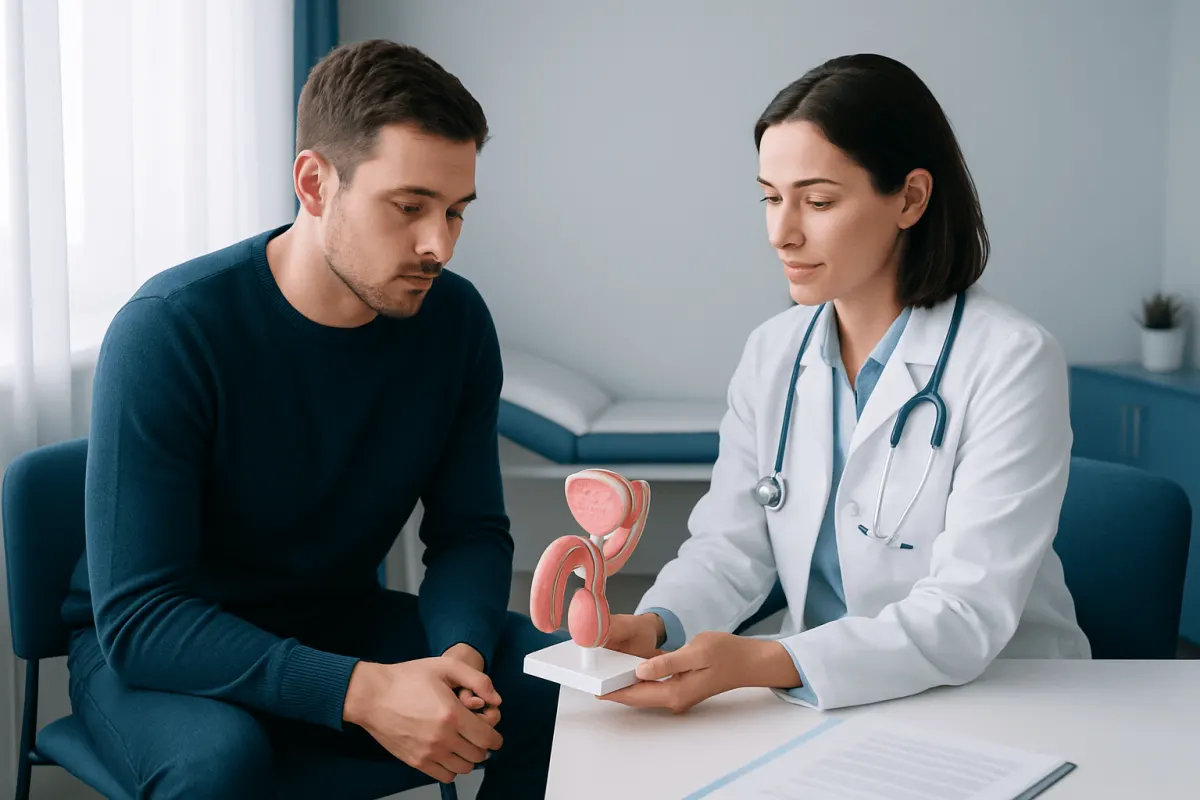
The most common sign is a lump, firmness, swelling, or enlargement in one testicle. The lump is often painless, but some people notice an ache, tenderness, or a feeling of heaviness in the scrotum or lower abdomen. One testicle may naturally be slightly larger or hang lower than the other; a new or progressive change is the important feature to discuss with a doctor.
Other possible symptoms include a dull ache in the groin, sudden fluid in the scrotum, or breast tenderness or enlargement in uncommon circumstances. Pain alone is not usually a typical first symptom of testicular cancer, but pain should still be assessed, especially if it persists or is accompanied by swelling or a lump.
If cancer has spread beyond the testicle, symptoms can vary according to where it has spread. These may include back pain, abdominal discomfort, persistent cough, shortness of breath, or unexplained weight loss. Such symptoms have many possible causes and do not by themselves confirm cancer.
- A new lump or hard area in a testicle
- Swelling or a change in testicular size or shape
- A heavy, full, or aching sensation in the scrotum
- Persistent groin or lower abdominal discomfort
- Symptoms that do not improve or that become more noticeable over time
What increases the risk of testicular cancer?
The clearest known risk factor is cryptorchidism, also called an undescended testicle. This is a condition present from birth in which a testicle has not moved into the scrotum. Surgical correction in childhood is important for several reasons, but it does not completely remove the increased risk of testicular cancer later in life.
A personal history of cancer in one testicle increases the chance of a new cancer developing in the other testicle. Having a father or brother with testicular cancer may also raise risk, although most people diagnosed do not have a family history. Certain uncommon conditions affecting testicular development may be associated with risk as well.
Testicular injury does not appear to cause testicular cancer. An injury may simply draw attention to a lump that was already present. There is also no reliable evidence that underwear choice, sexual activity, vasectomy, cycling, or sports cause testicular cancer.
How to get diagnosed with testicular cancer?
A person who notices a change should arrange an appointment with a primary care doctor or urologist. The clinician will ask about symptoms and medical history and examine the testicles, scrotum, abdomen, and nearby lymph nodes. This examination is brief and helps identify whether imaging is needed.
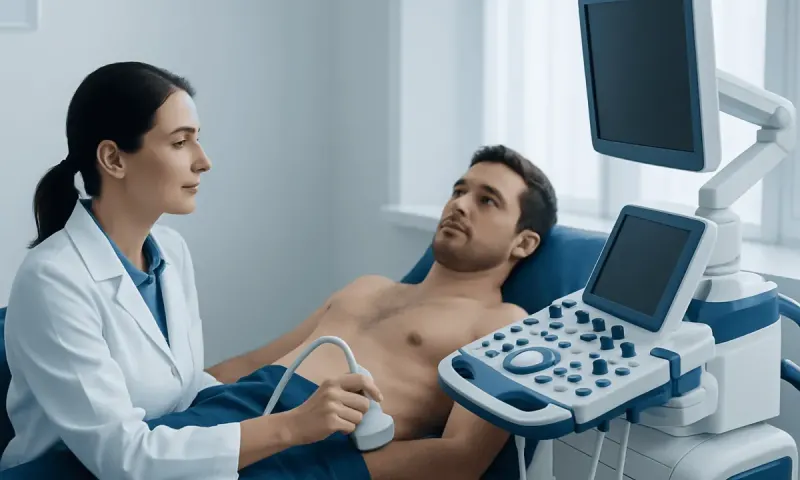
A scrotal ultrasound is usually the first imaging test. It can distinguish a mass within the testicle from many non-cancerous causes of scrotal swelling. Blood tests may also measure tumor markers, substances that can be elevated with some germ cell tumors. Commonly used markers include alpha-fetoprotein, beta-human chorionic gonadotropin, and lactate dehydrogenase.
When a testicular mass appears suspicious, doctors generally avoid taking a needle biopsy through the scrotum. Instead, the usual diagnostic and initial treatment procedure is removal of the affected testicle through an incision in the groin, called radical inguinal orchiectomy. A pathologist then examines the tissue to identify the cancer type.
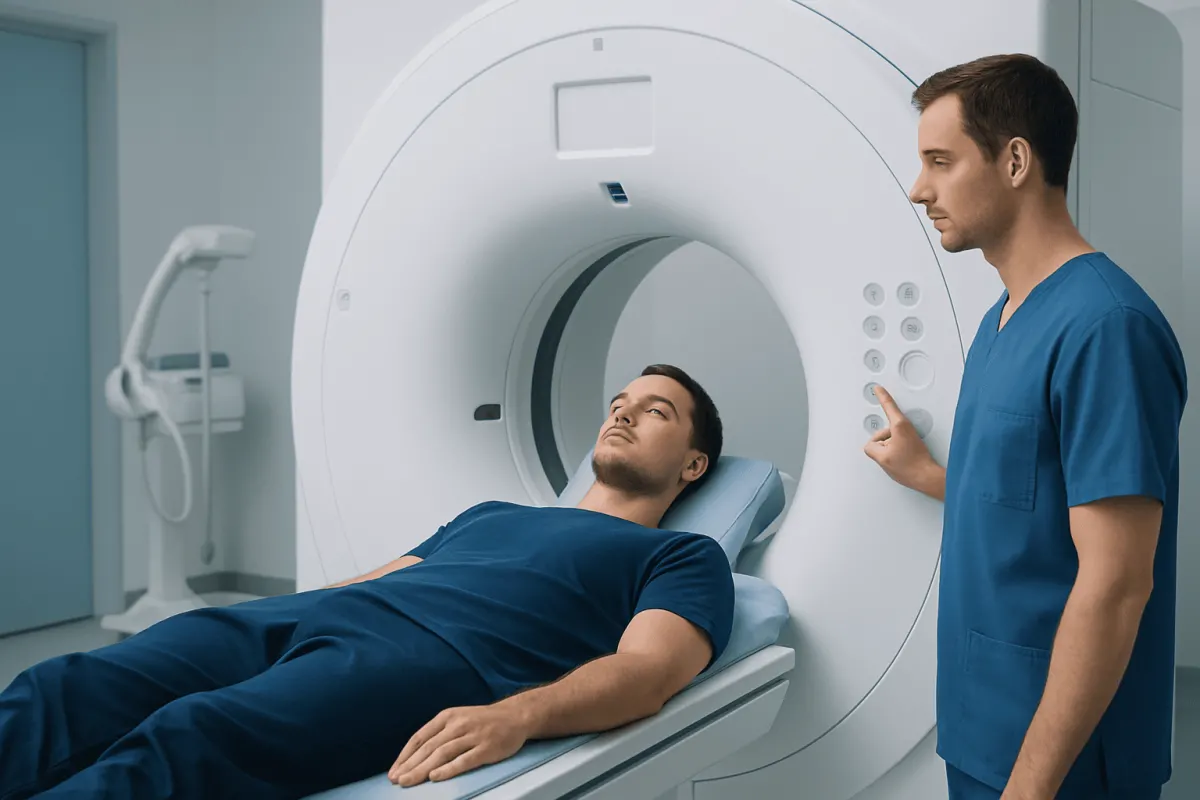
If cancer is confirmed, imaging such as CT scans may be used to check lymph nodes and other organs. These results, along with tumor marker levels and pathology findings, are used to stage the cancer and plan care.
How is testicular cancer diagnosed and treated?
Diagnosis combines clinical examination, ultrasound, blood tumor markers, surgical pathology, and staging scans where needed. Care is individualized because the best approach depends on whether the cancer is seminoma or non-seminoma, its stage, marker levels, overall health, and the person’s preferences regarding fertility and follow-up.
Removal of the affected testicle is the main first step for most testicular cancers. Removing one testicle usually does not prevent normal testosterone production, sexual function, or fertility when the remaining testicle is healthy. A testicular prosthesis may be discussed for people who would like one.
After surgery, some early-stage cancers can be managed with active surveillance. This means scheduled examinations, tumor marker testing, and imaging rather than immediate additional treatment. For cancers with a higher risk of recurrence or evidence of spread, treatment may include chemotherapy, radiotherapy for selected seminoma cases, or surgery to remove lymph nodes in the back of the abdomen.
Fertility preservation should be discussed before chemotherapy, radiotherapy, or certain surgeries. Sperm freezing may be an option for people who want to preserve the possibility of having biological children in the future. A cancer team can also provide support for emotional wellbeing, relationships, and recovery.
What are the effects of testicular cancer?
The effects of testicular cancer vary. The cancer itself may cause local swelling or discomfort, while more advanced disease can affect other parts of the body. Treatment can also have short- and long-term effects, but teams plan treatment carefully to control cancer while protecting long-term health as much as possible.
After removal of one testicle, many people continue to have normal testosterone levels and can maintain erections, sexual desire, and fertility. If both testicles are removed or if testosterone levels become low, testosterone replacement may be needed. Fertility can be affected by the cancer itself, by chemotherapy or radiotherapy, and by some operations, so early discussion is valuable.
Chemotherapy can cause temporary fatigue, nausea, lowered blood cell counts, and increased infection risk. Some medicines may have longer-term effects on nerves, hearing, lungs, kidneys, or cardiovascular health. Follow-up care helps identify and manage treatment effects, monitor for recurrence, and support healthy recovery.
When to seek medical care
A new lump, swelling, hardening, or persistent change in a testicle should be assessed by a doctor as soon as possible. It is sensible not to wait to see whether a painless lump disappears. Most scrotal changes are not cancer, but timely evaluation provides reassurance or allows treatment to begin promptly if needed.
Urgent medical assessment is needed for sudden, severe testicular pain, particularly when it begins quickly with swelling, nausea, or vomiting. This can be a sign of testicular torsion, where the blood supply to a testicle may be affected. Torsion is a medical emergency and requires immediate care.
People previously treated for testicular cancer should attend planned follow-up visits and contact their clinical team about new or persistent symptoms. Acıbadem Health Point’s multidisciplinary specialists at JCI-accredited hospitals support international patients with diagnosis, staging, treatment, fertility discussions, and follow-up care.
Frequently asked questions
01Can testicular cancer be prevented?
There is no proven way to prevent most testicular cancers because the causes are often unknown. People with an undescended testicle or a history of testicular cancer should discuss appropriate follow-up with a doctor. Knowing what is normal for the testicles can help a person notice a new change promptly.
02Does a lump in the testicle always mean cancer?
No. Lumps and swelling can result from several non-cancerous conditions, including cysts, infection, fluid collections, or enlarged veins. However, a testicular lump should always be examined because it is not possible to identify the cause reliably without medical assessment.
03Can testicular cancer spread?
Yes. If untreated, testicular cancer can spread to nearby lymph nodes and, in some cases, to organs such as the lungs. Staging tests determine whether spread is present and help clinicians choose the most suitable treatment.
04Can someone have children after testicular cancer treatment?
Many people can father children after treatment, especially if one healthy testicle remains. Fertility may be reduced by cancer or by treatments such as chemotherapy, radiotherapy, and some surgery. Sperm freezing before treatment may be considered when future fertility is a concern.
05How often should someone check their testicles?
There is no universal recommendation for formal routine self-examination in everyone. However, people should be familiar with their usual testicular appearance and feel, and should seek medical advice about any new lump, swelling, firmness, or persistent change.
06What is the outlook for testicular cancer?
The outlook is often very good, including for many people whose cancer has spread. Prognosis depends on the cancer type, stage, tumor markers, and response to treatment. A specialist can explain the individual outlook after pathology and staging results are available.
This article is for general information only and is not a substitute for professional medical advice. Please consult a qualified doctor about your individual situation.
Oncology care in Turkey — second opinion and treatment plan
JCI-accredited · board-certified surgeons · reply within 24h
Add us as a Preferred Source to see more of our trusted health content across Google Search, AI Overviews and Discover.