What Does Testicular Cancer Look Like and How Is It Found?
Testicular cancer often appears as a new lump, swelling, firmness, or change in the size or feel of one testicle. Many changes are not cancer, but any persistent testicular change should be assessed promptly by a qualified clinician.
What Does Testicular Cancer Look Like?
Testicular cancer may look or feel like a new lump, localized swelling, or a firm area within one testicle. Affected individuals may notice that one testicle has become larger, heavier, harder, or shaped differently from before. The change is often painless, although discomfort can occur.
Not every lump or change in the scrotum is cancer. Fluid around the testicle, inflammation, infection, cysts, enlarged veins, or injury can also cause swelling or discomfort. However, it is not possible to reliably distinguish these conditions by appearance alone, so a new or persistent testicular change should be checked by a doctor.
Some possible changes include:
- A pea-sized or larger lump in or on a testicle
- One testicle becoming enlarged, firmer, or noticeably different in texture
- A feeling of heaviness, fullness, or dragging in the scrotum
- A dull ache in the lower abdomen, groin, or scrotum
- Sudden fluid buildup or swelling in the scrotum
Testicular cancer does not always cause visible changes. Occasionally, it is discovered during an examination or imaging test performed for another reason. Regular awareness of what is normal for the individual can make new changes easier to recognize.
What Is Testicular Cancer and How Is It Treated?
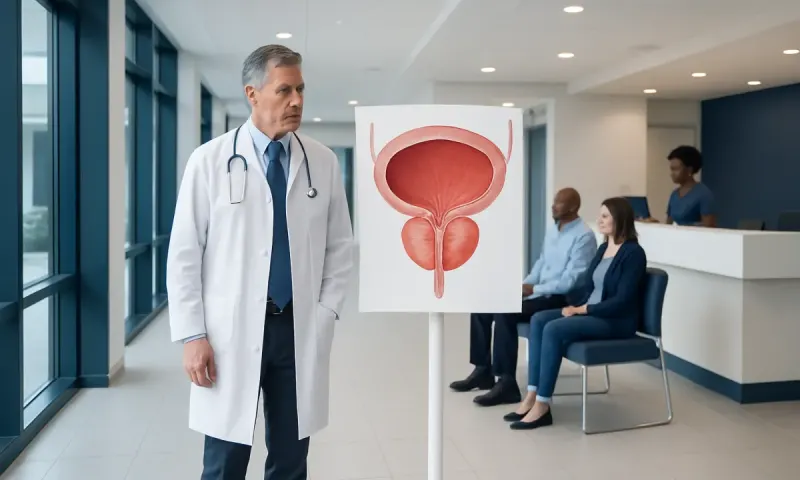
Testicular cancer is a cancer that begins in the cells of a testicle. The testicles are part of the male reproductive system and produce sperm and hormones, including testosterone. Most testicular cancers develop from germ cells, which are the cells involved in sperm formation. The two main germ cell groups are seminomas and non-seminomatous germ cell tumors; they can behave differently and may be managed with different treatment plans.
The first treatment is commonly surgery to remove the affected testicle through an incision in the groin. This procedure is called radical inguinal orchiectomy. Removing one testicle usually does not prevent a person from having an erection, producing testosterone, or fathering children if the other testicle is healthy, although fertility should be discussed before treatment begins.
Further treatment depends on the cancer type, stage, tumor marker results, imaging findings, and personal circumstances. Options may include careful surveillance with scheduled tests, chemotherapy, radiotherapy for selected seminomas, or surgery to remove affected lymph nodes. Testicular cancer treatment is planned by a multidisciplinary team so that treatment intensity is appropriate for the individual risk of recurrence or spread.
Before chemotherapy, radiotherapy, or certain surgeries, clinicians may discuss sperm banking because these treatments can affect fertility. Hormone replacement may be needed if both testicles have been removed or if testosterone production becomes low.
What Is the Diagnosis of Testicular Cancer?

Diagnosis begins with a medical history and physical examination. A clinician will ask about the timing of symptoms, pain, injury, infection symptoms, fertility history, and previous testicular conditions. They will examine the scrotum, testicles, groin, abdomen, and sometimes the breasts, as certain hormone-related effects can occur in a small number of cases.
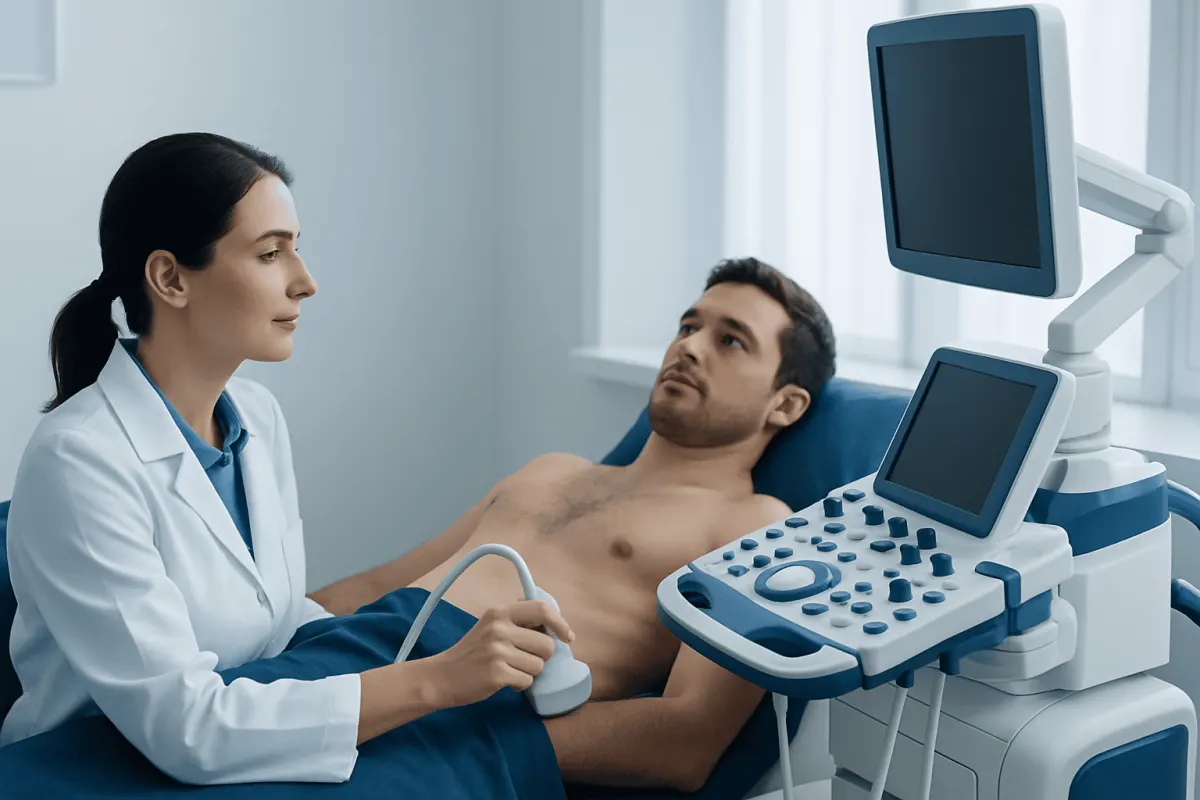
A scrotal ultrasound is the main imaging test used to assess a testicular lump. It can help show whether a change is inside the testicle, where cancer is more concerning, or outside it, where noncancerous causes are more common. Ultrasound does not use radiation and is generally quick and painless.
Blood tests may measure tumor markers, including alpha-fetoprotein, beta-human chorionic gonadotropin, and lactate dehydrogenase. These markers are not elevated in every case, so normal results do not rule out testicular cancer. When cancer is suspected, the affected testicle is usually removed rather than sampled with a needle, because surgery provides a definitive tissue diagnosis and is part of standard treatment.
After a diagnosis, CT scans or other imaging may assess lymph nodes and organs for signs that the cancer has spread. The pathology report, tumor markers, and imaging results are used to determine the stage and guide care. Related urologic conditions, including testicular cancer, should be assessed by specialists experienced in diagnosis and follow-up.
Symptoms, Causes, and Risk Factors
Symptoms can vary. In addition to a lump or swelling, some people develop a dull ache in the groin or lower abdomen, a heavy sensation in the scrotum, or pain in a testicle. Acute severe scrotal pain is less typical of testicular cancer but still needs urgent assessment because conditions such as testicular torsion require immediate care.
If testicular cancer has spread, symptoms may reflect the area involved. For example, enlarged lymph nodes in the back of the abdomen may cause back pain, while spread to the lungs may cause a persistent cough or shortness of breath. These symptoms have many possible causes and do not by themselves mean cancer is present.
The exact cause of testicular cancer is not fully understood. Known risk factors include an undescended testicle, a previous testicular cancer, a family history of the disease, and certain differences in testicular development. Having a risk factor does not mean a person will develop cancer, and many people diagnosed with testicular cancer have no known risk factors.
Testicular injury does not appear to cause testicular cancer, although an injury may draw attention to a pre-existing lump. There is no proven screening test for testicular cancer in people without symptoms, but people with risk factors can ask their doctor about individualized monitoring and testicular awareness.
Is the Outlook for Testicular Cancer Good?
The outlook for testicular cancer is often very good, particularly when it is found before it has spread beyond the testicle. It is one of the more treatable solid cancers, and effective treatment is available even when the cancer has spread to lymph nodes or other organs.
Outlook depends on several clinical details, including the tumor type, stage, tumor marker levels, response to treatment, and overall health. Seminomas and non-seminomatous tumors may follow different pathways of care, which is why staging and specialist review are important. A doctor can explain what the pathology and scan results mean for an individual situation.
Follow-up is an essential part of care. It may include physical examinations, tumor marker blood tests, and imaging at intervals recommended by the treating team. Follow-up helps detect recurrence early and also supports monitoring for treatment effects, fertility concerns, testosterone changes, and emotional wellbeing.
Many people return to work, exercise, relationships, and daily life after treatment. Concerns about body image, sexual health, fertility, and anxiety around surveillance are common and appropriate to discuss with the care team. Counseling, fertility support, and rehabilitation services can be helpful when needed.
Treatment Planning, Fertility, and Recovery
After surgery, a person may be offered surveillance rather than immediate additional treatment if the estimated risk of recurrence is low. Surveillance does not mean that cancer is being ignored; it is a structured plan of regular testing so that treatment can be started promptly if there are signs of recurrence.
When additional therapy is recommended, the team considers both cancer control and long-term health. Chemotherapy can be very effective for germ cell tumors, while radiotherapy may be used for carefully selected seminoma cases. Surgery for lymph nodes may be considered in some situations. The expected benefits, possible side effects, and alternatives should be discussed before a decision is made.
Fertility preservation should be addressed as early as possible, ideally before treatment that could impair sperm production. Sperm banking may be offered, and hormone levels can be monitored after treatment. A testicular prosthesis may also be discussed for people who would like one after removal of a testicle.
At Acıbadem Health Point, multidisciplinary specialists in JCI-accredited hospitals assess and treat testicular cancer for international patients, with care plans coordinated around diagnosis, treatment, and follow-up needs.
When to Seek Medical Care
Medical care should be sought promptly for a new lump, persistent swelling, change in testicle size or firmness, unexplained heaviness, or ongoing ache in the testicle, groin, or lower abdomen. It is especially important not to delay evaluation because many scrotal problems can be diagnosed quickly with an examination and ultrasound.
Urgent medical assessment is needed for sudden severe testicular or scrotal pain, particularly when it is accompanied by nausea, vomiting, swelling, or a testicle sitting higher than usual. These symptoms can occur with testicular torsion, in which blood supply to the testicle may be compromised. Torsion is a medical emergency and differs from the usual presentation of testicular cancer.
People who have had an undescended testicle, prior testicular cancer, or a close family history can ask their clinician about their individual risk. A doctor can also help distinguish cancer-related concerns from infections, hernias, cysts, and other common causes of scrotal symptoms.
Frequently asked questions
01Can testicular cancer be painless?
Yes. A painless lump, swelling, or firm area in one testicle is a common possible presentation. Pain can occur, but its absence should not be used to rule out a concerning change.
02Does testicular cancer always cause a lump?
No. Some people notice enlargement, heaviness, firmness, or a dull ache rather than a distinct lump. In some cases, it is found during a medical examination or ultrasound before obvious symptoms develop.
03Can an ultrasound diagnose testicular cancer?
Ultrasound is a key test for evaluating a testicular lump and can identify features that make cancer more or less likely. A definite diagnosis is usually confirmed after surgical removal of the affected testicle and laboratory examination of the tissue.
04Can a person live normally with one testicle?
In many cases, yes. One healthy testicle can usually produce enough testosterone and sperm for normal sexual function and fertility. Individual fertility and hormone status can be checked, especially before and after cancer treatment.
05How quickly should a testicular lump be checked?
A new lump, swelling, or persistent change should be assessed promptly, ideally within days rather than waiting to see if it resolves. Sudden severe pain or rapidly increasing swelling requires urgent medical care.
06Does testicular cancer come back after treatment?
Recurrence is possible, but its likelihood depends on the cancer type, stage, treatment, and other clinical factors. Scheduled follow-up tests are designed to detect recurrence early, when further treatment can be considered.
This article is for general information only and is not a substitute for professional medical advice. Please consult a qualified doctor about your individual situation.
Oncology care in Turkey — second opinion and treatment plan
JCI-accredited · board-certified surgeons · reply within 24h
Add us as a Preferred Source to see more of our trusted health content across Google Search, AI Overviews and Discover.