How Do I Know If I Have a UTI? Common Signs

How do I know if I have a UTI? Burning during urination, needing to urinate often, sudden urgency, and lower abdominal discomfort are common signs, but a urine test is the most reliable way to confirm the diagnosis. Symptoms can overlap with other conditions, so medical assessment is particularly important during pregnancy, in men, and when symptoms are severe.
How do I know if I have a UTI?
How do I know if I have a UTI? A urinary tract infection is likely when burning or pain occurs while passing urine together with a frequent, urgent need to urinate, often with only a small amount of urine coming out. These symptoms are suggestive, but they cannot confirm an infection on their own; a urine test performed by a healthcare professional is the best way to establish the cause.
Most UTIs affect the bladder or urethra. A bladder infection is a type of lower UTI, so people asking whether they have a UTI or a bladder infection are often describing the same general problem. Other possible symptoms include pressure or discomfort low in the abdomen, urine that looks cloudy, or blood in the urine.
UTI symptoms may begin suddenly and vary from person to person. Women and people with female urinary anatomy experience UTIs more often because bacteria can reach the bladder more easily, but males can develop UTIs as well. Symptoms are not always caused by infection, which is why testing is useful before assuming the cause or taking antibiotics.
What are early warning signs of a UTI?
Early warning signs of a UTI often involve a noticeable change in urination. A person may feel a burning sensation, need to use the bathroom more often than usual, feel an urgent need to urinate, or pass only a small amount despite a strong urge.
- Burning, stinging, or pain during urination
- Frequent urination or sudden urgency
- Lower abdominal pressure or discomfort
- Cloudy urine or urine with visible blood
- A new strong urine odor, especially when accompanied by other symptoms
Urine odor or color changes by themselves are not reliable early signs, as dehydration, certain foods, vitamins, and medications may also affect urine. In older adults, new urinary symptoms should be assessed carefully; confusion alone, without urinary symptoms or other signs of illness, does not reliably indicate a UTI.
How do I check myself for a UTI?

A person can check for possible UTI symptoms by noting when they started, whether urination is painful or unusually frequent, and whether there is lower abdominal discomfort, fever, vaginal symptoms, or back pain. Keeping track of these details can help a clinician distinguish a straightforward bladder infection from another cause. Drinking fluids may support comfort for people who are not on fluid restrictions, but it does not diagnose or cure an infection.
Over-the-counter urine dipstick kits can look for substances such as nitrites and white blood cells. They may support a suspicion of infection, but a home test cannot confirm a UTI or identify the specific bacteria. False-negative and false-positive results can occur, so persistent symptoms, a positive home test, or uncertainty should be discussed with a healthcare professional.
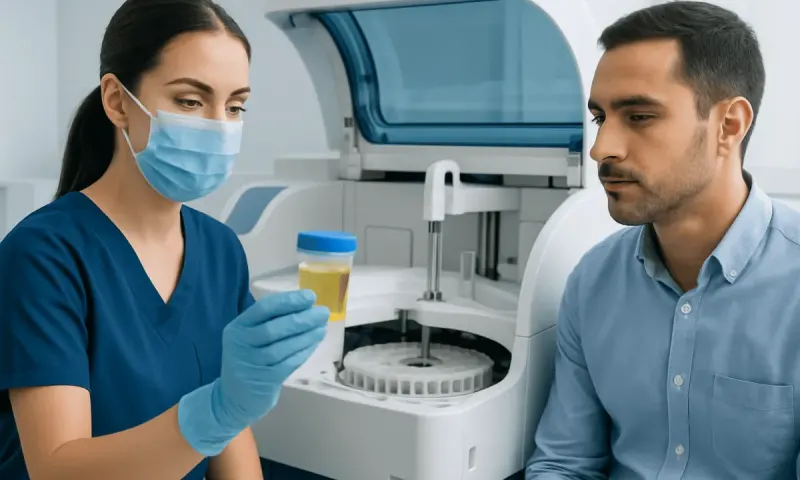
In a clinic, a clean-catch urine sample may be checked with urinalysis and sometimes sent for a urine culture. For someone wondering how to know if they have a UTI as a male, assessment may also include questions about prostate symptoms, urine flow, stones, or urinary blockage. If a person is pregnant, even mild urinary symptoms should be evaluated promptly because pregnancy changes the approach to testing and treatment.
Who is more likely to get a UTI?
Most UTIs happen when bacteria, commonly from the digestive tract, enter the urethra and travel into the bladder. Risk can increase with sexual activity, pregnancy, menopause, dehydration, holding urine for long periods, or use of a urinary catheter. Conditions that prevent the bladder from emptying fully, such as an enlarged prostate, kidney stones, or certain nerve conditions, can also raise the likelihood of infection.
UTIs are common in females, but they can occur in males and in people of any age. Diabetes, a weakened immune system, previous UTIs, and structural differences in the urinary tract may increase risk. Repeated infections deserve medical review so that a clinician can look for contributing factors and discuss an appropriate prevention plan.
What can be mistaken for a UTI?
Several conditions can produce burning or discomfort that feels like a UTI. A common question is how to know if someone has a UTI or a yeast infection. Yeast infections more often cause vaginal or vulvar itching, redness, soreness, and thick discharge, while a UTI more typically causes urinary urgency and burning from within the urinary tract; however, both conditions can occur at the same time.
Sexually transmitted infections can also cause painful urination, discharge, pelvic discomfort, sores, or bleeding. For people asking how to know if they have a UTI or an STI, symptoms alone are not enough to tell the difference. A clinician may recommend urine testing, vaginal or urethral swabs, or other sexual health tests based on symptoms and exposure history.
Kidney stones, irritation from scented hygiene products, overactive bladder, vaginal dryness, prostatitis, and bladder pain syndrome can also resemble a UTI. In contrast to a typical bladder infection, a kidney infection is more likely to cause fever, chills, nausea, and pain in the side or back. These symptoms should not be managed with a home test alone.
Can UTI go away on its own?
Some mild, uncomplicated urinary symptoms may improve without treatment, but it is not possible to reliably tell at home whether a suspected UTI will clear or progress. Delaying assessment may allow an infection to persist or, less commonly, spread upward toward the kidneys. People who are pregnant, male, immunocompromised, living with significant kidney disease, or experiencing recurrent infections should not wait to seek advice about UTI symptoms.
When a bacterial UTI is confirmed or strongly suspected, a clinician may prescribe antibiotics selected for the individual and the likely bacteria. Symptom relief measures may also be recommended. Leftover antibiotics, antibiotics prescribed for another person, and unproven remedies should not be used, as they may be ineffective, cause side effects, and contribute to antibiotic resistance.
Reducing the chance of another UTI
Everyday habits may help reduce UTI risk. These include drinking enough fluid for individual health needs, urinating when needed rather than regularly holding urine, wiping from front to back after bowel movements, and avoiding scented products or douches that can irritate genital tissues. Urinating after sex may be a reasonable low-risk habit for some people, especially if symptoms tend to follow sexual activity.
People with recurrent UTIs should speak with a clinician rather than relying only on self-care. A healthcare professional can review contraception, medications, menopause-related changes, urinary emptying problems, and other health conditions. Some people may benefit from individualized prevention measures, but these should be chosen with medical guidance.
When to seek medical care
Medical advice is appropriate for new UTI symptoms that do not improve quickly, are painful, recur, or make daily activities difficult. Prompt assessment is especially important for a person asking how to know if they have a UTI while pregnant, as UTIs during pregnancy may require testing and treatment even when symptoms are mild. Children, men, and people with diabetes, kidney problems, immune suppression, or a urinary catheter should also contact a clinician promptly.
- Fever, chills, nausea, or vomiting
- Pain in the side, back, or below the ribs
- Visible blood in the urine
- Severe pelvic pain, inability to pass urine, or rapidly worsening symptoms
- Severe weakness, fainting, confusion, or difficulty keeping fluids down alongside infection symptoms
These signs can occur with a kidney infection or another condition that needs timely evaluation. Someone wondering how to know if they have a UTI or kidney infection should seek same-day medical advice if fever or flank pain is present rather than waiting for a home test result.
For international patients, Acıbadem Health Point’s multidisciplinary specialists and JCI-accredited hospitals diagnose and treat urinary tract infections and related urinary conditions using appropriate clinical assessment and testing.
Frequently asked questions
01Can the smell of urine tell me if I have a UTI?
A strong urine smell can occur with a UTI, but it is not enough to diagnose one. Dehydration, foods such as asparagus, vitamins, and some medications can also change urine odor.
02How do I know if I have a UTI or a kidney infection?
Bladder UTIs usually cause burning, urgency, and lower abdominal discomfort. Fever, chills, nausea, vomiting, or pain in the side or back can suggest a kidney infection and require prompt medical assessment.
03How do I know if I have a UTI or a yeast infection?
A UTI more often causes urinary urgency and burning when urine passes, while a yeast infection commonly causes itching, redness, and thick vaginal discharge. Because symptoms can overlap, testing may be needed to identify the cause accurately.
04Can an STI feel like a UTI?
Yes. Some sexually transmitted infections can cause burning during urination, discharge, pelvic discomfort, or genital sores. STI testing may be appropriate when there has been a possible exposure, new sexual partner, discharge, or symptoms that do not fit a typical UTI.
05How do UTI symptoms present in males?
Males may have burning urination, urgency, frequent urination, lower abdominal discomfort, or cloudy urine, much like other adults. Because UTIs are less common in males, a clinician may also consider prostate enlargement, prostatitis, stones, or incomplete bladder emptying.
06Do I need to see a doctor for UTI symptoms during pregnancy?
Yes. Pregnant people should contact their maternity care provider or doctor promptly if they have burning urination, urgency, lower abdominal pain, fever, or other possible UTI symptoms. Urine testing helps guide safe treatment and reduces the chance of complications.
This article is for general information only and is not a substitute for professional medical advice. Please consult a qualified doctor about your individual situation.
Explore treatments in Turkey — costs, top hospitals & a free quote
JCI-accredited · board-certified surgeons · reply within 24h
Add us as a Preferred Source to see more of our trusted health content across Google Search, AI Overviews and Discover.