How Can You Stop Snoring Safely?
To stop snoring safely, the first step is identifying why the airway is vibrating during sleep. Treatment may involve lifestyle measures, nasal or dental devices, sleep apnea therapy, or carefully selected procedures when an anatomical blockage is present.
Stop Snoring Starts With Finding the Cause
To stop snoring, treatment needs to address the reason air is meeting resistance during sleep. Some people improve with changes in sleep position, nasal care, or treatment of allergies, while others need an oral appliance, positive airway pressure therapy, or a procedure targeted to a specific area of narrowing.
Snoring happens when relaxed tissues in the nose, soft palate, throat, or tongue vibrate as air passes through. Nasal congestion, a deviated septum, enlarged tonsils, alcohol close to bedtime, sedating medicines, smoking, weight gain, and sleeping on the back can all contribute. It can also occur in people without these factors because airway anatomy differs from person to person.
Snoring is not always harmful, but it should be distinguished from obstructive sleep apnea, a condition in which breathing repeatedly becomes partly or completely blocked during sleep. Witnessed pauses in breathing, gasping or choking during sleep, morning headaches, unrefreshing sleep, and daytime sleepiness can suggest sleep apnea. A bed partner’s observations are helpful, but they cannot diagnose the condition; a clinician may recommend a home sleep apnea test or an overnight sleep study.
Building a Treatment Plan Before Considering a Procedure
An ear, nose, and throat specialist or sleep clinician typically reviews the pattern of snoring, daytime symptoms, medical history, medicines, and alcohol use. Examination may include the nose, palate, tonsils, jaw, tongue, and neck. When sleep apnea is possible, sleep testing is especially important because reducing sound alone does not necessarily restore normal breathing during sleep.
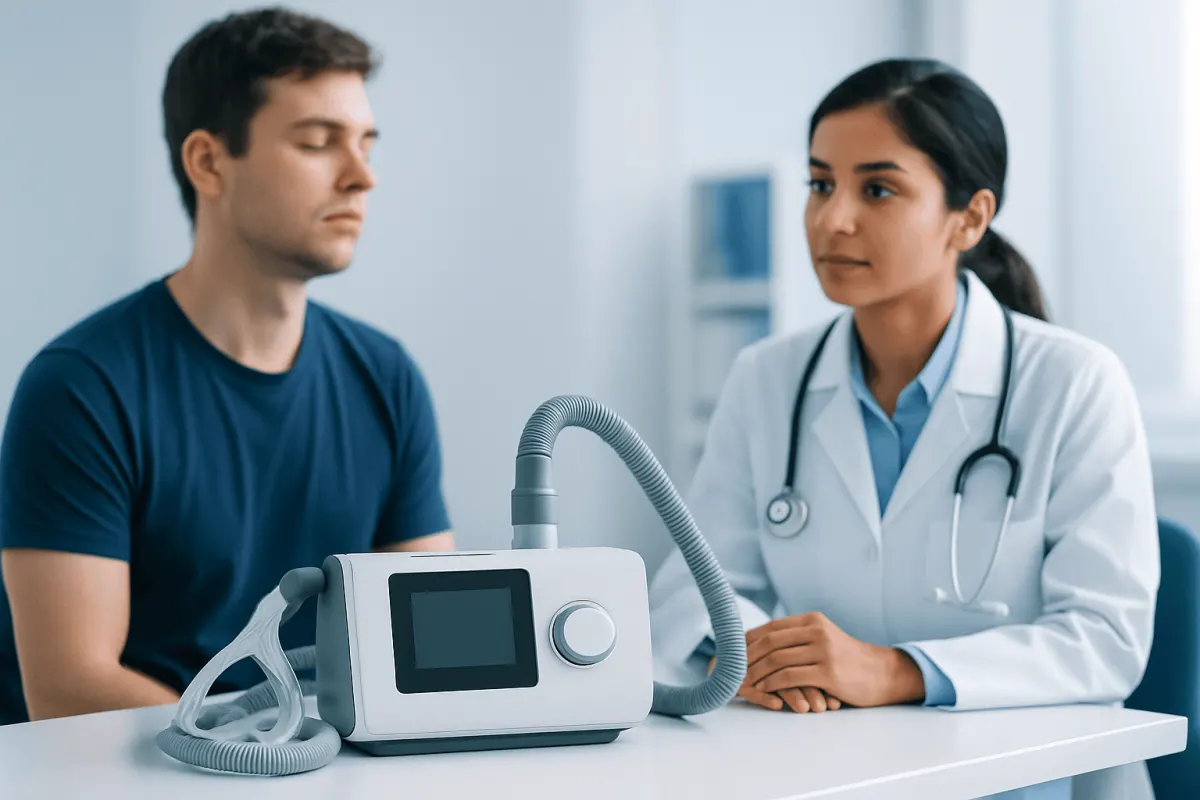
Non-surgical treatment is often the appropriate starting point. Losing weight gradually when advised, avoiding alcohol near bedtime, treating nasal allergies, stopping smoking, and sleeping on the side may lessen snoring for some people. A custom mandibular advancement device, fitted and monitored by a qualified dental professional, may help by bringing the lower jaw and tongue forward. For obstructive sleep apnea, continuous positive airway pressure, known as CPAP, is a well-established treatment that keeps the airway open while it is being used.
Over-the-counter products may offer temporary relief in selected situations, but they do not correct every cause. Nasal strips can help if nasal valve narrowing is a factor, while topical decongestant sprays should only be used as directed because prolonged use can worsen congestion. A clinician can help a person avoid ineffective products and decide whether stop snoring procedures are likely to offer an advantage over non-surgical care.
Stop Snoring Procedures: Choosing an Appropriate Option

Stop snoring surgery is not a single operation. The right option depends on whether the main blockage is in the nose, behind the palate, around enlarged tonsils, at the tongue base, or at more than one level of the airway. Surgeons may use examination findings, sleep-study results, and sometimes additional airway assessment to determine which treatment has a reasonable chance of helping.
For nasal obstruction, septoplasty or reduction of enlarged nasal turbinates may improve nasal airflow. Tonsil removal can be helpful when enlarged tonsils substantially narrow the throat. Palate procedures, including selected forms of palatoplasty or uvulopalatopharyngoplasty, reshape or stiffen tissues that vibrate or obstruct airflow. Radiofrequency treatment may be used in selected cases to reduce tissue volume in the palate or tongue region.
When moderate or severe obstructive sleep apnea is present, treatment may need to address more than snoring. Selected patients may be evaluated for multi-level airway surgery, jaw advancement surgery, or hypoglossal nerve stimulation, depending on their anatomy and sleep-study findings. Every procedure has potential risks, including bleeding, infection, pain, swallowing changes, persistent snoring, or the need for further treatment, so decisions should follow a careful discussion of expected benefits and alternatives.
How Painful Is Snoring Surgery Recovery?
Snoring Ankle Surgery Recovery: When Can You Bear Weight?" class="ahp-ilk">surgery recovery can range from mildly uncomfortable to quite painful, largely depending on the area treated. Nasal procedures often cause congestion, pressure, and drainage for several days, whereas throat, palate, or tonsil procedures can cause more noticeable pain when swallowing. In adults, throat discomfort commonly affects eating and drinking for one to two weeks and may sometimes last longer.
The surgical team provides individualized instructions about pain relief, hydration, food choices, activity, and follow-up visits. People recovering from palate or throat surgery are often advised to prioritize fluids and choose foods that are easy to swallow while healing. Rest is useful, but following the surgeon’s guidance on safe activity and returning to normal routines is equally important.
Most recovery symptoms improve steadily, but people should contact their surgical team promptly if they have significant bleeding, worsening breathing difficulty, cannot keep fluids down, show signs of dehydration, or develop symptoms that concern them. Any sudden or heavy bleeding or serious difficulty breathing requires urgent medical attention. Attending follow-up appointments helps the team check healing and determine whether further sleep assessment is needed.
Does Surgery to Stop Snoring Work?
Surgery to stop snoring can work for carefully selected people, particularly when a clear anatomical cause is found. However, results vary by procedure, airway anatomy, body weight, sleep position, and whether obstructive sleep apnea is present. A meaningful result may mean less frequent or quieter snoring, improved sleep for a bed partner, better airflow, or a reduction in sleep apnea events confirmed by testing.
A procedure that improves nasal breathing may make CPAP or an oral appliance easier to use but may not cure sleep apnea on its own. Similarly, palate surgery may help when the palate is the primary source of vibration, yet it cannot always treat obstruction occurring lower in the throat. For this reason, treatment success should be assessed using symptoms, clinical follow-up, and repeat sleep testing when sleep apnea was diagnosed or suspected.
Stop snoring surgery reviews can provide useful personal perspectives about recovery and communication with a care team, but they cannot predict an individual’s outcome. Online reviews often do not include details such as the person’s sleep-study results, exact procedure, weight changes, or other medical conditions. A surgeon should explain the likely purpose of a procedure, realistic limitations, and how success will be evaluated before treatment is chosen.
How Long Does It Take the Brain to Recover From Sleep Apnea?
There is no single timetable for the brain to recover from sleep apnea. Untreated sleep apnea can affect alertness, attention, memory, mood, and daytime functioning through repeated sleep disruption and changes in oxygen levels. The extent of these effects and the degree of improvement after treatment differ considerably between individuals.
When sleep apnea is effectively treated, many people notice improved daytime alertness and sleep quality within days or weeks. Concentration, mood, and other cognitive symptoms may improve more gradually over weeks to months, particularly when treatment is used consistently and sleep duration is adequate. Research on longer-term brain changes is still evolving, and it is not possible to promise that every change will fully reverse.
Reducing snoring does not always mean sleep apnea has been fully treated. After surgery or another intervention, a clinician may recommend follow-up testing to confirm that breathing interruptions are controlled. Persistent memory problems, severe fatigue, low mood, or difficulty functioning should be discussed with a healthcare professional, as these symptoms can have causes beyond sleep apnea.
What Permanently Stops Snoring?
There is no one treatment that permanently stops snoring for everyone. The most durable approach is correcting the specific cause where possible, such as treating significant nasal obstruction, removing markedly enlarged tonsils when appropriate, managing allergies, or addressing obstructive sleep apnea. Even then, results can change over time as weight, health, sleep position, nasal symptoms, and airway tissues change.
Some treatments control snoring rather than permanently curing it. For example, CPAP can prevent snoring and breathing obstruction when it is worn, and an oral appliance can help while it is used. Lifestyle measures can remain effective over the long term when they are sustainable, especially side sleeping, avoiding alcohol close to bedtime, and maintaining a weight that supports overall health when weight is a contributing factor.
A procedure may offer lasting improvement if it corrects an important structural problem, but no operation can guarantee permanent silence during sleep. The most useful goal is safe, restorative sleep and effective treatment of any underlying sleep apnea, rather than relying only on the volume of snoring. Ongoing review is sensible if snoring returns or new symptoms develop.
When to Seek Medical Care
A medical assessment is advisable for loud, frequent snoring that disrupts sleep or affects daytime wellbeing. It is particularly important to arrange an appointment for witnessed breathing pauses, gasping during sleep, excessive daytime sleepiness, morning headaches, trouble concentrating, high blood pressure, or a known heart or metabolic condition. Children with regular snoring, breathing pauses, restless sleep, or daytime behavioral or learning concerns should also be assessed by a pediatric clinician.
Emergency care is appropriate for severe or ongoing difficulty breathing, chest pain, fainting, or other sudden serious symptoms. Otherwise, a primary care clinician, sleep specialist, or ear, nose, and throat specialist can guide the next steps and determine whether a sleep study is needed. People should not stop prescribed sedating medicines on their own, but can ask their prescriber whether a medicine may be affecting sleep or breathing.
For international patients, Acıbadem Health Point’s multidisciplinary specialists and JCI-accredited hospitals can assess snoring and sleep apnea and discuss appropriate medical, dental, and surgical options based on individual findings. A clear diagnosis and a shared treatment plan support safer decisions than choosing a procedure based on snoring alone.
Frequently asked questions
01Can lifestyle changes help someone stop snoring?
They can help when snoring is linked to sleep position, alcohol use near bedtime, smoking, nasal congestion, or excess weight. Side sleeping and treating allergies may reduce airway narrowing for some people. Lifestyle measures may not be enough when obstructive sleep apnea or a major anatomical blockage is present.
02Do nasal strips or decongestant sprays stop snoring?
Nasal strips may reduce snoring when the main issue is narrowing at the front of the nose. They are less likely to help when vibration or obstruction occurs in the throat. Decongestant sprays can provide short-term relief for congestion but should only be used as directed because overuse can cause rebound congestion.
03Does CPAP stop snoring?
CPAP often greatly reduces or stops snoring while it is used because it delivers gentle air pressure to keep the airway open. It is a standard treatment for many people with obstructive sleep apnea. The equipment and settings should be selected and monitored by a sleep-care professional.
04Is a sleep study necessary before snoring surgery?
A sleep study is commonly recommended when symptoms suggest obstructive sleep apnea, such as breathing pauses, gasping, or daytime sleepiness. It helps measure the severity and pattern of breathing disruption and can influence which treatment is safest and most appropriate. Not every person with simple snoring needs testing, but a clinician should make that decision after an assessment.
05Can an oral appliance help with snoring?
A custom mandibular advancement device may reduce snoring by moving the lower jaw and tongue forward during sleep. It can also be an option for selected people with mild to moderate obstructive sleep apnea. Proper fitting and follow-up by a clinician experienced in dental sleep medicine are important to protect teeth, jaw comfort, and bite alignment.
06How should people interpret stop snoring surgery reviews?
Reviews can help people understand practical experiences, such as recovery routines and questions to ask a surgeon. They do not show whether a procedure is suitable for another person because the cause and severity of snoring differ widely. Clinical evaluation, sleep-study findings when indicated, and a balanced discussion of risks and alternatives should guide the decision.
This article is for general information only and is not a substitute for professional medical advice. Please consult a qualified doctor about your individual situation.
Medical weight-loss options in Turkey — costs & eligibility
JCI-accredited · board-certified surgeons · reply within 24h
Add us as a Preferred Source to see more of our trusted health content across Google Search, AI Overviews and Discover.