How Can I Stop Piles Bleeding? Causes, Explanations, and Next Steps
Mild bleeding from piles is common and is often caused by irritation of swollen hemorrhoids during bowel movements. It can often improve with simple self-care, but ongoing, heavy, or unexplained rectal bleeding should always be checked by a doctor.
Overview: How can piles bleeding be stopped?
If a person is asking, “how can i stop piles bleeding,” the reassuring answer is that small amounts of bleeding from piles are often not dangerous and may settle when the underlying irritation is reduced. In many cases, the bleeding happens because swollen hemorrhoids are rubbed by hard stool or strained during a bowel movement.
The most useful immediate steps are to avoid straining, treat constipation, drink enough fluids, increase fiber gradually, and use warm sitz baths to calm the area. Over-the-counter creams or suppositories may help some people with discomfort, but they do not replace medical advice if bleeding continues.
It is also important to remember that not every episode of rectal bleeding is caused by hemorrhoids. Bright red blood on toilet paper or in the toilet can come from piles, but bleeding may also be linked to an anal fissure, inflammation, polyps, or other bowel conditions. That is why persistent, repeated, or unexplained bleeding should not be assumed to be harmless.
A careful medical review helps confirm whether the bleeding truly comes from hemorrhoids and whether treatment is needed. This article explains why piles bleed, what can be done at home, what warning signs matter, and what a doctor may do next.
Why piles bleed
Piles, also called hemorrhoids, are swollen blood vessels in or around the lower rectum and anus. They can be internal, forming inside the rectum, or external, forming under the skin around the anus. Bleeding is more often linked with internal hemorrhoids, especially during or just after passing stool.
When stool is hard, dry, or difficult to pass, the pressure and friction can irritate these fragile veins. This may cause a small amount of bright red blood on the stool, on toilet paper, or in the toilet bowl. The bleeding is usually mild, but even a small amount can look alarming.
Piles may also bleed after repeated diarrhea, long periods of sitting on the toilet, heavy lifting, pregnancy, or anything else that increases pressure in the pelvic and rectal veins. In some people, itching and rubbing the area can worsen irritation and trigger spotting.
Because the anal area contains sensitive tissue, other conditions can cause similar symptoms. An anal fissure, for example, can cause sharp pain and bright red bleeding. More rarely, bleeding may be due to inflammatory bowel disease, diverticular disease, polyps, or colorectal cancer, so it is important not to self-diagnose if symptoms do not clearly improve.
Common symptoms and what bleeding looks like

Bleeding from piles is often described as bright red blood seen after a bowel movement. A person may notice streaks on the stool, spotting on toilet paper, or a few drops in the toilet. This bleeding is usually separate from the stool rather than mixed deeply into it.
Other hemorrhoid symptoms can include itching, irritation, a feeling of fullness in the anal area, mucus leakage, or a lump near the anus. External hemorrhoids may become painful if a clot forms inside them, while internal hemorrhoids may bleed without causing much pain.
Symptoms vary depending on the type of hemorrhoid. Internal hemorrhoids may prolapse, meaning they bulge outside the anus during bowel movements and then slip back in or need to be gently pushed back. External hemorrhoids are easier to feel and may be tender, especially when inflamed.
Bleeding should not automatically be blamed on piles if there are additional warning signs. Dark or black stools, bleeding mixed through the stool, unexplained abdominal pain, weight loss, anemia, fever, or a recent change in bowel habits suggest the need for a proper medical assessment rather than self-treatment alone.
What to do at home to reduce piles bleeding
The main goal is to reduce pressure and irritation in the rectal area so the hemorrhoid can settle. For many people, the most effective measure is to make stools softer and easier to pass. This can be supported by gradually increasing fiber from foods such as vegetables, fruit, beans, oats, and whole grains, along with adequate water intake.
Warm sitz baths for 10 to 15 minutes can soothe the area after bowel movements or when symptoms flare. Good toilet habits also help: going when the urge appears, avoiding long periods sitting on the toilet, and not straining. Gentle cleaning with water or unscented wipes may be less irritating than dry toilet paper.
Some people benefit from short-term use of pharmacy treatments such as creams, ointments, suppositories, or stool-softening products, depending on the advice of a pharmacist or doctor. These measures may ease swelling, itching, and discomfort, but ongoing bleeding still needs medical review, particularly in older adults or anyone with risk factors for bowel disease.
- Increase fiber gradually to avoid bloating.
- Drink enough fluid unless a doctor has advised restriction.
- Avoid heavy straining and prolonged toilet sitting.
- Use warm baths to relieve irritation.
- Seek advice before using repeated courses of hemorrhoid medicines.
Causes, triggers, and risk factors
Piles tend to bleed when pressure in the veins of the lower rectum rises or when the tissue is repeatedly irritated. Constipation is one of the most common triggers because hard stools and straining directly injure the swollen veins. Chronic diarrhea can also irritate the area and lead to bleeding.
Pregnancy is another common factor because hormonal changes and pressure from the growing uterus affect pelvic veins and bowel habits. Aging can weaken supportive tissues, making hemorrhoids more likely. Sitting for long periods, low-fiber diets, obesity, and repeated heavy lifting may also contribute.
Some people have conditions that make any bleeding more important to assess. For example, those taking blood-thinning medicines may notice more persistent bleeding. People with inflammatory bowel disease, a personal or family history of colorectal polyps or cancer, or previous anorectal problems may need earlier evaluation.
There can also be overlap with other digestive conditions. Symptoms that seem like piles may at times be related to anal fissure or another lower bowel issue. This is one reason why recurrent rectal bleeding should be assessed based on the full symptom picture, not only the presence of discomfort near the anus.
How doctors find the cause
Medical assessment usually begins with questions about the bleeding pattern, stool habits, pain, constipation, medications, and any family history of bowel disease. The doctor will often ask whether the blood is bright red or dark, whether it appears only with bowel movements, and whether there are symptoms such as weight loss, fatigue, or abdominal pain.
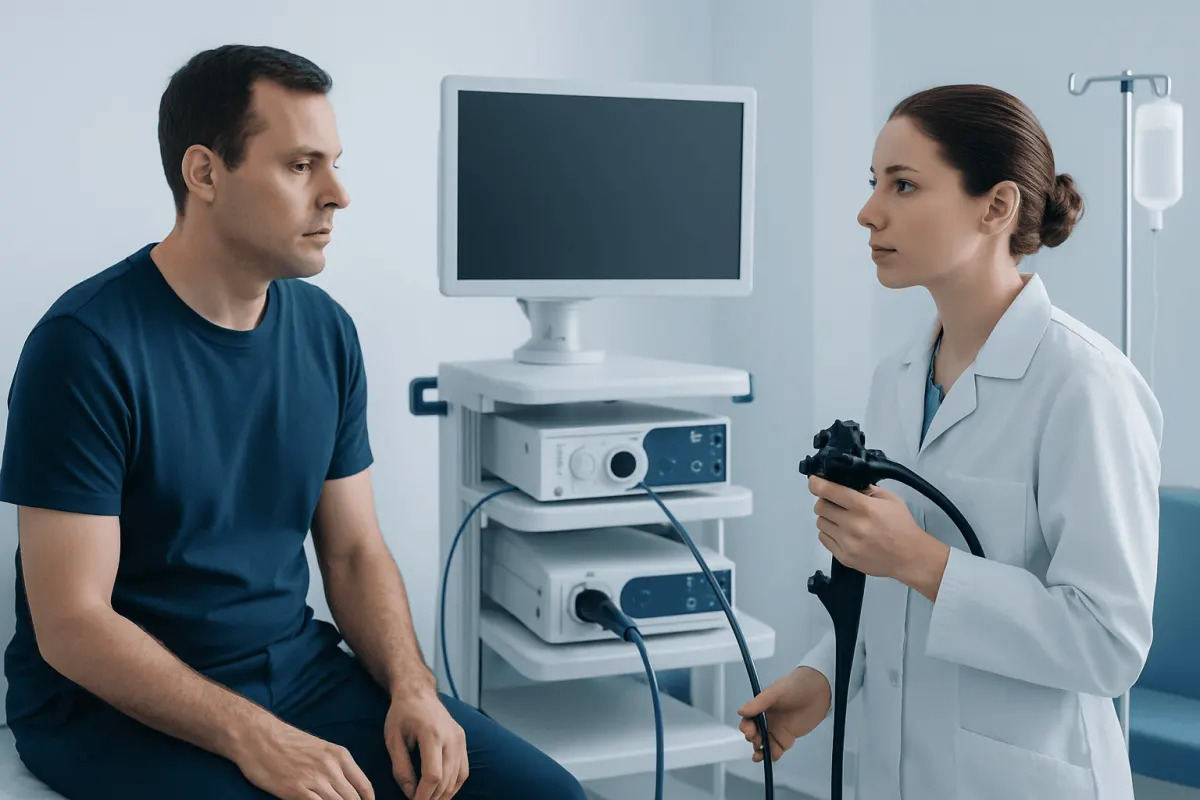
A physical examination may include inspecting the anal area and, when appropriate, a digital rectal examination. This helps identify external hemorrhoids, fissures, prolapse, tenderness, or signs of another cause. If internal hemorrhoids are suspected, a simple office procedure called anoscopy may be used to look just inside the anus and lower rectum.
Depending on the person’s age, symptoms, and risk factors, further tests may be recommended. These may include blood tests to look for anemia and a lower bowel evaluation such as sigmoidoscopy or colonoscopy to rule out other causes of rectal bleeding. The aim is not only to confirm piles but also to make sure a more significant condition is not being missed.
This step is especially important when bleeding is new, persistent, or accompanied by bowel habit changes. In some cases, doctors may also consider conditions such as colon cancer as part of a careful differential diagnosis, particularly in older adults or those with concerning symptoms.
Treatment options if bleeding keeps happening
If self-care does not control symptoms, medical treatment can address the hemorrhoids more directly. The best option depends on whether the hemorrhoids are internal or external, how much they bleed, whether they prolapse, and how much they affect daily life. Many people improve with office-based procedures rather than surgery.
Common minimally invasive options for internal hemorrhoids include procedures that reduce blood flow to the hemorrhoid or help scar the tissue into place. One commonly used method is rubber band ligation, which can be helpful for selected internal hemorrhoids that bleed or prolapse. Other treatments may be considered depending on the anatomy and the doctor’s assessment.
If symptoms are severe, recurrent, or not responding to simpler measures, surgery may be discussed. Surgical treatment is generally reserved for particular cases, such as large external hemorrhoids, significant prolapse, or ongoing bleeding despite other methods. A specialist can explain the potential benefits and recovery expectations in a personalized way.
Near the end of the care pathway, patients may wish to know where comprehensive evaluation is available. Acıbadem Health Point’s multidisciplinary specialists and JCI-accredited hospitals assess rectal bleeding and offer treatments ranging from conservative care to hemorrhoid surgery for suitable international patients.
When to seek medical care
Small amounts of bright red bleeding that clearly happen with constipation or straining may settle with self-care, but a doctor should review symptoms if bleeding keeps returning, lasts more than a short time, or the cause is uncertain. Medical advice is also important if the person is over a screening age for colorectal disease or has a family history of bowel cancer or polyps.
Urgent care is needed for heavy bleeding, weakness, fainting, dizziness, chest discomfort, or signs of significant blood loss. Black stools, maroon stools, severe abdominal pain, fever, or a painful swollen lump with worsening symptoms also deserve prompt assessment.
Even when hemorrhoids are already known, new or changing symptoms should not be ignored. A person should seek medical care if bleeding begins to happen more often, bowel habits change, stools become thinner, or weight loss and tiredness develop. These symptoms do not always mean something serious, but they should be assessed properly.
The key message is reassuring but practical: piles are a common reason for bright red rectal bleeding, and many cases improve with simple steps. Still, a confirmed diagnosis matters, because safe treatment depends on knowing exactly what is causing the bleeding.
Frequently asked questions
01How can I stop piles bleeding quickly?
The fastest helpful steps are usually to avoid straining, keep stools soft, drink enough fluids, and take warm sitz baths. If bleeding is mild and clearly linked to hemorrhoids, it may settle as irritation decreases. If it continues, becomes heavy, or the cause is uncertain, a doctor should assess it.
02Is bleeding from piles usually serious?
Small amounts of bright red blood from hemorrhoids are often not serious and commonly happen with constipation or straining. However, rectal bleeding should not always be assumed to be from piles. Persistent, recurrent, or unexplained bleeding needs medical review to rule out other causes.
03What color is hemorrhoid bleeding?
Hemorrhoid bleeding is usually bright red. It may appear on toilet paper, on the surface of stool, or as drops in the toilet after a bowel movement. Dark red or black stools are less typical for piles and should be assessed promptly.
04Can constipation make piles bleed more?
Yes. Hard stool and straining can irritate swollen hemorrhoids and make them bleed. Preventing constipation is one of the most important parts of reducing future bleeding episodes.
05Do I need a colonoscopy if I have bleeding piles?
Not everyone needs a colonoscopy, but some people do. A doctor decides based on age, symptoms, medical history, family history, and whether the bleeding pattern is clearly explained by hemorrhoids. The goal is to make sure another source of bleeding is not being missed.
06What should I avoid if my piles are bleeding?
It helps to avoid straining, sitting on the toilet for long periods, delaying bowel movements, and excessive wiping or rubbing. Heavy lifting may worsen pressure in some people. Managing bowel habits gently is usually more effective than forceful attempts to empty the bowels.
This article is for general information only and is not a substitute for professional medical advice. Please consult a qualified doctor about your individual situation.
Persistent digestive symptoms? Get evaluated in Turkey
JCI-accredited · board-certified surgeons · reply within 24h
Add us as a Preferred Source to see more of our trusted health content across Google Search, AI Overviews and Discover.
More from the Health Library
Do Antibiotics Cause Constipation? Here Is What the Evidence Says
Sore Back Under Ribs Right Side — Explained by Medical Evidence, Not Myths