Home Sperm Analysis Test Kits: Are Results Reliable?
Home sperm analysis test kits provide a private first look at certain semen measures, most commonly sperm concentration and sometimes motility. They can be useful for screening, but they do not replace a complete laboratory semen analysis when pregnancy has not occurred or a fertility concern is present.
Overview: What Home Sperm Analysis Test Kits Can Show
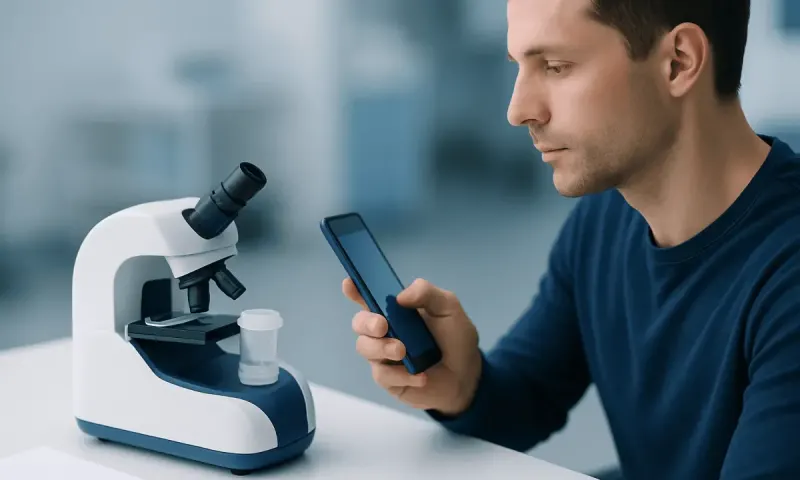
Home sperm analysis test kits are consumer tests designed to give information about semen and sperm outside a clinic. Depending on the product, a person may collect and test a sample at home, use an app-based device, or collect at home and mail the sample to a laboratory. The result may be available as a simple threshold result, a numerical estimate, or a laboratory report.
These tests most often assess sperm concentration, meaning the number of sperm in a measured amount of semen. Some also estimate sperm motility, which describes how well sperm move. A smaller number may report additional features, but many do not assess semen volume, sperm shape (morphology), vitality, white blood cells, or other factors that a laboratory may review during a full semen analysis.
A home test can be a convenient screening step for someone who wants initial information. It cannot determine whether someone is fertile or infertile. Pregnancy also depends on timing, sperm function, reproductive anatomy, hormonal health, egg quality, fallopian tube function, and other factors affecting either partner.
How the Test Procedure Works
Each kit has its own instructions, and these should be followed exactly. In many cases, the person is asked to avoid ejaculation for a specified period before collection, commonly two to seven days. This helps reduce variation caused by very recent ejaculation or a long period without ejaculation.
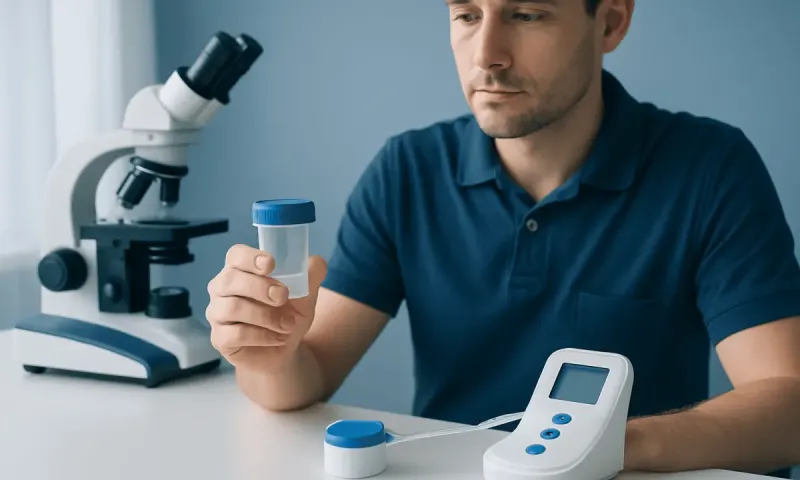
The sample is usually collected by masturbation into the clean, sterile container supplied with the kit. Lubricants, saliva, ordinary condoms, and non-sterile containers can affect a sample or interfere with testing unless a clinician or kit specifically advises otherwise. Hands should be washed and dried before collection, and the entire ejaculate should be collected where possible.
After collection, semen normally liquefies over a short period. The sample then needs to be tested or packaged within the time window stated by the manufacturer. Temperature, delays, incomplete collection, and incorrect handling can all influence a result, particularly when motility is being measured. A mailed kit may include specific packaging and dispatch instructions to protect the sample during transport.
There is no physical recovery period after providing a sperm sample. Most people can return to usual activities straight away. The practical next step is simply to record the result, note any collection issues, and discuss it with a clinician if it is abnormal, unclear, or inconsistent with concerns about fertility.
How long does it take to get results back from a sperm analysis?

The timing depends on the type of test. Some home sperm analysis test kits provide a result within minutes after the sample is prepared and placed in the test device. App-supported tests may also produce a result promptly once the image or video analysis is complete.
Mail-in home tests take longer because the sample must reach the laboratory and be processed. Results may be returned after the laboratory receives the sample, according to the provider’s stated turnaround time. A clinic-based semen analysis is often reviewed the same day or within several days, depending on local laboratory processes and whether specialist interpretation is needed.
Speed does not necessarily mean completeness. A rapid home result may only indicate whether sperm concentration is above or below a particular threshold. A laboratory semen analysis can provide a broader assessment and is more suitable when a couple has been trying to conceive without success or when there is a known reproductive health concern.
How accurate are at-home sperm analysis kits?
At-home kits can be reasonably accurate for the specific measure they were designed and validated to assess when they are used exactly as instructed. However, accuracy differs between products, and a result should be interpreted only within the limits of that particular kit. A kit that estimates sperm count cannot reliably provide information about motility, morphology, or sperm function if it does not test those features.
Home testing is also affected by sample collection and handling. Missing part of the sample, testing too soon or too late, failing to observe the abstinence guidance, recent fever, and temperature exposure may alter results. Semen parameters naturally vary between samples, so one test is a snapshot rather than a final conclusion.
Importantly, a result within a kit’s reference range does not guarantee fertility, and a low result does not by itself establish infertility. An unexpected or low result should be confirmed through a clinician and a formal semen analysis. Assessment may also include medical history, examination, hormone tests, imaging, or genetic testing when appropriate.
For people with ongoing concerns, evaluation for male infertility can identify potentially treatable factors and help both partners receive timely guidance.
Can my wife help with sperm samples?
Yes. A partner may help with sample collection if both people are comfortable and the collection method preserves the sample. Sexual stimulation by a partner is generally acceptable when the sample is collected directly into the designated sterile container and all instructions from the laboratory or kit are followed.
Intercourse is usually not suitable for collecting a routine semen sample because semen may be lost or contaminated. Ordinary condoms may contain substances that affect sperm, and transfer from a condom to a container can make the sample less reliable. A fertility clinic may provide a special collection condom for selected situations, but this should only be used with its specific instructions.
Communication and privacy can make collection easier. If collection at home is difficult, causes distress, or cannot be completed as instructed, a fertility clinic can explain alternatives and arrange a suitable collection plan. A clinician can also advise if a sample is needed for a particular procedure.
Why 2.5 days for sperm analysis?
A recommendation such as 2.5 days of abstinence is intended to standardize the sample before testing. Sperm concentration and semen volume may be lower after very frequent ejaculation, while a very long abstinence period may affect sperm movement and other characteristics. A consistent abstinence interval makes results easier to compare with laboratory reference standards and with future samples.
Many laboratories advise abstinence for roughly two to seven days, while some use a more specific target such as two to five days or around 2.5 days. The correct interval is the one given by the particular laboratory, clinician, or test manufacturer. It is best not to substitute general online advice for the instructions provided for that test.
If ejaculation occurs during the requested abstinence period, the person should tell the laboratory or follow the kit’s guidance about rescheduling. This does not mean there is a health problem; it simply helps avoid a result that may be difficult to interpret. The date and duration of abstinence should be recorded accurately whenever requested.
Understanding Results and Next Steps
Home test reports should be read carefully. Some report whether a result is above or below a stated concentration threshold, whereas others give an estimate of concentration or motility. Reference ranges describe values seen in fertile populations; they are not a sharp dividing line between fertility and infertility.
A single low or borderline result is often repeated because sperm production and semen quality can be influenced by illness, fever, stress, medications, smoking, heavy alcohol use, heat exposure, and normal biological variation. It takes around two to three months for sperm to develop, so changes in health or lifestyle may not be reflected immediately.
When a comprehensive assessment is needed, clinicians may recommend a laboratory semen analysis and consider possible causes such as a varicocele, hormonal conditions, prior infections, obstruction, or medication effects. Depending on the findings, options may include lifestyle support, treatment of an underlying condition, surgery in selected cases, or in vitro fertilization (IVF) treatment with or without other assisted reproductive techniques.
Acıbadem Health Point’s multidisciplinary fertility specialists and JCI-accredited hospitals assess fertility concerns and discuss appropriate diagnostic and treatment options for international patients.
When to Seek Medical Care
Medical advice is appropriate if a couple has not achieved pregnancy after 12 months of regular unprotected intercourse, or after six months when the female partner is aged 35 or older. Earlier assessment may be helpful when there is a known medical condition, a history of testicular surgery or undescended testes, prior chemotherapy or radiation therapy, erectile or ejaculation difficulties, or concerns about hormone health.
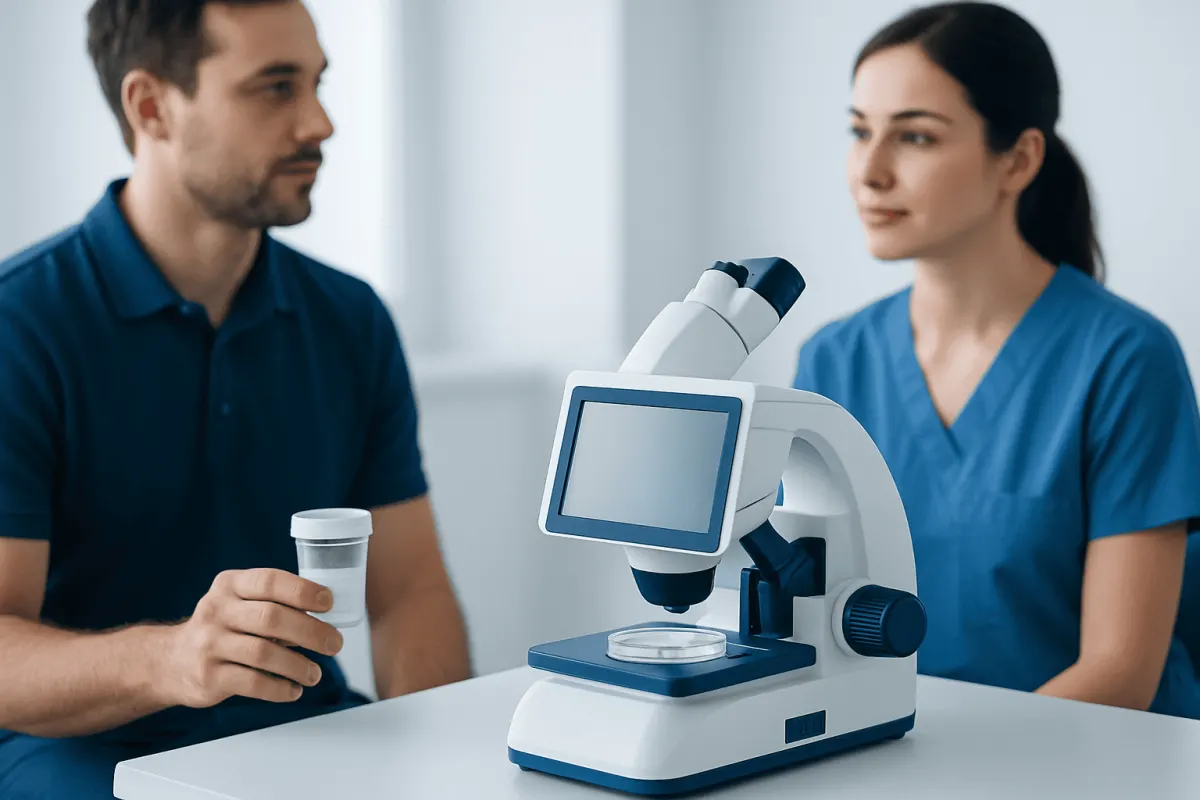
A person should also arrange a consultation after an abnormal home result, repeated borderline results, or a result that does not fit their situation. A clinician can explain what the test measured, arrange confirmation in an accredited laboratory, and assess both partners where appropriate. Testing both partners helps avoid unnecessary delays and assumptions.
Urgent medical assessment is important for sudden severe testicular pain, significant swelling, a new testicular lump, fever with genital pain, or blood in semen that persists or recurs. These symptoms do not necessarily indicate a serious problem, but they should not be evaluated through a home test alone.
Frequently asked questions
01Can a home sperm test tell if a man is infertile?
No. A home test may screen for sperm concentration and, with some products, motility, but infertility cannot be diagnosed from one home result. A full assessment considers repeat semen testing, medical history, examination, and fertility factors affecting both partners.
02What should be avoided before a home sperm test?
The person should follow the kit's abstinence instructions and avoid using lubricants, saliva, or an unsuitable container during collection. They should also report recent fever, illness, or collection problems, as these may affect interpretation. Instructions about testing time and sample temperature are especially important.
03Do home sperm analysis test kits test sperm motility?
Some do, but many only estimate sperm concentration or indicate whether it is above a specified threshold. The package information should state exactly which measures are tested. A laboratory semen analysis is needed for a more complete review of sperm movement, shape, volume, and other semen characteristics.
04Should an abnormal home sperm test be repeated?
Often, yes. Semen results can vary naturally and can be temporarily affected by illness, stress, recent ejaculation, and sample handling. A doctor may recommend repeating the test or arranging a formal laboratory semen analysis before drawing conclusions.
05Can the sperm sample be collected at home for a laboratory test?
Many laboratories allow home collection when the sample can be delivered within their specified timeframe and temperature conditions. Others request collection on site, especially when motility testing is required. The laboratory's own instructions should always take priority.
06Does a normal home sperm test mean pregnancy will happen?
No. A normal screening result is reassuring only for the limited measure tested and does not guarantee conception. Pregnancy depends on multiple sperm characteristics and reproductive factors in both partners, as well as timing and chance.
This article is for general information only and is not a substitute for professional medical advice. Please consult a qualified doctor about your individual situation.
IVF & fertility treatment in Turkey — success rates and costs
JCI-accredited · board-certified surgeons · reply within 24h
Add us as a Preferred Source to see more of our trusted health content across Google Search, AI Overviews and Discover.