Home Liposuction Machines: Can They Remove Fat?
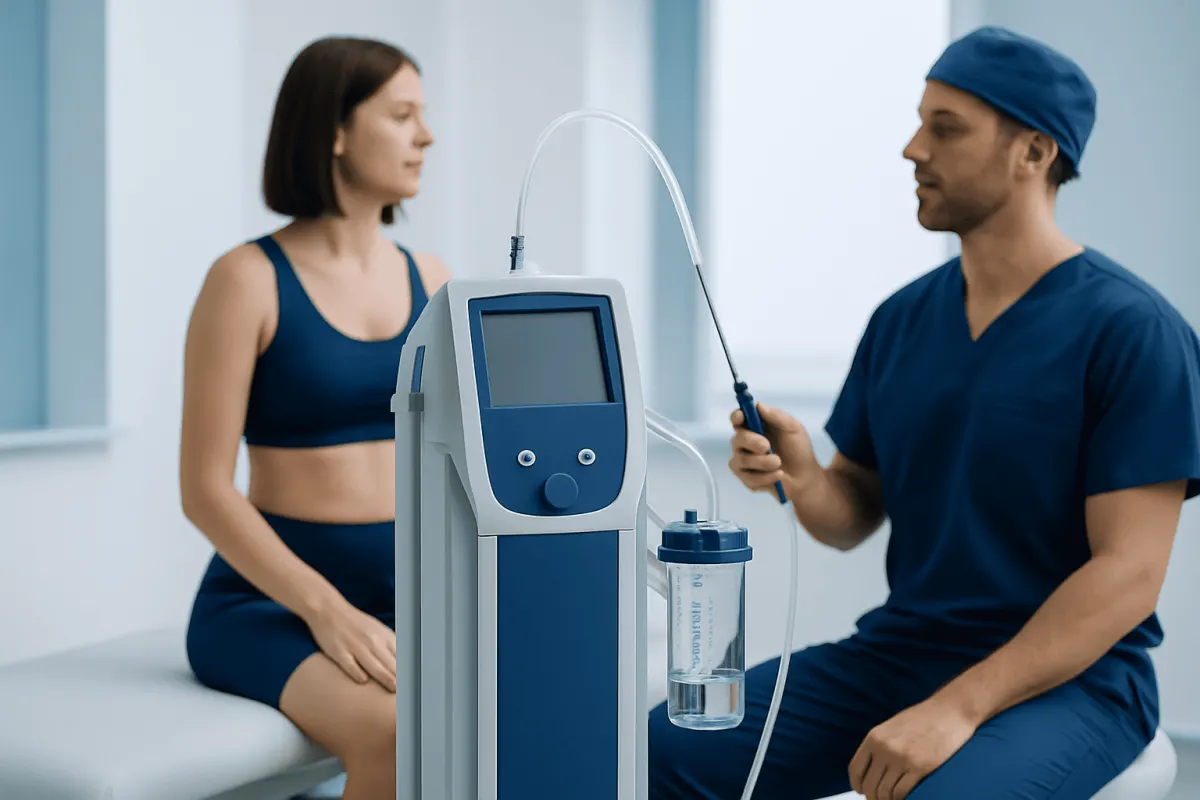
A home liposuction machine cannot perform liposuction or safely suction out body fat. Devices marketed for home use may provide massage, heat or low-level light, but they do not offer the contouring results of clinician-performed liposuction and should not replace a medical assessment.
Home liposuction machine: what it can and cannot do
A home liposuction machine cannot remove fat in the way that medical liposuction does. True liposuction is a surgical procedure performed by a trained surgeon in an appropriately equipped clinical setting. It involves small incisions, fluid infiltration when appropriate, and a sterile cannula connected to controlled suction. It requires careful planning, anesthesia considerations and follow-up care.
Products sold online under terms such as “home lipo machine” may use massage, suction, heat, ultrasound or low-level laser light. Some are intended to temporarily improve the appearance of skin or support massage, rather than permanently remove fat. Their claims can be broader than the available evidence, and safety standards may vary. A person should not attempt to insert any device beneath the skin, use strong suction on damaged skin, or treat an area that is painful, numb or inflamed.
For people seeking a more defined body contour, the safest first step is a consultation with a qualified plastic surgeon. The clinician can explain whether diet and activity changes, a non-surgical option, or liposuction surgery is appropriate for the person’s goals and health status.
How liposuction and Lipo 360 work
Liposuction is designed to reduce localized pockets of fat that remain despite stable weight, nutrition and regular activity. It is a body-contouring treatment, not a weight-loss procedure. During surgery, the clinician makes small, carefully placed incisions and uses a thin tube called a cannula to loosen and remove fat cells with suction.
“Lipo 360” is an informal term commonly used for liposuction around the full circumference of the torso. Depending on the surgical plan, this can include the upper and lower abdomen, waist, flanks and back. The exact areas, techniques and extent of treatment differ from one patient to another; therefore, the phrase does not describe one standardized operation.
Fat cells removed by liposuction are permanently removed from the treated area. However, remaining fat cells can enlarge if body weight increases. Lasting contour results are best supported by stable weight, balanced eating, regular movement and realistic expectations about normal skin texture and healing changes.
Who may be a candidate for professional treatment
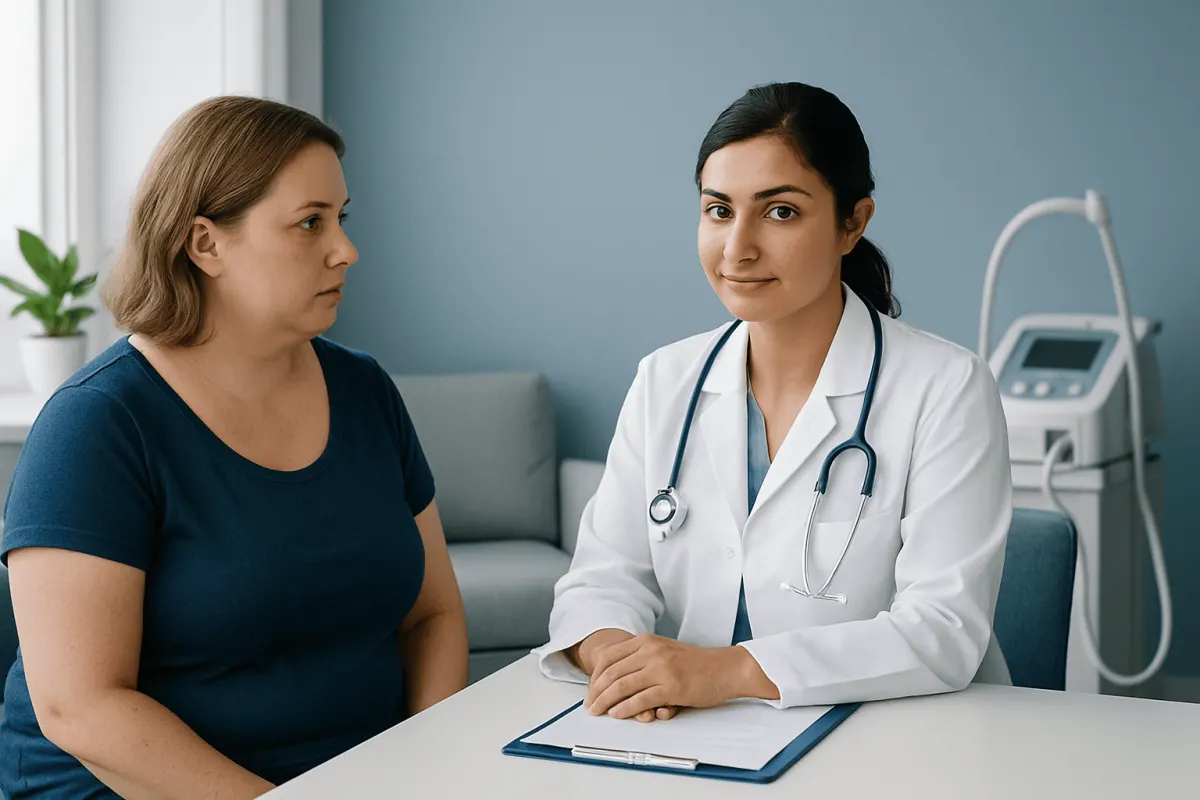
People considering liposuction are usually in generally good health, near a stable body weight and concerned about specific areas of disproportionate fat. Good skin elasticity may help the skin retract after fat removal, although age, genetics, pregnancy history and the volume treated all influence the final appearance. A consultation is needed to assess whether liposuction alone is likely to meet the person’s goals.
A surgeon reviews medical conditions, medications, prior operations, smoking or nicotine use, blood-clot risk and plans for pregnancy or major weight change. Certain health issues may require optimization before elective surgery, while others can make surgery unsuitable. People should be open about supplements and non-prescription medicines, as some can affect bleeding or anesthesia safety.
Liposuction does not treat obesity, loose skin, cellulite or muscle separation. When loose abdominal skin is a primary concern, a different procedure may be discussed. A tailored plan should focus on safety and proportion rather than pursuing a particular clothing size or scale number.
Step by step: what happens during liposuction
Before surgery, the surgeon discusses the treatment areas, expected contour changes, incision placement, anesthesia options and recovery arrangements. Preoperative photographs and body markings may be used for planning. The patient also receives instructions about fasting when relevant, medications, nicotine avoidance, garments and transportation home.
On the day of the procedure, the selected area is cleaned and prepared under sterile conditions. Anesthesia is provided according to the planned extent of treatment and the patient’s individual needs. The surgeon creates small incisions, introduces the cannula, and removes fat gradually and evenly while protecting the surrounding tissues.
After surgery, dressings and a compression garment are commonly applied to limit swelling and support healing. The patient is monitored before discharge if the procedure is outpatient. Follow-up visits allow the surgical team to assess incisions, swelling, comfort, mobility and the developing contour.
Recovery timeline, benefits and possible risks
Early recovery commonly includes swelling, bruising, tenderness, numbness, firmness and temporary fluid drainage from incision sites. These effects can improve gradually over weeks. Gentle walking is usually encouraged soon after surgery to support circulation, but strenuous exercise, heavy lifting and other activities are restarted only when the surgical team advises.
Many people see an initial change in contour once early swelling settles, but results continue to evolve for several months as tissues heal. Compression garments may be recommended for a defined period. Keeping follow-up appointments and following wound-care instructions are important parts of recovery.
Potential benefits include improved contour in selected areas and better fit of clothing. Possible complications include uneven contour, persistent swelling or numbness, fluid collections, bleeding, infection, unfavorable scarring, skin injury, anesthesia-related problems and blood clots. Rare but serious complications can occur, especially when large areas are treated or when surgery is performed in unsafe settings. Choosing an appropriately trained surgical team and following aftercare guidance help reduce, but cannot eliminate, risk.
- Do not use nicotine products during the period advised by the clinician, as nicotine can impair healing.
- Wear compression garments and take prescribed medicines only as instructed.
- Arrange practical help at home if movement, meals or childcare may be difficult in the first days.
Do at home laser lipo machines work?
At-home laser lipo machines do not provide the same result as surgical liposuction. Some devices use low-level light or heat and may be marketed for fat reduction, but the evidence for meaningful, durable body contouring from consumer devices is limited. They cannot selectively suction out fat cells, tighten substantially loose skin or produce the changes associated with a professionally planned operation.
Even a device cleared or marketed for cosmetic use may have specific limits, instructions and contraindications. It should never be used over broken skin, areas with reduced sensation, suspected hernias, implanted electronic devices unless cleared by a clinician, or during pregnancy without professional advice. Heat-based devices can cause burns, irritation or pigment changes, especially with prolonged or incorrect use.
A person considering a non-surgical approach should discuss options with a qualified clinician rather than relying on advertising claims. The most suitable choice depends on the area involved, skin quality, health history, budget, tolerance for downtime and the degree of change desired.
How to poop after lipo 360?
Constipation can occur after Lipo 360 because of anesthesia, prescription pain medicines, reduced movement, dehydration and changes in routine. The patient should follow the surgical team’s specific instructions, particularly if an abdominal procedure was performed at the same time. Straining should be avoided because it can be uncomfortable and may increase pressure on healing tissues.
In general, hydration, short gentle walks as approved, and fiber-containing foods can support regular bowel function. A clinician may recommend a stool softener or laxative based on the person’s health, medicines and recovery plan; patients should not start products without checking if they have kidney disease, bowel conditions or medication interactions.
Medical advice is important for severe or increasing abdominal pain, repeated vomiting, marked bloating, inability to pass gas, blood in stool, or constipation that does not improve with the plan provided by the surgical team. These symptoms should not be assumed to be a routine effect of surgery.
How many pounds does lipo 360 take off? Can a person work after three days?
Lipo 360 is not measured by pounds lost. The amount of fat that can be removed safely depends on the person’s body size, health, the treatment setting, anesthesia plan and the areas being treated. Surgeons prioritize safe fluid balance and an even contour rather than a target number on the scale. Weight may also fluctuate after surgery because swelling and fluid shifts are common.
Some people with desk-based work may feel ready to return after several days, but going back to work in three days after Lipo 360 is not appropriate for everyone. Pain, fatigue, drainage, swelling and restricted movement can make a longer recovery necessary. Jobs involving standing, driving, lifting, physical labor or long commutes often require additional time away or modified duties.
The operating surgeon is the best person to advise on return to work because they know the exact procedure and the patient’s recovery. A gradual return, with time for walking, hydration, garment care and follow-up, is often more comfortable than rushing back to a full schedule.
Frequently asked questions
01Can a home liposuction machine remove fat?
No. Consumer devices cannot perform surgical liposuction, which requires sterile technique, medical assessment, anesthesia planning and controlled removal of fat through a cannula. Devices marketed for home use may provide massage, suction, heat or light, but they do not safely remove fat cells in the way surgery does.
02Is Lipo 360 a weight-loss procedure?
No. Lipo 360 is a body-contouring approach that targets fat around the midsection, not a treatment for obesity or a substitute for long-term weight management. The aim is improved proportion and contour rather than a specific amount of weight loss.
03How long does swelling last after Lipo 360?
Swelling is expected and often improves gradually over weeks, while subtler changes can continue for several months. The length of recovery varies with the extent of surgery, the person’s health and adherence to aftercare instructions. A surgeon can provide individualized expectations at follow-up visits.
04Do at home laser lipo machines work?
At-home laser lipo machines do not create the same fat-removal or contouring effect as liposuction. Evidence for substantial and lasting fat reduction from consumer devices is limited, and misuse can cause skin irritation or burns. A qualified clinician can explain evidence-based options for a person’s goals.
05How many pounds does Lipo 360 take off?
There is no standard number of pounds removed during Lipo 360. Safe treatment is individualized and depends on clinical factors, not a target scale result. Swelling and fluid changes after surgery also mean body weight is not a reliable measure of contour improvement.
06Can a person go back to work three days after Lipo 360?
Some people with sedentary work may return in several days, but many need longer, especially after more extensive treatment. Physical jobs, driving, lifting and prolonged standing may require additional recovery time. The surgeon should provide the return-to-work recommendation based on the procedure and healing progress.
This article is for general information only and is not a substitute for professional medical advice. Please consult a qualified doctor about your individual situation.
Medical weight-loss options in Turkey — costs & eligibility
JCI-accredited · board-certified surgeons · reply within 24h
Add us as a Preferred Source to see more of our trusted health content across Google Search, AI Overviews and Discover.