Hip Therapy for Pain: How It Works, Results and What to Expect
Hip therapy for pain is an individualized plan that aims to reduce discomfort, improve mobility, and help a person return to everyday activities. It may include education, targeted exercise, hands-on rehabilitation, medication review, injections, or surgery when an underlying hip condition requires it.
Overview: What Hip Therapy for Pain Means
Hip therapy for pain is not one single procedure. It is a personalized approach that begins by identifying the likely source of pain and then selecting treatments that support comfort, movement, strength, and daily function. For many people, this starts with exercise-based rehabilitation and practical changes to reduce strain on the hip.
The hip is a large ball-and-socket joint supported by muscles, tendons, ligaments, cartilage, and nearby structures in the lower back and pelvis. Pain may arise from the joint itself, such as osteoarthritis, or from tissues around it, such as tendons or bursae. Pain felt in the hip can also be referred from the spine or, less commonly, from abdominal or pelvic conditions.
A suitable plan depends on the diagnosis, the person’s goals, symptom severity, general health, work and activity demands, and previous treatment. Some people improve with a focused rehabilitation program, while others may need medication, an image-guided injection, or assessment for hip surgery.
How Hip Therapy Works
The main purpose of hip therapy is to restore the hip’s ability to tolerate everyday movement. A rehabilitation professional may use carefully progressed exercises to improve strength in the gluteal, thigh, core, and hip muscles. Better muscle control can reduce excessive load on painful tissues and make walking, standing, climbing stairs, or getting up from a chair easier.
Therapy commonly combines movement training with education. A person may learn which positions or activities temporarily aggravate symptoms, how to pace activity, and how to modify work, exercise, or sleep habits without becoming unnecessarily inactive. Remaining as active as safely possible is often helpful, although the right level of activity differs from person to person.
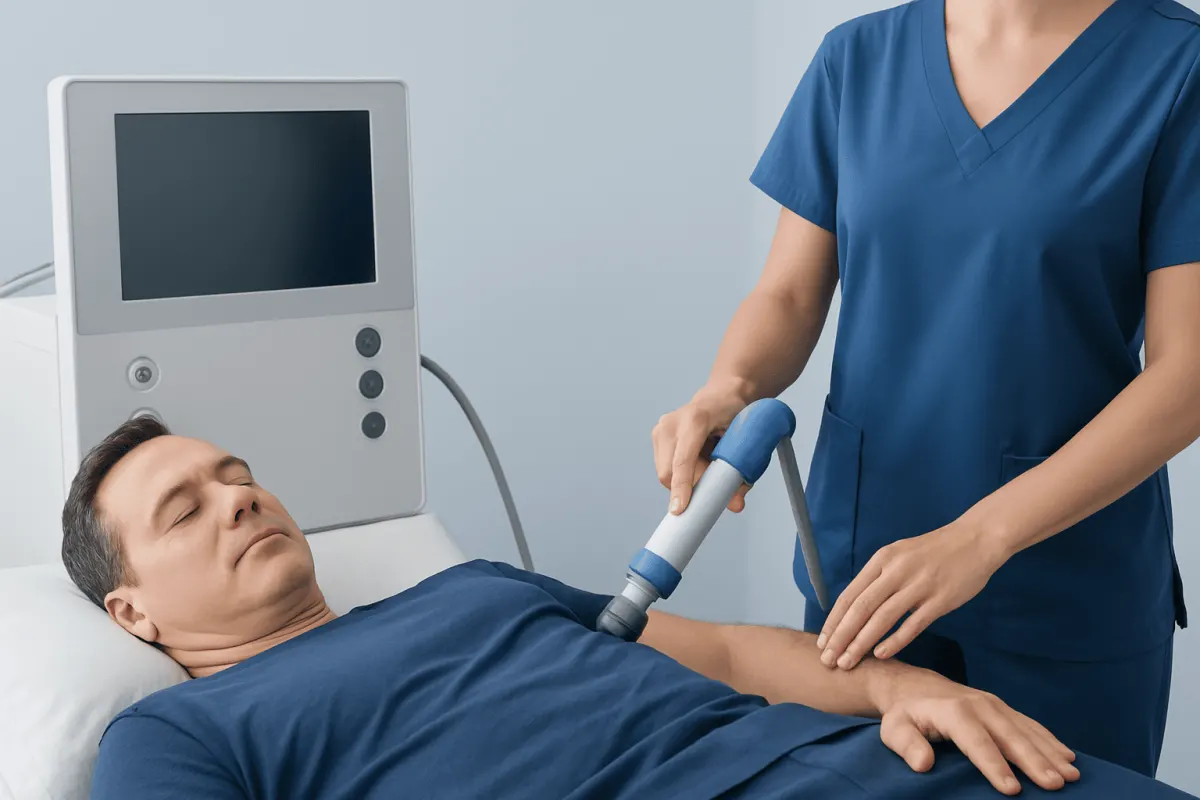
Hands-on techniques, heat or cold, and other physical modalities may sometimes be used to support short-term symptom relief. They are usually most useful when paired with an active rehabilitation program rather than used as the only treatment. If symptoms suggest a joint or tendon problem, clinicians may also consider Joint Replacement Options" class="ahp-ilk">hip osteoarthritis or another underlying condition during assessment.
Who May Benefit From Hip Therapy for Pain

Hip therapy may be appropriate for people with mild to moderate hip pain, stiffness, reduced balance, weakness, or difficulty with everyday movements. It is commonly recommended for osteoarthritis, recovery after a strain, some tendon-related pain conditions, and gradual return to activity after a period of reduced mobility.
A clinician will first consider whether rehabilitation is safe and likely to help. Important details include where the pain is felt, how it began, whether it is linked to injury, whether it occurs at rest or at night, and whether there are symptoms such as locking, instability, numbness, fever, or unexplained weight loss. A physical examination helps assess walking pattern, range of motion, strength, balance, and tenderness.
Not all hip pain should be managed independently with exercises. A fall, suspected fracture, severe limitation in weight-bearing, a possible joint infection, or a sudden change in symptoms needs timely medical evaluation. People with inflammatory arthritis, osteoporosis, cancer history, neurological conditions, or significant medical illness may also need a more coordinated care plan.
What to Expect Step by Step
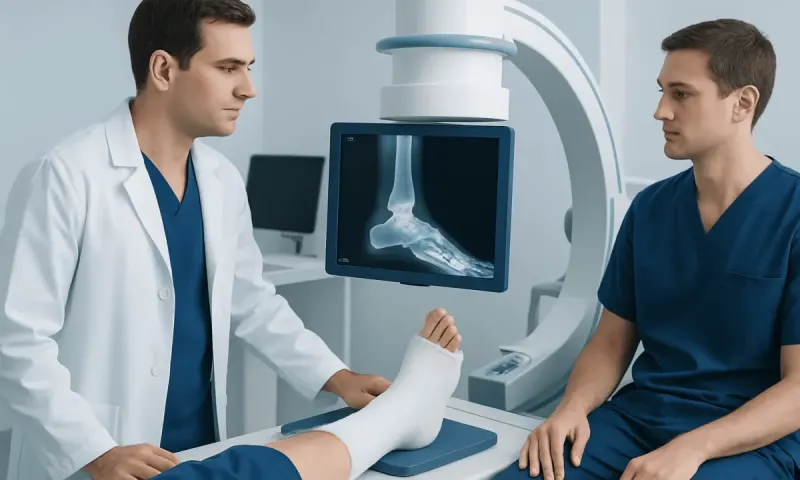
Assessment and goal setting: The first appointment typically includes a detailed history and physical assessment. The clinician and patient identify meaningful goals, such as sleeping more comfortably, walking farther, caring for family, returning to work, or resuming a preferred activity. Imaging is not always needed immediately, but X-rays, ultrasound, or MRI may be used when findings could change treatment decisions.
Individualized treatment plan: The plan usually begins with manageable movements and strengthening exercises. These may target hip flexibility, gluteal strength, thigh strength, balance, posture, and movement patterns. The difficulty is adjusted over time according to symptoms, function, and recovery rather than following a single fixed schedule.
Home program and follow-up: A home program is an important part of care because improvement depends on regular practice between appointments. Follow-up visits allow the therapist or doctor to monitor response, refine exercises, and discuss whether additional measures are appropriate. When pain remains disruptive despite a suitable trial of conservative treatment, hip Hip Replacement Surgery?" class="ahp-ilk">replacement surgery may be discussed for people with advanced joint damage and appropriate clinical findings.
- Exercises should feel challenging but generally should not cause severe or lasting worsening of pain.
- Progression is usually gradual, particularly after an injury or during a pain flare.
- Patients should report new symptoms, marked swelling, increasing weakness, or symptoms that do not settle after activity modification.
Expected Results, Benefits, and Recovery Timeline
Results from hip therapy for pain vary because the causes of hip pain vary. Some people notice early improvement in confidence, movement, or symptom control within a few weeks, while meaningful strength and endurance gains often take longer. Chronic conditions, such as osteoarthritis, may require ongoing self-management rather than a short course of treatment alone.
Potential benefits include less pain during movement, improved range of motion, stronger support around the hip, better balance, and greater ability to complete daily tasks. Therapy can also help people understand their symptoms and make informed choices about activity, weight management where relevant, walking aids, medication, injections, or surgery.
Recovery is rarely perfectly linear. It is common to have occasional symptom fluctuations as activity increases. A good plan uses these changes to guide pacing and exercise adjustments, rather than assuming every increase in discomfort means damage has occurred. If therapy is being used before or after surgery, the schedule and goals will be tailored to the procedure, surgical instructions, and the person’s overall health.
Other Treatment Options and Possible Risks
When rehabilitation alone is not enough, a doctor may discuss other options based on the diagnosis. These can include short-term pain-relieving medicines when medically suitable, anti-inflammatory medicines for selected people, walking aids, weight-management support, or injections. An injection may provide temporary pain relief for certain conditions, but it is not appropriate for every type of hip pain and should be part of a broader treatment plan.
Surgery may be considered for severe structural joint disease, some fractures, or other problems that do not respond adequately to non-surgical care. The decision is based on symptoms, imaging, examination findings, functional limitations, and the likely balance of benefits and risks. hip arthroscopy may be an option in selected cases involving specific joint problems, but it is not a routine treatment for all hip pain.
Conservative therapy is generally low risk when supervised and appropriately progressed. Temporary muscle soreness can occur when beginning or advancing exercises. Risks increase if a person continues activity through severe pain, uses unsuitable techniques, delays assessment of a serious condition, or takes medicines that are not safe for their medical history. A clinician can help select the safest approach.
Self-Care and When to Seek Medical Care
Supportive self-care can complement professional hip therapy. Useful measures may include keeping gently active within comfortable limits, breaking prolonged sitting into shorter periods, using supportive footwear, and gradually increasing walking or exercise as tolerated. Cold or heat may help some people with temporary comfort, depending on the cause and personal response.
It can be helpful to track which activities worsen or improve symptoms, but complete rest for long periods is usually not the goal unless specifically advised after an injury or procedure. A therapist can show safe ways to use a cane or other walking aid if needed and can adapt exercises around work, caregiving, sport, or travel demands.
When to seek medical care: Prompt assessment is important for severe hip pain after an injury, inability to stand or bear weight, visible deformity, a hot or swollen joint, fever, sudden worsening pain, new numbness or weakness, or pain accompanied by feeling generally unwell. Medical advice is also appropriate when hip pain persists, interferes with sleep or daily life, or does not improve with sensible activity changes.
Acıbadem Health Point’s multidisciplinary specialists and JCI-accredited hospitals can assess and treat hip conditions for international patients, coordinating orthopedic care, rehabilitation, imaging, and other services when needed.
Frequently asked questions
01What is the best hip therapy for pain?
The best hip therapy depends on the cause of the pain, its severity, and the person’s functional goals. For many people, a tailored program of education, activity modification, strengthening, mobility exercises, and gradual return to activity is an effective starting point. A medical assessment can determine whether medication, injection treatment, or surgery should also be considered.
02How long does hip physical therapy take to work?
Some people notice changes in comfort or movement within several weeks, but strength and functional improvements commonly build over a longer period. Recovery may take longer when pain has been present for many months, when osteoarthritis is advanced, or when there are other health conditions. Regularly completing the agreed home program is important.
03Should exercises be painful during hip therapy?
Mild effort-related discomfort or temporary muscle soreness can occur when starting new exercises. Severe, sharp, or worsening pain is not a goal, and symptoms that remain substantially worse after exercise should be discussed with the treating clinician. Exercises can usually be modified by changing range, resistance, frequency, or technique.
04Can hip therapy prevent hip replacement?
Therapy cannot reverse severe joint damage, but it may improve strength, mobility, and symptom management and can help some people delay or avoid surgery. For others with advanced osteoarthritis and major limitations, hip replacement may provide the most appropriate option after clinical evaluation. The decision should be individualized.
05When is hip pain an emergency?
Emergency assessment is needed after a significant injury with severe pain or inability to bear weight, particularly if a fracture is possible. A painful hip that is hot, swollen, and accompanied by fever or feeling unwell also needs urgent evaluation because infection must be excluded. Sudden new weakness or numbness should be assessed promptly.
06Can hip pain come from the lower back?
Yes. Nerves and structures in the lower back can refer pain to the buttock, outer hip, groin, or thigh, and hip problems can also affect the back through altered movement. A clinical examination helps distinguish likely sources and guides the most appropriate treatment plan.
This article is for general information only and is not a substitute for professional medical advice. Please consult a qualified doctor about your individual situation.
Joint and spine care in Turkey — expert assessment & treatment
JCI-accredited · board-certified surgeons · reply within 24h
Add us as a Preferred Source to see more of our trusted health content across Google Search, AI Overviews and Discover.