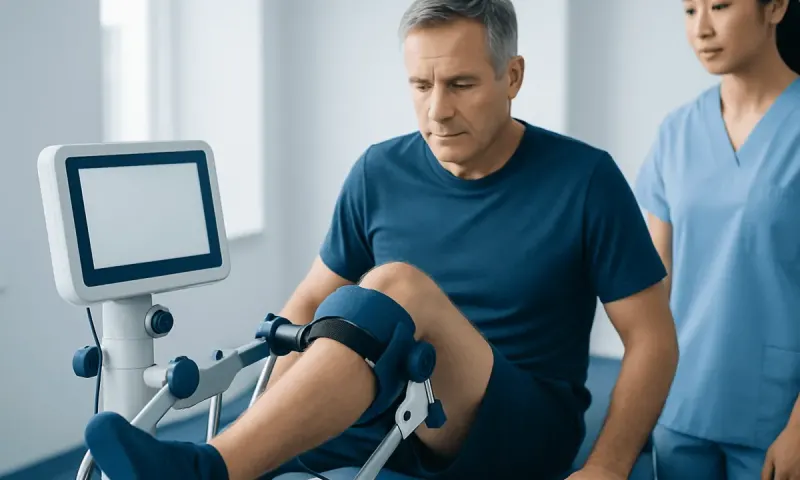
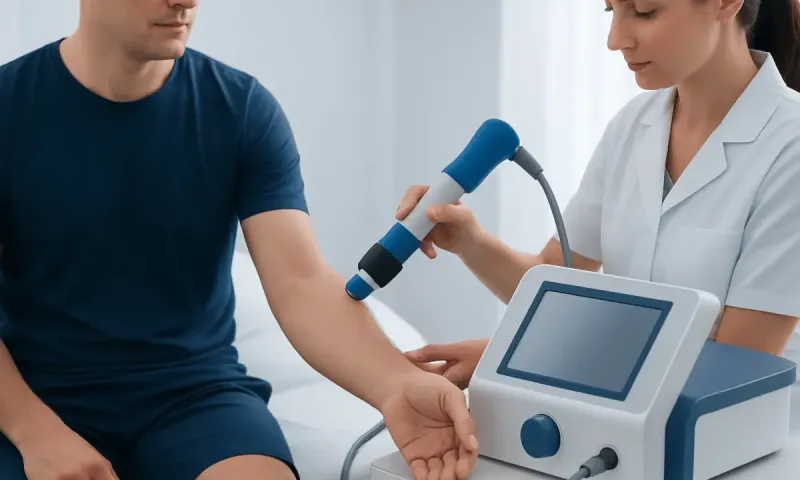
Hip Flexor Tear Rehab: An Evidence-Based Patient Guide
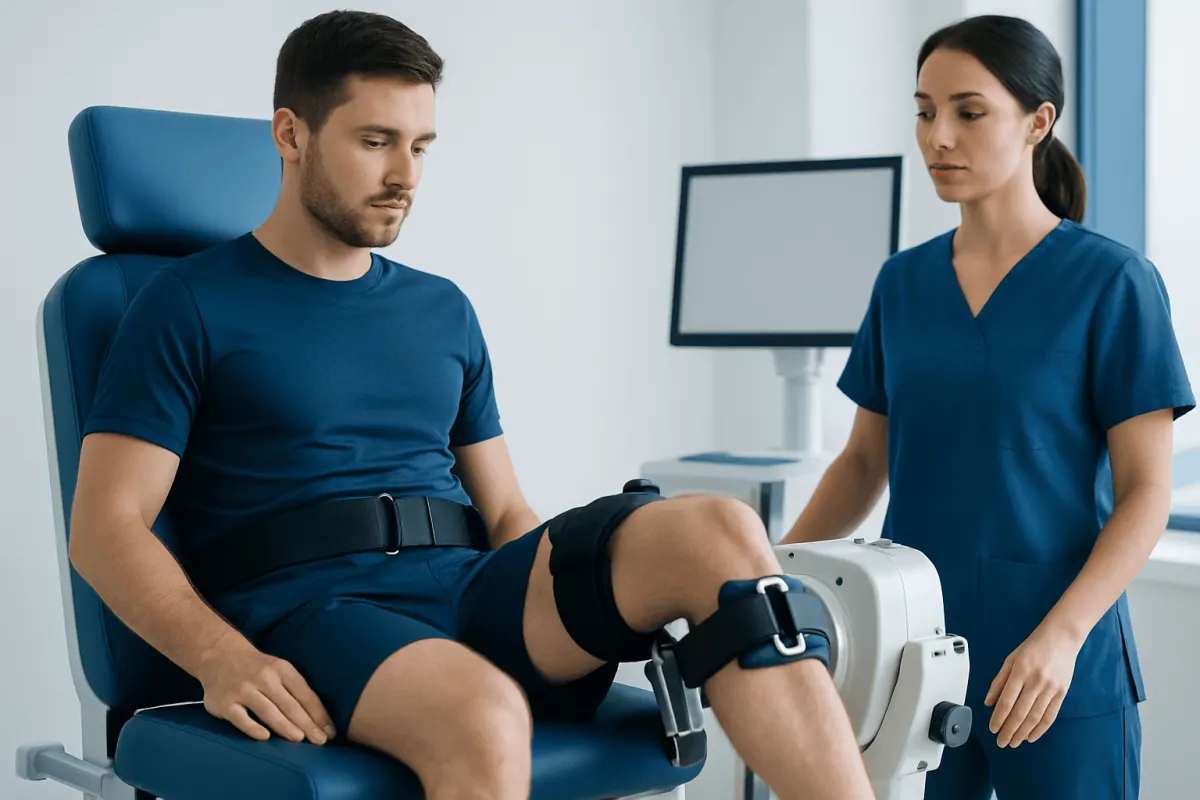
You felt something give at the front of your hip — maybe during a sprint, a kick, or just standing up from a chair — and now every step reminds you it’s there. What happens next matters.
Hip flexor tear rehab is a phased recovery plan. It starts by protecting the injured muscle or tendon, then works toward restoring your hip motion, strength, balance and the specific demands of your sport or job. How quickly you move through those phases isn’t fixed. It depends on where the tear is and how bad it is, what your symptoms are doing, what imaging shows, and how active you normally are.
Overview: What hip flexor tear rehab involves
Hip flexor tear rehab is a structured approach to recovering after injury to one of the muscles or tendons that lift the thigh toward the trunk. The iliopsoas and rectus femoris are commonly involved. Injuries range from a mild strain, in which muscle fibers are overstretched, to a partial tear or, less commonly, a complete tear from the bone or tendon.
Rehab is more than a handful of stretches. Early on, the aim is to calm the pain and protect healing tissue. After that comes movement, then muscle control, then strength and endurance — built up step by step. The last phase gets you ready for whatever you actually need to do: daily tasks, heavy work, running, kicking or anything else that loads the hip flexors.
Recovery time varies. A mild strain may improve over days to a few weeks, while a more significant partial tear can take several weeks or longer. Complete tears, tendon avulsions and injuries accompanied by other hip problems need specialist assessment and may have a different treatment pathway.
Recognizing a hip flexor tear and its likely severity
A hip flexor injury often causes pain at the front of the hip or upper thigh. It may begin suddenly during sprinting, kicking, lifting the knee forcefully or changing direction, or it may develop after repeated overload. Some people notice a pulling sensation or pop at the time of injury, followed by pain when walking, climbing stairs, getting up from a chair or lifting the leg.
Additional symptoms can include tenderness, swelling, bruising, stiffness, a limp and weakness when bringing the knee toward the chest. Pain may also be felt in the groin, although groin pain has several possible causes, including hip joint, abdominal and pelvic conditions. A careful assessment is therefore important when symptoms are persistent or severe.
Clinicians often describe muscle injuries by grade. Grade 1 injuries involve minor fiber damage and little loss of strength; grade 2 injuries are partial tears with more pain, bruising or weakness; and grade 3 injuries are complete tears. Symptoms alone cannot always establish the grade, particularly in deep muscles such as the iliopsoas.
Assessment, diagnosis and planning rehabilitation
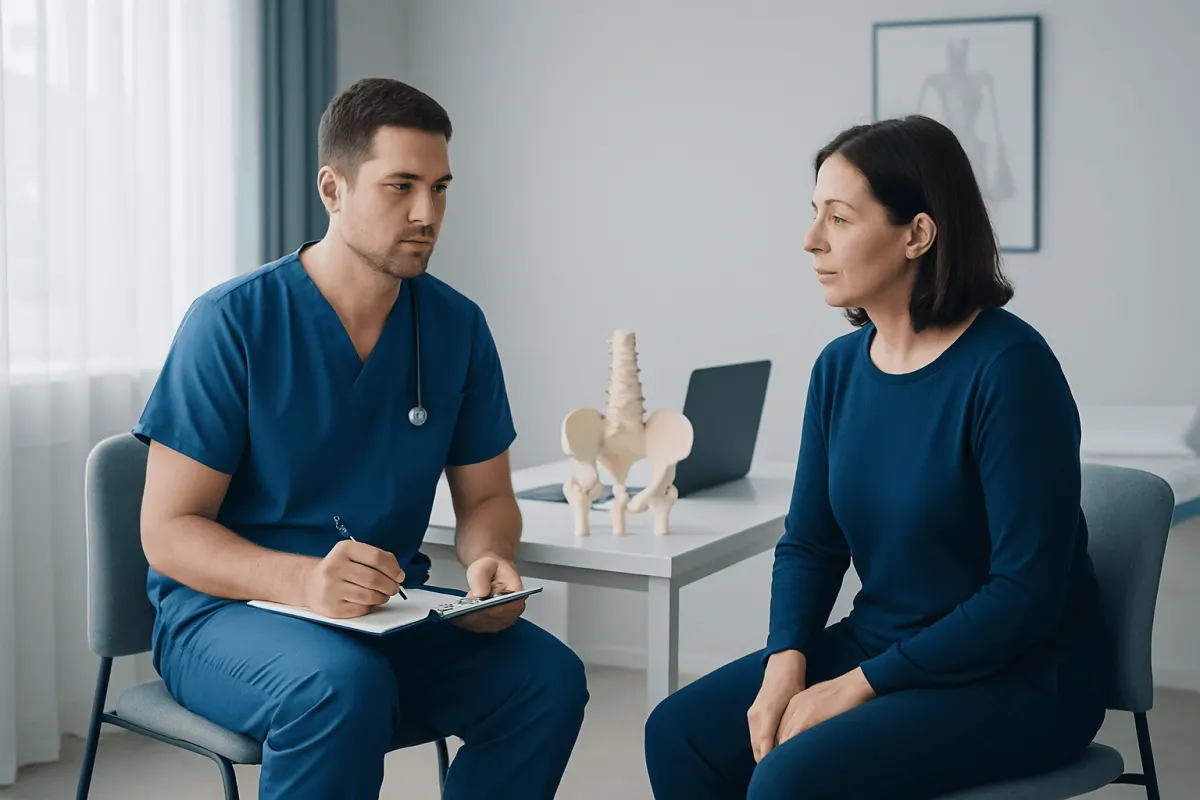
A doctor, sports medicine clinician or physiotherapist will ask how the injury happened, where symptoms are felt and which movements aggravate them. Examination may include observing walking, testing hip range of motion and gently assessing strength, tenderness and flexibility. The clinician will also consider conditions that can resemble a hip flexor injury, such as a hip joint injury, stress fracture, hernia or nerve-related pain.
Imaging is not necessary for every mild injury. However, ultrasound or magnetic resonance imaging may be useful when there is severe pain, substantial bruising, significant weakness, a suspected tendon injury, uncertainty about the diagnosis or limited improvement with appropriate care. Imaging can help locate the injury and guide decisions about rehabilitation or surgery.
A rehab plan should follow what you can do, not just what the calendar says. Before moving on, you should be able to finish your current exercises with good control — and without the pain flaring up later that day or the next morning. Your clinician will adjust things for your age, other medical conditions, past injuries and what your work or sport asks of you.
Phased hip flexor tear rehab exercises
In the early phase, relative rest helps reduce irritation while avoiding unnecessary immobility. This usually means temporarily reducing running, kicking, deep lunges, steep climbing and other movements that reproduce pain. Gentle, comfortable walking may be appropriate for some people. Ice or heat may provide short-term comfort for selected individuals, but neither replaces activity modification and progressive exercise.
When acute pain is settling, rehabilitation commonly begins with pain-limited hip movement and low-load muscle activation. Depending on the injury, a clinician may recommend gentle hip flexion and extension movements, pelvic control exercises, isometric contractions and core or gluteal activation. Exercises should feel manageable; sharp pain, a distinct pulling sensation or increasing limp are signs to stop and seek advice.
Later hip flexor tear rehab exercises may include controlled resisted hip flexion, bridges, squats within a comfortable range, step-ups, balance training and progressive strengthening of the gluteal muscles, quadriceps and trunk. Hip flexors work with the pelvis and surrounding muscles, so addressing only the painful area may not restore efficient movement. Stretching is introduced cautiously and should not force a painful range.
In the final phase, rehabilitation becomes specific to the person’s goals. A runner may progress through brisk walking, jogging, acceleration and hill work; a football player may add controlled kicking, cutting and sprinting. A printable hip flexor rehab exercises PDF or hip flexor rehab PDF can be useful as a reminder, but it should not replace an individualized assessment because exercise selection and progression differ between a mild strain and a significant tear.
Return to activity: how progression works
Everything comes back to loading the tissue gradually. Muscles and tendons need work to rebuild capacity — but push too hard too soon and the symptoms come straight back. A practical rule: change one thing at a time, whether that’s resistance, repetitions, range of motion, speed, distance or how often you train, then see how your hip responds over the next 24 hours.
Before returning to demanding activity, the person should usually have near-normal hip movement, no meaningful limp, minimal or no tenderness and strength that is close to the uninjured side for the tasks required. They should also be able to perform relevant movements, such as stair climbing, single-leg control, jogging or sport-specific drills, without pain or compensatory movement.
Going back to sport is a process, not a single day. You’ll usually restart training at lower intensity and volume, then add higher-speed drills, then full participation. If front-of-hip pain keeps coming back, it’s worth looking at recent training changes, footwear, technique, recovery habits and any weakness or stiffness elsewhere in the body that might be feeding the problem.
Treatment options, benefits and possible risks
Most hip flexor tears are managed without an operation. Benefits of conservative treatment include avoiding surgical risks while allowing the injury to heal through guided rehabilitation. A clinician may advise temporary activity modification, physiotherapy and symptom-relieving measures that are suitable for the individual’s health history. Pain medicine should be discussed with a qualified healthcare professional, particularly for people with kidney disease, stomach ulcers, heart disease, pregnancy or other medication use.
Surgery is uncommon but may be considered for selected complete tears, tendon avulsions, injuries with substantial loss of function or cases that do not respond to appropriate nonsurgical management. If a procedure is recommended, the specialist explains how it is performed, expected rehabilitation, alternatives and potential risks. These can include infection, bleeding, nerve or blood vessel injury, stiffness, ongoing weakness, scar-related symptoms and the possibility of reinjury.
After surgical repair, rehabilitation is typically more protective at first. The care team may limit particular hip movements or weight-bearing activities, then introduce supervised mobility, strengthening and functional training step by step. The benefits of surgery must be balanced against its recovery demands and risks, and the decision is individualized.
If you’re travelling for care, Acıbadem Health Point’s specialist teams and JCI-accredited hospitals assess and treat muscle, tendon and hip injuries for patients from abroad.
When to seek medical care
Prompt medical assessment is advisable after a sudden pop with severe front-of-hip or groin pain, inability to bear weight, marked weakness, extensive bruising, visible deformity or rapidly increasing swelling. These symptoms may indicate a more substantial muscle or tendon injury or another condition that needs timely evaluation.
Medical care is also important if pain follows a significant fall or collision, if there is fever or unexplained illness, or if numbness, tingling, loss of bladder or bowel control, leg discoloration or a cold foot occurs. These are not typical features of an uncomplicated muscle strain.
For less urgent symptoms, a clinician should be consulted when pain does not improve after a period of sensible activity modification, repeatedly returns during exercise, disrupts sleep or limits normal walking and daily activities. Early guidance can help confirm the diagnosis and create a safe plan for recovery.
Frequently asked questions
01How long does hip flexor tear rehab take?
Recovery depends on the degree of injury, the muscle or tendon involved and the activity demands of the individual. Mild injuries may settle within a few weeks, while partial or more complex tears can require a longer, progressive rehabilitation period. A clinician can provide a more reliable estimate after examination and, when needed, imaging.
02Should a person stretch a torn hip flexor?
Stretching is not usually the main focus immediately after a tear because forcing the muscle into length can increase pain and irritation. Gentle, pain-free movement may be introduced early when appropriate, with stretching added gradually as healing progresses. The right timing and range depend on the injury and should be guided by a clinician or physiotherapist.
03Can someone walk with a hip flexor tear?
Some people can walk with a mild tear, although they may limp or feel pain when lifting the leg. Walking should be reduced or modified if it causes sharp pain, worsening symptoms or an altered gait. Inability to bear weight or a pronounced limp warrants medical assessment.
04What exercises should be avoided during early recovery?
Activities that recreate sharp front-of-hip pain should be avoided initially. These commonly include sprinting, kicking, high-knee drills, deep lunges, aggressive stretching and heavy resisted hip-flexion work. Exercise should progress from comfortable, controlled movements to higher-load and higher-speed tasks.
05Is surgery needed for a hip flexor tear?
Most hip flexor tears do not require surgery and improve with a tailored nonsurgical rehabilitation plan. Surgery may be considered for selected complete tears, tendon avulsions or major functional loss. An orthopedic or sports medicine specialist can explain whether it is relevant in an individual case.
06Why does hip flexor pain return after exercise?
Recurring symptoms can occur when the injured tissue is loaded faster than it can adapt or when strength, pelvic control and activity-specific conditioning have not fully returned. Sudden increases in training volume, speed or intensity can also contribute. A review of rehabilitation progression and movement demands can help identify the cause.
This article is for general information only and is not a substitute for professional medical advice. Please consult a qualified doctor about your individual situation.
Joint and spine care in Turkey — expert assessment & treatment
JCI-accredited · board-certified surgeons · reply within 24h
Add us as a Preferred Source to see more of our trusted health content across Google Search, AI Overviews and Discover.