High Bilirubin: Causes, Symptoms and Treatment

Key Takeaways
- Bilirubin is a normal waste product processed by the liver and removed through bile.
- High bilirubin may be caused by liver conditions, bile duct blockage, blood breakdown, or inherited conditions.
- Yellowing of the skin or eyes, dark urine, and pale stools can occur, but some people have no symptoms.
- Diagnosis usually includes blood tests and sometimes imaging to look at the liver and bile ducts.
- Treatment depends on the cause and may range from observation to medicines, procedures, or specialist care.
High bilirubin is a lab finding that can point to a problem with how the body processes or clears bile pigment. In many cases, it is treatable once the underlying cause is identified, and the right next step is usually a focused medical evaluation rather than immediate alarm.
Overview
Bilirubin is a yellow substance made when the body breaks down old red blood cells. The liver normally filters it from the bloodstream and sends it out through bile, which eventually leaves the body in stool. When bilirubin builds up, a blood test may show a “high bilirubin” result.
That result is not a diagnosis by itself. It is a clue that helps clinicians look for the reason the body is making too much bilirubin, the liver is not processing it efficiently, or bile is not draining normally. In some people, this finding is temporary and mild; in others, it is the first sign of a liver, blood, or bile duct condition that deserves attention.
For international patients, the practical question is often not only “What does the number mean?” but also “What testing is needed next, and how urgent is it?” A careful evaluation usually clarifies whether the issue is straightforward, such as a benign inherited pattern, or whether it needs imaging, specialist review, or follow-up after travel.
Symptoms
Some people with high bilirubin notice no symptoms at all, especially when the elevation is mild. In other cases, the buildup becomes visible in the eyes or skin as a yellow tint called jaundice. This may be easier to notice in daylight or on the whites of the eyes.
Other signs can reflect how bilirubin is being handled by the body:
- Dark urine
- Pale or clay-colored stools
- Itching
- Fatigue
- Abdominal discomfort, especially on the right side
- Nausea or reduced appetite
Symptoms can vary depending on the cause. For example, a bile duct blockage often causes different concerns than a mild inherited bilirubin condition, and a person with a blood-related cause may have signs of anemia such as weakness or shortness of breath.
Because the appearance of jaundice can be subtle at first, people sometimes first hear about the problem from a routine blood test before any symptoms develop.
Causes & Risk Factors

High bilirubin can happen for several reasons, and the location of the problem matters. Broadly, the issue may be before the liver, within the liver, or after the liver as bile leaves the body.
Common causes include:
- Increased red blood cell breakdown (hemolysis), which produces more bilirubin than usual
- Liver inflammation or injury, including hepatitis, Liver Disease: Symptoms, Causes and Treatment" class="ahp-ilk">fatty liver disease, or alcohol-related liver disease
- Reduced bile flow from gallstones, strictures, or other bile duct obstruction
- Inherited conditions such as Gilbert syndrome, which can cause mild, intermittent elevations
- Medication effects in some cases, depending on the drug and the person’s overall health
Risk factors depend on the cause. A history of liver disease, gallstones, heavy alcohol use, recent illness, fasting, certain medications, or a family history of bilirubin-related conditions may raise the chance of an abnormal result. In newborns, bilirubin behavior is different from adults, and the evaluation follows pediatric guidance rather than adult patterns.
It is also worth noting that a single elevated value can sometimes appear after dehydration, fasting, or an intercurrent illness, which is why clinicians often review the full clinical picture instead of making decisions from one number alone.
Diagnosis
Diagnosis usually starts with a conversation about symptoms, medications, alcohol use, family history, and any recent illness or travel. A clinician may ask whether the bilirubin elevation was found on a routine panel or because of visible jaundice or other symptoms.
Blood tests are often the next step. These may include total bilirubin, direct and indirect bilirubin, liver enzymes, complete blood count, and tests that show how well the liver is working. The pattern of results can help narrow the cause. For instance, an isolated mild elevation may suggest a different pathway than bilirubin elevation together with high liver enzymes.
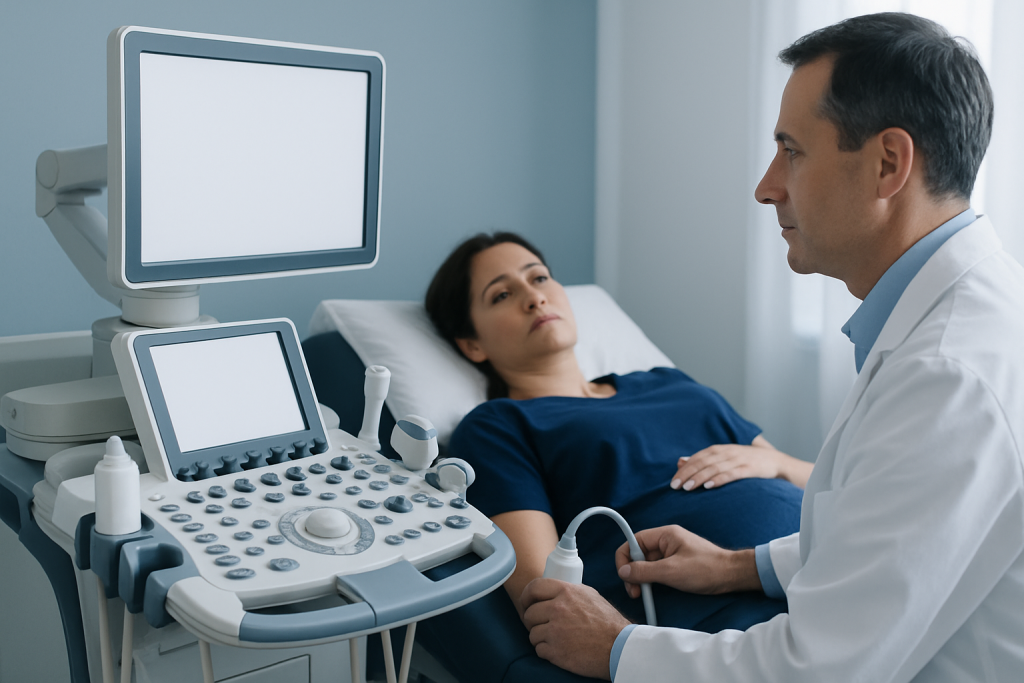
If the cause is not clear from blood work, imaging may be recommended to look for gallstones, bile duct narrowing, or structural changes in the liver. Ultrasound is commonly used first, while other scans may be added if more detail is needed. In selected cases, specialist testing or a liver biopsy may be considered, but many people do not need invasive procedures.
For patients arranging care from abroad, it helps to know that diagnosis is often staged: initial labs may be done locally, followed by imaging or specialist review at a center that can connect the findings and plan the next step efficiently.
Treatment Options
Treatment depends entirely on the cause of the bilirubin elevation. A mild, inherited condition such as Gilbert syndrome may not need treatment at all beyond reassurance and awareness of triggers. In those cases, the goal is usually to avoid unnecessary restriction or repeated worry once the pattern is understood.
When the cause is liver inflammation or disease, treatment focuses on the underlying condition. This may involve stopping an offending medication, treating viral hepatitis, managing fatty liver disease, reducing alcohol exposure, or using other targeted therapies recommended by a specialist. If bilirubin is high because bile cannot flow properly, the priority may be to relieve the blockage through medicine, endoscopic procedures, or surgery, depending on the cause.
If blood cell breakdown is driving the elevation, care is directed at the hematologic problem. This can include testing for anemia, immune causes, or inherited blood disorders. In all situations, follow-up testing is important so the care team can see whether bilirubin is improving and whether the underlying issue is being controlled.
Patients traveling for care often benefit from a coordinated plan that includes pre-arrival testing, in-person evaluation, and a clear follow-up strategy after returning home. That helps avoid fragmented care and makes it easier to share results with local physicians.
Prevention & Self-care
Not every cause of high bilirubin can be prevented, especially inherited conditions or some medical illnesses. Still, general liver-friendly habits can reduce risk and support recovery when bilirubin is elevated.
Helpful steps may include:
- Staying well hydrated, especially during illness or travel
- Avoiding prolonged fasting unless medically advised
- Using alcohol cautiously, or avoiding it if a clinician recommends doing so
- Reviewing prescription and over-the-counter medicines with a doctor or pharmacist
- Maintaining a balanced diet and healthy weight
- Keeping follow-up appointments and repeat lab tests as advised
Self-care should be practical rather than restrictive. If bilirubin rises during an infection, strenuous fasting, or a period of poor intake, the clinician may simply repeat testing after recovery. If a person has a known liver condition, it is sensible to keep a personal record of prior test results, imaging reports, and current medications, especially when receiving care across countries.
Supportive measures do not replace medical evaluation, but they can make the path to diagnosis and recovery smoother, particularly when care is coordinated between a home physician and an international specialty team.
When to See a Doctor
A medical review is appropriate whenever bilirubin is elevated on a blood test and the cause is not already known. This is especially important if the result is new, persistent, or rising over time. Even when symptoms are mild, clinicians often want to confirm whether the pattern is harmless or a sign of liver or bile duct disease.
Prompt assessment is especially sensible if yellowing of the eyes or skin appears, if urine becomes dark, if stools turn pale, or if itching, abdominal pain, fever, or vomiting develops. These symptoms do not always mean a serious problem, but they help guide the urgency of evaluation.
Immediate medical attention is warranted if jaundice appears with severe abdominal pain, confusion, fainting, bleeding, or marked weakness. A qualified clinician can decide whether blood tests alone are enough or whether imaging and specialist referral should happen quickly.
Acibadem Health Point can support international patients with multidisciplinary specialists and JCI-accredited hospitals that diagnose and treat bilirubin-related conditions in a coordinated way.
Living With High Bilirubin
Living with a bilirubin abnormality is often less about the number itself and more about understanding the reason behind it. Once the cause is identified, many people can return to normal routines with appropriate monitoring and a clear follow-up plan.
If the condition is chronic, keeping track of triggers, symptoms, and test results can be useful. Some people notice that fasting, illness, or dehydration makes bilirubin temporarily rise, while others only need periodic review for a stable inherited pattern. A consistent relationship with a clinician makes it easier to interpret changes correctly.
For patients who split care between countries, it helps to carry a summary of the diagnosis, recent labs, imaging reports, and medication list. That simple record can make future appointments faster and more precise, especially if additional testing is needed after travel.
Frequently asked questions
01What does a high bilirubin result mean?
It means there is more bilirubin in the blood than expected. The result can happen for many reasons, including liver conditions, bile duct problems, increased red blood cell breakdown, or an inherited tendency such as Gilbert syndrome. A doctor usually looks at the full pattern of blood tests to find the cause.
02Does high bilirubin always cause jaundice?
No. Mild elevations may not cause visible yellowing of the skin or eyes. Jaundice is more likely when bilirubin rises further or when the body is not clearing it effectively.
03Can bilirubin be high and everything else be normal?
Yes, this can happen, especially with benign inherited patterns such as Gilbert syndrome. It can also occur during fasting, dehydration, or mild illness. Even then, it is reasonable to review the result with a clinician so the context is understood.
04Is high bilirubin the same as liver disease?
Not always. Liver disease is one possible cause, but bilirubin can also be elevated because of gallbladder or bile duct issues, blood disorders, or inherited conditions. The meaning depends on the rest of the test results and symptoms.
05What tests are usually done after a high bilirubin result?
Common follow-up tests include repeat bilirubin, liver enzymes, complete blood count, and sometimes imaging such as an ultrasound. The exact tests depend on whether the bilirubin is isolated or part of a broader abnormal pattern. A clinician chooses the next step based on the likely cause.
06Can diet lower bilirubin?
Diet alone does not treat every cause of high bilirubin. Good hydration, regular meals, and avoiding unnecessary fasting may help in some people, but the main treatment is directed at the underlying condition. A doctor can advise whether any diet changes are appropriate.
This article is for general information only and is not a substitute for professional medical advice. Please consult a qualified doctor about your individual situation.
Persistent digestive symptoms? Get evaluated in Turkey
JCI-accredited · board-certified surgeons · reply within 24h
Add us as a Preferred Source to see more of our trusted health content across Google Search, AI Overviews and Discover.