Hernias Do Not Heal on Their Own, but Not All Need Surgery

Have you noticed a soft bulge in your groin or belly — maybe one that shows up when you cough or lift something heavy? That’s often how a hernia first announces itself. It happens when internal tissue or part of an organ pushes through a weak spot in muscle or the surrounding tissue, causing a visible bulge or discomfort.
Here’s the reassuring part: many hernias are not immediately dangerous. But some do need prompt medical attention, because blood supply to the trapped tissue can become reduced.
Overview
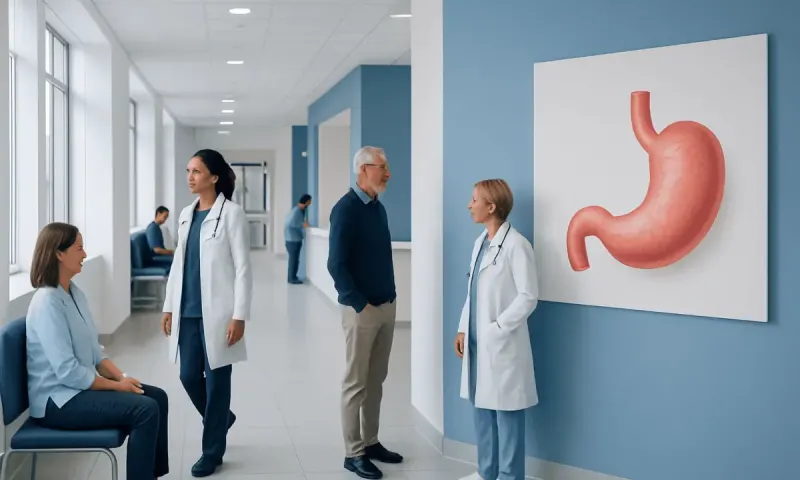
In a hernia, tissue — often part of the intestine or fatty tissue — pushes through a weak area in muscle or connective tissue, which usually creates a bulge you can see under the skin. Hernias can develop in the groin, around the belly button, at the site of a previous surgical scar, or in the upper stomach area where part of the stomach moves through the diaphragm.
“Hernia” isn’t one single disease — it’s the name for the structural problem itself. Some cause nothing more than a visible lump and mild discomfort; others bring pain or digestive symptoms, and some cause no symptoms at all. And while a hernia usually won’t heal on its own, that doesn’t mean every case needs surgery right away.
Different hernia types behave differently. Inguinal hernias are common in the groin, especially in men. Femoral hernias also occur in the groin but are less common. Umbilical hernias appear near the navel. Incisional hernias can form at the site of previous abdominal surgery, and hiatal hernias affect the upper digestive tract rather than creating an external lump.
How a Hernia Feels and Common Symptoms

The sign most people recognize is a soft bulge or swelling that stands out more when you stand up, cough, strain, or lift. In some people it flattens when they lie down. Rather than sharp pain, the area often just feels heavy, sore, or uncomfortable.
Symptoms vary depending on location. A groin hernia may cause pressure, dragging, or pain in the groin, especially after activity. An umbilical or incisional hernia may appear as a visible lump in the abdominal wall. A hiatal hernia may not cause an obvious bulge but can contribute to heartburn, regurgitation, chest discomfort, or trouble swallowing.
Some hernias are discovered only during a routine examination or imaging test. Others can interfere with daily activities because coughing, exercise, bending, or prolonged standing make symptoms worse. When a hernia becomes trapped and cannot move back into place, symptoms may become stronger and more persistent.
- Visible or palpable lump
- Aching, burning, or pressure at the site
- Discomfort with lifting, coughing, or straining
- Fullness or heaviness in the abdomen or groin
- Heartburn or reflux symptoms in hiatal hernia
Causes and Risk Factors

Two things have to come together for a hernia to form: a weak point in the tissue, and pressure pushing from inside the body. Some people are simply born with areas of weakness; others develop them over time through aging, surgery, pregnancy, or repeated physical strain. The pressure itself may come from coughing, constipation, lifting, obesity, or fluid buildup in the abdomen.
Several factors can increase the chance of a hernia. These include chronic cough, smoking, heavy physical work, frequent straining during bowel movements or urination, and excess body weight. Pregnancy can stretch and weaken the abdominal wall, increasing the risk of some abdominal hernias. Previous operations can also leave scar tissue that is more vulnerable, leading to incisional hernia.
Inguinal hernias are especially common and occur in the lower abdominal wall or groin. Umbilical hernias affect the navel area and are seen in both infants and adults. A hiatal hernia is different because it involves the upper part of the stomach moving through the diaphragm, often leading to reflux symptoms rather than an external bulge.
How Doctors Diagnose a Hernia
Diagnosis usually starts with a conversation and a physical exam. Your doctor will ask when the bulge or discomfort began, what makes it better or worse, and whether you’ve had nausea, vomiting, constipation, or reflux. You may be asked to stand, cough, or strain gently — this makes the hernia easier to feel.
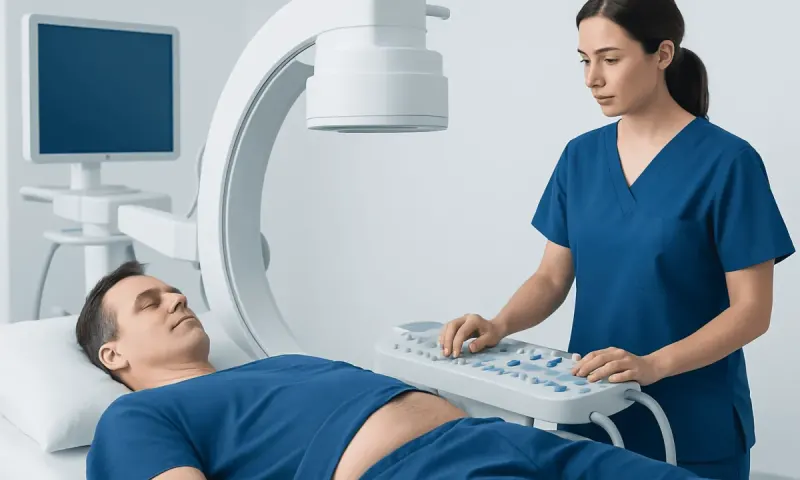
Many hernias can be diagnosed clinically without complex testing. If the hernia is small, hard to feel, or located deeper in the body, imaging may help. Ultrasound is often useful for groin and abdominal wall hernias. CT scans can provide more detail, especially for recurrent or incisional hernias, and MRI may be used in selected cases.
For suspected hiatal hernia, the evaluation may focus on digestive symptoms and can include endoscopy or imaging studies of the upper gastrointestinal tract. Testing also helps the medical team rule out other causes of pain or a lump, such as enlarged lymph nodes, muscle strain, hydrocele, or digestive disease.
Treatment Options and When Surgery Is Needed
How we treat a hernia depends on its type, size, symptoms, and risk of complications. If a hernia is small and causing little or no discomfort, we can often simply keep an eye on it with regular follow-up — an approach called watchful waiting. It works best when the hernia pushes back in easily, symptoms are mild, and the risk of trapping is low.
If symptoms are increasing, the hernia is enlarging, or there is concern about incarceration or strangulation, surgery is usually advised. Hernia repair aims to return the tissue to its normal position and strengthen the weak area, often with sutures or surgical mesh. Depending on the case, surgeons may recommend open repair or minimally invasive approaches such as laparoscopic surgery. In more complex abdominal wall cases, hernia surgery may be tailored to the size and location of the defect.
Hiatal hernia treatment may also include management of reflux symptoms, such as dietary adjustments and acid-reducing medicines. In selected patients with severe symptoms or complications, hiatal hernia surgery may be considered. The best treatment plan is individualized after assessment by a qualified surgeon or gastroenterologist.
One honest word about support garments and trusses: they are not a cure. They may make you more comfortable for a while, but they don’t repair the weakness in the abdominal wall. Use them only with a doctor’s guidance — relying on them can delay proper evaluation.
Daily Habits, Prevention, and Self-care
You can’t prevent every hernia — especially those linked to inherited tissue weakness or previous surgery. But healthy habits may lower your chances of developing one, or keep an existing hernia from becoming more troublesome. The idea is simple: less strain on the abdominal wall, and healthier tissue overall.
Helpful steps include maintaining a healthy body weight, treating chronic cough, avoiding smoking, and managing constipation so bowel movements are easier. Using proper lifting technique and avoiding sudden heavy strain may also help. People with urinary symptoms that cause straining should discuss this with a doctor, because relieving the underlying issue can reduce pressure on the abdominal wall.
For a known hernia, self-care focuses on symptom control rather than cure. Large meals, lying down soon after eating, and trigger foods may worsen symptoms in people with a hiatal hernia. Gentle activity is often possible, but any exercise that sharply increases discomfort should be stopped until medical advice is obtained.
- Maintain a healthy weight
- Prevent constipation with fluids, fiber, and medical advice when needed
- Stop smoking and address chronic cough
- Use safe lifting techniques
- Seek review if a hernia changes in size or symptoms
When to Seek Medical Care
A new bulge in the groin, abdomen, or around a previous surgical scar should be assessed by a doctor, especially if it is growing, uncomfortable, or interfering with activity. Medical review is also appropriate for ongoing heartburn, regurgitation, or swallowing difficulty that may suggest a hiatal hernia or another digestive condition.
Urgent medical care is needed if the hernia suddenly becomes very painful, firm, red, or tender, or if the bulge cannot be pushed back in when it previously could. Nausea, vomiting, bloating, fever, or inability to pass stool or gas may suggest that tissue is trapped or the bowel is obstructed. These symptoms need immediate assessment.
A specialist can help you decide whether monitoring or repair is the safer option for you. If you need coordinated care, Acıbadem Health Point’s multidisciplinary specialists and JCI-accredited hospitals evaluate and treat hernia conditions for international patients, with medical and surgical plans tailored to each person.
Frequently asked questions
01Can a hernia go away on its own?
A true hernia usually does not heal on its own because the weakness in the tissue remains. Symptoms may come and go, and the bulge may flatten when lying down, but the underlying defect is still present.
02Is every hernia painful?
No. Some hernias cause no pain and are noticed only as a lump or fullness. Others cause aching, pressure, or discomfort that becomes more noticeable with lifting, coughing, or standing for long periods.
03When is a hernia an emergency?
A hernia may be an emergency if it becomes suddenly painful, hard, red, or impossible to push back in. Vomiting, abdominal swelling, fever, or inability to pass stool or gas can also be warning signs and require urgent medical care.
04How is a hernia diagnosed?
Doctors often diagnose a hernia with a medical history and physical examination. If the findings are unclear or the hernia is deeper, imaging such as ultrasound or CT may be used.
05Do all hernias need surgery?
No. Some small, minimally symptomatic hernias can be monitored. Surgery is more likely to be recommended if the hernia is painful, enlarging, limiting daily life, or carries a higher risk of becoming trapped.
06What is the difference between an inguinal hernia and a hiatal hernia?
An inguinal hernia happens in the groin when tissue pushes through a weak spot in the lower abdominal wall. A hiatal hernia occurs when part of the stomach moves upward through the diaphragm, often causing reflux or heartburn rather than a visible external bulge.
This article is for general information only and is not a substitute for professional medical advice. Please consult a qualified doctor about your individual situation.
Persistent digestive symptoms? Get evaluated in Turkey
JCI-accredited · board-certified surgeons · reply within 24h
Add us as a Preferred Source to see more of our trusted health content across Google Search, AI Overviews and Discover.