Headache On Right Side Of Head: Causes and Treatment
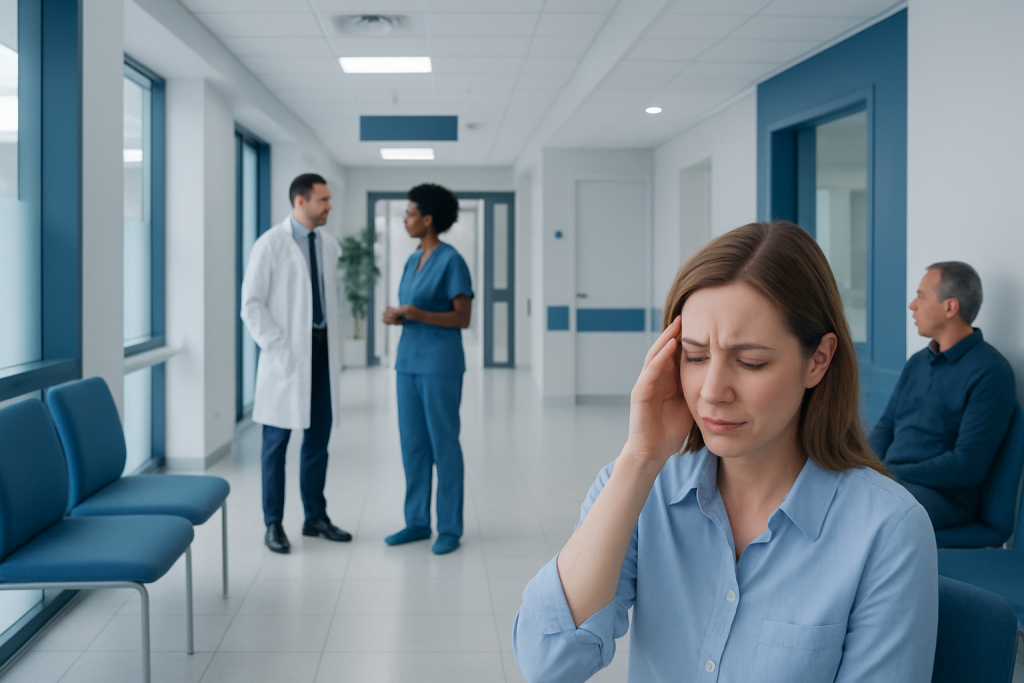
Key Takeaways
- Right-sided headaches are a symptom, not a diagnosis, and several different conditions can cause them.
- Migraine, cluster headache, tension-type headache, and neck-related pain are among the more common explanations.
- Sudden, severe, or unusual headaches deserve prompt medical assessment, especially if they come with neurologic symptoms.
- A careful history, physical examination, and sometimes imaging help identify the cause.
- Good sleep, hydration, stress management, and trigger awareness can reduce how often some headaches occur.
A headache on the right side of the head can happen for many reasons, from common primary headaches to problems involving the sinuses, neck, eyes, or nerves. Most are not dangerous, but new, severe, or changing headaches should be assessed by a qualified doctor.
Overview
A headache felt mainly on the right side of the head can be brief, recurring, mild, or intensely painful. The location alone does not point to one single diagnosis. In clinical practice, doctors look at the pattern of pain, how quickly it begins, how long it lasts, and what other symptoms appear with it.
Some right-sided headaches are primary headaches, meaning the headache itself is the condition. Migraine and cluster headache are examples. Others are secondary headaches, which means another issue is driving the pain, such as a sinus problem, neck strain, jaw trouble, eye strain, or, less commonly, a more serious medical condition.
For international patients, the most useful first step is often to notice the pattern before traveling for care: when the headache started, where it is located, what makes it better or worse, and whether there are associated symptoms such as nausea, tearing, nasal congestion, vision changes, or numbness. Those details help a doctor narrow the possibilities efficiently.
Symptoms
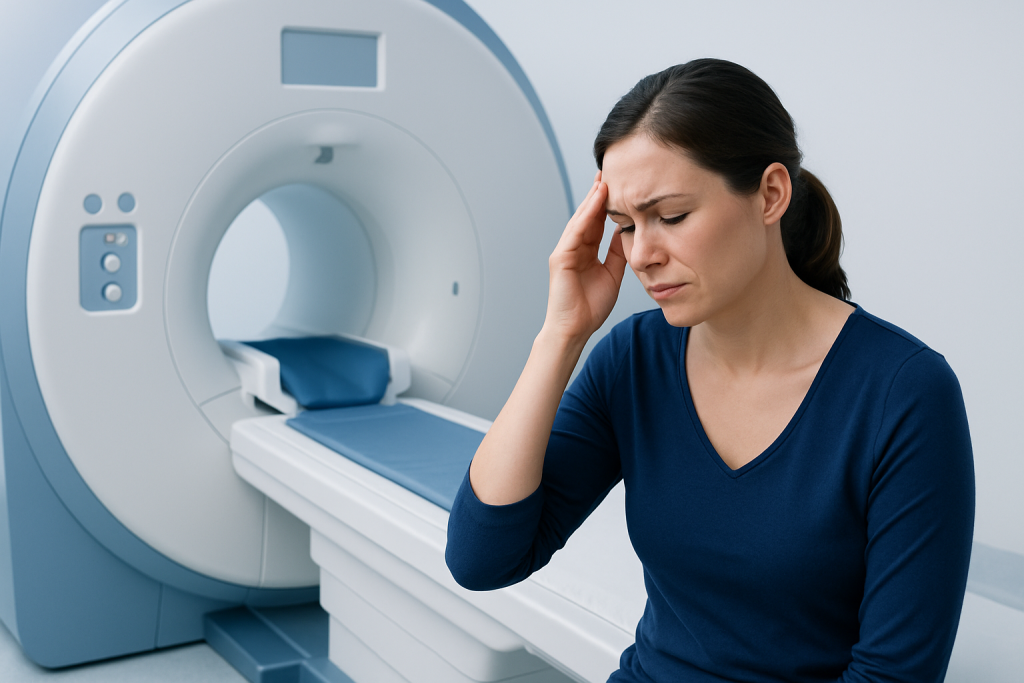
Right-sided headaches can feel different depending on the cause. Some people describe a throbbing or pulsating pain, while others notice pressure, tightness, stabbing pain, or a deep ache behind the eye or around the temple. The discomfort may stay in one spot or spread to the jaw, scalp, neck, or face.
Doctors pay close attention to accompanying symptoms. These can include light or sound sensitivity, nausea, vomiting, watery eyes, runny nose, facial fullness, scalp tenderness, dizziness, or blurred vision. The same symptom may point to different causes depending on the overall pattern and the person’s age and health history.
- Migraine: often throbbing, with nausea and sensitivity to light or sound.
- Cluster headache: usually severe pain around one eye, often with tearing or nasal congestion.
- Tension-type headache: commonly a pressure-like band or tightness, sometimes on one side.
- Neck-related headache: may worsen with posture, movement, or prolonged screen use.
Some headaches are constant, while others come in attacks. If the pattern changes from the usual for that person, it deserves medical review.
Causes & Risk Factors

There are many possible reasons for a headache on the right side of the head. Migraine is one of the most common causes and often affects one side, though it can switch sides or involve both sides over time. Cluster headache is less common but notable for its intense one-sided pain and attacks that tend to occur in groups over days or weeks.
Tension-type headache can also be felt more on one side, particularly when stress, muscle tension, poor sleep, dehydration, or long hours at a desk are involved. Pain that begins in the neck and is felt in the head may be related to cervical muscle strain or joint irritation. Teeth grinding, jaw joint problems, and eye strain can also contribute.
Other possible contributors include sinus inflammation, infections, medication overuse, head injury, high blood pressure in certain contexts, and nerve-related pain conditions. Less commonly, a new one-sided headache may signal a vascular problem, inflammation of the arteries, or another neurological issue that needs urgent assessment.
Risk factors vary by cause, but common ones include a personal or family history of migraine, disrupted sleep, skipped meals, stress, hormonal changes, dehydration, caffeine changes, screen fatigue, and a sedentary posture. A doctor will usually sort through these clues rather than relying on pain location alone.
Diagnosis
Diagnosis starts with a conversation. A doctor will ask when the headache began, how long it lasts, where it is felt, whether the pain is sudden or gradual, and whether it is associated with nausea, fever, visual changes, weakness, or speech difficulty. A headache diary can be very helpful, especially if the pain is recurring and the patient is seeking care from another country or at a later appointment.
The physical examination may include checking the eyes, face, neck, jaw, blood pressure, and neurological function. Depending on the symptoms, a doctor may also look for sinus tenderness, jaw movement problems, or signs of muscle spasm. In many cases, the history and examination guide the diagnosis without the need for extensive testing.
If there are warning signs, if the headache is new or unusual, or if the doctor suspects a secondary cause, additional tests may be recommended. These can include blood tests, eye examination, or imaging such as CT or MRI. The goal is not to test every headache, but to identify the cause safely and avoid missing conditions that need prompt treatment.
Treatment Options
Treatment depends on the underlying cause, so the most effective plan is the one that matches the diagnosis. Migraine care may include rest in a quiet room, avoidance of personal triggers, and doctor-recommended medicines for pain or to reduce attack frequency when headaches are frequent. Cluster headache often needs targeted medical treatment and follow-up because the attacks can be very intense and time-sensitive.
If the headache is linked to muscle tension, posture, jaw clenching, or neck strain, treatment may include physical therapy, posture correction, stress reduction, and sometimes medications suggested by a doctor. Sinus-related headaches are treated by addressing the sinus condition itself rather than the pain alone. When eye strain is involved, an updated eye exam or vision correction may help.
Important care principles include avoiding frequent self-treatment with pain relievers, which can sometimes lead to medication-overuse headache when used too often. A doctor may also review other medicines, sleep patterns, hydration, caffeine use, and possible triggers to reduce recurrence. For patients traveling for treatment, it helps to arrange a clear follow-up plan before returning home so that response to therapy can be monitored.
Prevention & Self-care
Not every headache can be prevented, but many people can reduce the frequency of episodes by recognizing triggers and building steadier daily habits. Regular sleep, consistent meals, good hydration, and moderate physical activity often support headache control. Keeping caffeine intake stable can also help some people, since abrupt changes may trigger pain.
Self-care can include a calm, dark environment during a migraine, posture breaks during screen work, and attention to stress management. Some people benefit from a headache diary that tracks foods, sleep, weather changes, stress, menstrual timing, or activities before the pain starts. This is often more useful than trying to guess the cause from a single episode.
- Maintain regular sleep and meal times.
- Drink fluids throughout the day.
- Take screen and posture breaks during long work periods.
- Notice personal triggers rather than copying generic trigger lists.
- Use pain medicine cautiously and only as advised.
Self-care is supportive, not a substitute for medical evaluation when headaches are new, severe, or changing. A clear diagnosis makes prevention much more precise.
When to See a Doctor
A doctor should evaluate a right-sided headache if it is new, keeps returning, is getting worse, or is different from the person’s usual headaches. Medical attention is especially important when the headache follows a head injury, occurs after age 50 for the first time, or is associated with fever, neck stiffness, vision loss, confusion, weakness, numbness, or difficulty speaking.
Emergency assessment is appropriate for a sudden, explosive headache, the “worst headache” a person has ever had, or headache with fainting, seizure, or new neurologic symptoms. Headaches with eye redness and severe eye pain also need prompt review, as some eye conditions can threaten vision.
For patients who are planning care abroad, it is reasonable to seek a specialist opinion when symptoms are persistent or unclear. Acibadem Health Point’s multidisciplinary specialists and JCI-accredited hospitals diagnose and treat headache disorders for international patients, with coordinated evaluation and follow-up when needed.
Any headache that is persistent enough to disrupt daily life, work, sleep, or travel plans deserves proper assessment. The aim is not to create alarm, but to ensure the cause is understood and managed safely.
Living With Recurrent Right-Sided Headaches
When headaches recur on the same side, people often worry that the pattern itself means something serious. In many cases, however, the repeating location simply reflects the person’s headache type. What matters more is whether the episodes are stable and familiar, or whether they are changing in intensity, duration, or associated symptoms.
Long-term management usually works best when it is practical. That may mean identifying a predictable trigger, adjusting sleep and work habits, using a treatment plan early in the attack, and arranging follow-up care if episodes are frequent. A doctor may also review whether another condition, such as eye strain, sinus disease, jaw dysfunction, or cervical pain, is adding to the problem.
For someone recovering after travel or consulting from abroad, clear written instructions and a follow-up timetable can make care much easier to continue at home. Consistency is often more helpful than complicated routines, and many headache plans improve with small, steady changes over time.
Frequently asked questions
01Does a headache on the right side always mean migraine?
No. Migraine is a common cause of one-sided headache, but it is only one possibility. Tension-type headache, cluster headache, neck problems, sinus issues, and eye strain can also cause pain on the right side.
02When is a right-sided headache urgent?
It should be assessed urgently if it starts suddenly and severely, follows a head injury, or comes with weakness, numbness, confusion, fever, stiff neck, vision loss, or trouble speaking. A new headache after age 50 also deserves prompt medical review.
03Can stress cause pain on only one side of the head?
Yes, stress and muscle tension can sometimes present as a one-sided headache. The exact pattern varies, so a doctor will consider posture, sleep, jaw clenching, and neck strain along with stress levels.
04Why does my headache keep happening in the same place?
Recurring pain in the same place can happen with migraine and some other headache types. The repeated location does not by itself identify the cause, so the pattern, duration, and associated symptoms matter more.
05Should imaging be done for every one-sided headache?
Not usually. Many headaches are diagnosed through history and examination alone, and imaging is reserved for headaches with warning signs, atypical features, or a suspected secondary cause.
06Can lifestyle changes really help?
Yes, especially for migraines and tension-type headaches. Regular sleep, hydration, meals, posture breaks, and trigger awareness can reduce how often headaches occur and may make attacks milder.
This article is for general information only and is not a substitute for professional medical advice. Please consult a qualified doctor about your individual situation.
Hair transplant in Turkey — costs, graft counts & a free assessment
JCI-accredited · board-certified surgeons · reply within 24h
Add us as a Preferred Source to see more of our trusted health content across Google Search, AI Overviews and Discover.