Headache in Back of Head: Causes and Treatment

Key Takeaways
- Pain at the back of the head is often linked to tension, neck strain, or occipital nerve irritation.
- A detailed symptom history helps doctors distinguish between a primary headache and a headache caused by another issue.
- Neck posture, stress, dehydration, and poor sleep can make symptoms more frequent or intense.
- Sudden, severe, or unusual headaches need prompt medical evaluation, especially if they come with neurological symptoms.
- Treatment usually focuses on the cause and may include rest, posture changes, physical therapy, or medication recommended by a clinician.
A headache in the back of the head can come from the neck, muscles, nerves, or sometimes from an underlying medical condition. Most causes are manageable, but the pattern of pain and any accompanying symptoms help guide the right next steps.
Overview
A headache in the back of the head is often described as pressure, tightness, aching, or sharp pain near the occipital area, where the skull meets the upper neck. For many people, the discomfort begins after long hours at a desk, sleeping in an awkward position, or carrying stress in the shoulders and neck.
Although this type of pain is frequently related to muscle tension or posture, it is not always harmless to assume it is “just a headache.” The exact location, how quickly it started, how long it lasts, and whether it comes with nausea, visual changes, fever, or weakness all matter when a clinician evaluates it.
International patients often arrive with limited time and a simple question: is this a neck problem, a migraine, or something more serious? A careful history and focused exam usually provide the answer, and in some cases imaging or other tests are used to rule out structural or vascular causes.
Symptoms

Back-of-head headaches can feel different from one person to another. Some are dull and constant, while others are brief, stabbing, or pulse-like. The pain may stay in one spot or spread into the temples, behind the eyes, or down into the upper neck.
Common accompanying symptoms may include tenderness in the scalp or neck, stiffness when turning the head, sensitivity to light, or pain triggered by movement. In occipital neuralgia, people may notice short bursts of electric-shock-like pain that can be set off by touching the area or moving the neck.
Warning features are important to notice and report, especially if the headache is new or changing. These include sudden onset, confusion, fainting, weakness, numbness, trouble speaking, fever, vomiting, double vision, or pain after an injury. In those situations, timely medical assessment is the safest step.
- Dull pressure or tightness at the base of the skull
- Neck stiffness or shoulder tension
- Sharp, shooting pain in the occipital area
- Pain that worsens with movement or prolonged posture
- Sensory or neurological symptoms that need prompt review
Causes & Risk Factors

One of the most common reasons for this pain is tension-type headache or muscle strain in the neck and upper back. Long screen use, clenching the jaw, stress, or poor sleep posture can keep the muscles contracted, which may refer pain to the back of the head.
Another frequent cause is cervicogenic headache, where pain originates from the cervical spine or surrounding structures. People with arthritis in the neck, reduced mobility, whiplash, or repetitive strain may be more prone to this pattern. Occipital neuralgia, which involves irritation of the occipital nerves, can also create pain that starts at the base of the skull and may travel upward.
Less commonly, headaches in this area can be associated with migraine, high blood pressure, infection, vascular disorders, or other neurological conditions. Risk tends to rise when someone has prior head or neck injury, chronic poor posture, frequent stress, sleep disruption, or an underlying spine problem.
- Prolonged desk work or device use
- Stress-related muscle tension
- Neck arthritis or limited cervical motion
- Recent trauma, including whiplash
- Sleep problems and dehydration
Diagnosis
Diagnosis begins with listening carefully to the story of the headache. A clinician will usually ask where the pain starts, how it feels, how long it lasts, what makes it better or worse, and whether there are symptoms such as nausea, fever, neck stiffness, numbness, or visual changes. This history often points toward the most likely cause before any test is ordered.
A physical examination may include checking the neck, scalp, posture, blood pressure, and neurological function. If the headache seems related to the neck, the doctor may assess range of motion and areas of tenderness. If nerve irritation is suspected, the exam may focus on pain reproduction around the occipital nerves.
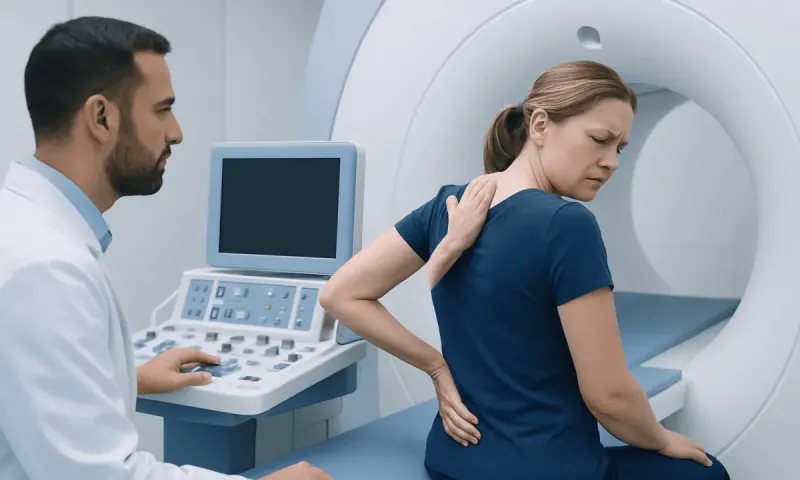
When the pattern is unusual, severe, or associated with red-flag symptoms, additional testing may be recommended. This can include brain or neck imaging, blood tests, or other studies depending on the suspected cause. For people traveling for care, bringing previous scan reports, medication lists, and any symptom diary can make the evaluation more efficient and precise.
Treatment Options
Treatment depends on the underlying reason for the headache rather than the location alone. For tension-related pain, a clinician may suggest rest, hydration, improved sleep habits, gentle stretching, heat or cold applications, and short-term pain relief when appropriate. Physical therapy can be valuable when the neck muscles, joints, or posture are contributing factors.
If occipital neuralgia is suspected, treatment may focus on calming nerve irritation. This can include medications chosen by a doctor, physical therapy, or, in selected cases, nerve blocks or other procedures performed by a specialist. Cervicogenic headache may improve when the neck disorder behind it is treated, such as through rehabilitation, anti-inflammatory measures, or specialist-directed interventions.
When a headache is caused by migraine, infection, blood pressure issues, or another condition, treatment is tailored to that diagnosis. The important principle is not to treat every back-of-head headache the same way. A clear diagnosis helps avoid unnecessary medication use and supports a plan that fits the patient’s life, travel schedule, and follow-up needs.
- Conservative care: rest, hydration, posture correction, stretching
- Rehabilitation: physical therapy and neck-focused exercises
- Medication: selected by a clinician based on the cause
- Procedures: considered for nerve-related or persistent cases
- Cause-specific care: treatment for migraine, infection, or other conditions
Prevention & Self-care
Many back-of-head headaches improve when daily habits reduce strain on the neck and shoulders. Ergonomic adjustments at a desk, screen at eye level, and regular breaks during long periods of sitting can help lower muscle tension. A supportive pillow and a neutral sleeping position may also reduce morning pain.
Self-care is most effective when it is steady rather than dramatic. Regular fluid intake, consistent meals, adequate sleep, and stress-management techniques such as breathing exercises or gentle movement can reduce headache triggers. People who notice jaw clenching or teeth grinding should mention it to a clinician or dentist, since these habits can contribute to head and neck pain.
Keeping a simple headache diary can be useful, especially for patients coordinating care across countries. Recording the time of onset, location, intensity, possible triggers, and associated symptoms helps doctors see patterns and decide whether additional workup is needed.
- Take screen and posture breaks during the day
- Use ergonomic seating and monitor height
- Stretch the neck and shoulders gently, if advised
- Stay hydrated and maintain regular sleep
- Track headache patterns and triggers
When to See a Doctor
Medical review is advisable when headaches become frequent, last longer than expected, or interfere with work, sleep, or travel plans. It is also important to seek assessment if the pain is new after age 50, follows an injury, or feels different from prior headaches. A clinician can help identify whether the source is muscular, spinal, nerve-related, or something else.
Prompt medical attention is especially important if the headache comes on suddenly and severely, or if it occurs with fever, confusion, fainting, seizures, weakness, numbness, speech difficulty, or vision changes. These symptoms do not automatically mean a serious condition, but they do deserve timely evaluation.
For people arranging care from abroad, a coordinated neurology or multidisciplinary assessment can be especially helpful because it brings diagnosis, imaging, and treatment planning into one pathway. At Acibadem Health Point, multidisciplinary specialists and JCI-accredited hospitals diagnose and treat this condition for international patients, with follow-up structured around safe recovery and continuity of care.
Living With Recurring Back-of-Head Headaches
When this type of headache keeps returning, the goal is not only to reduce pain today but also to understand the pattern that keeps bringing it back. That may mean checking workstation setup, reviewing sleep habits, evaluating stress load, or looking more closely at the neck and upper spine. Small adjustments often matter more than one-time fixes.
People with recurrent headaches should avoid self-medicating too often without guidance, because frequent pain-relief use can sometimes create rebound headaches. Instead, a clinician can help decide whether a preventive strategy, rehabilitation plan, or specialist review is the best next step.
With the right evaluation, most patients can identify the source of the pain and manage it more confidently. Even when travel is involved, a clear diagnosis and simple follow-up plan can make care feel less disruptive and more predictable.
Frequently asked questions
01Is pain at the back of the head usually a migraine?
Not always. Migraine can cause pain in many locations, but back-of-head pain is also commonly linked to tension, neck strain, or occipital nerve irritation. A doctor looks at the full pattern of symptoms to tell the difference.
02Can poor posture really cause a headache in the back of the head?
Yes. Long periods of forward head posture, shoulder tension, and neck strain can refer pain to the occipital area. This is one reason ergonomic changes and physical therapy may help.
03What is occipital neuralgia?
Occipital neuralgia is irritation of the nerves that run from the upper neck to the scalp. It often causes sharp, shooting, or electric pain near the back of the head. A clinician may diagnose it after a physical exam and symptom review.
04Should someone worry if the headache started after a neck injury?
A headache after a fall, whiplash, or other neck trauma should be assessed by a clinician, especially if it is severe or unusual. The doctor may check for muscle, joint, nerve, or more serious causes depending on the situation.
05When is imaging needed for a back-of-head headache?
Imaging is not needed for every headache, but it may be recommended when symptoms are sudden, severe, persistent, or accompanied by neurological signs. The decision depends on the exam findings and the overall clinical picture.
06Can stress alone cause this kind of headache?
Stress can play a major role by tightening the neck and scalp muscles and worsening sleep. It may not be the only factor, but it often contributes to recurring pain and can be part of a broader prevention plan.
This article is for general information only and is not a substitute for professional medical advice. Please consult a qualified doctor about your individual situation.
Hair transplant in Turkey — costs, graft counts & a free assessment
JCI-accredited · board-certified surgeons · reply within 24h
Add us as a Preferred Source to see more of our trusted health content across Google Search, AI Overviews and Discover.