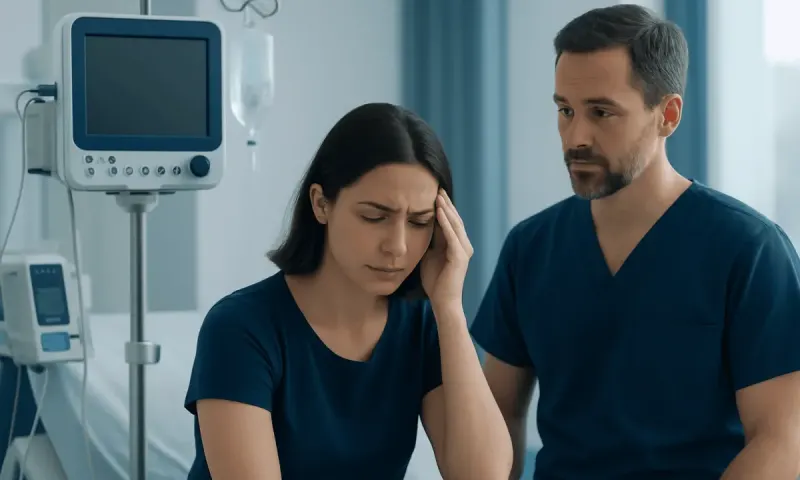
Head Throbbing: Possible Causes and When to Seek Care
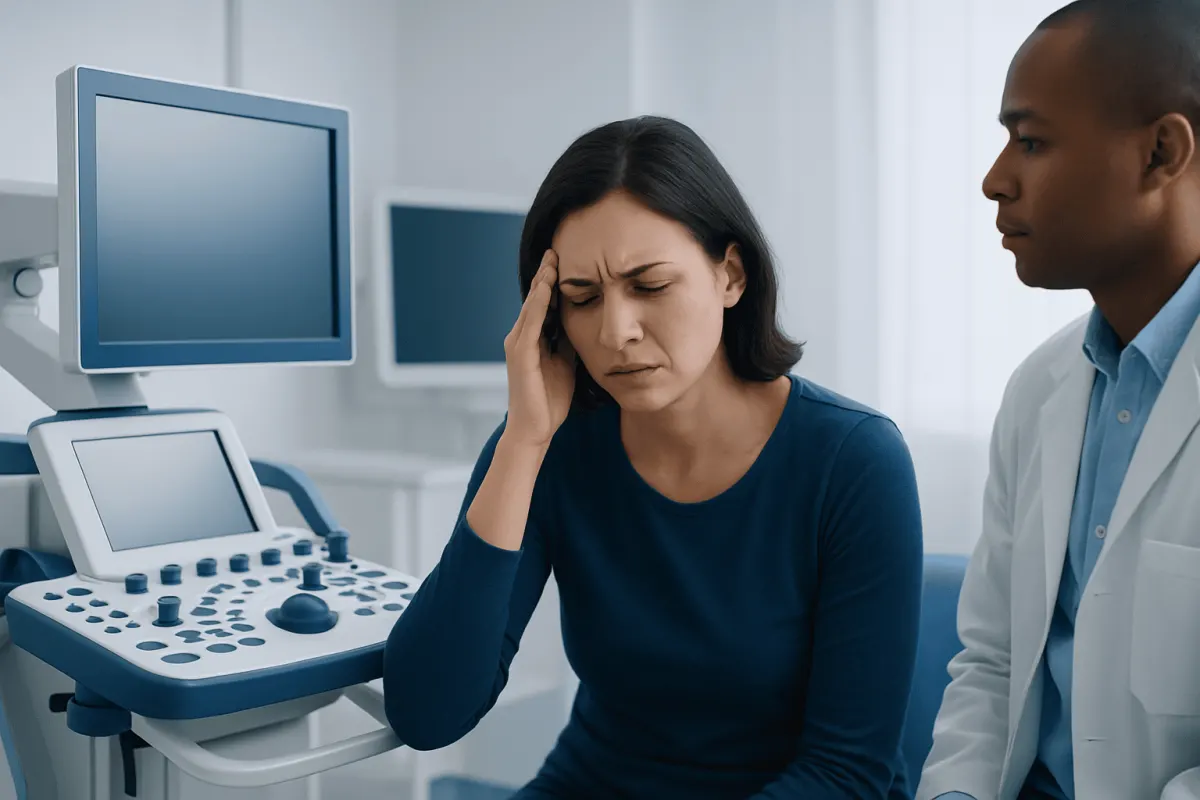
Head throbbing is a pulsing or beating sensation in the head that commonly occurs with migraine, but it can also result from tension-type headaches, infection, dehydration, medication effects, or other causes. Most episodes are not dangerous, yet a new sudden severe headache or one accompanied by neurological symptoms should be assessed urgently.
What does head throbbing mean?
Head throbbing describes a rhythmic, pulsing, pounding, or beating sensation in the head. It may be felt on one side, both sides, behind an eye, across the forehead, or near the temples. The sensation can range from mild and brief to intense enough to interrupt daily activities.
A throbbing headache is commonly associated with migraine, particularly when it worsens with routine movement and occurs with nausea, vomiting, or sensitivity to light, sound, or smells. However, the feeling alone does not identify one specific condition. A clinician considers the timing, location, associated symptoms, medical history, and examination findings to understand the likely cause.
Most recurrent headaches are primary headaches, meaning they are conditions in themselves rather than signs of another disease. Less often, head throbbing can occur because of an underlying problem that requires targeted care. Changes in a familiar headache pattern are worth discussing with a qualified healthcare professional.
How head throbbing can feel
People use different words to describe head throbbing. Some notice a pulse-like sensation that seems to match their heartbeat. Others describe pressure that becomes pounding, often during activity such as walking, climbing stairs, bending over, or coughing. The pain may last minutes, hours, or, in some headache disorders, longer.
Features that can help distinguish headache patterns include whether pain begins gradually or suddenly, whether it is one-sided or widespread, and whether it occurs repeatedly in similar circumstances. Migraine pain is often moderate to severe, throbbing, and aggravated by activity. Tension-type headache more commonly feels like tightness or pressure, although symptoms can overlap.
Associated symptoms may include:
- nausea, vomiting, or reduced appetite;
- sensitivity to light, sound, smell, or movement;
- visual changes such as flashing lights, zigzags, or blind spots before some migraine attacks;
- neck discomfort, fatigue, difficulty concentrating, or irritability;
- nasal congestion, facial pressure, or fever when an infection is present.
Not every symptom has the same significance. A healthcare professional can help determine whether symptoms fit a common headache disorder or need further investigation.
Common causes and contributing factors

Migraine is one of the most frequent explanations for repeated throbbing head pain. It is a neurological condition involving altered pain processing and activation of nerves around the head. Attacks may occur with or without aura, which is a temporary neurological symptom that commonly affects vision before or during a headache. For more information about this condition, see migraine.
Other common contributors include inadequate sleep, missed meals, dehydration, emotional stress, prolonged screen use, eye strain, illness, alcohol, changes in caffeine intake, and prolonged muscle tension in the neck or jaw. Hormonal changes can influence migraine frequency for some women. High-intensity exercise or sexual activity can occasionally trigger a headache, especially in people prone to migraines.
Some medicines may contribute to headaches. Frequent use of acute headache medicines, including non-prescription pain relievers, can lead to medication-overuse headache, where headaches become more frequent or persistent. High blood pressure usually does not cause headaches unless it is extremely elevated or associated with an acute complication; it should not be assumed to be the cause without medical assessment.
Less common causes include sinus or other infections, head injury, inflammatory conditions, disorders of blood vessels, and problems affecting pressure around the brain. These possibilities are considered especially when the headache is new, changes rapidly, occurs after an injury, or is accompanied by concerning symptoms.
How clinicians assess a throbbing headache
Assessment begins with a careful history. A clinician may ask when the head throbbing started, how quickly it reached its worst intensity, how long episodes last, where it is felt, and what makes it better or worse. They will also ask about recent illnesses, injuries, pregnancy, medications, caffeine and alcohol use, family history, and symptoms such as fever, neck stiffness, weakness, numbness, seizures, or visual loss.
A physical and neurological examination may include checking blood pressure, temperature, vision, eye movements, strength, sensation, coordination, balance, and the neck. In many people with a typical, stable migraine pattern and a normal examination, imaging is not needed.
Further tests may be recommended when warning signs are present or the diagnosis remains uncertain. Depending on the situation, these may include blood tests, a CT scan, MRI scan, or other investigations. Testing is selected to answer a specific clinical question, not simply because head pain is throbbing.
A headache diary can provide useful information before an appointment. Recording the date, duration, severity, accompanying symptoms, possible triggers, menstrual timing where relevant, treatments used, and response to treatment helps reveal patterns and supports an accurate diagnosis.
Relief and treatment options
The best treatment depends on the underlying headache type, frequency, severity, health history, and current medicines. For a mild, occasional headache, resting in a quiet, dim room, drinking fluids if dehydration is possible, eating a regular meal, and using a cool or warm compress may be helpful. Gentle stretching and attention to posture can benefit people whose symptoms are associated with neck or shoulder tension.
Non-prescription pain medicines may help some people when used appropriately and early in an attack. A pharmacist or clinician can advise on safe choices, particularly for people with stomach ulcers, kidney disease, liver disease, heart disease, bleeding disorders, pregnancy, or those taking blood-thinning medicines. Repeated self-treatment should be avoided without guidance because frequent use can worsen headache patterns.
When migraine is diagnosed, a clinician may recommend migraine-specific medicines to treat attacks, anti-nausea treatment when needed, or preventive treatment for frequent or disabling episodes. Preventive care can also include addressing sleep, stress, activity, and trigger patterns. People with recurrent symptoms may benefit from neurology assessment to clarify the diagnosis and build a personalized plan.
Acıbadem Health Point’s multidisciplinary specialists and JCI-accredited hospitals can assess and treat headache conditions for international patients when specialist evaluation is needed.
Reducing triggers and supporting head health
Not all throbbing headaches can be prevented, but consistent routines may reduce their frequency for many people. Regular sleep and wake times, adequate fluid intake, balanced meals, and gradual, routine physical activity support general health and may reduce common headache triggers. Sudden changes in caffeine consumption can provoke headaches in some people, so a steady and moderate intake may be easier to tolerate.
Stress does not mean pain is “all in the mind,” but it can increase susceptibility to headaches. Relaxation exercises, paced breathing, mindfulness, counseling, or regular restorative activities can be useful parts of a broader plan. For people who clench their jaw or experience persistent neck strain, a clinician or dentist may suggest targeted management.
It is helpful to avoid eliminating many foods or activities unless a reliable pattern is clear. A diary can identify personal triggers more accurately than broad restrictions. If a particular food, sleep disruption, medication, or hormonal change repeatedly precedes symptoms, a clinician can help decide whether changes are appropriate.
People who have started a new medicine or supplement and then develop persistent head throbbing should seek advice from the prescribing clinician rather than stopping an important medication on their own.
When to seek medical care
Urgent medical evaluation is needed for a headache that begins suddenly and reaches maximum intensity within seconds or minutes, especially if it is unlike previous headaches. Immediate care is also important for head pain with fainting, confusion, seizure, weakness, numbness, trouble speaking, facial drooping, loss of balance, persistent vision changes, or a stiff neck with fever.
Prompt assessment is recommended after a significant head injury, during pregnancy or soon after delivery when a severe new headache develops, or when headache occurs with cancer, a weakened immune system, or use of medicines that affect clotting. A new headache after age 50, a progressive worsening pattern, or pain triggered consistently by coughing, exertion, or changes in position should also be discussed with a doctor.
For non-emergency concerns, arranging a medical appointment is sensible when headaches are becoming more frequent, interfere with work, school, sleep, or family life, require pain medicines repeatedly, or differ from the person’s usual pattern. Early assessment can identify treatable causes and help reduce the impact of recurring symptoms.
Frequently asked questions
01Is head throbbing always a migraine?
No. Migraine is a common cause of throbbing head pain, but dehydration, sleep disruption, infection, medication overuse, neck tension, and other conditions can contribute. The overall pattern and associated symptoms are more informative than the sensation alone.
02Why does my head throb when I stand up or move around?
Movement can intensify migraine because physical activity often aggravates this type of headache. Standing may also make symptoms more noticeable when a person is dehydrated or has not eaten regularly. New or persistent position-related headaches should be discussed with a clinician.
03Can stress cause a pulsing headache?
Stress can contribute to headaches by affecting sleep, muscle tension, eating patterns, and the nervous system’s sensitivity to pain. It may trigger or worsen migraine and tension-type headaches in some people. Stress management can help, but recurrent symptoms still deserve appropriate medical assessment.
04Should a person check blood pressure during head throbbing?
Checking blood pressure can be reasonable for people who have a monitor and a history of high blood pressure, but most ordinary headaches are not caused by mildly or moderately elevated readings. Very high blood pressure with severe headache, chest pain, shortness of breath, confusion, or neurological symptoms requires urgent medical care. A clinician should interpret repeated high readings.
05How long can a throbbing headache last?
Duration varies with the cause. Some headaches resolve within a few hours, while untreated migraine attacks may last longer. A headache that is prolonged, recurring often, or changing in character should be evaluated by a healthcare professional.
06When is head throbbing an emergency?
Emergency assessment is needed for a sudden, severe headache that peaks rapidly or for headache with neurological symptoms, fever and stiff neck, fainting, seizures, significant head injury, or persistent vision loss. These symptoms do not necessarily mean a serious condition is present, but they need urgent evaluation to rule out important causes.
This article is for general information only and is not a substitute for professional medical advice. Please consult a qualified doctor about your individual situation.
Persistent digestive symptoms? Get evaluated in Turkey
JCI-accredited · board-certified surgeons · reply within 24h
Add us as a Preferred Source to see more of our trusted health content across Google Search, AI Overviews and Discover.