Hand Eczema Treatment for Calmer, Stronger Skin
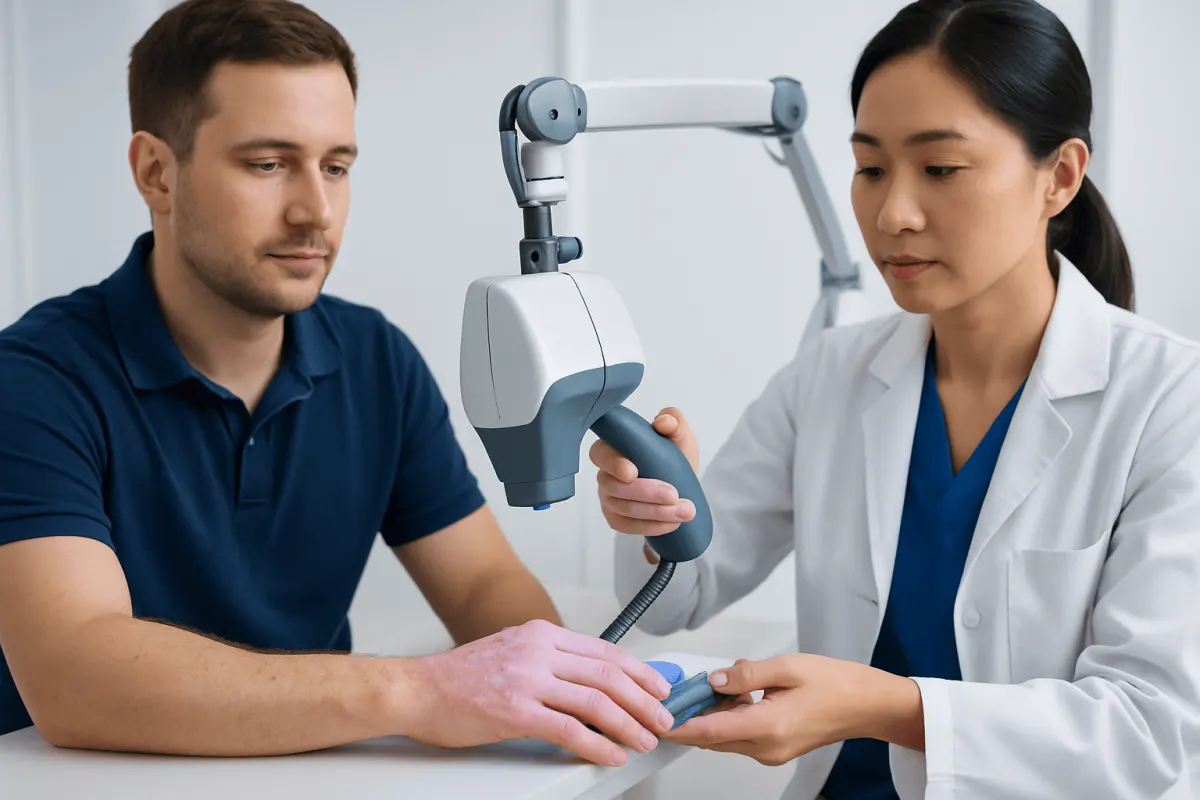
Hand eczema treatment is tailored to the severity, pattern and triggers of the condition. Most people improve with consistent skin-barrier care, avoidance of irritants or allergens, and clinician-guided topical or systemic treatment when needed.
Overview: what hand eczema treatment involves
Hand eczema treatment aims to reduce inflammation, relieve itching and soreness, restore the skin’s protective barrier, and identify factors that keep the rash active. It is not a single procedure. Treatment is usually a practical plan that combines daily skin care, changes in hand exposure, and medicines chosen according to the type and severity of eczema.
Hand eczema can affect the backs of the hands, palms, fingers and fingertips. The skin may become dry, red or darker than usual, itchy, scaly, thickened, cracked, blistered or painful. Symptoms can be intermittent, but repeated contact with water, detergents, workplace chemicals, gloves, metals, fragrances or allergens may lead to persistent disease.
A clinician may use the term hand dermatitis. It can occur as irritant contact dermatitis, allergic contact dermatitis, atopic eczema affecting the hands, or a combination of these. An accurate diagnosis matters because the most effective hand eczema treatment includes reducing the specific exposures that are contributing to the condition.
How treatment is planned and what the procedure may involve
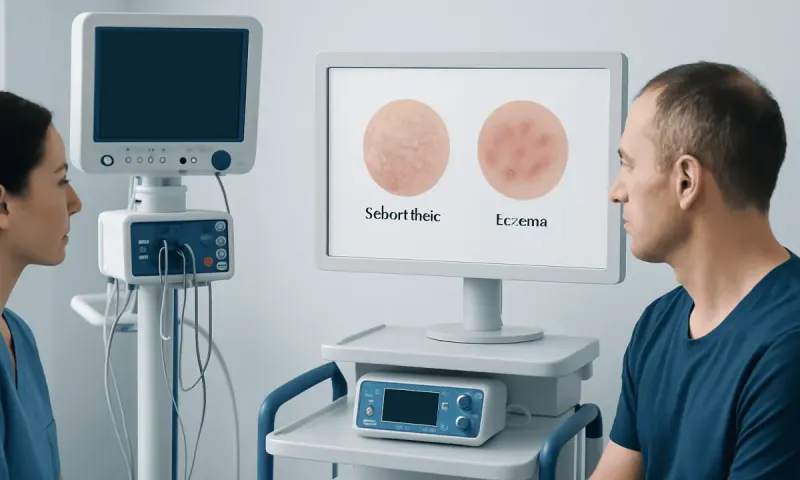
Care usually begins with a medical history and skin examination. The clinician will ask about work duties, hobbies, handwashing, gloves, cosmetics, cleaning products, new materials, and any history of eczema, asthma or hay fever. They may also look for psoriasis, fungal infection or other conditions that can resemble eczema.
For recurrent or difficult cases, patch testing may be recommended. This is an allergy assessment in which small amounts of likely contact allergens are placed on the back under patches and checked over several days. Patch testing can help identify delayed allergic reactions to substances such as fragrance ingredients, preservatives, rubber chemicals, nickel or workplace materials.
Treatment often has two phases: active flare control and maintenance. During a flare, prescription anti-inflammatory treatment may be used for a limited course alongside intensive moisturization. Once the skin is calmer, the plan shifts toward continued barrier care, trigger reduction and early treatment of mild recurrences before they become more severe.
Hand eczema surgery is not a standard treatment. Because eczema is an inflammatory skin condition rather than a structural hand problem, surgery does not address its cause. Procedures may occasionally be needed for a separate complication, but this requires individual assessment by the treating clinician.
Daily treatment, medicines and options for chronic disease

A simple hand eczema routine is often the foundation of recovery. Hands should be washed with lukewarm rather than hot water, using a mild fragrance-free cleanser when needed. After gently patting the hands dry, a thick fragrance-free cream or ointment should be applied promptly and repeated after washing and whenever the skin feels dry.
Clinicians commonly prescribe topical corticosteroids to settle active inflammation. The strength and duration depend on the area of the hand, skin thickness and severity of symptoms. Used as directed, these medicines can be very effective. In some situations, non-steroidal topical anti-inflammatory medicines may be considered, particularly for maintenance or for areas where a clinician wants to limit corticosteroid exposure.
For chronic hand eczema that remains severe despite appropriate topical treatment and trigger avoidance, a dermatologist may discuss phototherapy or systemic medicines. These can include oral or injectable treatments that influence immune pathways. The newest treatment for chronic hand eczema depends on the country, diagnosis and individual medical factors; newer targeted medicines are expanding options, while alitretinoin remains an established oral option in some settings for severe chronic hand eczema that has not responded adequately to topical therapy.
Medication selection requires medical supervision because potential benefits, side effects, pregnancy considerations, other conditions and monitoring needs differ between treatments. If a rash is infected, treatment may also include management of the infection. A clinician can distinguish infected eczema from an uncomplicated flare.
Recovery, expected results and hand eczema healing stages
Hand eczema healing time varies widely. A mild flare may improve over days to a few weeks once treatment begins and irritants are avoided. More established or chronic eczema can take several weeks or longer to settle, particularly when hands are repeatedly exposed to water, cleaning agents, friction or an unrecognized allergen.
Although healing is not always linear, many people notice a pattern. Itching, burning and new blisters often lessen first. Redness or discoloration and swelling then improve, followed by reduced scaling and cracking. Dryness, skin thickening and changes in skin tone may take longer to resolve. Continued moisturizing is important after visible inflammation has improved because the skin barrier may still be vulnerable.
Good hand eczema relief should not rely on scratching or frequent use of untested home remedies, which can irritate damaged skin. Cool compresses, regular emollient use, keeping nails short and using prescribed treatment correctly may help reduce discomfort. Cotton glove liners under protective gloves can also reduce friction and sweating for some people.
Results are best judged over time rather than day by day. The goals are fewer flares, less itching and pain, improved sleep and daily function, and healthier skin. Follow-up is useful when treatment is not working, because an overlooked trigger, infection, contact allergy or different diagnosis may be involved.
Will my skin ever go back to normal after eczema?
In many cases, the skin can look and feel close to normal after eczema settles, especially when triggers are identified and the skin barrier is cared for consistently. Cracks, scaling and active inflammation usually improve with effective treatment. However, the tendency toward eczema may remain, so maintenance care and early treatment of new flares can still be needed.
Some people have temporary changes in skin colour after inflammation. Skin may remain lighter, darker or uneven in tone for a period after the rash clears, particularly in darker skin tones. These changes usually fade gradually, but they can take longer than the redness, itching or scaling to improve.
Repeated severe inflammation can sometimes leave the skin thicker or more sensitive. Seeking care early and avoiding ongoing irritants gives the skin the best chance to recover. A dermatologist can reassess persistent changes to confirm that eczema is the only cause.
What's the worst stage of eczema?
There is no universal staging system for eczema, but the most difficult phase is generally a severe acute flare or severe chronic flare. In an acute flare, the hands may be very itchy, swollen, red or discoloured, blistered, weeping and painful. In chronic eczema, ongoing scratching and inflammation may lead to thickened, deeply cracked skin that makes hand movement and routine activities uncomfortable.
The most concerning complications are infection and major effects on daily life. Increasing pain, warmth, swelling, pus, yellow crusting, rapidly spreading redness, fever, or feeling unwell may indicate infection and should be assessed promptly. Eczema can also interfere with sleep, work, hand hygiene and emotional wellbeing, all of which are valid reasons to seek support.
Severe symptoms do not mean that recovery is impossible. They do mean that a clinician should help develop a more intensive, structured treatment plan and investigate whether contact allergy, occupational exposure or another skin condition is contributing.
Can hand eczema be cured permanently?
Hand eczema cannot always be cured permanently because it often reflects an ongoing tendency toward skin-barrier weakness, inflammation, or sensitivity to irritants and allergens. However, many people achieve long periods with little or no symptoms. For eczema caused mainly by a specific contact allergen, strict avoidance of that allergen can lead to substantial and lasting improvement.
Long-term control usually depends on maintaining protective habits even after the hands have healed. This includes frequent use of an appropriate emollient, reducing unnecessary wet work, choosing gentle products, and wearing suitable gloves for cleaning or chemical exposure. Gloves should be removed promptly when no longer needed, since prolonged sweating inside gloves can aggravate eczema.
At Acıbadem Health Point, multidisciplinary specialists and JCI-accredited hospitals can assess persistent hand eczema and coordinate dermatology care for international patients. A personalized plan should always be based on the individual’s symptoms, exposures, medical history and response to previous treatment.
When to seek medical care
Medical assessment is advisable if a hand rash lasts more than a few weeks, keeps returning, causes painful cracks or blisters, affects sleep or work, or does not improve with gentle skin care. A doctor or dermatologist can determine whether the problem is eczema, a contact allergy, psoriasis, a fungal infection or another condition requiring different treatment.
Urgent medical advice is important if there is increasing redness, warmth, swelling, severe pain, pus, yellow crusting, fever, red streaks, or a rapidly spreading rash. These features can suggest infection or another problem that should not be managed with self-care alone.
People whose work involves frequent handwashing, food handling, healthcare, hairdressing, cleaning, construction or chemical exposure may benefit from early occupational and dermatology advice. Identifying practical protective measures can help control symptoms while allowing daily activities to continue as safely as possible.
Frequently asked questions
01How long does hand eczema take to heal?
A mild flare may improve within days to a few weeks with appropriate treatment and avoidance of irritants. Chronic or severe hand eczema may take longer, particularly if hands continue to encounter water, detergents, allergens or friction. A clinician should review symptoms that persist or repeatedly return.
02What is the best moisturizer for hand eczema?
Thick fragrance-free creams and ointments are generally more protective than thin lotions because they reduce water loss from damaged skin. The best option is one a person can apply often without stinging or causing irritation. Applying it immediately after handwashing is especially helpful.
03Should gloves be worn for hand eczema?
Gloves can protect hands during wet work, cleaning and contact with irritants, but the correct type matters. Cotton liners may improve comfort under protective gloves, and gloves should be removed when the task is finished to avoid sweat buildup. Anyone with suspected rubber or glove allergy should discuss suitable alternatives with a clinician.
04Can stress make hand eczema worse?
Stress does not cause all hand eczema, but it can worsen itching, scratching and flare frequency in some people. Sleep disruption and the practical burden of painful hands can also add stress. Skin treatment, trigger management and support for stress or sleep can all be useful parts of care.
05Is hand eczema contagious?
Hand eczema is not contagious and cannot be passed to another person by touch. However, some infections of the skin can resemble eczema or occur on top of eczema. New painful blisters, crusting, pus or rapid spread should be medically assessed.
06Can I use over-the-counter steroid cream for hand eczema?
A low-strength over-the-counter corticosteroid may help some short-lived mild flares, but hand eczema often requires an individualized plan. Prolonged or repeated unsupervised use is not recommended, especially if the diagnosis is uncertain or the skin is cracked, infected or worsening. A clinician can advise on the right medicine and duration.
This article is for general information only and is not a substitute for professional medical advice. Please consult a qualified doctor about your individual situation.
Explore treatments in Turkey — costs, top hospitals & a free quote
JCI-accredited · board-certified surgeons · reply within 24h
Add us as a Preferred Source to see more of our trusted health content across Google Search, AI Overviews and Discover.