Hairline Fracture on Shin: What You Need to Know

Key Takeaways
- A hairline fracture on shin is a small crack in the tibia and is often related to repeated stress rather than one major injury.
- Pain usually worsens with activity and may improve with rest, but ongoing tenderness is a common clue that the bone needs evaluation.
- Diagnosis may involve an exam and imaging; early X-rays can be normal, so MRI or other scans are sometimes used.
- Treatment usually focuses on reducing weight-bearing stress, protecting the leg, and gradually returning to activity.
- Healing takes time, and returning too soon can delay recovery or worsen the fracture.
- Medical review is important if pain is severe, swelling increases, or walking becomes difficult.
A hairline fracture on the shin is usually a small crack in the tibia, often called a stress fracture. It can develop after repetitive impact, overuse, or a sudden increase in activity, and it typically needs rest and proper medical assessment to heal well.
Overview
A hairline fracture on shin usually means a small crack in the tibia, the main bone in the lower leg. In many cases, it is a stress fracture that develops gradually from repeated loading rather than a single obvious injury. People may notice it after running, jumping, military training, sports, or any activity that increases impact on the leg faster than the bone can adapt.
Although the term sounds minor, a hairline fracture still deserves proper care. Bone tissue needs time and the right level of protection to heal. If the injury is mistaken for ordinary shin pain and activity continues at the same pace, recovery can become slower and the crack may worsen.
For someone deciding whether to travel for care, the key question is not only “What is the injury?” but also “Can the leg be safely weight-bearing, and what imaging is needed to confirm it?” That assessment helps guide treatment and prevents avoidable setbacks.
Symptoms
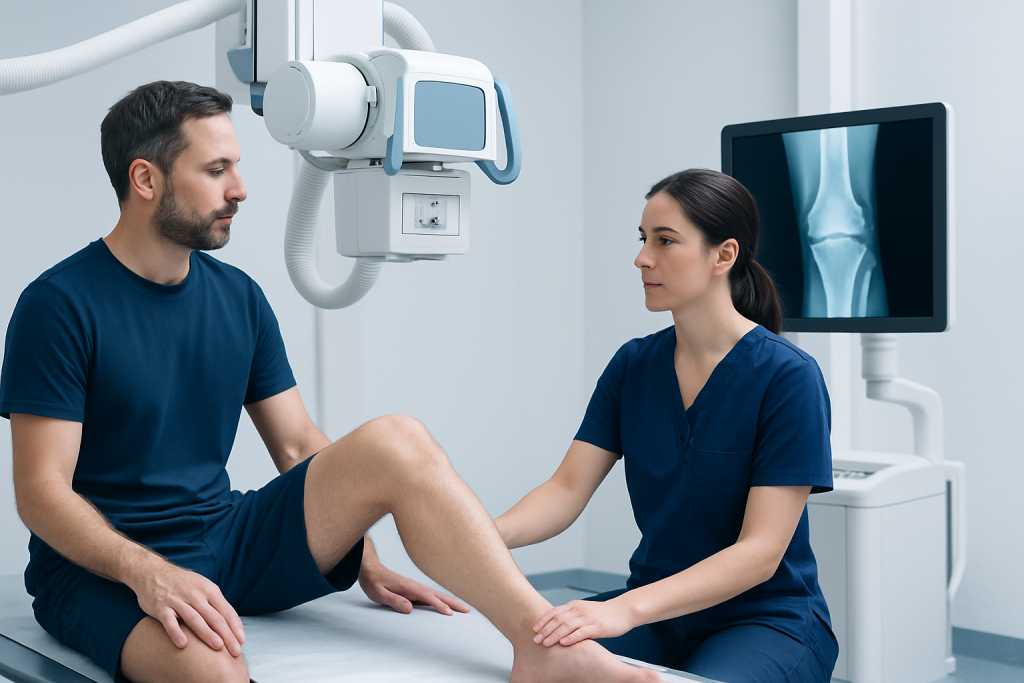
The most common sign is pain along the shin that becomes more noticeable during movement and eases with rest. At first, the discomfort may appear only during exercise, then begin to show up earlier in the day or even during walking. The pain is often localized to a small area rather than spread across the whole leg.
Some people also notice tenderness when pressing on one spot of the tibia, mild swelling, or discomfort when hopping, climbing stairs, or standing for long periods. The skin usually looks normal, and there may not be bruising unless there was a direct impact in addition to the fracture.
Symptoms that suggest the injury needs prompt evaluation include pain that interferes with walking, increasing swelling, pain at rest, or a feeling that the leg is unstable. These features do not automatically mean the fracture is severe, but they do indicate that the bone should be assessed by a clinician.
Causes & Risk Factors
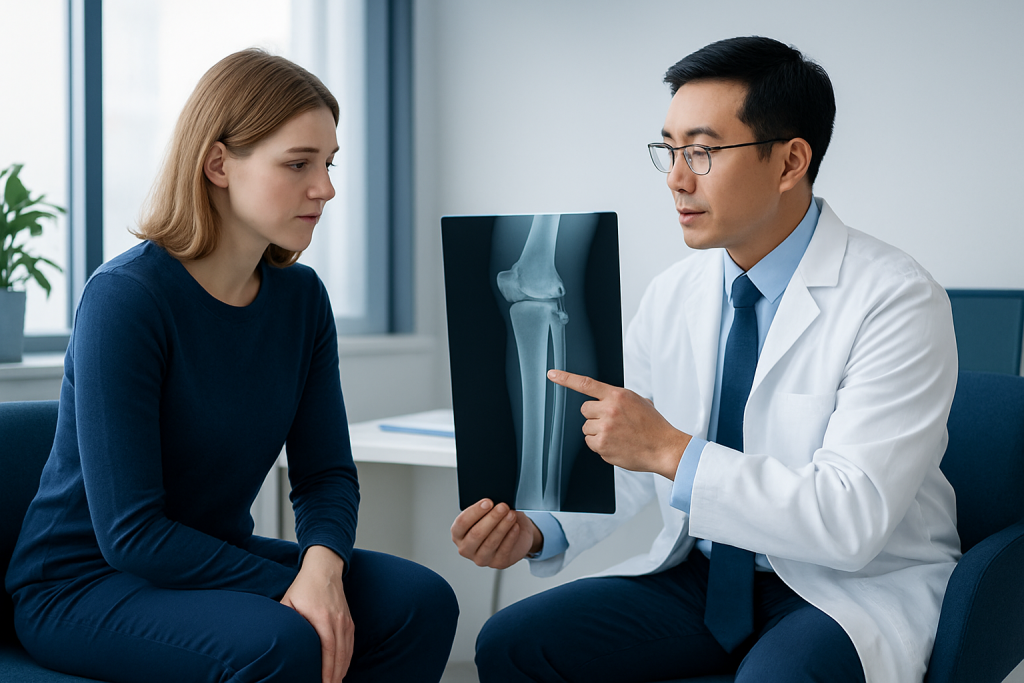
Hairline fractures of the shin commonly result from repetitive stress. Running on hard surfaces, sudden changes in training intensity, repeated jumping, and long-distance marching can all place enough force on the tibia to create tiny cracks over time. The bone may not have enough recovery between sessions to repair itself fully.
Certain factors can make the tibia more vulnerable. These include a rapid increase in activity, poor footwear, training on uneven ground, low bone density, previous stress fractures, and biomechanical issues such as flat feet, tight calves, or abnormal gait patterns. Nutritional factors can also matter, especially if calcium, vitamin D, or overall energy intake is low.
- Sudden increase in exercise volume or intensity
- High-impact sports or repeated jumping
- Biomechanical stress from foot or leg alignment
- Low bone density or history of bone injury
- Poor recovery, inadequate rest, or under-fueling
In international patients, the story sometimes begins with a sports trip or training camp abroad. A person may continue pushing through pain because they are away from their usual clinician. In that setting, an early orthopedic evaluation can help clarify whether the problem is a stress injury, a muscle strain, or another condition that needs a different plan.
Diagnosis
Diagnosis starts with a careful history and physical examination. A clinician will ask how the pain began, what activities make it worse, whether there was a specific injury, and whether the pain is point-specific along the shin. They may also examine how the person walks and test for tenderness over the tibia.
X-rays are often ordered first, but early hairline fractures may not appear on plain films. If symptoms strongly suggest a fracture and the X-ray is normal, the doctor may recommend an MRI, bone scan, or sometimes a CT scan to look for subtle bone injury. The choice depends on the case, timing, and available resources.
It is important not to self-diagnose persistent shin pain as a simple bruise or muscle issue. A confirmed diagnosis helps shape safe activity restrictions and prevents premature return to sport or work. For people recovering away from home, having imaging reviewed by an orthopedic specialist can make follow-up planning much clearer.
Treatment Options
Treatment usually centers on reducing stress on the bone so it can heal. This may mean temporarily stopping running, jumping, or other impact activity. In some cases, a walking boot, brace, or crutches are used to reduce load and protect the tibia while pain settles.
Pain relief is typically supportive rather than aggressive, and treatment plans are individualized. A clinician may recommend rest, elevation after activity, and a gradual return to weight-bearing as symptoms improve. If there are concerns about bone health, additional evaluation may be needed to look for contributing factors such as low vitamin D, nutritional deficiency, or menstrual or hormonal issues in some patients.
Rehabilitation is often part of recovery, especially if the person wants to return to sport or a physically demanding job. A structured plan may include mobility work, calf and hip strengthening, gait correction, and a staged reintroduction to impact. This slower approach may feel frustrating, but it is usually the safest route to durable healing.
When treatment is arranged internationally, coordination matters. Multidisciplinary specialists and JCI-accredited hospitals such as those at Acibadem Health Point can diagnose and treat this condition for international patients, with orthopedic, imaging, and rehabilitation teams working together when needed.
Prevention & Self-care
Once the fracture is identified, self-care is mostly about protecting the bone and respecting the healing timeline. That means following weight-bearing instructions carefully, avoiding activities that provoke pain, and attending follow-up visits if they are recommended. Even if symptoms improve quickly, the bone may still be in a vulnerable phase.
After recovery, prevention focuses on reducing repeated stress spikes. A gradual training plan, well-fitting shoes, varied surfaces, and adequate rest days can lower the risk of another injury. Athletes and active adults often benefit from reviewing technique, gait, and training load with a clinician or physiotherapist.
- Increase exercise intensity gradually, not all at once
- Replace worn-out footwear before support declines
- Allow time for recovery between high-impact sessions
- Maintain balanced nutrition and adequate hydration
- Address foot, knee, or hip mechanics that increase shin stress
People who have had repeated bone stress injuries may also need a more detailed evaluation of bone health. That can include discussion of diet, hormonal factors, medications, and exercise patterns. The goal is not only to heal this fracture, but to reduce the chance of another one.
When to See a Doctor
A doctor should evaluate shin pain that lasts more than a few days, keeps returning with activity, or becomes more focused in one tender spot. Early assessment is especially helpful if the person is increasing training, has had a prior stress fracture, or has any reason to worry about bone strength.
Urgent assessment is appropriate if walking is difficult, pain is present at rest, swelling is worsening, or there is a visible deformity after a fall or direct blow. Those signs can point to a more significant injury than a hairline fracture and should not be ignored. A clinician can decide whether imaging is needed and whether the leg should be protected right away.
For someone recovering while traveling, it is reasonable to seek care before continuing long-distance movement, especially if pain affects mobility. A well-timed consultation can prevent a small fracture from becoming a much longer recovery.
Frequently asked questions
01What is a hairline fracture on the shin?
It is a small crack in the tibia, the main bone in the lower leg. In many people it develops gradually from repeated stress, so the pain may start mildly and worsen over time.
02Can a hairline fracture on shin heal on its own?
Bone can heal, but it usually needs the right amount of rest and protection. Continuing high-impact activity too soon can delay healing or make the injury worse, so medical guidance is important.
03How long does a shin hairline fracture take to heal?
Healing time varies depending on the location of the crack, activity level, and overall bone health. A clinician can give a more realistic timeline after examining the leg and reviewing imaging if needed.
04Will a shin hairline fracture show up on an X-ray?
Not always at first. Early stress fractures can be difficult to see on standard X-rays, which is why MRI or other imaging may be recommended if symptoms strongly suggest a fracture.
05Should a person keep walking on a hairline fracture in the shin?
That depends on pain level and the doctor’s assessment, but painful weight-bearing should not be ignored. If walking increases pain, the leg may need protection until a clinician advises otherwise.
06What else can cause shin pain besides a hairline fracture?
Shin pain can also come from muscle strain, tendon irritation, shin splints, or, less commonly, a more significant bone injury. A proper exam helps distinguish these conditions because the treatment is not the same.
This article is for general information only and is not a substitute for professional medical advice. Please consult a qualified doctor about your individual situation.
Hair transplant in Turkey — costs, graft counts & a free assessment
JCI-accredited · board-certified surgeons · reply within 24h
Add us as a Preferred Source to see more of our trusted health content across Google Search, AI Overviews and Discover.