

Hair Transplant Swelling: Procedure, Benefits, Risks and Recovery

Key Takeaways
- Swelling after a hair transplant is common and usually settles within days to about a week.
- It often appears on the forehead and may move toward the eyelids before improving.
- Head elevation, prescribed medications, and gentle aftercare can help reduce discomfort.
- Severe pain, spreading redness, fever, or drainage should be discussed with a doctor.
- Good planning and clear post-op instructions support safer healing, especially for patients traveling from abroad.
Hair transplant swelling is a common, usually temporary part of healing after follicular unit transplantation or extraction. It often affects the forehead and around the eyes, and it can be managed with careful aftercare and follow-up guidance from the surgical team.
Overview
Hair transplant swelling is one of the most common early healing reactions after a hair restoration procedure. It can look dramatic, especially when it reaches the forehead or around the eyes, but in many cases it is a short-lived response to the treatment process rather than a sign of a problem.
Swelling may follow follicular unit extraction (FUE), follicular unit transplantation (FUT), or other hair restoration techniques. It is usually related to fluid used during the procedure, tissue irritation, and the body’s natural inflammatory response as the scalp begins to heal.
For many patients, knowing what to expect is the most reassuring part of recovery. Swelling often peaks a few days after surgery and then gradually improves with proper aftercare, rest, and follow-up guidance from the surgical team.
Symptoms and Typical Timeline
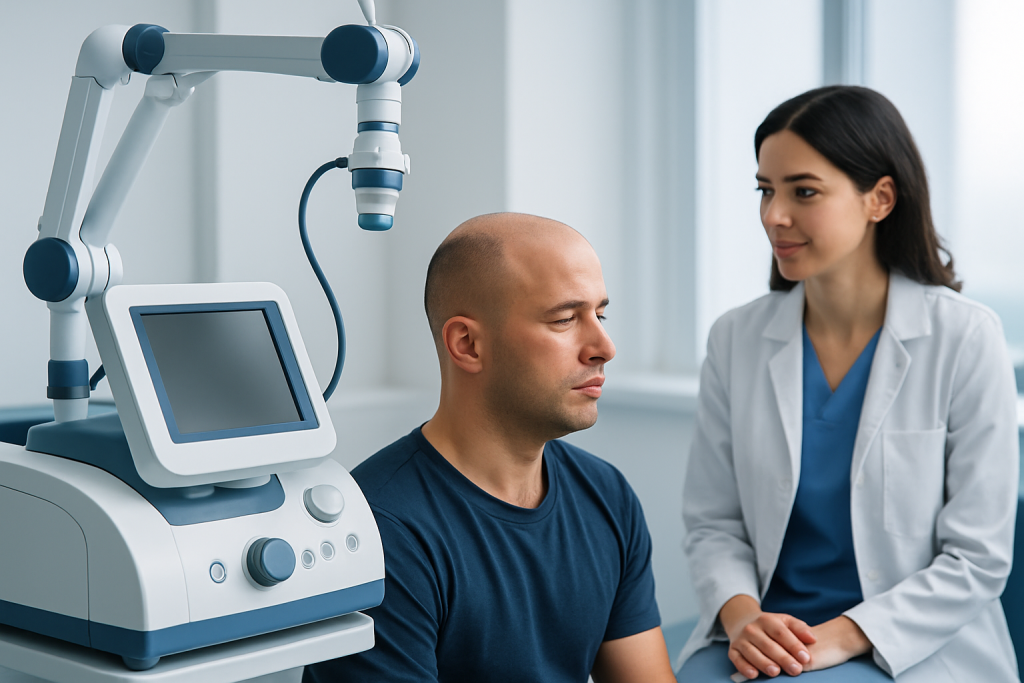
Most people notice swelling in the forehead before it affects the eyelids. This happens because fluid can track downward with gravity after the procedure. The skin may feel tight, puffy, or slightly tender, and the appearance can be more noticeable in the morning.
In uncomplicated recovery, swelling tends to begin within the first 24 to 48 hours, become more visible over the next couple of days, and then slowly fade. Some patients also report mild bruising, a feeling of pressure, or temporary numbness in the treated area.
Swelling is usually temporary and self-limited. However, the exact pattern can vary depending on the extent of the transplant, individual healing response, and how closely post-operative instructions are followed.
- Puffy forehead or eyelids
- Tightness or mild discomfort
- Temporary bruising near the eyes
- Scalp sensitivity or tenderness
Causes and Risk Factors

Hair transplant swelling is mainly caused by the body’s normal response to surgery. During the procedure, local anesthetic, tumescent fluid, and small tissue changes can lead to temporary fluid buildup. The scalp also reacts to the micro-injuries created when grafts are placed or removed.
Certain factors can make swelling more likely or more noticeable. These include a larger number of grafts, longer procedure time, sleeping flat after surgery, and individual differences in inflammation and fluid retention. Some patients are simply more prone to visible swelling than others.
Risk can also increase if aftercare is not followed carefully. Bending forward too much, strenuous activity too soon, or using heat and pressure on the scalp may contribute to more pronounced swelling during the early recovery period.
How Doctors Evaluate It
After a hair transplant, the surgical team usually reviews the scalp during early follow-up visits or check-ins. They look at the pattern of swelling, the condition of the donor and recipient areas, and whether the healing process appears typical for the stage of recovery.
In most cases, no special testing is needed. The main goal is to distinguish expected post-operative swelling from signs of infection, a reaction to medication, or another issue that may need attention.
Patients should describe when the swelling began, whether it is improving, and whether there are any other symptoms such as fever, worsening pain, discharge, or redness. Clear communication helps the doctor judge whether the course is normal.
Treatment Options and Medical Management
Management of hair transplant swelling is usually conservative. Doctors may recommend measures that reduce fluid accumulation and support comfort while the body heals naturally. The exact plan depends on the clinic’s protocol and the patient’s medical history.
Common recommendations include keeping the head elevated, avoiding pressure on the grafts, and following any prescribed medication plan exactly as instructed. Some patients may also be advised to use cold compresses carefully, but only if the treating team says it is safe for the grafts and timing of healing.
When swelling is unusual or accompanied by other symptoms, the doctor may reassess the patient to rule out infection, allergic reaction, or another post-surgical complication. Prompt review helps ensure recovery stays on track without unnecessary worry.
- Sleep with the head elevated as directed
- Avoid rubbing, scratching, or massaging the scalp
- Follow medication instructions carefully
- Limit strenuous exercise until cleared by the surgeon
Recovery, Prevention, and Self-care
Self-care plays a major role in reducing hair transplant swelling and supporting a smoother recovery. Patients are usually advised to rest for the first few days, protect the scalp from unnecessary contact, and keep follow-up appointments so the healing process can be monitored.
Practical habits can make a real difference. Staying hydrated, avoiding alcohol if instructed, and sleeping in a slightly upright position may help the swelling settle more comfortably. Patients who travel home after surgery should also plan for a calm recovery period and avoid packing the schedule too tightly.
Good planning before the procedure can be especially useful for international patients. Choosing a time when they can stay nearby for early follow-up, arranging assistance for travel, and understanding the clinic’s aftercare instructions in advance can make the recovery period much easier to manage.
Possible Risks and When Swelling Is Not Typical
Most hair transplant swelling is harmless and improves without treatment. Still, there are situations that deserve medical review because they may point to a complication rather than routine healing.
Warning signs can include swelling that becomes rapidly worse, increasing redness, fever, pus-like drainage, strong pain, or swelling that is only on one side and does not follow the usual recovery pattern. These symptoms do not always mean something serious, but they should not be ignored.
A doctor can examine the scalp and decide whether additional care is needed. Early evaluation is especially important if the patient has diabetes, immune system concerns, or other conditions that could affect healing.
When to See a Doctor
Patients should contact their hair transplant team if swelling is severe, unexpectedly persistent, or accompanied by other concerning symptoms. It is also wise to ask for advice if the swelling makes it hard to open the eyes, interferes with daily activities, or seems to be worsening after initially improving.
Any sudden change in the appearance of the scalp, new bleeding, spreading redness, or signs of infection should be reviewed promptly. The clinic can help distinguish normal healing from a problem that needs attention.
For patients traveling from another country, timely communication is especially important because follow-up may need to happen by message, video consultation, or a local physician if they have already returned home. Acibadem Health Point’s multidisciplinary specialists and JCI-accredited hospitals diagnose and treat hair transplant concerns for international patients with coordinated care and clear follow-up guidance.
Frequently asked questions
01Is hair transplant swelling normal?
Yes, swelling is a common short-term reaction after a hair transplant. It usually settles on its own within several days, although the exact timing can vary from person to person.
02Why does swelling move from the forehead to the eyes?
Fluid can travel downward with gravity after the procedure, so swelling may appear first in the forehead and then around the eyelids. This pattern is often expected during early recovery.
03How can swelling be reduced after a hair transplant?
Following the surgeon’s instructions is the most important step. Head elevation, avoiding pressure on the scalp, and taking prescribed medications correctly may help reduce swelling and discomfort.
04Can exercise make swelling worse?
Strenuous activity too soon after surgery can increase swelling and should usually be avoided until the surgeon says it is safe. Gentle movement may be allowed, but patients should follow their clinic’s guidance.
05When should a patient worry about hair transplant swelling?
Swelling that gets worse instead of better, or comes with fever, strong pain, discharge, or spreading redness, should be checked by a doctor. These symptoms may need medical assessment.
06Does swelling affect the final hair transplant result?
Temporary swelling does not usually affect the final result when healing goes as expected. The long-term outcome depends more on graft survival, aftercare, and overall scalp health.
This article is for general information only and is not a substitute for professional medical advice. Please consult a qualified doctor about your individual situation.
Hair transplant in Turkey — costs, graft counts & a free assessment
JCI-accredited · board-certified surgeons · reply within 24h
Add us as a Preferred Source to see more of our trusted health content across Google Search, AI Overviews and Discover.


