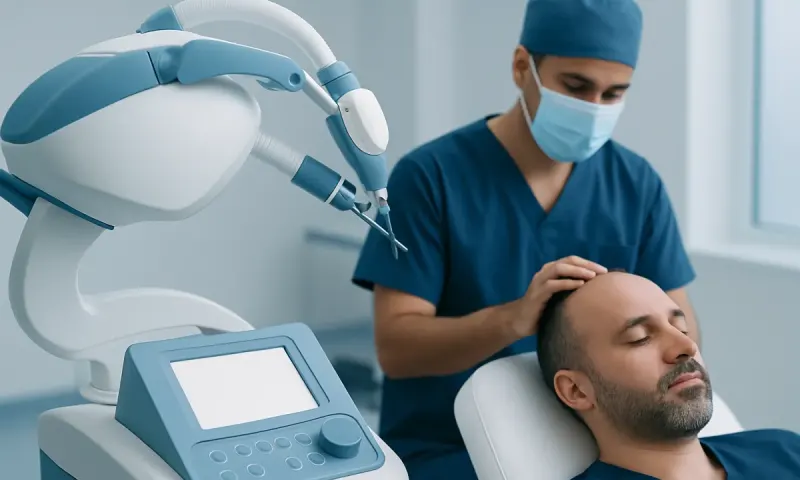
Hair Transplant in Antalya, Turkey: FUE and DHI Options
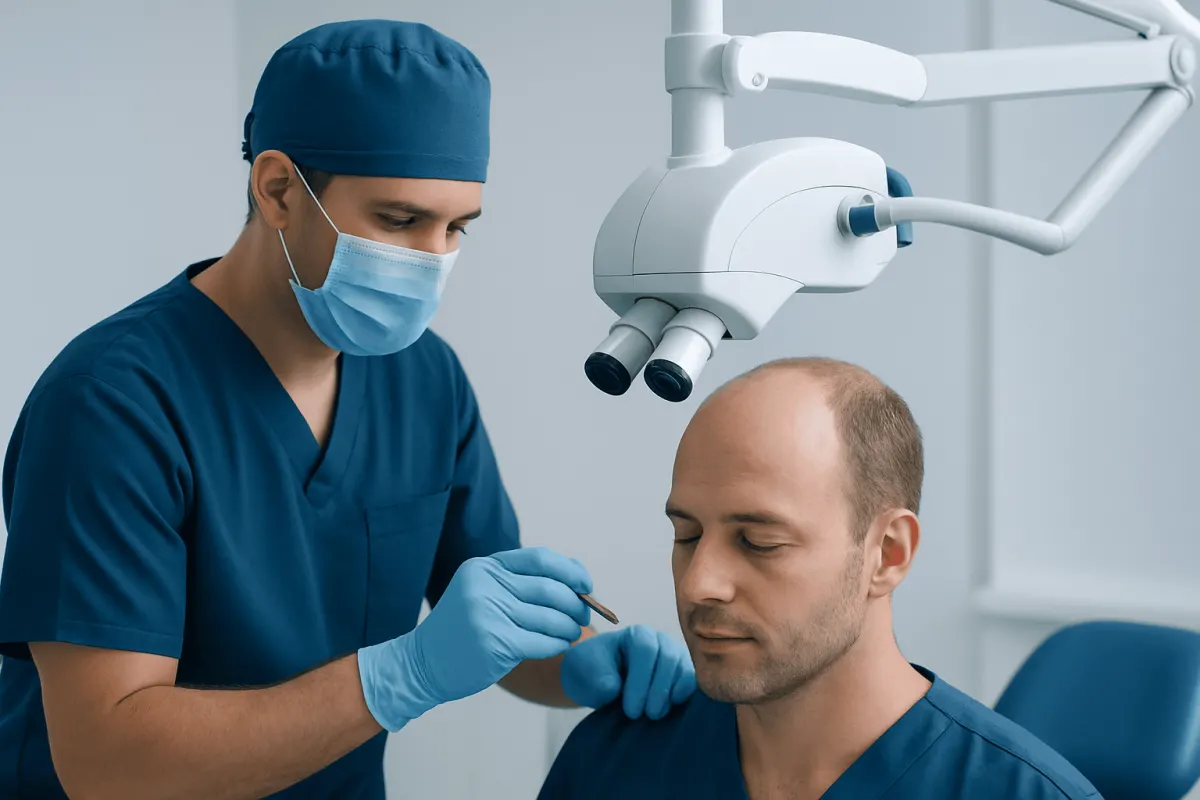
Hair transplant Antalya Turkey procedures can restore hair density by relocating healthy follicles from a donor area, usually the back or sides of the scalp, to areas affected by pattern hair loss. A safe outcome depends less on location and more on appropriate candidacy, medical assessment, surgical expertise, donor-area planning and reliable aftercare.
Hair transplant Antalya Turkey: an overview
A hair transplant Antalya Turkey procedure is a surgical option for people with stable or progressing hair loss who have enough healthy donor hair to redistribute. The surgeon removes naturally resistant follicles, most often from the back and sides of the scalp, and implants them into areas of thinning such as the hairline, temples or crown. The transplanted hair can continue growing because its genetic characteristics are generally retained after relocation.
Hair transplantation is most often considered for androgenetic alopecia, commonly called male- or female-pattern hair loss. It may also help selected people with stable hair loss after injury, burns or certain prior procedures. A specialist should first identify the cause of shedding, since temporary hair loss, inflammatory scalp disease and some medical conditions may need medical treatment rather than surgery.
The procedure should be viewed as long-term hair redistribution rather than a cure for hair loss. Existing non-transplanted hair can continue to thin over time, so a plan may include monitoring, evidence-based medical treatment where suitable and a carefully designed hairline that remains natural as a person ages.
How hair transplantation works and who may be a candidate
The two most commonly discussed approaches are follicular unit extraction (FUE) and direct hair implantation (DHI). In FUE, follicular units are individually removed from the donor area and placed into tiny recipient sites created in the thinning area. DHI generally describes implantation using a specialised implanter pen after follicles have been extracted; it is a variation in placement technique rather than a completely different source of donor hair.
Suitable candidates generally have a clear diagnosis, adequate donor density, realistic expectations and a healthy scalp. Hair characteristics matter: the colour contrast between scalp and hair, hair shaft thickness, curl pattern, degree of hair loss and available donor supply all influence the visual result. Age alone does not determine eligibility, but people with early or rapidly changing hair loss need particularly careful long-term planning.
A consultation should include a medical history, scalp examination and review of medications, nutritional factors and family history. Blood tests or dermatology assessment may be appropriate when diffuse shedding or an underlying health issue is suspected. People with active scalp infection, uncontrolled chronic illness, certain scarring alopecias or insufficient donor hair may need treatment or further evaluation before surgery.
For readers seeking a fuller overview of clinical assessment and surgical options, hair transplant treatment information can help explain how an individual treatment plan is developed.
Step by step: what happens during the procedure
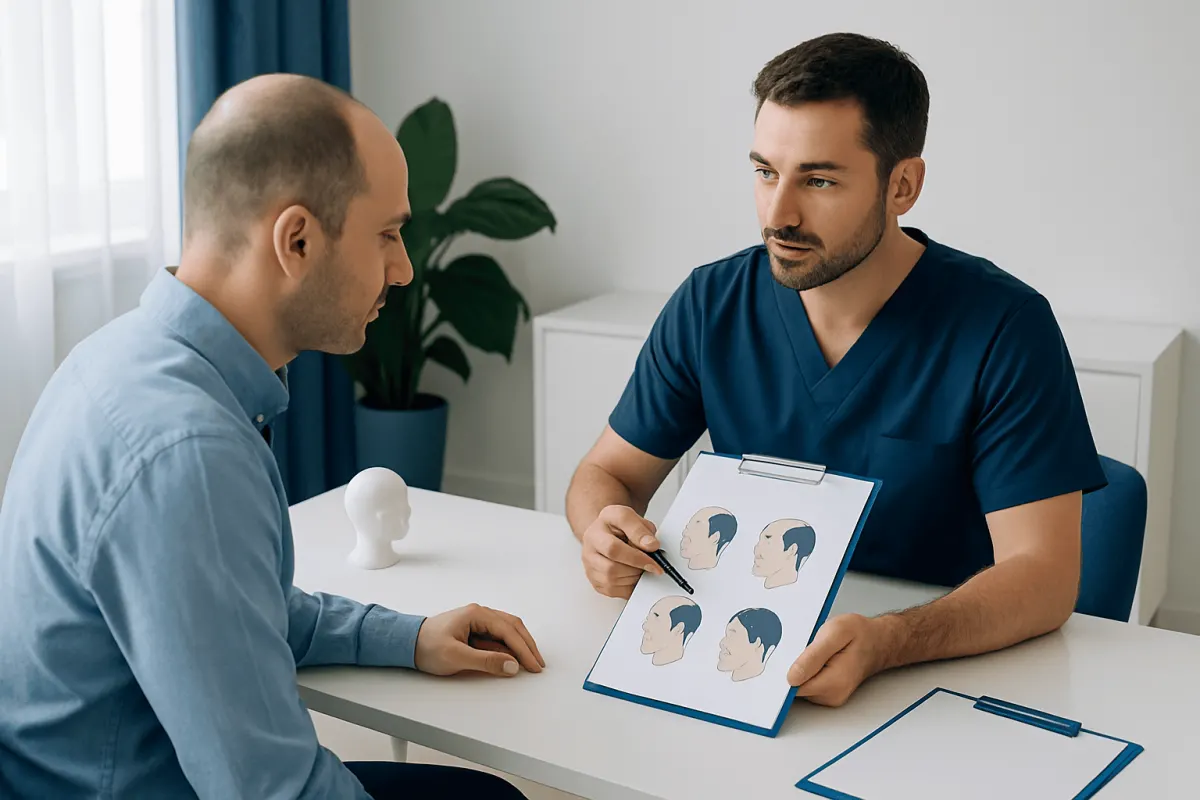
Before surgery, the clinician confirms the hairline design, coverage priorities and number of grafts that can be harvested safely. The donor and recipient areas are usually trimmed or shaved as needed. Local anaesthetic is used to numb the scalp, and some patients may receive medication to help them feel more relaxed if medically appropriate.
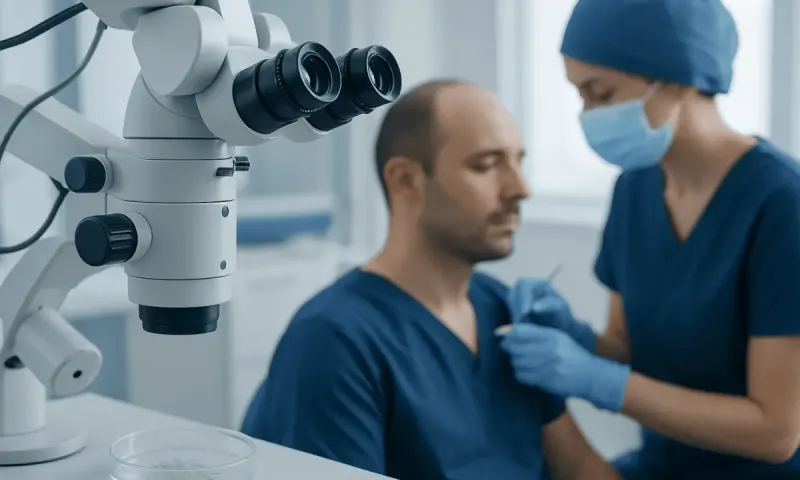
During extraction, the team removes follicular units from the donor area, typically using a very small punch in FUE. The grafts are examined and kept in suitable conditions while the recipient area is prepared. The surgeon then creates or plans the recipient sites with careful attention to direction, angle and spacing, which are important for a natural appearance.
Grafts are then inserted into the recipient sites, either with forceps or an implantation device depending on the technique. The length of the procedure varies with the size and complexity of the planned session. Patients usually return home the same day with written aftercare instructions, medicines if prescribed and an appointment for follow-up.
A high-quality procedure should protect the donor area as well as improve the visible thinning area. Using too many grafts at one session can permanently reduce donor density, which is why careful graft planning and conservative use of the donor supply are central to safe treatment.
Recovery timeline, results and long-term care
In the first few days, mild tenderness, tightness, small scabs and swelling around the forehead or scalp can occur. The transplant area should be protected from rubbing, scratching and direct pressure. Patients are usually advised to follow their clinic’s guidance on washing, sleeping position, physical activity, headwear and sun exposure because these instructions vary according to the procedure and the person’s health needs.
Crusting commonly settles over the first one to two weeks. Transplanted hair shafts often shed several weeks after surgery; this expected phase is sometimes called shock shedding and does not necessarily mean that the follicles have failed. Early new growth may appear after a few months, while noticeable density and texture develop progressively.
Final visual maturation commonly takes many months, and crown areas may appear more slowly than the frontal hairline. Hair growth is influenced by graft survival, scalp health, technique, healing, pre-existing hair quality and ongoing pattern hair loss. Follow-up appointments allow the surgical team to assess healing and discuss whether medical therapy may help preserve non-transplanted hair.
People should not compare their result too early or expect a single procedure to restore the density of an unaffected scalp. For extensive hair loss, limited donor supply may mean that coverage is prioritised in cosmetically important areas, and additional sessions may be considered only when medically appropriate.
Benefits, limitations and possible risks
The main potential benefit of transplantation is a lasting improvement in hair coverage using a person’s own follicles. When an experienced team designs the hairline and graft placement appropriately, the result can blend naturally with surrounding hair. The procedure may also reduce the need to camouflage thinning areas, although it does not replace healthy scalp care or management of continuing hair loss.
Limitations are important to understand. Donor hair is finite, and transplant surgery cannot reliably recreate the original density seen before hair loss. Results also vary between individuals. A person with fine hair, advanced hair loss or a limited donor area may obtain a different degree of coverage than someone with thick hair and a smaller thinning area.
Potential complications include temporary swelling, discomfort, numbness, itching, folliculitis, bleeding, infection, visible scarring, uneven density, poor graft growth and an unnatural hairline. Temporary shedding of existing nearby hair can also occur. Choosing a qualified medical team, sharing a complete health history and following aftercare guidance can reduce avoidable risk, but cannot eliminate it completely.
Medical treatments may be discussed for pattern hair loss before or after a transplant. These should only be used after a clinician reviews potential benefits, side effects, pregnancy considerations where relevant and interactions with other medicines.
What did Elon Musk use to regrow hair?
There is no verified public medical record confirming which treatment, if any, Elon Musk used for hair restoration. Before-and-after photographs have led to media speculation about a hair transplant, but photographs cannot establish a diagnosis, procedure type or the medical care received.
It is not advisable to use a celebrity’s appearance as a guide for treatment. Hair loss has different causes, and the right approach may range from observation and medical therapy to surgery, depending on scalp findings, family history, donor hair and personal goals. A consultation with a dermatologist or hair-restoration surgeon offers more reliable guidance than online speculation.
What happens 10 years after a hair transplant?
Ten years after a hair transplant, successfully transplanted follicles may still be growing because donor hairs from the back and sides of the scalp are often more resistant to pattern hair loss. However, the appearance can change as the person’s natural, non-transplanted hair continues to thin with age or genetic hair loss.
The long-term appearance therefore depends on a conservative hairline design, responsible use of the donor area and management of ongoing hair loss. Some people may consider additional treatment later, while others do not need another procedure. Regular review can help ensure that any future plan protects the remaining donor supply and remains appropriate for the person’s changing hair pattern.
What is the success rate of hair transplants in Turkey?
There is no single reliable national success rate for hair transplants in Turkey. Outcomes are not determined by the country alone, and clinics may define “success” differently. Graft survival, patient satisfaction and appearance are influenced by surgeon training, diagnosis, donor-area management, surgical technique, infection-control standards and the quality of follow-up care.
Rather than relying on a headline percentage, patients should ask how the clinic assesses candidacy, who performs each surgical step, how graft numbers are planned, what aftercare is provided and how complications are managed. They should also ask for clear, realistic discussion of likely coverage rather than promises of a specific density or guaranteed outcome.
Is Antalya good for hair transplant?
Antalya can be a practical destination for a hair transplant when a patient chooses an appropriately regulated healthcare provider with qualified clinicians, clear communication and a structured plan for follow-up. Travel convenience or destination appeal should not be the main measure of clinical quality; the safety and suitability of the procedure matter most.
International patients should allow time for preoperative assessment and early postoperative review, avoid scheduling major travel activities immediately after surgery and understand how care will continue after returning home. They should receive written instructions, a contact route for concerns and medical records that can be shared with a doctor locally if needed.
Acıbadem Health Point’s multidisciplinary specialists and JCI-accredited hospitals support diagnosis and treatment planning for international patients considering hair restoration. A consultation should always clarify whether surgery is appropriate and what results are realistically achievable.
When to seek medical care
A person should arrange medical assessment for sudden or rapidly worsening hair loss, patchy bald areas, scalp pain, redness, scaling, pus, significant itching or hair loss accompanied by fatigue, weight change or other new symptoms. These signs may point to a condition that needs diagnosis and treatment before cosmetic surgery is considered.
Prompt advice is also important after a transplant if there is fever, worsening pain, spreading redness, discharge, substantial bleeding or swelling that is severe or does not improve as expected. The treating clinic should be contacted first whenever possible; urgent medical care may be needed for severe symptoms.
Anyone considering transplantation should seek a clinician who can explain alternatives, limitations, risks and aftercare without pressure. A careful evaluation supports safer decisions and helps align the treatment plan with the person’s long-term hair goals.
Frequently asked questions
01How long does a hair transplant take?
The duration depends on the number of grafts, technique and complexity of the treatment area. Many procedures take several hours and are completed as outpatient surgery under local anaesthetic. The clinic can provide a more individual estimate after assessing the donor and recipient areas.
02Is a hair transplant painful?
Local anaesthetic is used so the scalp is numb during the main surgical steps. People may feel brief discomfort from injections, pressure or positioning during the procedure. Mild soreness, tightness or tenderness can occur during early healing and is usually managed using the clinician’s aftercare plan.
03When can patients wash their hair after a transplant?
The timing and method of washing depend on the clinic’s surgical protocol. Patients are often given specific instructions for gentle washing and avoiding rubbing or dislodging early grafts. Following those instructions is safer than using general online advice.
04Can women have a hair transplant?
Yes, some women are suitable candidates, particularly when hair loss is stable and the donor area is sufficiently dense. However, diffuse thinning can limit the amount of suitable donor hair, so diagnosis is especially important. A clinician may recommend medical evaluation or non-surgical treatment before considering transplantation.
05Will transplanted hair fall out again?
The transplanted hair shafts commonly shed in the weeks after surgery, while the follicles remain under the skin and later begin a new growth cycle. Over the long term, transplanted follicles are often relatively resistant to pattern hair loss, but this cannot be guaranteed for every individual. Nearby non-transplanted hair may still thin over time.
06Can a hair transplant be repeated?
A further procedure may be possible for some people, but it depends on remaining donor supply, scalp condition and the pattern of ongoing hair loss. Repeated surgery without careful planning can overharvest the donor area or create an unnatural result. A qualified clinician should assess the long-term plan before recommending another session.
This article is for general information only and is not a substitute for professional medical advice. Please consult a qualified doctor about your individual situation.
Hair transplant in Turkey — costs, graft counts & a free assessment
JCI-accredited · board-certified surgeons · reply within 24h
Add us as a Preferred Source to see more of our trusted health content across Google Search, AI Overviews and Discover.