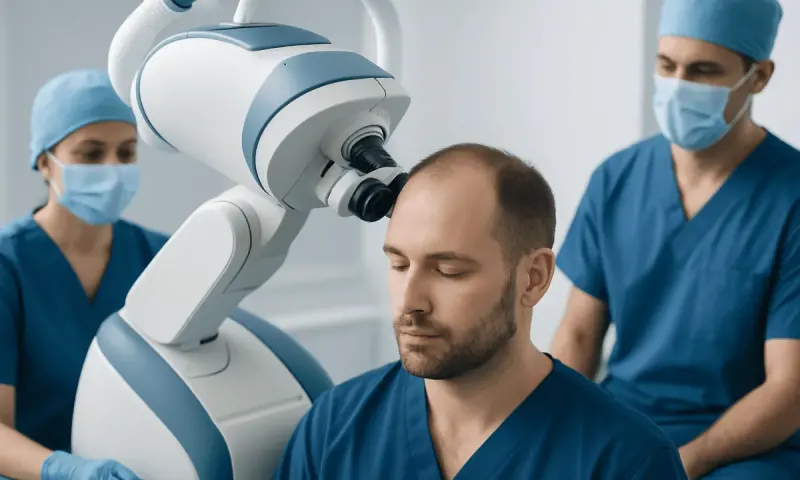
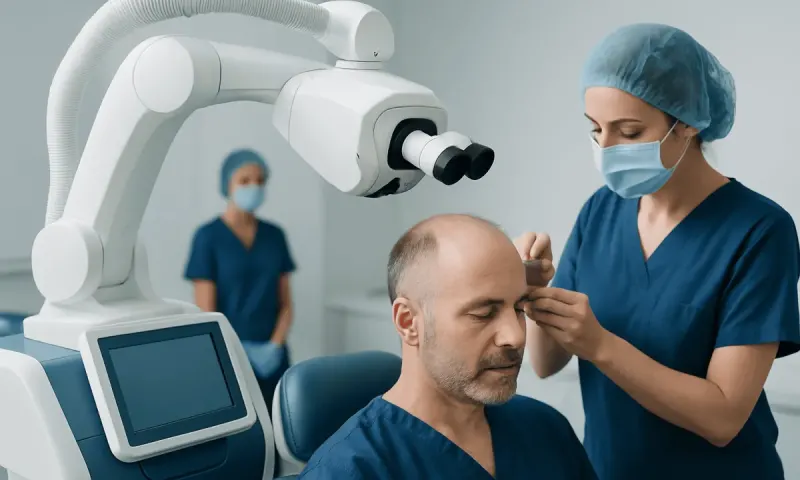
Hair Transplant Doctor: Choosing the Right Specialist
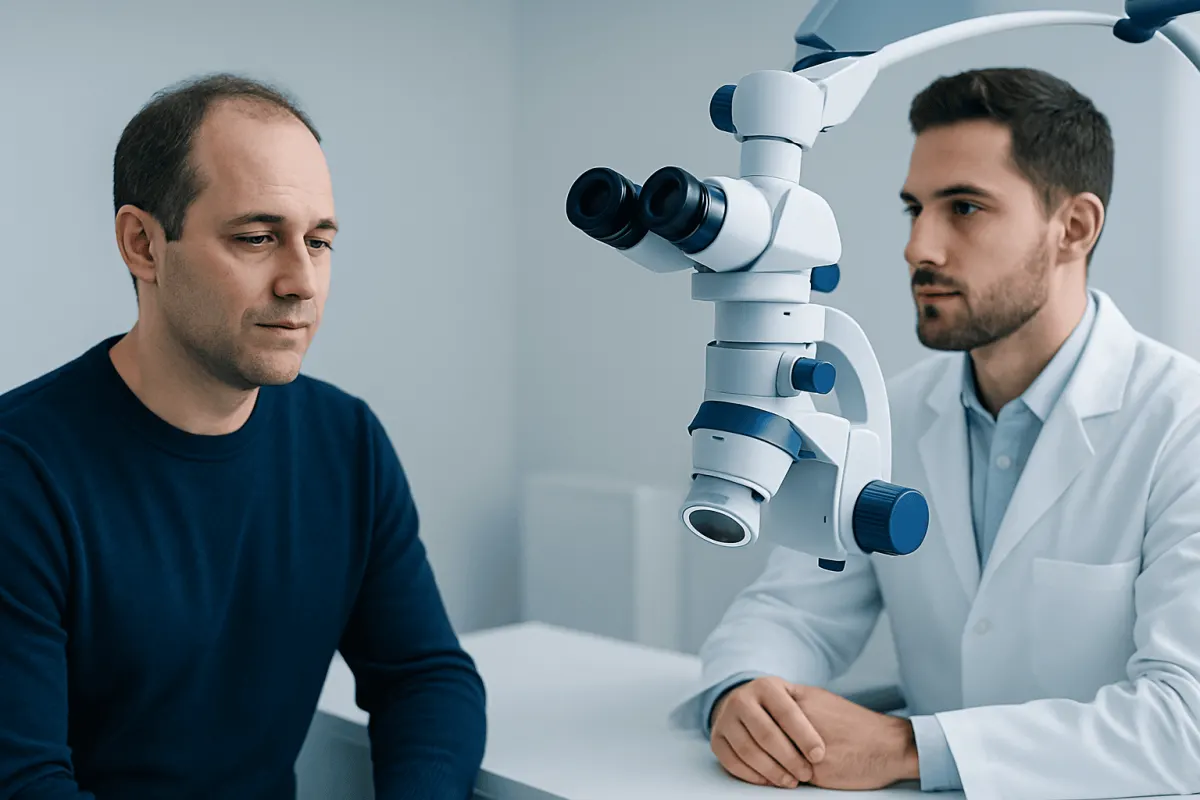
A hair transplant doctor is a qualified clinician who evaluates the cause and pattern of hair loss, decides whether transplantation is appropriate, and plans graft placement for a natural-looking result. The procedure moves healthy follicles from a donor area to thinning areas, with recovery occurring in stages and final growth taking time.
Overview: What Does a Hair Transplant Doctor Do?
A hair transplant doctor evaluates hair thinning, identifies whether hair loss is likely to respond to surgery, and creates a plan for moving follicles from a fuller donor area to areas with reduced density. The doctor should review medical history, medications, family history, scalp health, and the pattern and pace of hair loss before recommending a procedure.
During a transplant, follicular units containing one or more hairs are removed from the donor region, commonly the back and sides of the scalp, and placed into tiny recipient sites. The aim is not simply to add the greatest number of grafts; it is to use the limited donor supply thoughtfully, preserve a natural hairline, and plan for possible future thinning.
Hair transplantation can help people with pattern hair loss, some stable scars, or selected cases of hair loss after injury. It is less suitable when hair loss is active, diffuse, caused by untreated illness, or when the donor region is too sparse. A thorough consultation helps distinguish these situations and may include discussion of non-surgical hair-loss management.
Candidacy and Assessment Before Surgery
Good candidacy depends on more than age or the degree of baldness. A hair transplant doctor considers the quality and density of donor hair, the hair’s colour and texture, scalp flexibility, the expected progression of hair loss, and the person’s goals. Stable or slowly progressing androgenetic hair loss is commonly evaluated for transplantation, while abrupt shedding should be assessed for its underlying cause first.
The consultation should also address medical conditions that can affect wound healing or bleeding risk, as well as smoking, medicines, supplements, and prior scalp procedures. Blood tests or dermatology assessment may be appropriate when symptoms suggest iron deficiency, thyroid disease, inflammatory scalp disease, infection, or another medical cause of hair loss.
A realistic plan is essential. Transplanted follicles may be long-lasting because they generally retain characteristics of the donor area, but surrounding non-transplanted hairs may continue to thin. Some people benefit from medical treatment to protect existing hair, when clinically suitable, alongside surgery.
- Ask who will perform each surgical step and what qualifications and experience they have.
- Review the proposed donor-hair strategy, hairline design, expected density, and possible need for future treatment.
- Be cautious about promises of immediate density, guaranteed outcomes, or a one-size-fits-all graft number.
How the Hair Transplant Procedure Works Step by Step

The procedure is usually performed with local anaesthesia, meaning the scalp is numbed while the person remains awake. Depending on the technique and the planned number of grafts, it may take several hours and is often completed in one day. The doctor designs the recipient area and hairline before donor-hair removal begins.
Two broad donor-harvesting approaches are commonly used. Follicular unit extraction, often called FUE, removes individual follicular units through very small circular incisions. Follicular unit transplantation, or FUT, removes a narrow strip of donor scalp that is then divided into follicular units; this leaves a linear scar. The most appropriate method depends on the person’s donor area, hairstyle preferences, scalp characteristics, and treatment plan.
After graft preparation, the doctor makes small recipient sites at carefully chosen angles and directions, then places the grafts. Hairline artistry and distribution are clinically important: hairs at the front are commonly placed at a lower density and irregular pattern to avoid an artificial appearance, while larger grafts may be used behind the hairline to improve coverage.
For people considering treatment, hair transplant treatment should include a detailed discussion of the technique, aftercare plan, likely timeline, and factors that may affect the result. Surgical plans should be individualised rather than based only on a requested graft number.
How Long Do 3,000 Hair Grafts Take?
A procedure involving 3,000 grafts commonly takes most of a day and may extend into a full-day session, but the exact time varies considerably. The harvesting technique, number of clinical staff, graft characteristics, need for breaks, and the complexity of recipient-site creation all affect the duration. In some situations, a doctor may recommend dividing a large plan into separate sessions for safety, comfort, or donor-area management.
A graft is not the same as a single hair. Each follicular unit can contain one to several hairs, so the number of hairs placed may be higher than the graft count. However, more grafts do not automatically mean a better result; placing too many grafts too closely may affect blood supply and healing, while excessive harvesting can visibly thin the donor area.
During consultation, a hair transplant doctor can explain what graft range is reasonable for the area being treated and whether the donor supply can support it. The emphasis should be on a balanced, sustainable design that accommodates both current hair loss and likely future change.
Hair Transplant Procedure Recovery: Timeline and Aftercare
In the first few days, the recipient area often has small scabs, mild swelling, redness, and tenderness. The donor area may also feel sore or tight, depending on the technique used. The care team provides individual instructions about washing, sleeping position, activity, medicines, and when to return for review.
Common hair transplant recovery dos and don ts include following the prescribed gentle washing routine, protecting the scalp from accidental rubbing, and attending follow-up appointments. People are usually advised not to pick scabs, scratch the scalp, wear tight headwear unless approved, expose the healing scalp to strong sun, or return to strenuous exercise too early. Alcohol, smoking, and unapproved supplements may interfere with healing or increase bleeding risk, so they should be discussed with the clinician.
Scabs generally clear over the following days to weeks with appropriate washing. Temporary shedding of transplanted hairs often occurs within the first several weeks; this is expected and does not necessarily mean that the implanted follicles have been lost. The follicles remain beneath the skin and later enter a new growth phase.
Recovery advice should be tailored to the technique, scalp condition, and individual health. Anyone who develops increasing pain, spreading redness, pus-like drainage, fever, persistent bleeding, or significant swelling should contact the surgical team promptly.
How Painful Is Hair Transplant Recovery?
Hair transplant recovery is often described as more uncomfortable than severely painful. Local anaesthetic injections can cause brief stinging during the procedure, while the scalp may feel tender, tight, itchy, or mildly sore afterward. The level of discomfort differs by person and may also vary between donor-harvesting methods.
The treating doctor may recommend suitable pain relief and clear aftercare measures. Following washing instructions, avoiding pressure or friction on the scalp, and sleeping as advised can help reduce discomfort. Itching during healing is common, but scratching can dislodge scabs or irritate the skin.
Severe pain, pain that is worsening rather than improving, or pain accompanied by warmth, marked redness, drainage, or fever is not typical and should be assessed. Prompt communication with the clinic supports safe recovery and early treatment if a complication is developing.
How Long After a Hair Transplant Will I See Results?
Visible results take time because transplanted hairs usually shed before new growth begins. Early fine regrowth may be noticed around three to four months, although timing varies. Growth often becomes more noticeable between six and nine months, and many people see continued thickening and maturation for 12 months or longer, particularly in the crown area.
The final appearance depends on the number and quality of surviving grafts, hair characteristics, scalp healing, the size of the area treated, and ongoing thinning in existing hair. Transplanted hairs may initially appear finer or grow unevenly before becoming more consistent over time.
Photographs taken under similar lighting before surgery and at follow-up appointments can provide a more reliable way to assess progress than day-to-day checking. A hair transplant doctor can explain whether the recovery pattern is expected and discuss options if density, progression of hair loss, or cosmetic goals require further management.
Long-Term Outlook, Risks and When to Seek Medical Care
What happens 20 years after a hair transplant depends on genetics, the stability of the donor hair, ageing, and whether non-transplanted hair continues to thin. Transplanted donor follicles can continue growing for many years, but the overall appearance may change as surrounding hair is lost. For this reason, a conservative hairline and long-term plan are usually preferable to an aggressive design that may not suit future hair loss.
Potential risks include swelling, bleeding, infection, folliculitis, temporary numbness, noticeable scarring, uneven growth, poor graft survival, and an unnatural-looking result if planning or placement is inadequate. Although serious complications are uncommon, informed consent should include these possibilities and the limits of what surgery can achieve.
Online discussions, including searches for “hair transplant doctor recommendations reddit,” can offer personal experiences but cannot confirm a clinician’s qualifications or determine individual suitability. It is safer to verify credentials with the relevant medical regulator, review a doctor-led consultation, and seek an independent opinion if the recommendation feels rushed or unclear.
Medical care should be sought promptly for signs of infection, uncontrolled bleeding, a severe allergic reaction, or rapidly worsening swelling or pain after surgery. Acıbadem Health Point’s multidisciplinary specialists and JCI-accredited hospitals assess and treat hair-loss concerns for international patients, with care plans guided by clinical evaluation.
Frequently asked questions
01What should a person look for in a hair transplant doctor?
A suitable doctor should be appropriately licensed and experienced in evaluating hair loss and performing the planned technique. The consultation should include donor-area assessment, discussion of future hair loss, realistic goals, risks, aftercare, and who will perform each part of the procedure. It is reasonable to seek a second opinion before making a decision.
02Can a hair transplant stop further hair loss?
No. A transplant redistributes existing donor follicles and does not stop the biological process causing ongoing pattern hair loss. A doctor may discuss medical or non-surgical options that can help preserve existing hair when appropriate.
03When can someone wash their hair after a hair transplant?
The timing and method depend on the procedure and the surgeon’s instructions. Many patients are given a gentle washing routine soon after surgery, but they should avoid rubbing, scrubbing, or picking at the recipient area. Following the individual aftercare plan is important to protect the grafts during early healing.
04Will transplanted hair fall out?
The visible hair shafts commonly shed during the first weeks after transplant surgery, which is a normal part of the cycle. The implanted follicles can remain in the scalp and begin producing new hair several months later. Persistent concerns about shedding should be discussed at follow-up.
05Is FUE better than FUT?
Neither technique is universally better. FUE may appeal to people who prefer to avoid a linear scar, while FUT can be appropriate when a strip-harvesting approach fits the donor area and treatment goals. The best choice depends on individual scalp, hair, and long-term planning factors.
06Can women have hair transplant surgery?
Some women are suitable candidates, particularly when they have a stable pattern of hair loss and sufficient donor density. Because diffuse thinning and medical causes of shedding are more common in some women, careful diagnosis is especially important before surgery. A clinician may recommend treating an underlying cause before considering transplantation.
This article is for general information only and is not a substitute for professional medical advice. Please consult a qualified doctor about your individual situation.
Hair transplant in Turkey — costs, graft counts & a free assessment
JCI-accredited · board-certified surgeons · reply within 24h
Add us as a Preferred Source to see more of our trusted health content across Google Search, AI Overviews and Discover.