Hair Surgery in Istanbul: Transplant Recovery and Results
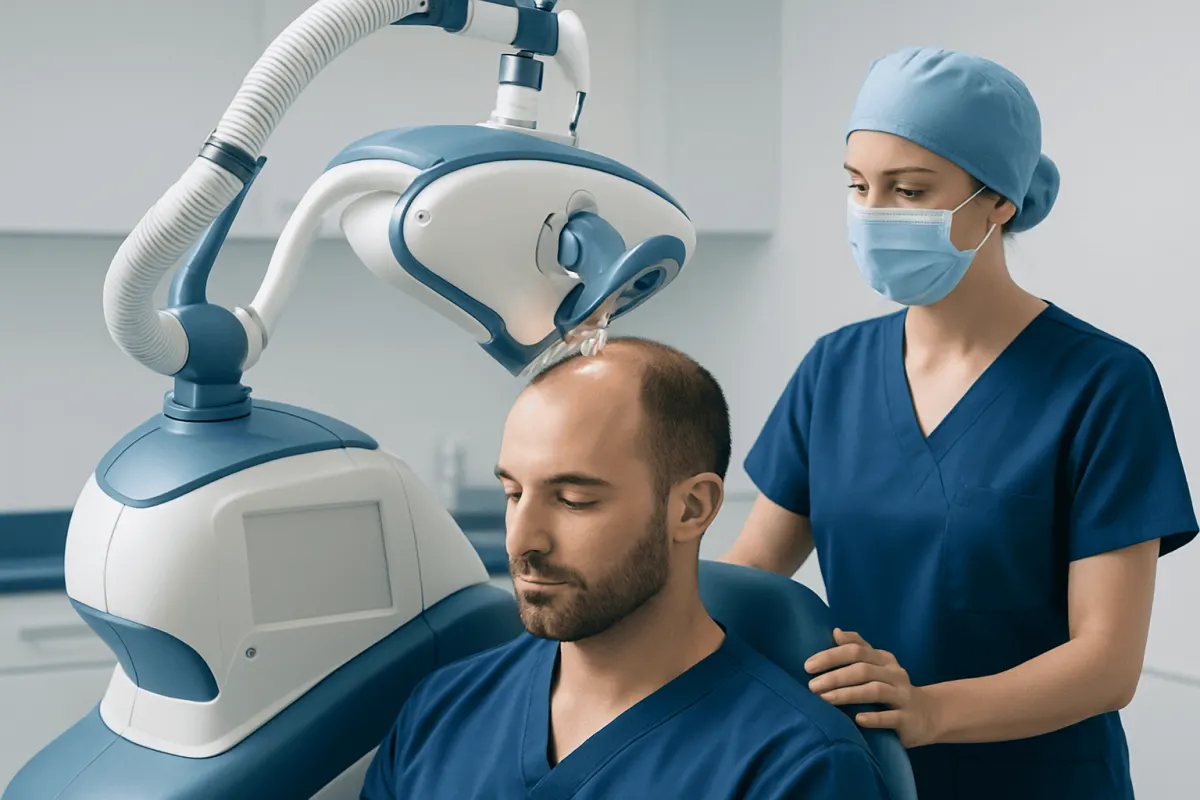
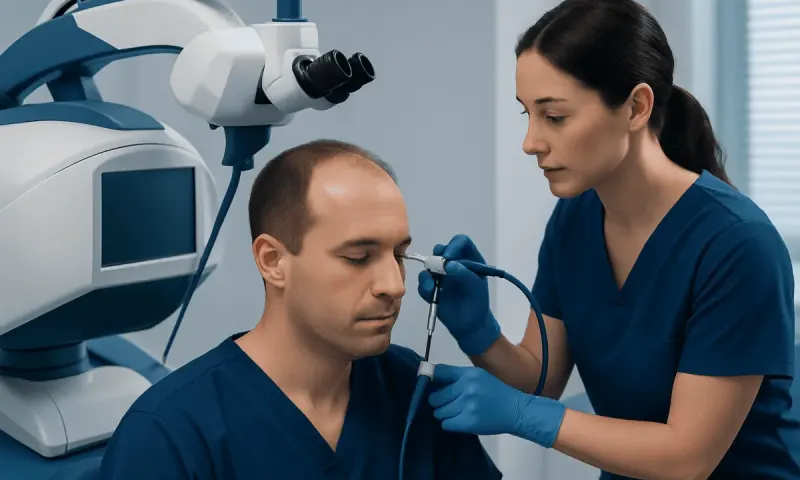
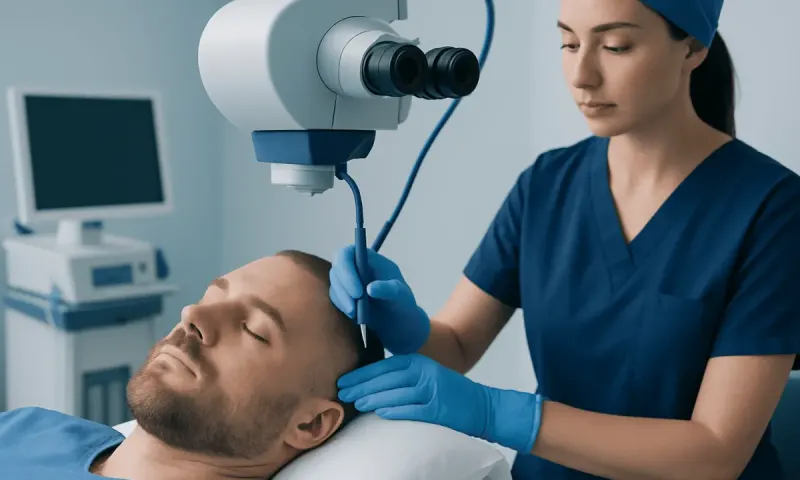
Hair surgery in Istanbul usually refers to hair transplantation, a procedure that moves healthy hair follicles from a donor area to areas affected by permanent thinning. It can provide natural-looking, long-lasting coverage for suitable candidates, but results depend on diagnosis, donor supply, surgical planning and careful aftercare.
Hair Surgery Istanbul: What It Means
Hair surgery Istanbul commonly describes surgical hair restoration for people travelling to Istanbul for assessment and treatment. In most cases, it means a hair transplant: a clinician removes naturally growing follicular units from a donor area, usually the back and sides of the scalp, and places them into areas of thinning or baldness. The transplanted follicles continue their normal growth cycle after healing.
Hair transplantation is most often used for androgenetic alopecia, also called male-pattern or female-pattern hair loss. It may also be considered to restore eyebrows, beards or selected scarred areas when the underlying skin and hair-loss pattern have been carefully evaluated. It is not a cure for ongoing hair loss, and untreated native hair may continue to thin over time.
A safe decision begins with a medical consultation rather than choosing a technique based on advertising or photographs alone. A detailed hair transplant assessment can help determine whether surgery is appropriate, how many grafts may be available, and what level of coverage can be realistically expected.
How Hair Transplant Surgery Works
Each hair follicle grows in a small natural grouping called a follicular unit. During transplantation, these units are harvested from the donor area and implanted into carefully planned recipient sites. The surgeon considers the hairline, direction of growth, curl pattern, hair calibre, skin contrast and future hair-loss pattern to create a result that looks balanced over time.
Follicular unit extraction (FUE) removes individual follicular units using a small punch device. It leaves many tiny circular scars that are usually less noticeable once healed, particularly when hair is kept at a moderate length. Follicular unit transplantation (FUT), sometimes called strip surgery, removes a narrow strip of donor-bearing scalp and then separates it into follicular units; it leaves a linear scar in the donor area.
Neither technique is automatically best for every person. FUE may suit people who prefer to avoid a linear scar or who plan to wear their hair short, while FUT can be appropriate when a larger number of grafts is needed in selected cases. The medical team should explain the expected donor-area appearance, graft needs and limitations of each approach.
Who May Be a Candidate for Hair Surgery

A suitable candidate generally has permanent hair loss, sufficient stable donor hair and realistic expectations about density and coverage. Hair surgery is often most predictable when the pattern of loss has been assessed over time. In younger adults or people with rapidly progressing loss, clinicians may recommend monitoring the pattern or using medical treatment first, as an early hairline can become less natural if loss progresses behind it.
The consultation should explore the cause of thinning. Diffuse shedding can occur after illness, significant stress, nutritional deficiency, hormonal changes, medication changes or other conditions. These causes may require medical care rather than transplantation. A clinician may examine the scalp, review medical history and arrange blood tests or other investigations when indicated.
People with active scalp inflammation, infection, uncontrolled medical conditions, some scarring hair-loss disorders or severely limited donor hair may need treatment or further specialist review before surgery. Smoking, poor wound healing history and medicines that affect bleeding are also important to discuss. A transplant surgeon can help distinguish patterned thinning from other forms of hair loss that may need a different approach.
- Good donor density and hair quality support planning.
- Healthy scalp skin and controlled medical conditions are important for healing.
- Expectations should account for future hair loss as well as current thinning.
- Medical treatment may be advised to help preserve existing, non-transplanted hair.
What Happens Before, During and After the Procedure
Before surgery, the clinician confirms the treatment plan, photographs the scalp and designs the proposed hairline or treatment area. Instructions may include avoiding smoking and discussing supplements, alcohol or medicines that can affect bleeding or healing. Patients should never stop prescribed medication without advice from their usual doctor or surgical team.
On the day, the scalp is typically numbed with local anaesthetic. The donor hair may be trimmed, then follicles are harvested by FUE or a donor strip is removed in FUT. The surgeon creates tiny recipient sites at planned angles and directions before grafts are placed. The procedure can take several hours, depending on the treatment area and graft number; some people require more than one session.
Most people go home on the same day with written instructions. The clinical team explains how to sleep, clean the scalp, protect grafts and attend follow-up. The first days are focused on avoiding friction, pressure and trauma to the implanted area. A responsible surgical plan also includes a long-term strategy for maintaining existing hair, which may involve clinician-guided non-surgical options.
Recovery Timeline and Expected Results
Mild soreness, swelling, redness and small crusts are expected after hair transplantation. Swelling, if it occurs, is commonly most noticeable in the first few days. Tiny scabs usually loosen over approximately one to two weeks when aftercare washing instructions are followed. The donor area also needs protection while it heals.
Transplanted hairs often shed during the first several weeks. This is a normal part of the growth cycle and does not usually mean the follicles have failed. New hair growth may first be fine and uneven. Early visible growth often begins after several months, with increasing thickness and coverage over the following months. Final maturation may take around a year or longer, especially in the crown area.
Results vary with the extent of hair loss, donor characteristics, graft survival, scalp health and ongoing loss of native hair. A transplant can improve coverage but cannot restore the density of an untouched scalp in every case. Follow-up appointments allow the team to check healing, review hair growth and discuss whether further medical or surgical treatment may be useful.
Benefits, Limitations and Possible Risks
The main benefit of hair transplantation is that it uses a person’s own hair follicles. When follicles heal and establish growth in the recipient area, they are generally long-lasting. Carefully designed placement can improve the appearance of hairline recession, part widening or localized thinning while respecting the available donor supply.
As with any surgical procedure, there are risks. These include bleeding, infection, temporary numbness or discomfort, swelling, poor wound healing, folliculitis, visible scarring and an unnatural-looking result if planning or graft placement is inadequate. In some people, existing hair around the transplant may temporarily shed; this is often called shock loss and may be temporary, though it can be more significant where native hairs are already weak.
Hair growth may be less dense than hoped, and some grafts may not grow. It is also possible for progressive pattern hair loss to change the appearance over time. Choosing a properly qualified, experienced medical professional, sharing a complete medical history and following aftercare instructions can help reduce avoidable risks, although no procedure can guarantee a particular cosmetic result.
When to Seek Medical Care
Medical advice is important before pursuing hair surgery if hair loss is sudden, patchy, associated with scalp pain, itching, scaling, redness or scarring, or accompanied by other health changes such as fatigue or unexpected weight change. These features can suggest a condition that should be diagnosed and treated before any cosmetic procedure is considered.
After a transplant, patients should contact their surgical team promptly for increasing pain, spreading redness, fever, pus-like drainage, significant bleeding, worsening swelling or any concern about healing. Urgent care may be needed for severe symptoms or signs of an allergic reaction, such as difficulty breathing or swelling of the face or throat.
For international patients, planning should include time for initial recovery and clear arrangements for remote or in-person follow-up after returning home. Acıbadem Health Point’s multidisciplinary specialists and JCI-accredited hospitals assess and treat hair-loss concerns and hair transplantation needs for international patients.
Frequently asked questions
01Is hair surgery in Istanbul the same as a hair transplant?
In most contexts, hair surgery refers to hair transplantation. The procedure transfers a person’s own follicles from a donor area to thinning or bald areas. The exact technique and treatment plan should be selected after a medical assessment.
02How long does recovery take after a hair transplant?
Most early scabbing and visible redness improve within one to two weeks, although the donor area may take longer to settle completely. People can often return to light daily activities relatively soon, but should follow their clinician’s advice about exercise, headwear, sun exposure and washing. New growth develops much more slowly than skin healing.
03When will hair transplant results be visible?
Transplanted hairs commonly shed in the first weeks before new growth begins. Early growth may become noticeable after several months, then gradually thicken over subsequent months. Full maturation can take about a year or longer, particularly for crown transplantation.
04Does hair transplant surgery stop future hair loss?
No. Transplanted follicles are generally more resistant to pattern hair loss, but existing non-transplanted hair can continue to thin. A clinician may discuss medical treatments and long-term planning to protect native hair where appropriate.
05Can women have hair transplant surgery?
Some women are suitable candidates, especially when thinning is localized and there is stable donor hair. However, diffuse thinning is common in women and may reduce donor availability. A medical diagnosis is particularly important because hormonal, nutritional and autoimmune causes may need treatment first.
06What are the main risks of hair transplant surgery?
Possible risks include infection, bleeding, swelling, discomfort, scarring, temporary numbness, folliculitis and temporary shedding of nearby existing hair. Results may also be less dense than expected or may not match future changes in hair loss. An experienced medical team can explain individual risks during consultation.
This article is for general information only and is not a substitute for professional medical advice. Please consult a qualified doctor about your individual situation.
Hair transplant in Turkey — costs, graft counts & a free assessment
JCI-accredited · board-certified surgeons · reply within 24h
Add us as a Preferred Source to see more of our trusted health content across Google Search, AI Overviews and Discover.