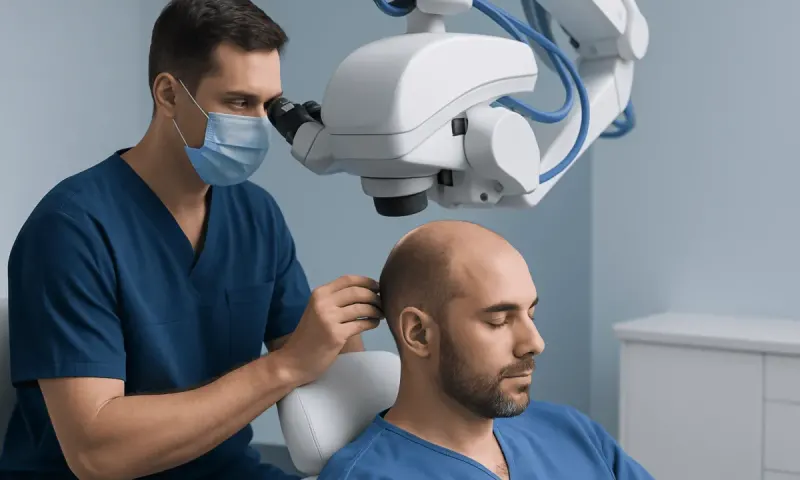
Hair Replacement Service: Surgical and Nonsurgical Options
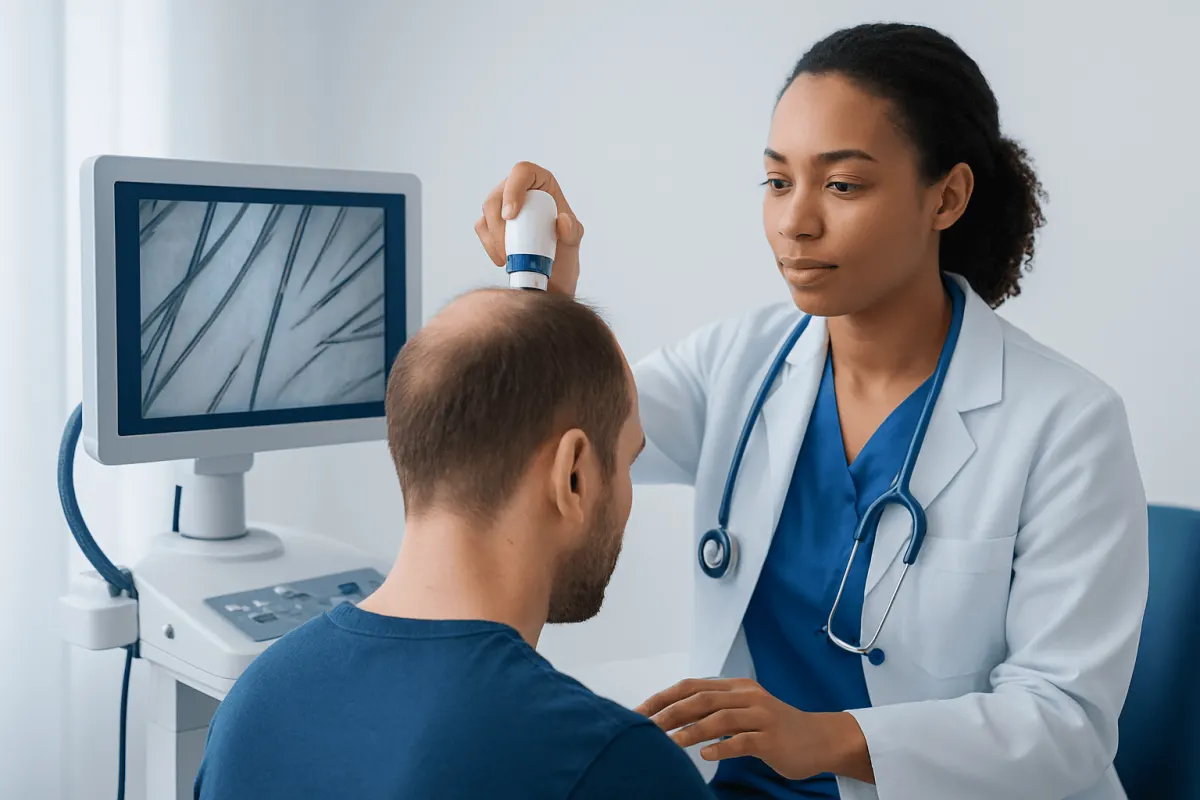
A hair replacement service may include a surgical transplant of a person's own follicles or a nonsurgical hair system, following an assessment of the cause and pattern of hair loss. Healing after transplantation is relatively quick, but meaningful growth and long-term planning take time because existing hair may continue to thin.
What a Hair Replacement Service Includes
A hair replacement service is a personalized approach to hair loss that may include medical assessment, a surgical hair transplant, a nonsurgical hair system, or a combination of options. In hair implant surgery, a clinician moves a person’s own follicles from a donor area to thinning areas; the scalp typically heals within days to weeks, but visible new growth develops gradually over several months.
The term hair replacement can mean different things. Surgical hair restoration, also called hair transplantation, uses living follicles taken most often from the back or sides of the scalp. Nonsurgical replacement usually involves a custom hairpiece, wig, or integrated hair system that creates immediate coverage but does not grow hair and needs ongoing fitting, cleaning, and maintenance.
A transplant may help selected people with stable pattern hair loss and sufficient donor hair. It is not a cure for every type of thinning, and it does not prevent the person’s remaining, non-transplanted hair from continuing to shed over time. A careful plan should focus on a natural-looking hairline, realistic density, long-term donor preservation, and the person’s overall health goals.
Assessment, Candidacy, and Treatment Planning
Before recommending a procedure, a qualified clinician reviews when the hair loss began, how quickly it has progressed, family history, medical conditions, medicines, recent illness, nutrition, and hair-care practices. The scalp is examined for the pattern of loss, inflammation, scarring, hair-shaft changes, and the density of the possible donor area. Targeted blood tests or, less commonly, a scalp biopsy may be considered when the cause is uncertain.
Inherited pattern hair loss is a common reason people seek transplantation, but other causes require a different approach. Sudden shedding after illness or stress, iron or thyroid-related problems, traction from tight hairstyles, autoimmune hair loss, scalp infection, and inflammatory or scarring conditions should be identified and managed first. Active scalp disease or rapidly changing hair loss may make it appropriate to postpone a transplant while the underlying issue is treated.
Two established techniques are follicular unit extraction, or FUE, and follicular unit transplantation, or FUT. FUE removes individual follicular units, while FUT removes a narrow strip of donor scalp that is divided into grafts. The best option depends on donor hair characteristics, scalp flexibility, hairstyle preferences, the amount of coverage needed, and the likelihood of future hair loss rather than on a single technique being universally better.
How Hair Implant Surgery Is Performed

Hair implant surgery usually refers to an autologous hair transplant, meaning the implanted follicles come from the same person. On the procedure day, the donor and recipient areas are prepared and numbed with local anesthesia. With FUE, follicular units are removed one by one; with FUT, a donor strip is removed and the follicular units are carefully separated under magnification.
The clinician then creates very small recipient sites and places the grafts according to the planned direction, angle, and distribution of natural hair growth. The number of grafts and the length of the procedure vary widely with the treatment area and the available donor supply. Many procedures are completed as outpatient care, although larger treatment plans may be staged across more than one session.
The implanted hairs commonly shed in the first several weeks, which can be expected and does not necessarily mean the follicles have failed. New growth often begins to become noticeable after several months, with a fuller appearance developing over roughly 6 to 12 months. Areas such as the crown may take longer to mature, sometimes up to 12 to 18 months.
Is Hair Replacement Surgery Painful?
Hair replacement surgery is usually well tolerated because local anesthesia keeps the scalp numb during graft extraction and placement. The numbing injections can cause brief stinging or pressure, but sharp pain should not be felt while the anesthesia is working. Some people may also be offered measures to help them feel more relaxed, depending on the clinic and their medical needs.
After the procedure, mild soreness, tightness, tenderness, or a headache-like sensation can occur, especially in the donor area. These symptoms are generally temporary and can often be managed with the pain-relief plan recommended by the treating team. Pain that is severe, increasing, or associated with marked swelling, spreading redness, or discharge should be reported rather than managed alone.
How Long Does It Take to Recover From Hair Implant Surgery?
Recovery from hair implant surgery has two timelines: the scalp’s physical healing and the slower process of hair growth. Most people have small scabs, redness, and tenderness for about 7 to 10 days, although this varies by technique, skin type, and the size of the procedure. Many can return to desk-based work within several days, while others prefer to allow a week or more for visible crusting to settle.
The first days are important for protecting the grafts. The surgical team provides individual instructions on sleeping position, gentle washing, medication use, headwear, and when to restart exercise. Patients should avoid rubbing, scratching, picking scabs, or exposing the scalp to friction during early healing, and they should not stop prescribed medicines or start supplements without discussing this with their clinician.
Temporary swelling around the forehead, itching as the scalp heals, and shedding of transplanted hair shafts can occur. Strenuous exercise, swimming, and activities that cause heavy sweating are commonly delayed until the clinician confirms that healing is progressing well. Although routine activities may resume fairly soon, cosmetic recovery continues as transplanted follicles enter a resting phase and then begin their new growth cycle.
When Is the Most Painful Day After a Hair Transplant?
There is no single most painful day for everyone, but discomfort is most likely to be noticeable during the first 24 to 72 hours after a hair transplant, once the local anesthetic has fully worn off. Some people notice more tenderness on the evening of the procedure, while others feel it most on the second day. The donor area may feel sensitive for several days, particularly after FUT, where there is a linear incision.
Following the aftercare plan, resting, and using only the pain relief recommended by the surgical team can support comfort during this period. Itching may become more noticeable later in the first week as scabs heal, but scratching can disturb healing skin and grafts. Increasing pain after an initial improvement, or pain accompanied by fever, warmth, pus, or significant swelling, should prompt a call to the treating clinic.
What Happens 10 Years After a Hair Transplant?
In many suitable candidates, transplanted follicles retain the characteristics of the donor area and can continue growing hair for many years. This is why donor selection matters: follicles from the back and sides of the scalp are often more resistant to the hormonal effects that cause pattern hair loss. However, no clinician can guarantee exactly how an individual’s result will look a decade later.
The main long-term consideration is the person’s existing, non-transplanted hair. It may continue to thin with age or inherited hair loss, potentially creating a difference in density between transplanted and native areas. Medical treatment may be discussed for appropriate patients to help preserve existing hair, and some people may consider a further procedure later if there is enough donor supply and the expected benefit is reasonable.
Transplanted hair also ages normally: it can turn gray, change texture, and become less dense over time. A conservative initial hairline and a plan that preserves donor reserves can help a result remain balanced as appearance and hair-loss patterns change. Follow-up with a hair-loss clinician is useful when thinning progresses or the scalp develops new symptoms.
When to Seek Medical Care
A medical assessment is advisable before choosing a hair replacement service when hair loss is sudden, patchy, rapidly worsening, painful, itchy, scaly, or associated with scalp redness or scarring. It is also important to seek advice if shedding follows a new medicine, major illness, childbirth, weight change, or dietary restriction. Identifying a treatable cause may improve hair health and can prevent an unsuitable cosmetic procedure.
After a transplant, the treating team should be contacted for persistent bleeding, worsening redness, fever, discharge, marked swelling, or pain that is severe or getting worse. For international patients considering treatment, Acıbadem Health Point’s multidisciplinary specialists and JCI-accredited hospitals can assess hair-loss concerns and discuss suitable treatment options after an individual consultation.
Frequently asked questions
01Are a hair replacement service and a hair transplant the same?
Not always. A hair replacement service may offer a surgical transplant, a nonsurgical hair system, or both. A transplant uses a person's own follicles to grow hair over time, while a hair system provides coverage without changing follicle growth.
02Who is a suitable candidate for a hair transplant?
Suitable candidates commonly have a stable pattern of hair loss and enough healthy donor hair for the treatment goal. A clinician also considers age, current rate of thinning, scalp health, medical history, and expectations. People with active scalp inflammation or an undiagnosed cause of hair loss may need treatment or further assessment first.
03Can transplanted hair fall out after surgery?
The transplanted hair shafts often shed during the first several weeks after surgery, which is usually a normal part of the growth cycle. The follicles generally remain under the skin and later begin producing new hairs. Early trauma to grafts can affect results, so aftercare instructions should be followed closely.
04Can a transplant be performed if hair loss is still progressing?
It can be possible, but planning is especially important because non-transplanted hair may continue to thin. The clinician may recommend treating or monitoring ongoing hair loss before surgery and designing a conservative hairline. This helps protect donor supply and reduce the chance of an uneven appearance later.
05When can hair be washed or covered with a hat after a transplant?
The timing and technique for washing depend on the procedure and the clinician's protocol, so patients should use their individual instructions. Gentle cleansing is often introduced early, but rubbing, strong water pressure, and tight headwear can interfere with healing. The treating team can advise when a loose, clean hat is appropriate.
06Will hair transplant scars be visible?
All surgical techniques leave some scarring, but its appearance varies. FUE usually leaves tiny dot-like scars, while FUT leaves a linear scar in the donor area. Hair length, skin healing, graft technique, and the clinician's planning all influence how noticeable scars may be.
This article is for general information only and is not a substitute for professional medical advice. Please consult a qualified doctor about your individual situation.
Hair transplant in Turkey — costs, graft counts & a free assessment
JCI-accredited · board-certified surgeons · reply within 24h
Add us as a Preferred Source to see more of our trusted health content across Google Search, AI Overviews and Discover.