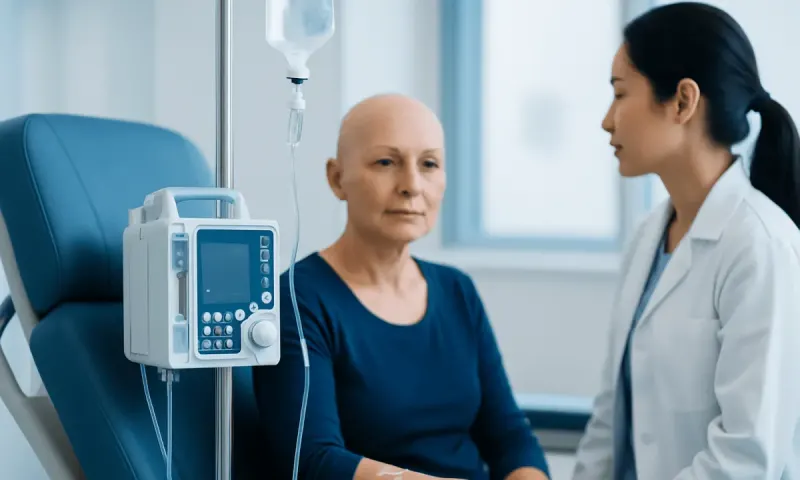
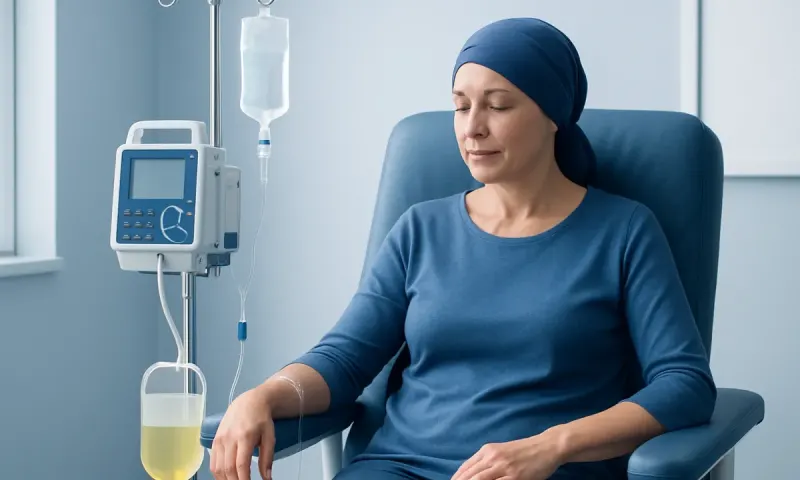
Hair Regrowth After Chemo: What Changes to Expect

Hair regrowth after chemo commonly starts about 2 to 6 weeks after the final treatment, with visible coverage developing gradually over several months. The pattern varies with the medicines used, treatment duration, individual hair biology and whether radiation affected the scalp.
Hair regrowth after chemo: the short answer
Hair regrowth after chemo usually begins once chemotherapy medicines have cleared enough for hair follicles to restart their normal growth cycle. For many people, fine new hairs appear around 2 to 6 weeks after the last treatment, while a more noticeable covering may take several months and fuller hair can take 6 to 12 months or longer.
Hair loss can be one of the most visible effects of cancer treatment, and the waiting period afterward may feel uncertain. Regrowth is common, but its timing and appearance differ from person to person. The oncology team can explain what is most likely based on the treatment plan and whether the scalp received radiation.
Hair changes are not a measure of how well chemotherapy worked. They are a side effect of medicines acting on rapidly dividing cells, including the cells that support active hair growth.
How chemotherapy affects hair growth and how regrowth works
Hair follicles naturally move through phases of growth, transition and rest. Many chemotherapy medicines target cells that divide quickly, which is an important feature of many cancer cells. Because cells in actively growing hair follicles also divide quickly, treatment can interrupt the hair-growth phase and lead to thinning or hair shedding.
After chemotherapy is completed, the follicles generally recover and re-enter a growth phase. New hairs may first appear as soft, fine fuzz. They then become thicker and longer over time. Eyebrows, eyelashes, facial hair and body hair may follow their own timelines, rather than returning at the same time as scalp hair.
Hair regrowth after chemo treatment depends partly on the type, dose and schedule of chemotherapy. Some people have mild thinning rather than complete loss, while others lose most scalp hair. Hair loss can also occur during treatment rather than immediately after the first infusion, often becoming noticeable after the first few weeks.
What timeline can a person expect?

It is understandable to ask, “hair regrowth after chemotherapy how long?” Although individual experiences differ, early regrowth often becomes apparent within weeks after the final chemotherapy cycle. At about 2 to 3 months, many people can see short new hairs. By around 6 months, the hair may provide more coverage, while reaching a preferred length can take a year or more.
Hair may continue to change during the first year. It can initially grow more slowly, then gradually return toward its prior growth rate. Regular trimming does not make hair follicles grow faster, but it may make uneven early lengths easier to manage.
Hair regrowth after chemo for breast cancer follows the same general principles. However, breast cancer treatment plans vary widely. Ongoing endocrine therapy, targeted therapy or other medicines may affect hair density or texture in some people, so it is useful to report continued thinning to the cancer care team.
- Weeks 2 to 6 after chemotherapy: fine new scalp hairs may begin to emerge.
- Months 2 to 3: regrowth is often more visible, though still short and uneven.
- Months 6 to 12: many people have meaningful coverage and continued length growth.
- Beyond 12 months: texture and density may continue to settle; a clinician can assess persistent concerns.
Does hair grow back different after chemo?
Yes, hair can grow back differently after chemotherapy, especially during the first months. Some people notice more curls or waves than before, an experience sometimes called “chemo curls.” New hair may also appear straighter, finer, coarser, darker, lighter or gray. These changes are usually temporary, although in some people they last longer.
The reasons are not fully predictable. Chemotherapy can temporarily alter how the recovering follicle forms the hair shaft, while age, hormones, nutritional status and genetics also influence hair color and texture. New hair can look uneven at first because follicles restart at different times.
Gentle styling is usually the best approach while the scalp and new hair are recovering. A soft brush or wide-tooth comb, mild shampoo, conditioner and reduced heat styling can limit breakage. Chemical coloring, bleaching, straightening or perming is best delayed until the oncology team confirms that the scalp and hair are healthy enough.
How to speed up hair regrowth after chemo
There is no reliable method that can force hair follicles to grow back faster after chemotherapy. Hair regrowth after chemo products are often marketed with strong promises, but vitamins, oils, shampoos and supplements have not been shown to dramatically restore chemotherapy-related hair growth in people who are already adequately nourished.
The most helpful measures support the body’s general recovery: eating a balanced diet with sufficient protein and calories, drinking enough fluids, sleeping as well as possible, and following the oncology team’s aftercare advice. Before taking biotin, iron, zinc or other supplements, a person should ask their clinician. Supplements may be unnecessary, can interfere with certain tests or medicines, and may not be safe for everyone.
Some clinicians may consider topical minoxidil for selected patients with delayed or ongoing thinning, but it should not be started without medical advice. It is not suitable for every scalp condition or cancer treatment plan, and it does not prevent all chemotherapy-related hair loss. A dermatologist can help distinguish treatment-related shedding from other causes, such as iron deficiency, thyroid disease, androgenetic hair loss or scalp inflammation.
Cooling caps may reduce chemotherapy-related hair loss for some regimens when used during treatment, but they are preventive rather than a treatment for hair that has already shed. Their suitability depends on the cancer type, chemotherapy regimen and oncology guidance.
Which chemo is worst for hair loss?
Chemotherapy drugs differ greatly in their likelihood of causing hair loss. Medicines often associated with more substantial scalp hair loss include anthracyclines, such as doxorubicin, and taxanes, such as paclitaxel and docetaxel. Combinations of medicines can increase the likelihood and degree of shedding.
These medicines are used in several cancers, including some breast cancers, lymphomas and other solid tumors. However, treatment decisions are based on the cancer type, stage, biology and expected benefit—not on hair loss risk alone. The oncology team can describe whether a particular regimen is likely to cause thinning, partial loss or more complete hair loss.
Rarely, hair may remain thinner than before or not fully return after certain treatments, particularly after intensive therapy. This is more likely to need specialist assessment if there is very limited regrowth many months after treatment has ended. A dermatologist with experience in hair disorders can examine the scalp and discuss appropriate options.
Hair regrowth after chemo and radiation
Hair regrowth after chemo and radiation depends on where radiation was given. Radiation to a body area other than the scalp does not usually directly prevent scalp hair from regrowing after chemotherapy. In contrast, radiation involving the scalp or head can cause hair loss in the treated field.
With lower radiation doses, hair in the treated area may regrow gradually over months. Higher doses can permanently damage some follicles, leading to longer-lasting or permanent thinning in the radiation field. The radiation oncology team can explain the likely effect based on the planned dose, field and technique.
It is also important to protect a bare or newly regrowing scalp from sun exposure. A comfortable hat, scarf or sunscreen suitable for sensitive skin may help reduce burning. If the skin is sore, peeling, itchy or has open areas after radiation, the care team should advise on the safest products to use.
Why did Kate Middleton not lose hair during chemo?
It is not possible to know why any individual undergoing cancer treatment does or does not lose hair unless their medical team has publicly provided those details. Cancer treatment is highly individual, and not every type of chemotherapy causes significant hair loss. Some treatment plans use medicines that are less likely to affect hair, while some people receive other types of systemic treatment rather than conventional chemotherapy.
People may also use scalp cooling during certain chemotherapy regimens, which can reduce hair loss for some patients. Whether cooling is appropriate depends on the specific cancer and treatment plan. Hair coverings, styling choices and the timing of public appearances can also influence what is visible.
Comparing one person’s appearance with another’s can be difficult and may create unnecessary worry. The most accurate source of information about expected hair changes is the individual’s own oncology team.
When to seek medical care
A person should contact their oncology team promptly if the scalp becomes painful, swollen, blistered, intensely itchy, infected-looking or develops a spreading rash. Medical advice is also important for sudden patchy hair loss, significant eyebrow or eyelash loss that causes eye irritation, or symptoms such as fatigue, weight change or cold intolerance that could suggest another medical cause of hair thinning.
If hair has not started to regrow several months after chemotherapy ends, or if it remains very sparse after about a year, a review with an oncologist, primary care clinician or dermatologist is reasonable. They may assess the scalp, treatment history, medicines and possible contributing health conditions.
Acıbadem Health Point’s multidisciplinary specialists and JCI-accredited hospitals support international patients with cancer care and follow-up, including assessment of treatment-related hair and scalp concerns. Emotional support is also valuable: a cancer nurse, counselor, support group or trusted loved one can help a person navigate the practical and personal impact of hair loss.
Frequently asked questions
01When does hair regrowth after chemo usually start?
Many people begin to notice fine new hair about 2 to 6 weeks after their final chemotherapy treatment. More visible coverage often develops over the following 2 to 6 months, while fuller growth and length may take 6 to 12 months or longer. The exact pattern depends on the chemotherapy regimen and individual factors.
02Will my hair grow back the same color and texture after chemotherapy?
It may not look exactly the same at first. New hair can temporarily be curlier, straighter, finer, coarser or a different shade than before treatment. For many people, these differences soften over time as follicles settle back into their usual growth pattern.
03Can vitamins or special shampoos make hair grow back faster after chemo?
No shampoo, oil or supplement has been proven to dramatically speed chemotherapy-related hair regrowth. A balanced diet and gentle scalp care can support overall recovery. Supplements should only be used after discussion with a clinician, especially during or after cancer treatment.
04Does every type of chemotherapy cause hair loss?
No. Some chemotherapy medicines cause little or no hair loss, while others commonly cause substantial thinning or complete scalp hair loss. The likelihood also changes with the dose, schedule and combinations used. An oncology team can explain the expected effect of a specific regimen.
05Can radiation stop hair from growing back after chemo?
Radiation away from the scalp usually does not directly affect scalp hair regrowth. Radiation to the scalp or head may cause temporary or, at higher doses, permanent hair loss in the treated area. A radiation oncologist can discuss the likely effect for an individual treatment plan.
06Should a person use minoxidil after chemotherapy?
Minoxidil may be considered for some people with delayed regrowth or continued thinning, but it is not appropriate for everyone. It should be discussed with the oncology team or a dermatologist first, particularly if the scalp is irritated or other cancer treatments are continuing.
This article is for general information only and is not a substitute for professional medical advice. Please consult a qualified doctor about your individual situation.
Hair transplant in Turkey — costs, graft counts & a free assessment
JCI-accredited · board-certified surgeons · reply within 24h
Add us as a Preferred Source to see more of our trusted health content across Google Search, AI Overviews and Discover.