Gynecomastia Surgery: Causes, Treatment, and Recovery

Key Takeaways
- Gynecomastia is usually caused by a shift in hormone balance, certain medicines, weight changes, or underlying health conditions.
- Surgery is one treatment option and may involve tissue removal, liposuction, or both, depending on the type of enlargement.
- A careful medical evaluation is important before treatment to rule out reversible causes and to choose the safest approach.
- Recovery is gradual and often includes swelling, temporary discomfort, and activity restrictions for a few weeks.
- Maintaining a stable weight and addressing the underlying cause can help reduce the chance of recurrence.
Gynecomastia is the benign enlargement of breast tissue in males and can affect confidence, comfort, and day-to-day life. Surgery may be considered when the condition persists, causes distress, or does not improve with other measures.
Overview
Gynecomastia describes the enlargement of glandular breast tissue in males. It can appear on one side or both, and it is not the same as simple chest fat from weight gain. For many people, the concern is not only appearance but also tenderness, self-consciousness, and the effort of choosing clothing that feels comfortable.
The condition can happen at different stages of life, including puberty, later adulthood, or after a change in medications or health status. In some cases it settles on its own; in others it persists long enough that surgery becomes a practical option. The right plan depends on what is causing the tissue growth, how long it has been present, and how much it affects daily life.
For international patients, the decision to travel for treatment often begins with a simple question: is this medically straightforward, and is surgery likely to help? A specialist assessment can clarify whether the enlargement is mainly glandular, fatty, or mixed, which is essential because each pattern is managed a little differently.
Symptoms
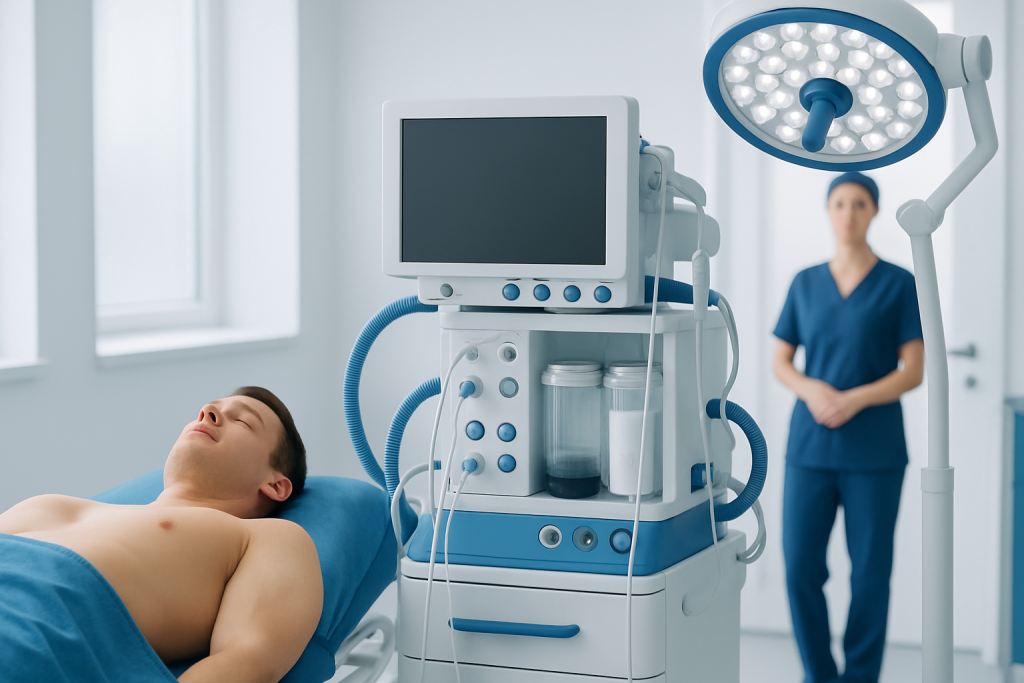
The most noticeable sign is a fuller or more prominent chest contour than expected in a male body. This may be soft, firm, or a combination of both, depending on whether the tissue is mostly fat, gland, or both. Some people notice it under shirts first; others feel a small rubbery disc beneath the nipple before the change becomes visible.
Symptoms can include mild discomfort, nipple sensitivity, or a feeling of heaviness in the chest. When enlargement is long-standing, it may also create posture concerns or make exercise, swimming, and fitted clothing feel awkward.
It is helpful to distinguish gynecomastia from conditions that need different attention, such as a hard breast lump, nipple discharge, skin changes, or swelling that is only on one side and rapidly changing. These do not automatically mean something serious, but they do deserve prompt medical review.
- Chest fullness or roundness beneath the nipple
- Tenderness or sensitivity in the breast area
- Uneven chest contour or asymmetry
- Emotional discomfort or reduced confidence
Causes & Risk Factors

Gynecomastia usually develops when the balance between estrogen and testosterone shifts in a way that encourages breast tissue growth. This does not always mean there is a major hormonal disease. Puberty, aging, and short-term medication effects can all change that balance temporarily or persistently.
Common contributing factors include certain prescription medicines, anabolic steroid use, alcohol overuse, some liver or kidney disorders, thyroid problems, obesity, and tumors that affect hormone production. In many people, more than one factor is involved, which is why a careful history matters so much.
Risk can also be influenced by inherited patterns, general health status, and the body’s response to weight changes. Weight loss may improve chest fullness when excess fat is the main issue, but it does not always remove firm glandular tissue that has already formed.
- Pubertal hormone shifts
- Natural hormone changes with aging
- Medication side effects
- Obesity or recent weight fluctuation
- Alcohol or substance use
- Underlying endocrine or systemic disease
Diagnosis
Diagnosis starts with a detailed conversation about when the enlargement began, whether it has changed, and what medicines or supplements are being used. A clinician will usually examine the chest to determine whether the tissue feels glandular, fatty, or mixed, and to check for any features that suggest a different condition.
Depending on the situation, blood tests may be ordered to look at hormone levels, liver and kidney function, or thyroid activity. Imaging such as ultrasound or mammography is not needed for every patient, but it can be helpful when the diagnosis is unclear or when a specialist wants more detail before surgery.
Before deciding on an operation, the most important step is understanding why the tissue enlarged in the first place. If the cause is reversible, treating that cause may improve the chest contour without surgery or may make surgery simpler and more durable.
Treatment Options
Not every case of gynecomastia requires surgery. In adolescents, observation is often reasonable because pubertal gynecomastia may improve on its own. If a medication is responsible, a doctor may consider an alternative when it is safe to do so, and if weight gain is a major factor, lifestyle measures may reduce the fatty component.
Surgery is considered when the condition has persisted, causes physical or emotional discomfort, or has not responded to non-surgical measures. The operation is tailored to the type of tissue present. Some patients need liposuction to remove excess fat, while others need direct removal of glandular tissue through a small incision near the areola. Many cases benefit from a combination of both.
The aim is not to create an exaggeratedly flat chest, but to restore a natural contour that fits the person’s body. A plastic surgeon will also discuss scars, skin elasticity, and whether one side may need slightly different treatment from the other to achieve balance.
- Observation for cases likely to improve on their own
- Review of medicines or supplements that may contribute
- Management of underlying medical conditions
- Liposuction, gland excision, or combined surgery
What Gynecomastia Surgery Involves
On the day of surgery, the patient is usually assessed again, the surgical plan is reviewed, and markings are made on the chest while standing. This helps the surgeon plan the contour more accurately. Depending on the extent of the procedure, surgery may be performed with general anesthesia or local anesthesia with sedation.
Liposuction is often used when there is excess fatty tissue, while direct excision removes denser gland tissue that cannot be suctioned away effectively. In some cases, a small amount of skin may also be tightened if there has been significant stretching, although surgeons try to use the least invasive method that can still achieve a balanced result.
The procedure is generally designed to minimize visible scarring, but every operation leaves some scar tissue. A surgeon should explain where the scars will be placed, how they may look over time, and what factors might affect healing, such as smoking, skin type, and prior chest procedures.
Recovery and Self-care
Recovery is usually gradual rather than dramatic. Swelling, bruising, and mild to moderate discomfort are common at first, and these symptoms generally improve over days to weeks. A compression garment may be recommended to support the chest contour and help control swelling during the early healing phase.
Most people can return to light daily activities relatively soon, but strenuous exercise, heavy lifting, and chest-focused workouts are usually postponed until the surgeon confirms that healing is far enough along. If the patient is traveling from another country, planning the return trip carefully matters: comfortable clothing, easy access to prescribed medicines, and a follow-up schedule that can be continued locally or through remote review all make the recovery smoother.
Supportive self-care includes keeping incision areas clean as instructed, avoiding smoking, staying hydrated, and attending follow-up visits. Patients should also be patient with the final appearance, because the chest often continues to settle as swelling fades and tissues soften over several weeks or months.
- Wear the compression garment as advised
- Avoid smoking and nicotine products
- Follow activity restrictions closely
- Watch for unusual redness, fever, or increasing pain
- Keep follow-up appointments, including after returning home
When to See a Doctor
A medical review is sensible whenever chest enlargement is new, persistent, or causing distress. It is especially important if the change appeared quickly, is only on one side, feels hard or fixed, or is accompanied by nipple discharge or skin changes.
Patients should also seek assessment if they are taking medicines that may affect hormone balance, have symptoms of an endocrine or liver condition, or are unsure whether the enlargement is glandular tissue or weight-related fullness. A doctor can help separate a cosmetic concern from a condition that needs medical treatment first.
For people considering surgery, a consultation with an experienced plastic surgeon is the best way to understand expected results, risks, and the recovery timeline. Acibadem Health Point’s multidisciplinary specialists and JCI-accredited hospitals diagnose and treat gynecomastia for international patients, with care plans designed around medical needs and practical recovery planning.
Living Well After Treatment
After treatment, many men feel more comfortable in clothing, exercise, and social settings, but the emotional side of recovery matters too. It can take time to adjust to a new body shape, especially when the enlargement has been present for years. Clear expectations and follow-up support help make that transition easier.
Long-term results are more stable when the underlying cause has been addressed. That may mean reviewing medications with a doctor, managing weight, avoiding anabolic steroids, or treating a hormonal or systemic condition. The operation changes the chest contour, but lasting wellness depends on the bigger health picture as well.
Patients traveling for care should keep copies of operative notes, discharge instructions, and follow-up recommendations so that any local doctor can continue care if needed. That continuity is often the quiet difference between a smooth recovery and an uncertain one.
Frequently asked questions
01Is gynecomastia surgery always necessary?
No. Some cases improve on their own, especially during puberty, and others get better when a contributing medicine, hormone issue, or weight-related factor is addressed. Surgery is usually considered when the tissue has persisted or is causing ongoing distress.
02What is the difference between gynecomastia and chest fat?
Gynecomastia involves glandular breast tissue, while chest fat is mainly fat deposition. A clinician can usually tell the difference by examination, and some people have a combination of both.
03How painful is recovery after gynecomastia surgery?
Most patients describe the recovery as uncomfortable rather than severely painful, with swelling and soreness being common early on. Symptoms usually improve gradually, and the surgeon may recommend measures to help with comfort and support.
04Will the results look completely natural right away?
Not immediately. The chest often looks swollen or uneven at first, and the contour improves as healing progresses. Final refinement can take weeks to months, depending on the type of surgery and individual healing.
05Can gynecomastia come back after surgery?
It can recur if the underlying cause remains active, such as certain medications, steroid use, untreated hormonal issues, or significant weight gain. That is why follow-up care and addressing the root cause are important.
06Is it safe to travel for gynecomastia surgery?
Many patients do travel for treatment, but the plan should include enough time for preoperative assessment, early recovery, and follow-up. The surgical team should explain when it is safe to fly and how to manage care once the patient returns home.
This article is for general information only and is not a substitute for professional medical advice. Please consult a qualified doctor about your individual situation.
Medical weight-loss options in Turkey — costs & eligibility
JCI-accredited · board-certified surgeons · reply within 24h
Add us as a Preferred Source to see more of our trusted health content across Google Search, AI Overviews and Discover.