Liposuction: What It Can and Cannot Do

Key Takeaways
- Liposuction reshapes specific areas; it does not treat obesity or replace lifestyle changes.
- Best results usually come from people who are close to a stable weight and have good skin elasticity.
- Recovery involves swelling, bruising, compression, and a gradual return to activity.
- Like any surgery, liposuction carries risks, so choosing an experienced surgeon and appropriate setting matters.
- Results can be long-lasting if body weight stays relatively stable after surgery.
Liposuction is a body-contouring procedure that removes stubborn pockets of fat in selected areas, but it is not a weight-loss solution or a substitute for healthy habits. Understanding its limits, benefits, and recovery needs helps patients decide whether it fits their goals.
Overview
Liposuction is one of the best-known cosmetic procedures, yet it is often misunderstood. Its purpose is narrow but useful: it removes localized fat deposits that do not respond well to diet and exercise, helping certain areas look smoother and more proportionate.
The procedure may be considered for the abdomen, flanks, thighs, hips, upper arms, back, chest, knees, or under the chin, depending on anatomy and goals. For international patients, the first useful question is not “How much fat can be removed?” but “Which shape concern is realistic to improve safely?”
That distinction matters because liposuction is about contour, not overall health transformation. A person may leave surgery with a sleeker outline, but the procedure does not change metabolism, cure cellulite, tighten loose skin in a dramatic way, or prevent future weight gain.
What Liposuction Can Do
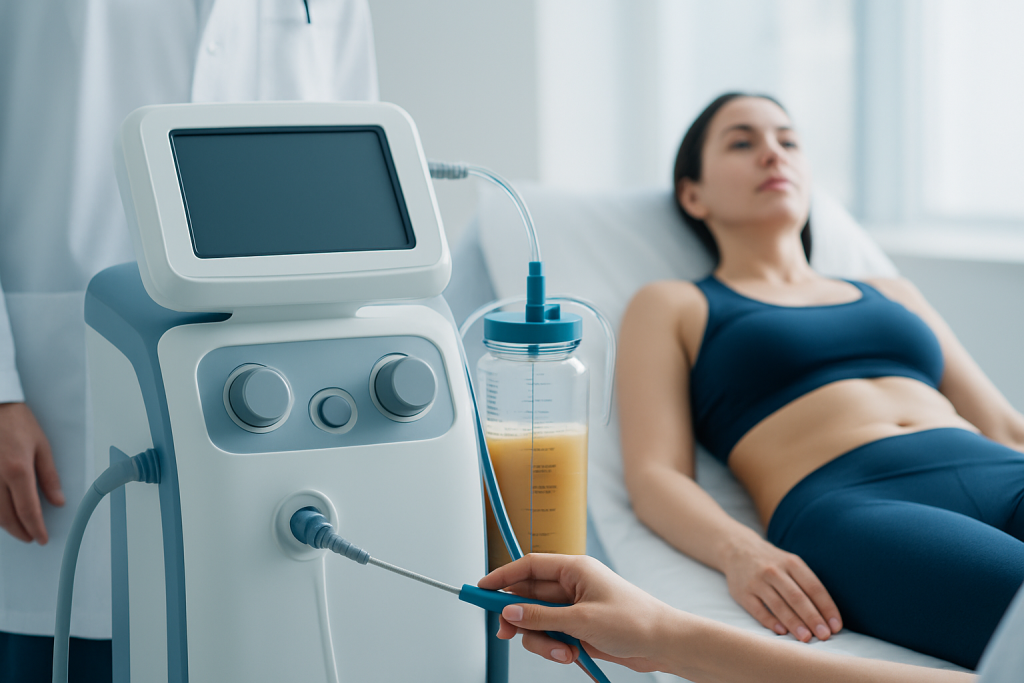
Liposuction can refine areas where fat has remained despite sustained healthy habits. For many patients, that means clothes fit more comfortably and the silhouette looks more balanced. In the right candidate, the change can be noticeable without appearing artificial.
It can also help bring symmetry to the body. If one side of the abdomen, thighs, or chin holds more fat than the other, targeted removal may improve proportionality. When carefully planned, the procedure can complement other treatments such as abdominoplasty, breast surgery, or facial contouring.
Some people seek liposuction Weight Loss: What Your Surgeon Checks Before Recommending a Body Contouring Plan" class="ahp-ilk">after major weight loss when the issue is no longer total body weight but the last pockets of stubborn fullness. In that setting, the surgery may serve as a finishing step, provided the skin quality and general health support the plan.
- Reduces localized fat deposits
- Improves body contour and proportion
- Can target multiple small or medium areas
- May enhance results of other cosmetic procedures
What Liposuction Cannot Do

Liposuction does not treat obesity. It is not designed to produce large-scale weight reduction, and it should not be viewed as a shortcut around nutrition, physical activity, or medical weight management. Patients usually do best when they see it as a contouring tool rather than a reset button.
It also cannot reliably tighten loose or stretched skin. If skin has lost elasticity due to age, pregnancy, weight change, or genetics, removing fat may leave the area still appearing lax. In those cases, a surgeon may discuss skin-tightening approaches or a different operation altogether.
Another common misconception is that liposuction permanently prevents fat from returning. Fat cells removed during surgery do not come back, but remaining fat cells can enlarge if weight is gained later. The body may also store new fat in other areas, which is why stable habits still matter after surgery.
Who May Be a Good Candidate
The best candidates are generally adults who are near a stable, healthy weight and have a specific area of resistant fat. They should be in good overall health, have realistic expectations, and understand that the procedure refines shape rather than delivering a dramatic overall size change.
Skin quality is important. Firm, elastic skin tends to retract more smoothly after fat removal, whereas significant looseness may call for an alternative or combined procedure. A good consultation explores body goals, medical history, medications, prior surgeries, and the reasons the patient is considering treatment now.
People with certain medical issues, bleeding risks, poor wound healing, or unstable weight patterns may need a different plan or extra preparation. For patients traveling from abroad, it is especially helpful to plan enough time for assessment, surgery, early recovery, and follow-up before returning home.
Causes & Risk Factors
Areas targeted by liposuction often reflect a mix of genetics, hormones, age, sex, and lifestyle. Some people naturally store fat in the abdomen or thighs despite maintaining reasonable habits. Others notice changes after pregnancy, menopause, or weight fluctuation.
Risk factors for less satisfying results include major skin laxity, very high body mass, smoking, poorly controlled medical conditions, and expectations that exceed what contouring surgery can provide. A history of blood clots, healing problems, or prior complicated surgeries may also affect planning.
There are also procedural risks, such as contour irregularity, fluid shifts, infection, bleeding, numbness, and reactions to anesthesia. These risks are uncommon in well-selected patients but should be discussed openly so the decision is informed rather than optimistic by default.
Diagnosis and Pre-Procedure Evaluation
Liposuction is not diagnosed in the disease sense; instead, a surgeon evaluates whether the patient’s goals match what the procedure can safely achieve. This usually starts with a physical examination, discussion of body shape concerns, review of health history, and sometimes photographs or measurements for planning.
Depending on age and medical background, preoperative testing may be recommended to assess general fitness for surgery. The surgeon may also explain whether the procedure should be done alone or combined with another operation, and what type of anesthesia is most appropriate.
For international patients, this consultation is the point where practical details become just as important as the aesthetic plan. Timing, length of stay, post-op garment use, support at the hotel or accommodation, and the availability of follow-up care after returning home should all be clarified before scheduling.
Treatment Options and Recovery
Several liposuction techniques exist, but the core idea is the same: small incisions are used to access fat, which is loosened and removed with a suction device. The choice of technique depends on the treatment area, the amount of fat, the surgeon’s experience, and whether the procedure is being combined with other surgery.
Recovery is gradual. Swelling and bruising are expected, and compression garments are often part of the early aftercare plan. Many patients resume light activity relatively soon, but heavier exercise, long travel, and lifting usually need to wait until the surgeon confirms healing is on track.
Results do not appear all at once. Early changes may be hidden by swelling, with the final contour emerging over weeks to months. Follow-up is important because recovery can look different from one side of the body to the other, and small issues are easier to address when patients stay in contact with the surgical team.
- Wear compression as directed
- Walk early and gently to support circulation
- Avoid strenuous activity until cleared
- Attend scheduled check-ups
- Follow wound and scar-care instructions carefully
Prevention, Long-Term Results & Self-Care
The best way to protect a liposuction result is not another procedure but steady habits. Weight stability helps preserve the new contour, and regular activity with balanced eating supports overall health. These habits do not need to be extreme; consistency is usually more valuable than strict rules.
Self-care after surgery also includes practical discipline. Patients should keep hydration, sleep, wound care, and garment use on track, and they should avoid smoking because it can interfere with healing. If travel is involved, it is wise to plan for enough rest before long flights and to follow the surgeon’s advice about moving safely during transit.
Photographs, measurements, or fitting certain clothes can help patients track progress in a realistic way. Because swelling may linger, judging the result too early can be misleading; a calm, patient timeline usually leads to better satisfaction than frequent self-comparisons in the mirror.
When to See a Doctor
A consultation with a qualified plastic surgeon is appropriate when a person has a specific area of stubborn fat and wants to understand whether liposuction is a reasonable option. This is also the right time to ask whether another procedure might better address loose skin, body asymmetry, or a larger weight concern.
After surgery, the care team should be contacted promptly if there is fever, worsening pain, increasing redness, shortness of breath, chest pain, sudden leg swelling, heavy bleeding, or any symptom that seems to be worsening rather than settling. These signs do not always mean something serious, but they should not be ignored.
For patients seeking care abroad, an experienced center can help coordinate evaluation, surgery, and early recovery with a clear plan for follow-up. At Acibadem Health Point, multidisciplinary specialists and JCI-accredited hospitals diagnose and treat liposuction candidates for international patients in a structured, patient-centered way.
Frequently asked questions
Is liposuction a weight-loss procedure?
No. Liposuction is mainly a body-contouring procedure that removes localized fat deposits. It may change shape and fit, but it is not intended to treat obesity or replace healthy weight management.
Will liposuction tighten loose skin?
Not reliably. If the skin has good elasticity, it may retract somewhat after fat removal, but significant looseness often needs a different or additional procedure. A surgeon can explain what is realistic for a specific area.
Are the results permanent?
The fat cells removed during surgery are gone, so the treated area can stay slimmer. However, remaining fat cells can enlarge if weight increases, which is why stable habits matter after recovery.
How long is recovery after liposuction?
Recovery varies by the size of the procedure and the number of areas treated. Many people need several days to a couple of weeks for early healing, while swelling and the final contour may continue improving for weeks or months.
What are the main risks?
Possible risks include bleeding, infection, fluid collection, contour irregularity, numbness, and anesthesia-related problems. Most patients do well when surgery is planned carefully and performed by a qualified surgeon in an appropriate setting.
Can liposuction be combined with other procedures?
Yes, it is sometimes combined with procedures such as tummy tuck surgery or breast and facial operations, depending on the patient’s goals and health. The surgeon will decide whether combining treatments is safe and sensible in a given case.
References
- American Society of Plastic Surgeons
- American Board of Plastic Surgery
- Mayo Clinic
- NHS
- International Society of Aesthetic Plastic Surgery
This article is for general information only and is not a substitute for professional medical advice. Please consult a qualified doctor about your individual situation.
Medical weight-loss options in Turkey — costs & eligibility
JCI-accredited · board-certified surgeons · reply within 24h
Add us as a Preferred Source to see more of our trusted health content across Google Search, AI Overviews and Discover.