Guillain-Barre Syndrome: Rapid Weakness, Diagnosis, and ICU Care

Guillain-Barre Syndrome is an acute immune-related nerve disorder that can cause rapidly progressing weakness, tingling, and sometimes breathing or swallowing problems. Early recognition, hospital monitoring, and timely treatment can support safer recovery and reduce complications.
Overview
Guillain-Barre Syndrome, often shortened to GBS, is a rare but important neurological condition in which the immune system mistakenly attacks the peripheral nerves. These are the nerves outside the brain and spinal cord that carry signals to muscles and bring sensation back to the nervous system. When these nerves become inflamed or damaged, weakness, numbness, pain, and changes in reflexes can develop quickly.
GBS is considered an acute inflammatory neuropathy. In many people, symptoms start days or weeks after an infection such as a stomach illness or respiratory infection. The condition is not contagious, and it is not caused by muscle injury. Instead, it is related to an abnormal immune response that affects nerve roots and peripheral nerves.
The speed of progression is the main reason GBS requires urgent medical assessment. Weakness may remain mild in some patients, but in others it can affect walking, swallowing, facial movement, blood pressure, heart rate, or breathing. Hospital care allows doctors to monitor these functions closely and begin treatment at the right time.
Symptoms and Warning Signs

Guillain-Barre Syndrome commonly begins with tingling, pins-and-needles sensations, numbness, or pain in the feet and legs. Weakness may then appear in the legs and spread upward to the arms, face, and muscles used for breathing. Doctors often find reduced or absent tendon reflexes, which helps distinguish GBS from many other causes of weakness.
Symptoms usually progress over hours to days and typically reach their most severe point within four weeks. Some people have mainly weakness, while others have prominent nerve pain, back pain, unsteady walking, or difficulty climbing stairs. Variants of GBS can look different; for example, Miller Fisher syndrome often causes eye movement problems, unsteady coordination, and loss of reflexes.
- Rapidly worsening leg or arm weakness
- Tingling or numbness spreading upward
- Difficulty walking, standing, or using the hands
- Facial weakness, double vision, or trouble speaking
- Problems swallowing, coughing, or clearing secretions
- Shortness of breath, shallow breathing, or extreme fatigue
- Heart racing, dizziness, blood pressure swings, or fainting
Any fast change in strength, breathing, or swallowing should be treated as urgent. Early hospital evaluation helps determine whether symptoms are due to GBS or another condition that can mimic it, such as spinal cord compression, stroke, Neuron Disease: How Doctors Tell Them Apart" class="ahp-ilk">myasthenia gravis, electrolyte imbalance, or certain infections.
Causes and Risk Factors

GBS is usually triggered by an immune response that cross-reacts with components of peripheral nerves. In simple terms, the immune system may react to an infection and then mistakenly target nerve coverings or nerve fibers. This process can slow nerve signals, block them, or damage the nerve axon itself.
Commonly reported triggers include Campylobacter jejuni gastrointestinal infection, cytomegalovirus, Epstein-Barr virus, influenza-like illnesses, Zika virus, and some other respiratory or gastrointestinal infections. In rare cases, GBS has been reported after surgery, trauma, or vaccination. For vaccines, the overall risk is very low, and the benefits of recommended vaccination usually outweigh the small possible risk for most people; individual concerns should be discussed with a physician.
GBS can affect adults and children, although risk increases with age. It is slightly more common in males. Having a recent infection does not mean a person will develop GBS; most infections resolve without neurological complications. The key concern is new, progressive neurological symptoms after an illness.
Because GBS involves immune activity affecting peripheral nerves, care often overlaps with neuroimmunology and neuromuscular disease expertise. This multidisciplinary approach is especially important when symptoms progress quickly or when breathing, swallowing, or autonomic functions are involved.
Diagnosis
Diagnosis begins with a careful history and neurological examination. The doctor asks when symptoms started, how quickly they progressed, whether there was a recent infection, and whether there are breathing, swallowing, sensory, pain, or bladder and bowel symptoms. On examination, doctors assess strength, reflexes, sensation, coordination, facial and eye movements, and signs that might point to spinal cord or brain disease instead.
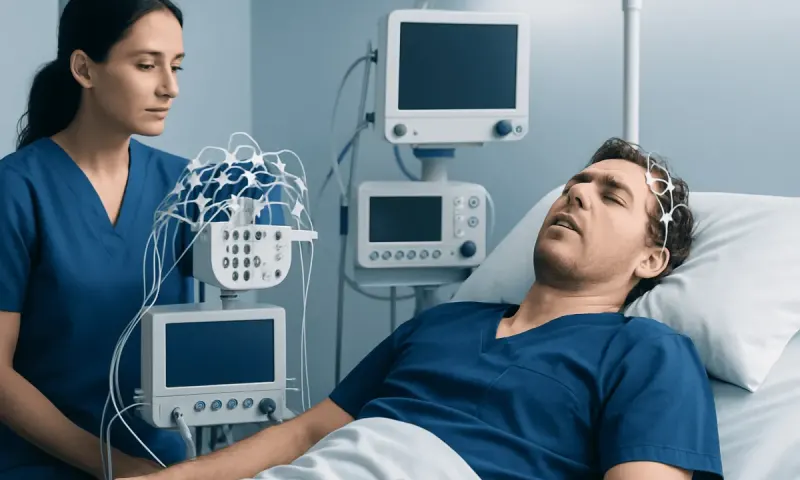
Nerve conduction studies and electromyography help evaluate how well electrical signals travel through the nerves and muscles. These tests can support the diagnosis, help identify the GBS subtype, and distinguish demyelinating forms from axonal forms. Early in the illness, results can occasionally be less clear, so repeat testing may be needed if symptoms and examination strongly suggest GBS.
A lumbar puncture may be performed to examine cerebrospinal fluid. In GBS, spinal fluid often shows elevated protein with a normal or only mildly increased white blood cell count, especially after the first week of symptoms. Blood tests, MRI, and other investigations may be used to exclude mimics such as infection, inflammation of the spinal cord, metabolic disorders, or structural compression.
Specialized neurophysiology testing is particularly useful in GBS because it provides objective information about nerve signal conduction. Imaging is not always required, but when symptoms are unusual, neuroradiology or spinal imaging may help rule out other urgent causes of weakness.
Treatment Options
Most patients with suspected Guillain-Barre Syndrome are admitted to hospital because the condition can progress quickly. Treatment has two main goals: to reduce the immune attack on nerves and to support the body while nerves recover. The main disease-modifying treatments are intravenous immunoglobulin, known as IVIG, and plasma exchange, also called plasmapheresis.
IVIG provides concentrated antibodies that help modulate the immune response. Plasma exchange removes and replaces part of the liquid portion of the blood, reducing harmful immune factors. These treatments are generally considered most useful when started early in patients who are unable to walk independently or who have rapidly progressive symptoms, breathing weakness, or significant bulbar symptoms such as difficulty swallowing. Doctors choose between them based on severity, medical history, availability, and potential risks.
Corticosteroids alone are not recommended as effective disease-modifying treatment for typical GBS. Antibiotics or antivirals are not used to treat GBS itself unless there is an active infection that needs separate treatment. Pain management, hydration, nutrition, prevention of blood clots, skin care, bowel and bladder support, and emotional reassurance are also important parts of care.
Recovery begins at different times for different people. Some improve within weeks, while others need months of rehabilitation. Physical therapy, occupational therapy, and sometimes speech and swallowing therapy help rebuild strength, protect joints, prevent contractures, and support safe daily activities.
ICU Care and Monitoring
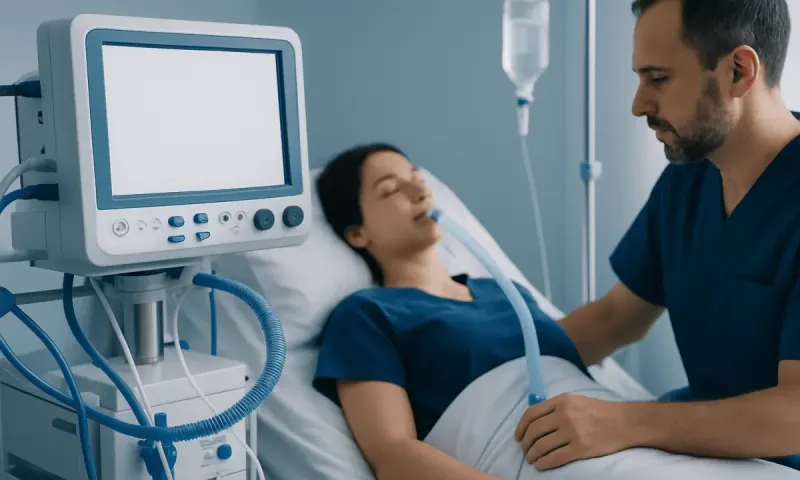
Intensive care does not mean that every patient with GBS is critically ill; it means that the care team can monitor key functions continuously and respond quickly if needed. ICU-level monitoring may be recommended when weakness is progressing fast, breathing tests are worsening, swallowing is unsafe, cough is weak, or heart rate and blood pressure are unstable. Early transfer can prevent emergencies rather than waiting for severe symptoms to appear.
Doctors and nurses may measure breathing strength with bedside tests such as forced vital capacity and negative inspiratory force. Oxygen levels alone can be misleading because a person may have weak breathing muscles before oxygen drops. If breathing becomes too weak, temporary mechanical ventilation may be needed while the nerves recover. This support is carefully managed and reduced when the patient is ready.
Autonomic nervous system involvement can cause changes in heart rhythm, blood pressure, sweating, temperature regulation, or digestion. ICU monitoring allows rapid treatment of these fluctuations. Patients may also need help with swallowing safety, secretion clearance, pain control, sleep, anxiety, and prevention of complications from immobility.
For international patients, Acıbadem Health Point’s multidisciplinary specialists and JCI-accredited hospitals can evaluate and treat complex neurological conditions such as GBS, including hospital-based monitoring, neurophysiology testing, intensive care support, and rehabilitation planning when appropriate.
Recovery, Rehabilitation, and Self-Care
GBS recovery is often gradual because peripheral nerves need time to heal and remyelinate, and muscles weakened by inactivity need rebuilding. Some people recover nearly fully, while others may have lingering fatigue, numbness, pain, or reduced endurance. The pattern depends on disease severity, age, subtype, complications, and how early supportive care and rehabilitation are started.
Rehabilitation is individualized. Physical therapy may focus first on gentle range-of-motion exercises, positioning, breathing exercises, and safe transfers. As strength returns, therapy progresses to standing, walking, balance, endurance, and stair training. Occupational therapy can help with hand function, dressing, bathing, energy conservation, and returning to work or school activities.
- Follow the rehabilitation plan and avoid overexertion during early recovery.
- Report new weakness, worsening breathlessness, swallowing difficulty, or severe pain promptly.
- Use mobility aids only as recommended to reduce fall risk.
- Maintain good nutrition and hydration to support healing.
- Ask the care team about safe vaccination timing, travel, driving, and return to exercise.
There is no reliable way to prevent all cases of GBS. General infection-prevention measures such as hand hygiene, safe food handling, and staying up to date with recommended medical care may reduce some triggers. People who have had GBS should discuss future vaccines or surgeries with their physician, especially if a previous episode occurred soon after a specific exposure.
When to See a Doctor
A person should seek urgent medical care for rapidly developing weakness, especially if it begins in the legs and spreads, is associated with tingling or numbness, or follows a recent infection. GBS can worsen quickly, and early assessment helps doctors monitor breathing and start treatment before severe complications occur.
Emergency evaluation is especially important for shortness of breath, difficulty swallowing, choking, inability to cough effectively, facial weakness, double vision, fainting, chest discomfort, or sudden changes in heart rate or blood pressure. These symptoms can indicate involvement of breathing muscles, cranial nerves, or the autonomic nervous system.
After hospital discharge, follow-up is important even when improvement has started. Patients should keep neurology and rehabilitation appointments, report worsening symptoms, and ask about pain, fatigue, mood changes, sleep, and return to daily activities. GBS affects more than muscle strength, and comprehensive follow-up supports safer recovery.
Frequently asked questions
01What is Guillain-Barre Syndrome?
Guillain-Barre Syndrome is an acute disorder in which the immune system attacks peripheral nerves. It can cause tingling, numbness, pain, and rapidly progressing weakness. Because breathing and swallowing can be affected, medical evaluation should not be delayed.
02How quickly does GBS progress?
Symptoms often progress over hours to days and usually reach their worst point within four weeks. Some people have mild weakness, while others become unable to walk or need breathing support. The speed of change is one reason hospital monitoring is recommended.
03Is Guillain-Barre Syndrome curable?
There is no instant cure, but treatments such as IVIG and plasma exchange can reduce the immune attack and support recovery. Many patients improve significantly over time, although recovery may take weeks to months and sometimes longer. Rehabilitation is often an important part of healing.
04Why do some patients with GBS need ICU care?
ICU care allows close monitoring of breathing strength, heart rhythm, blood pressure, swallowing safety, and rapid changes in weakness. Some patients need temporary mechanical ventilation if breathing muscles become weak. Early ICU care can be preventive and supportive rather than a sign that recovery is unlikely.
05Can GBS happen after an infection?
Yes, many cases occur days or weeks after a gastrointestinal or respiratory infection. The immune response to the infection may mistakenly affect peripheral nerves. Most infections do not lead to GBS, so new progressive weakness is the key warning sign.
06What tests confirm Guillain-Barre Syndrome?
Doctors diagnose GBS using the symptom pattern, neurological examination, nerve conduction studies, and sometimes lumbar puncture. Blood tests and imaging may be used to rule out other causes of weakness. In early illness, repeat testing may be needed if results are not yet clear.
07Can Guillain-Barre Syndrome come back?
Recurrence is uncommon, but it can happen in a small number of people. Anyone with a history of GBS who develops new progressive weakness, tingling, or breathing symptoms should seek medical care promptly. Follow-up with a neurologist can help distinguish recurrence from other nerve or muscle conditions.
This article is for general information only and is not a substitute for professional medical advice. Please consult a qualified doctor about your individual situation.
Persistent digestive symptoms? Get evaluated in Turkey
JCI-accredited · board-certified surgeons · reply within 24h
Add us as a Preferred Source to see more of our trusted health content across Google Search, AI Overviews and Discover.