Lung Scarring Diseases: Symptoms, Causes, and Treatment Options

Maybe you noticed it on the stairs first. A flight you used to climb without thinking now leaves you stopping halfway, catching your breath. Or there’s a dry cough that just won’t quit, and you keep telling yourself it’s nothing.
Lung scarring diseases damage the tissue around the air sacs, making the lungs stiff and less able to move oxygen into the blood. Symptoms often develop gradually, and treatment focuses on identifying the cause, slowing progression, easing breathlessness, and protecting quality of life.
Overview: what lung scarring diseases mean
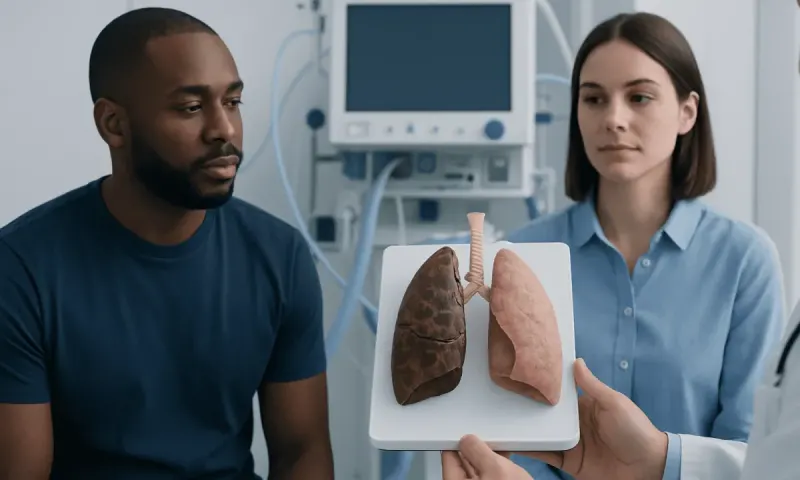
Lung scarring diseases are a group of disorders in which the tissue deep in the lungs becomes inflamed and then scarred. This scarring is often called fibrosis. As scar tissue builds up, the lungs become less elastic, so breathing can feel harder and oxygen may not move into the bloodstream as efficiently.
Doctors often place these conditions under the broader term interstitial lung disease. The “interstitium” is the supportive tissue around the air sacs, but in many cases the scarring can involve nearby lung structures as well. One well-known example is pulmonary fibrosis, though not every interstitial lung disease behaves in the same way.
Some people develop lung scarring after years of exposure to dusts or fumes, while others have an autoimmune condition that affects the lungs. In some cases, no clear cause is found even after careful testing. Because symptoms may begin slowly, diagnosis is sometimes delayed unless persistent breathlessness or cough is evaluated early.
The outlook varies from person to person. Some forms remain stable for long periods, while others progress more quickly. A clear diagnosis matters because treatment depends on the pattern of scarring, the underlying cause, and the person’s overall health.
Symptoms and how they may affect daily life
The most common symptoms of lung scarring diseases are shortness of breath and a dry, persistent cough. At first, breathlessness may appear only during exercise, climbing stairs, or walking uphill. Over time, some people notice that everyday activities such as dressing, showering, or carrying groceries become more tiring.
Other symptoms can include fatigue, reduced stamina, chest discomfort, unintentional weight loss, and poor sleep due to coughing or breathlessness. Some people also develop clubbing, a change in the shape of the fingertips or nails. If the scarring is linked to an autoimmune condition, joint pain, skin changes, dry eyes, or muscle weakness may also be present.
How you feel does not always match what the scan shows. You might have mild-looking imaging changes and still feel very limited, while someone with more extensive disease copes better. That is why doctors look at your symptoms alongside oxygen levels, lung function, and imaging findings.
Slow change is easy to miss. People often blame early symptoms on getting older, being out of shape, asthma, smoking history, or one chest infection after another. If breathlessness or a cough has hung on for weeks, talk to a doctor instead of watching and waiting at home.
Causes and risk factors

Lung scarring diseases can have many different causes. One important group is exposure-related disease, which may develop after inhaling harmful particles over time. Examples include silica, asbestos, coal dust, metal dust, mold, bird proteins, or other workplace and environmental exposures. Careful occupational and home exposure history is often a key part of diagnosis.
Autoimmune and connective tissue diseases can also lead to scarring in the lungs. Conditions such as rheumatoid arthritis, systemic sclerosis, inflammatory myositis, and lupus may affect lung tissue directly. In these cases, breathing symptoms may be one part of a wider illness rather than an isolated lung problem.
Some medicines and medical treatments are linked to lung injury and fibrosis. These may include certain chemotherapy drugs, some heart rhythm medicines, and prior radiation therapy to the chest. Not everyone exposed to these treatments develops scarring, but the possibility becomes important when symptoms begin after therapy.
Risk factors that may increase the chance of lung scarring or worse outcomes include older age, smoking, repeated inhalational exposures, gastroesophageal reflux in some patients, and a family history of interstitial lung disease. Still, in many people no trigger ever turns up; doctors call this idiopathic disease. Not knowing the cause does not make your symptoms any less real, or any less treatable.
How doctors diagnose lung scarring diseases
Diagnosis usually begins with a detailed medical history and physical examination. Doctors ask about the timing of symptoms, smoking history, jobs and hobbies, birds or mold exposure, medications, radiation therapy, and signs of autoimmune disease. Listening to the lungs may reveal fine crackling sounds, especially at the bases.
Imaging is central to diagnosis. A chest X-ray may suggest a problem, but a high-resolution CT scan gives much more detail and can show patterns of scarring that point toward particular diagnoses. Breathing tests, also called pulmonary function tests, help show whether the lungs are smaller or stiffer than expected and how well oxygen moves across the lungs.
Blood tests are often used to look for autoimmune disease or other clues. Some people also need a walking oxygen test, echocardiogram, or bronchoscopy, in which a thin flexible camera is passed into the airways to collect samples. In selected cases, tissue sampling may be considered if imaging and clinical findings do not give a confident answer.
Diagnosis is rarely straightforward, so many centers review cases as a team: pulmonologists, radiologists, pathologists, rheumatologists, and occupational medicine specialists together. This team approach helps match the scan pattern and medical history to the most likely type of disease. When appropriate, evaluation may include advanced bronchoscopy or detailed pulmonary function testing to refine the diagnosis.
Treatment options and long-term management
Treatment for lung scarring diseases depends on the cause, the pattern of fibrosis, and how active or advanced the disease is. The main goals are to slow scarring when possible, reduce symptoms, preserve lung function, and support day-to-day quality of life. No single treatment fits every type of disease, and that is exactly why getting the diagnosis right matters so much.
When fibrosis is linked to ongoing exposure, removing the trigger is a priority. If an autoimmune disease is driving inflammation, doctors may recommend medicines that calm the immune system. In other cases, especially certain fibrotic forms, antifibrotic medicines may be considered to help slow the rate of decline. Supportive care may include inhaled treatments for coexisting airway disease, vaccines, treatment of reflux when relevant, and prompt management of infections.
Oxygen therapy can help when blood oxygen levels fall, either during activity, sleep, or throughout the day. Pulmonary rehabilitation is also an important part of care. This structured program combines exercise training, breathing strategies, education, and energy-conservation techniques, helping many people feel more confident and functional despite chronic lung disease. In selected situations, doctors may discuss oxygen therapy or a supervised pulmonary rehabilitation program.
Some people with advanced disease may be assessed for lung transplantation, depending on age, overall health, and local transplant criteria. Ongoing follow-up is important because symptoms, oxygen needs, and scan findings can change over time. At Acıbadem Health Point, specialists across several disciplines work together in JCI-accredited hospitals to evaluate and treat lung scarring diseases for international patients, with respiratory care coordinated from start to finish.
Prevention and self-care
Not all lung scarring diseases can be prevented, but some practical steps may reduce risk or help slow further damage. Avoiding tobacco smoke is one of the most important. People who work around dust, chemicals, or animal proteins should use recommended protective equipment and follow workplace safety guidance carefully.
Vaccination can help lower the risk of respiratory infections that may worsen symptoms or trigger setbacks. Doctors often recommend routine vaccines such as influenza and pneumococcal vaccination, depending on age and health status. Good hand hygiene, avoiding sick contacts when possible, and seeking timely care for chest infections are also helpful habits.
Daily self-care can make a meaningful difference. Pacing activities, taking rest breaks, eating balanced meals, staying as physically active as tolerated, and using breathing techniques taught by a rehabilitation team may improve endurance. If oxygen has been prescribed, using it as directed is important for safety and symptom relief.
Do not overlook how you feel emotionally. Living with a chronic lung condition can be frustrating and lonely, especially when breathlessness cuts into work or time with people you enjoy. Support from family, pulmonary rehabilitation teams, counseling services, or patient groups can help people adjust and stay engaged in daily life.
When to seek medical care
Medical review is important if someone has unexplained shortness of breath, a dry cough that lasts more than a few weeks, or declining exercise tolerance without a clear reason. A person should also seek assessment sooner if they have known autoimmune disease, significant dust or mold exposure, or a family history of interstitial lung disease and begin to notice breathing symptoms.
Urgent medical attention is needed for severe breathlessness, chest pain, bluish lips, confusion, coughing up blood, or a sudden major drop in oxygen levels if these are monitored at home. These symptoms do not always mean lung scarring is worsening, but they do need prompt evaluation to rule out infection, a blood clot, collapsed lung, or other emergencies.
Follow-up care matters even after diagnosis. Regular visits allow doctors to monitor breathing tests, oxygen needs, activity limits, and side effects of treatment. Early review of any worsening symptoms may help prevent complications and may allow treatment plans to be adjusted in a timely way.
Frequently asked questions
01Are lung scarring diseases the same as pulmonary fibrosis?
Not exactly. Lung scarring diseases is a broad term that includes many conditions causing fibrosis in the lungs, while pulmonary fibrosis usually refers to scarring itself or to specific fibrotic diseases within that group. A specialist evaluation helps define the exact type.
02Can lung scarring be reversed?
Established scar tissue usually cannot be fully reversed. However, treatment may slow further scarring, control inflammation in some types of disease, and improve symptoms and daily function. Early diagnosis offers the best chance to protect remaining lung function.
03What is the first sign of lung scarring disease?
For many people, the first noticeable sign is shortness of breath during activity. A dry cough that persists without another clear explanation is also common. Because these symptoms can begin gradually, they are sometimes mistaken for deconditioning or normal aging.
04How are lung scarring diseases confirmed?
Doctors usually combine a detailed history with a physical exam, high-resolution CT imaging, and pulmonary function tests. Blood tests may look for autoimmune causes, and some people need bronchoscopy or a biopsy. The final diagnosis is often made by a multidisciplinary team.
05Do all patients with lung scarring need oxygen therapy?
No. Oxygen is used when blood oxygen levels are low at rest, during activity, or during sleep. Some people need it only with exertion, while others may not need it at all, especially early in the disease course.
06Is exercise safe with lung scarring diseases?
In many cases, yes, as long as exercise is tailored to the person’s condition and medical advice. Pulmonary rehabilitation programs are often the safest and most effective way to build stamina, learn breathing strategies, and stay active. Anyone with significant breathlessness should ask a doctor before starting a new exercise plan.
This article is for general information only and is not a substitute for professional medical advice. Please consult a qualified doctor about your individual situation.
Explore treatments in Turkey — costs, top hospitals & a free quote
JCI-accredited · board-certified surgeons · reply within 24h
Add us as a Preferred Source to see more of our trusted health content across Google Search, AI Overviews and Discover.