Gout Symptoms: Common Causes, Related Conditions, and When to See a Doctor

Have you ever been woken at night by a joint that suddenly feels like it’s on fire? That’s how gout often announces itself — intense pain, swelling, warmth, and redness, most commonly in the big toe. These attacks happen when uric acid crystals collect in a joint. But here’s the thing: several other conditions can cause very similar symptoms, so it’s important to have a doctor take a look rather than assume.
Overview: What gout symptoms usually feel like
A gout flare tends to come on fast. Many of my patients tell me the pain woke them from sleep — the joint swollen, warm, shiny, tender, and hard to move. The big toe gets the reputation, but gout can just as well strike the ankle, midfoot, knee, wrist, fingers, or elbow.
Gout is a type of inflammatory arthritis caused by uric acid crystals forming inside a joint. Uric acid is a substance the body makes when it breaks down purines, which are found naturally in the body and in some foods. If uric acid levels become too high, or if the kidneys do not remove enough of it, crystals can collect and trigger a painful inflammatory response.
Symptoms can come and go. An acute attack may last a few days to a couple of weeks, then settle. Between flares, a person may feel completely well, but crystal buildup can still continue quietly. Over time, untreated gout may become more frequent, involve more joints, and lead to ongoing joint damage.
Common signs and patterns of gout symptoms

What sets gout apart is how quickly it hits. Pain often peaks within hours, not days. During a flare, even the weight of a sock, a bed sheet, or a shoe can feel unbearable. The skin over the joint may turn red or purplish and feel hot to the touch.
Although the big toe joint is classic, gout should not be ruled out just because a different joint is affected. Some people first notice attacks in the ankle or knee. Others may develop pain in smaller joints of the hands or feet. Repeated flares can eventually affect several joints over time.
Common features include:
- Sudden severe joint pain
- Swelling and stiffness
- Warmth and visible redness
- Tenderness that makes walking or movement difficult
- Symptoms affecting one joint at first, especially the big toe
- Flares that improve and then return later
Some people also develop tophi, which are firm deposits of uric acid crystals under the skin. These can appear around the fingers, toes, elbows, or outer ear, usually after years of high uric acid. Tophi are not always painful, but they can signal more advanced disease and may damage nearby joints and tissues.
Causes, triggers, and risk factors

Gout develops when uric acid levels stay high enough for crystals to form. This can happen because the body makes too much uric acid, the kidneys remove too little, or both. A single flare may be triggered by dehydration, alcohol use, an illness, recent surgery, fasting, or a meal rich in purines, but the underlying issue is usually long-term uric acid imbalance.
Several risk factors make gout more likely. These include a family history of gout, kidney disease, obesity, metabolic syndrome, high blood pressure, diabetes, and older age. Men are affected more often earlier in life, while risk in women increases after menopause. Some medicines, such as certain diuretics and low-dose aspirin, can also raise uric acid levels in some people.
And diet? It matters, but it’s only part of the picture. Red meat, organ meats, certain seafood, sugary drinks, and excess alcohol may increase the chance of flares in some people. Still, gout is not simply caused by “eating the wrong foods” — genetics, how your kidneys handle uric acid, and your overall metabolic health all play a part.
Because gout is closely linked with uric acid balance and kidney function, it may overlap with related health issues such as kidney stones and arthritis symptoms. In some patients, management also involves assessing metabolism, joint health, and possible complications beyond the affected joint itself.
Related conditions that can look like gout
Not every red, swollen, painful joint is gout. Several conditions can cause similar symptoms, and some need urgent treatment. Septic arthritis, a joint infection, can cause severe pain, swelling, warmth, fever, and reduced movement. This is a medical emergency because infection can quickly damage the joint.
Another similar condition is calcium pyrophosphate deposition disease, sometimes called pseudogout. It can cause sudden attacks of joint pain and swelling, often in the knee or wrist, and may resemble gout closely. Osteoarthritis, rheumatoid arthritis, bursitis, tendon problems, and injuries can also affect the same joints and create confusion.
The pattern of symptoms provides clues, but it is not always enough for a certain diagnosis. For example, recurring nighttime pain in the big toe strongly suggests gout, but a doctor may still need tests to separate it from infection or another inflammatory arthritis. This is especially important if the first attack is severe, the diagnosis is uncertain, or fever is present.
People who have recurrent joint inflammation may benefit from specialist assessment, particularly if symptoms are persistent, involve several joints, or are difficult to control. In selected cases, a broader evaluation by experts in rheumatology care may help confirm the cause and guide long-term treatment.
How doctors diagnose gout
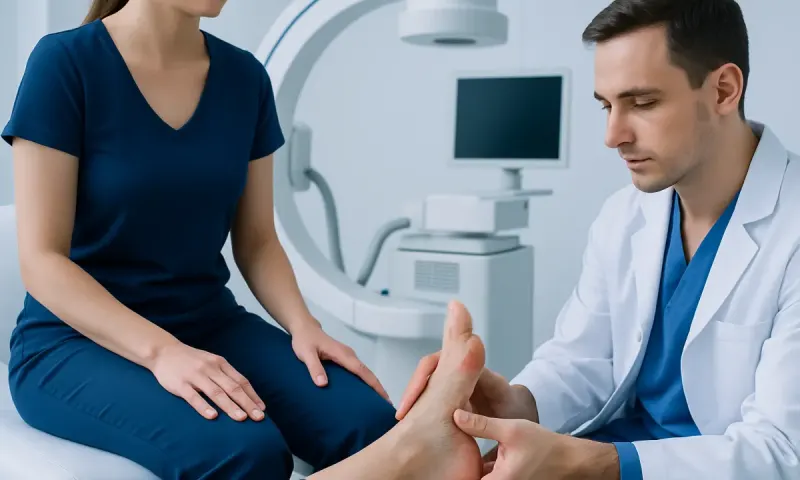
Diagnosis begins with the story of the symptoms and a physical examination. A doctor will ask which joint is affected, how quickly symptoms started, how long they lasted, whether flares have happened before, and whether there are risk factors such as kidney disease, certain medicines, alcohol use, or a family history of gout.
Blood tests may be used to check uric acid levels, kidney function, and signs of inflammation. However, uric acid can be normal during an acute flare, so a single blood test does not rule gout in or out. This is one reason why diagnosis should be based on the whole clinical picture, not only on laboratory values.
The most specific test is joint fluid analysis. In this procedure, a clinician removes a small sample of fluid from the swollen joint and examines it under a microscope for uric acid crystals. The same sample can also be checked for infection, which is essential if septic arthritis is a concern.
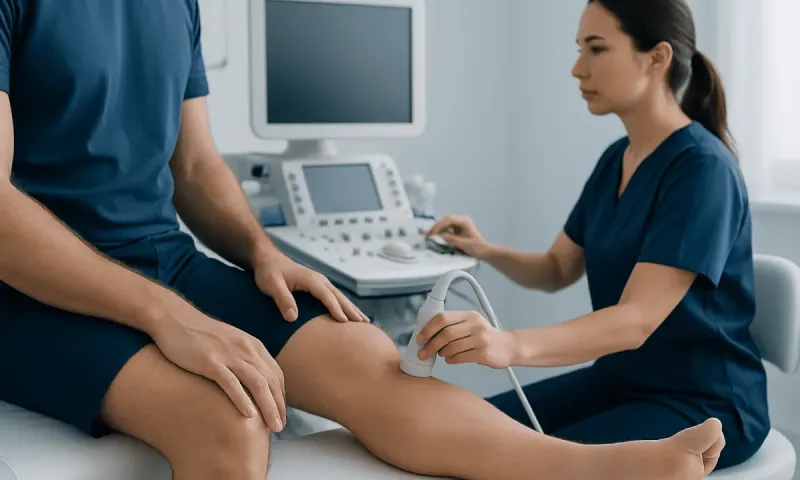
Imaging may also help in some cases. Ultrasound can sometimes show crystal deposits or inflammation, and advanced imaging may be considered if the diagnosis is unclear or chronic joint damage is suspected. If kidney stones or kidney involvement are a concern, further evaluation may include urology assessment or related imaging studies.
Treatment options for gout symptoms
Treatment depends on whether the goal is to calm an acute attack or prevent future flares. During a flare, doctors commonly use anti-inflammatory medicines to reduce pain and swelling. The choice depends on the person’s overall health, kidney function, stomach health, other medicines, and how quickly treatment can begin after symptoms start.
For people with recurrent attacks, tophi, kidney stones, chronic gout, or joint damage, long-term treatment to lower uric acid may be recommended. These medicines do not just mask pain; they help reduce crystal formation over time. Consistent use, regular monitoring, and medical follow-up are important because uric acid should be lowered safely and steadily.
Lifestyle measures can support medical treatment. Drinking enough water, limiting excess alcohol, maintaining a healthy weight, and reviewing medicines with a doctor can all help. Dietary changes may reduce risk in some people, but self-treatment alone is often not enough when gout is frequent or uric acid remains high.
If the condition becomes complicated or difficult to manage, coordinated care may be useful. Depending on the person’s needs, this can involve internal medicine evaluation for metabolic risk factors and kidney health, alongside joint-focused treatment. Acıbadem Health Point’s multidisciplinary specialists and JCI-accredited hospitals diagnose and treat gout for international patients when more comprehensive assessment is needed.
Prevention and self-care between attacks
Preventing future gout symptoms usually means controlling uric acid over time and reducing common triggers. A person can help by staying well hydrated, avoiding repeated heavy alcohol intake, and not skipping meals for long periods. Gradual, sustainable weight management may also be helpful if recommended by a doctor.
It is useful to review diet realistically rather than focusing on a single “forbidden food.” Some people benefit from reducing large amounts of beer, spirits, sugary drinks, organ meats, and certain seafood. At the same time, a balanced eating pattern rich in vegetables, whole grains, and appropriate protein sources may support overall metabolic health.
Medicines should never be stopped or changed without medical advice, but it is reasonable to ask whether any current medicine may affect uric acid levels. People who have been prescribed long-term uric acid-lowering treatment should take it exactly as directed, even if they feel well between attacks, because crystal buildup can continue silently.
One simple tip: keep a record of your flares. Write down which joint was affected, how long it lasted, what you ate or drank, and whether you were dehydrated, ill, or stressed beforehand. Those notes help your doctor spot patterns and shape prevention around you.
When to seek medical care
If this is your first episode of sudden severe joint pain and swelling, see a doctor — even if gout seems the obvious answer. Other conditions, especially joint infection, can look very similar and may need urgent treatment. The same goes for symptoms that keep returning, last longer than expected, or start affecting several joints.
Urgent medical care is especially important if joint pain is accompanied by fever, chills, marked redness spreading beyond the joint, inability to bear weight, recent surgery, a skin wound near the joint, or a weakened immune system. These features raise concern for infection or another serious problem rather than a straightforward gout flare.
People should also seek care if they notice lumps under the skin, signs of kidney stones, reduced urine output, or persistent joint stiffness after the pain settles. Early diagnosis and appropriate management can reduce pain, lower the risk of repeated attacks, and help protect long-term joint function.
Frequently asked questions
01What are the first signs of gout symptoms?
The first signs are usually sudden severe pain, swelling, warmth, and tenderness in one joint. The big toe is a common first location, but the ankle, knee, or foot may also be affected.
02Can gout symptoms happen without high uric acid on a blood test?
Yes. Uric acid can be normal during an acute gout attack, so a normal test does not completely rule out gout. Doctors may use the full symptom pattern, repeat testing, and sometimes joint fluid analysis to confirm the diagnosis.
03How long do gout symptoms usually last?
A gout flare often lasts several days and may continue for up to one to two weeks if untreated. Pain is usually worst in the first 12 to 24 hours and then gradually improves.
04Is gout always in the big toe?
No. While the big toe is a classic site, gout can also affect the ankle, knee, midfoot, wrist, fingers, or elbow. Recurrent gout may involve different joints over time.
05What conditions can be mistaken for gout?
Joint infection, pseudogout, osteoarthritis, rheumatoid arthritis, bursitis, and injuries can sometimes look similar. Because some of these conditions need urgent treatment, a new or severe swollen joint should be evaluated by a doctor.
06Can lifestyle changes alone stop gout symptoms from coming back?
Lifestyle measures can help reduce risk, especially hydration, weight management, and limiting excess alcohol or trigger foods. However, people with repeated attacks, tophi, kidney stones, or chronic high uric acid often need medical treatment as well.
This article is for general information only and is not a substitute for professional medical advice. Please consult a qualified doctor about your individual situation.
Joint and spine care in Turkey — expert assessment & treatment
JCI-accredited · board-certified surgeons · reply within 24h
Add us as a Preferred Source to see more of our trusted health content across Google Search, AI Overviews and Discover.