Bunions and Bunionettes: When Surgery May Help
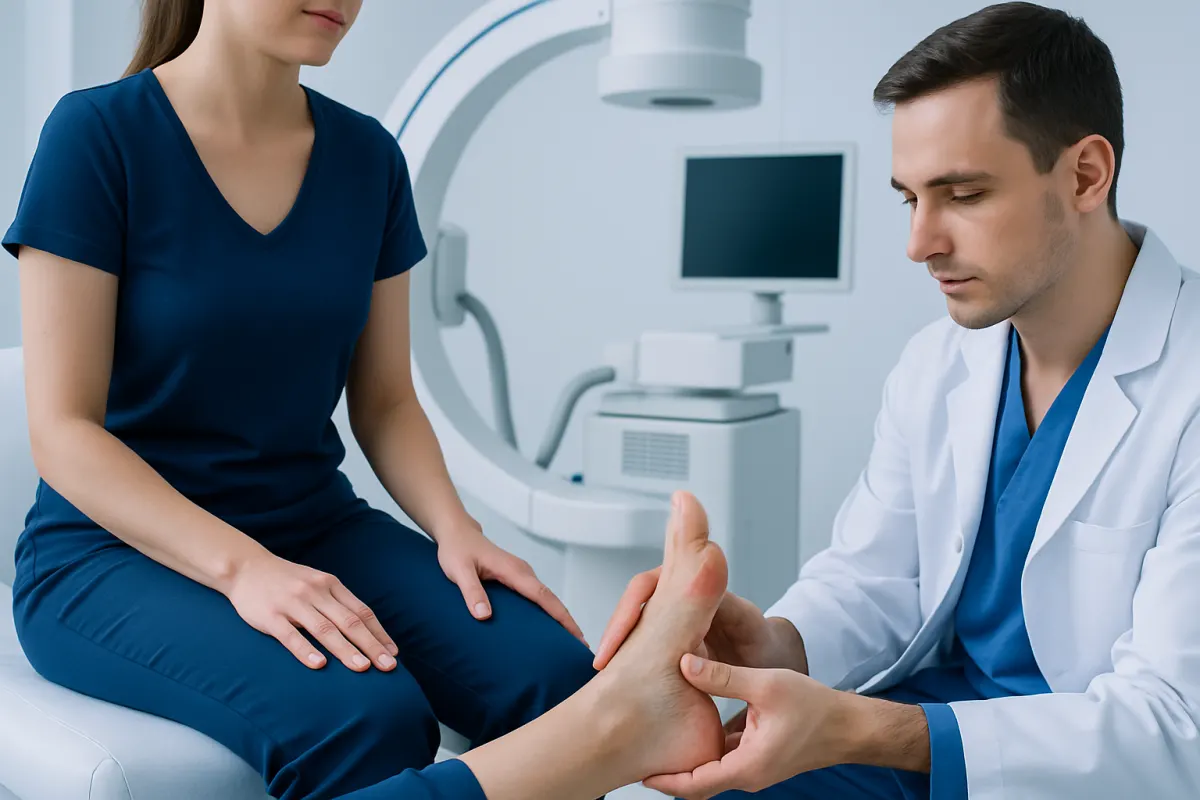
Bunions and bunionettes are bony prominences at the base of the big toe or little toe that can cause pain, rubbing and difficulty with footwear. Most people begin with non-surgical care, while surgery may be considered when symptoms continue to affect everyday activities despite appropriate treatment.
Overview: What Are Bunions and Bunionettes?
Bunions and bunionettes are common foot deformities involving a change in the alignment of a toe joint. A bunion develops at the base of the big toe, where the toe gradually angles toward the other toes and a prominent bump forms on the inner side of the foot. A bunionette develops at the base of the little toe, creating a bump on the outer side of the forefoot; it is also known as a Tailor’s bunion.
These conditions may cause pressure from shoes, redness, thickened skin, pain with walking and reduced comfort during exercise. Not every visible bump needs treatment. Care is based on symptoms, the effect on daily life, the degree of deformity and whether non-surgical measures provide enough relief.
Conservative care can often reduce discomfort. If pain remains limiting, a foot and ankle specialist may discuss surgery to realign the affected bone, address associated soft-tissue imbalance and reduce pressure at the joint. The exact procedure and recovery plan are individualized rather than determined by the size of the bump alone.
Why Do These Foot Deformities Develop?
Bunions and bunionettes usually develop through a combination of inherited foot shape, joint mechanics and repeated pressure on the forefoot. A family history is common. Shoes with a narrow toe box or high heel can aggravate symptoms by crowding the toes, although footwear is not the only cause of the underlying alignment change.
Flat feet, flexible joints, inflammatory arthritis and certain neuromuscular conditions may contribute in some people. For a bunionette, the position or shape of the fifth metatarsal bone, along with pressure against the outside of a shoe, can be important. A clinician will also consider whether the little toe is rotated or whether adjacent toe deformities are present.
Symptoms can fluctuate. Activity, footwear, swelling, calluses and irritation of nearby nerves or bursae may all make the area more painful. An assessment helps distinguish bunions and bunionettes from other causes of forefoot pain, such as arthritis, stress injury or a nerve-related condition.
Assessment and Non-Surgical Treatment

A clinician typically assesses symptoms, walking pattern, toe alignment, joint movement, skin changes and circulation. Weight-bearing foot X-rays are often used to measure alignment and plan treatment. Further imaging is not routinely needed, but may be useful if another problem is suspected.
Non-surgical treatment aims to reduce pressure and improve comfort rather than reverse a structural deformity. Useful options may include wider, deeper shoes with a roomy toe box; soft pads or sleeves; activity adjustments during painful flare-ups; and orthotic devices when they are appropriate for the person’s foot mechanics. Ice after activity and suitable non-prescription pain relief may help some people, provided these are safe for their health circumstances.
Physical therapy may support foot and ankle mobility, calf flexibility, balance and gradual return to activity. However, exercises cannot reliably straighten an established bony deformity. Surgery may be considered when persistent pain, recurrent skin irritation or difficulty wearing ordinary footwear continues despite a well-managed trial of conservative care.
Procedures for Bunions and Bunionettes
Bunion and bunionette operations are often described as bunionectomy procedures, but this term covers several techniques. Surgery may remove a painful bony prominence, realign a metatarsal bone through a carefully planned cut in the bone (osteotomy), balance soft tissues around the joint, or stabilize a joint in more advanced cases. Screws, plates or other implants may be used to hold bone in the corrected position while it heals.
For a Tailor’s bunion, the procedure depends on where the deformity originates and how much correction is needed. Some operations focus on the bony prominence; others shift the fifth metatarsal into a more favorable position. The surgeon considers X-ray findings, joint stability, bone quality, skin condition, medical history and the patient’s activity goals when recommending an approach.
As with any operation, risks include infection, wound problems, blood clots, nerve irritation, stiffness, delayed bone healing, persistent swelling, recurrence and continued pain. These outcomes are not inevitable, and careful preoperative planning and postoperative follow-up are important. A specialist should explain the expected benefits, limitations and specific risks of the proposed procedure before a decision is made.
How long does it take to recover from bunion and bunionette surgery?
Recovery after bunion or bunionette surgery commonly takes several months, while the exact timeline depends on the procedure and the need for bone healing. Many people use a surgical shoe, boot, cast or splint initially. Some procedures allow protected weight-bearing soon after surgery, whereas others require a period of keeping weight off the foot. The surgeon’s instructions take priority because they are based on the specific repair.
A typical bunionette Ankle Surgery Recovery: When Can You Bear Weight?" class="ahp-ilk">surgery recovery week by week begins with wound protection, elevation and swelling control during the first one to two weeks. Follow-up visits check healing and may include dressing changes or removal of stitches. Over the following weeks, walking is gradually progressed as permitted, and X-rays may be used to confirm bone healing when an osteotomy has been performed.
Many patients transition toward roomy regular shoes around six to twelve weeks, but swelling can make this variable. Low-impact activities may resume gradually once healing and comfort allow; higher-impact exercise can take longer. A bunionectomy recovery protocol should be individualized, especially for people with diabetes, reduced circulation, smoking exposure, osteoporosis or other factors that can affect wound and bone healing.
Can you walk after Tailors bunion surgery?
Many people can walk after Tailor’s bunion surgery, but only in the way and at the time their surgeon permits. Depending on the technique, this may mean walking on the heel or in a rigid postoperative shoe, boot or cast. Other procedures require a period of non-weight-bearing with crutches, a walker or another mobility aid to protect the repair.
Walking too much too early can increase swelling, stress healing bone and affect the surgical result. In the first days, short essential trips around the home are often combined with rest and elevation. The care team will advise when driving, returning to work and increasing walking distance are appropriate; these milestones depend on the operated side, use of pain medicine, footwear and the ability to control the foot safely.
Bunionette surgery rehab may include gentle toe and ankle movement when it is safe, followed by exercises for strength, gait and balance. A structured bunionectomy rehabilitation protocol is designed to restore function without overloading the healing area. People should not begin or advance exercises independently if this conflicts with their postoperative instructions.
What is the success rate of Tailors bunion surgery?
Tailor’s bunion surgery is generally intended to relieve pressure-related pain, improve shoe comfort and correct troublesome alignment. Studies report favorable outcomes for many appropriately selected patients, but there is no single success rate that applies to every procedure, definition of success or patient group. Results depend on the nature of the deformity, the surgical technique, the quality of healing and adherence to postoperative guidance.
It is useful to discuss success in personal, practical terms: less pain in shoes, improved ability to walk, fewer skin problems and satisfaction with the foot’s function. Surgery may not create a perfectly shaped foot, eliminate all swelling immediately or allow every type of shoe. Some people have residual stiffness, sensitivity or discomfort, and a small number may need additional treatment.
A detailed preoperative consultation is the best opportunity to understand expected outcomes. The surgeon can review X-rays, explain why a particular operation is recommended, discuss recovery demands and identify factors that may increase the chance of complications or recurrent deformity.
How painful is bunionette surgery?
Bunionette surgery causes postoperative discomfort, especially during the first few days, but pain is usually managed with a plan tailored by the surgical team. The level of pain varies with the procedure, individual pain sensitivity, swelling and how closely activity restrictions are followed. Local or regional anesthesia may be used during surgery, and prescribed or non-prescription medicines may be recommended afterward when appropriate.
Elevation, keeping the dressing dry and intact, using cold therapy only as instructed, and avoiding excessive walking can help limit swelling-related discomfort. Pain should generally improve over time rather than become steadily worse. It is normal for the foot to remain tender and swollen for a period, particularly after activity, even after the initial surgical pain has settled.
Patients should contact their surgical team promptly for severe or escalating pain that is not relieved by the advised plan, rapidly increasing swelling, fever, drainage, spreading redness, numbness or color changes in the toes. Early assessment can identify issues such as a tight dressing, infection or circulation concern and allow timely care.
When to Seek Medical Care
Medical assessment is appropriate when a bunion or bunionette causes persistent pain, repeated calluses or skin breakdown, trouble walking, difficulty fitting into comfortable shoes, or a noticeable change in toe alignment. An earlier review is particularly important for people with diabetes, poor circulation, loss of sensation in the feet or inflammatory arthritis, because skin and wound problems may need prompt attention.
Urgent care is advisable if there is sudden severe foot pain after an injury, a hot and markedly swollen joint, fever, an open sore, spreading redness, or toes that become pale, blue or numb. These symptoms can have causes other than a bunion or bunionette and should not be managed with home measures alone.
Acıbadem Health Point’s multidisciplinary specialists and JCI-accredited hospitals assess and treat foot conditions for international patients. A qualified orthopedic or foot and ankle clinician can help determine whether footwear changes, rehabilitation or surgery is most suitable for an individual situation.
Frequently asked questions
01What is the difference between a bunion and a bunionette?
A bunion forms at the joint at the base of the big toe, on the inner side of the foot. A bunionette forms at the base of the little toe, on the outer side of the foot, and is often called a Tailor's bunion. Both can lead to pressure, rubbing and pain in shoes.
02Do bunions and bunionettes go away without surgery?
The underlying bony alignment usually does not reverse without surgery. However, many people manage symptoms successfully with well-fitting shoes, padding, activity changes and other non-surgical measures. Surgery is usually considered when pain or loss of function remains significant.
03How soon can someone wear normal shoes after bunionette surgery?
Some people move into wide, supportive regular shoes within several weeks, while others need closer to two or three months. The timing depends on swelling, wound healing, the type of surgery and whether bone healing is required. A roomy toe box is important during the transition.
04Will swelling remain after bunion or bunionette surgery?
Yes, swelling is expected after foot surgery and can persist for months, especially later in the day or after increased activity. It should gradually improve overall. Elevation, following weight-bearing guidance and wearing recommended footwear can help manage it.
05Can a bunionette return after surgery?
Recurrence is possible, although it is not the expected outcome. It can be influenced by foot structure, the severity of the original deformity, healing, footwear pressure and other biomechanical factors. Following postoperative advice and choosing shoes with adequate space may help reduce ongoing irritation.
06When can someone return to work after bunion surgery?
Return-to-work timing depends on the procedure and the type of job. Desk-based work may be possible earlier when the foot can be elevated and mobility is manageable, while standing, walking or physically demanding work generally requires more <a href="https://www.acibademhealthpoint.com/blog/how-long-is-neck-surgery-recovery-time/" title="How Long Is Neck Surgery Recovery Time?" class="ahp-ilk">recovery time. The treating surgeon can give advice based on healing progress and job duties.
This article is for general information only and is not a substitute for professional medical advice. Please consult a qualified doctor about your individual situation.
Joint and spine care in Turkey — expert assessment & treatment
JCI-accredited · board-certified surgeons · reply within 24h
Add us as a Preferred Source to see more of our trusted health content across Google Search, AI Overviews and Discover.