Elbow Joint Effusion Is a Sign of Irritation, Not a Diagnosis

Your elbow looks puffier than the other one, and bending it feels like there is no room left inside. That tight, full feeling usually means extra fluid has collected inside or around the elbow joint, bringing swelling, stiffness, and sometimes pain.
Here is the part worth knowing: this is not a diagnosis on its own. It is a sign that the elbow has been irritated by injury, inflammation, arthritis, crystal disease, or, less commonly, infection.
What elbow joint effusion means
Elbow joint effusion means there is an abnormal increase of fluid within the elbow joint space. Put simply, your body has made more joint fluid than usual, often in response to irritation or inflammation. That is what makes the elbow look swollen, feel tight, and move less freely.
The term does not describe one single disease. Instead, it is a finding that points to an underlying problem, such as a recent injury, repetitive strain, Knee Pain Relief: Causes and Treatment" class="ahp-ilk">Pain Relief, and Mobility Care" class="ahp-ilk">osteoarthritis, inflammatory arthritis, crystal-related arthritis such as gout, or infection. A person may notice symptoms after a fall, sports activity, heavy lifting, or gradually over time without one clear event.
When we assess you, we are looking for the reason behind the fluid, not just the fluid. Think of the swelling as a clue: your elbow is reacting to something, and the job is to find out what, so treatment is both right for you and safe.
Symptoms and how it may feel
The most common sign of elbow joint effusion is swelling around the elbow. The area may appear fuller than usual, and the normal bony shape of the joint can look less defined. Some people describe a sense of pressure, tightness, or heaviness inside the elbow rather than sharp pain.
Other symptoms often depend on the cause. There may be pain with bending or straightening the arm, stiffness after rest, warmth over the joint, tenderness to touch, or a reduced range of motion. If the effusion follows trauma, bruising can also occur. If it is related to inflammation, symptoms may be worse in the morning or after periods of inactivity.
Less common but more concerning features include marked redness, severe pain, fever, or a sudden inability to use the arm. These symptoms can suggest infection, bleeding into the joint, or a significant structural injury. They should not be ignored, especially if symptoms are progressing quickly.
- Visible or noticeable swelling around the elbow
- Pain with movement or pressure
- Stiffness or reduced motion
- Warmth, redness, or tenderness
- Weakness or difficulty using the arm normally
Causes and risk factors

In many cases, elbow joint effusion develops after injury. A fall onto the arm, a sports collision, or a sudden twisting force can irritate the lining of the joint or damage structures inside it. Even when there is no fracture, the joint may respond by producing extra fluid. Repetitive activities, such as throwing, racquet sports, or physically demanding work, can also trigger inflammation over time.
Arthritis is another important cause. Wear-and-tear changes can lead to chronic irritation, while autoimmune conditions such as rheumatoid arthritis may inflame the joint lining more actively. Crystal arthritis, especially gout, can cause rapid swelling and pain when crystals collect in the joint. This is distinct from fluid over the tip of the elbow from olecranon bursitis, which affects the bursa rather than the joint space itself.
Infection is less common but medically important. Bacteria can enter a joint through the bloodstream, after a penetrating injury, or following a procedure. In these cases, the elbow can become swollen, hot, painful, and hard to move, often with fever or feeling unwell. Bleeding disorders or blood-thinning medication may also increase the chance of fluid or blood collecting in a joint after relatively minor trauma.
Risk factors include previous elbow injury, inflammatory arthritis, gout, repetitive upper-limb strain, older age, immune suppression, diabetes, and certain medications. People with persistent or recurring swelling benefit from assessment because treatment differs significantly depending on the cause.
How doctors diagnose elbow joint effusion
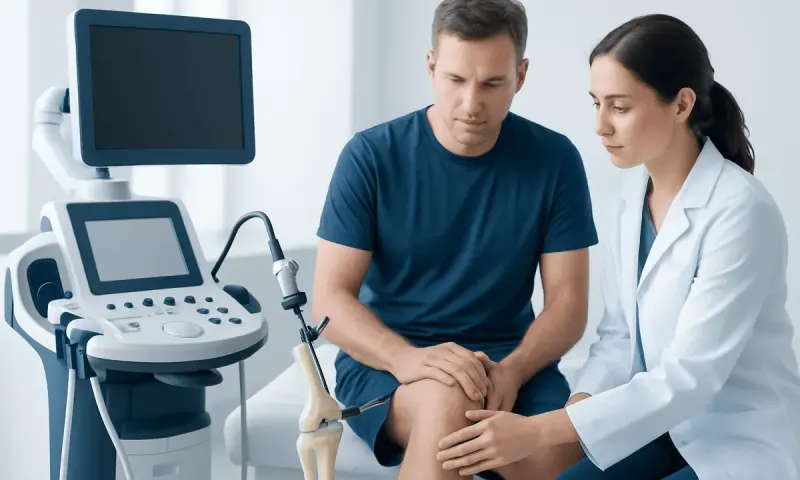
Diagnosis starts with the history and physical examination. A doctor will ask when the swelling began, whether there was an injury, if symptoms came on suddenly or gradually, and whether fever, redness, morning stiffness, or previous joint problems are present. The elbow will be examined for warmth, tenderness, stability, range of motion, and signs of nearby conditions such as bursitis or tendon injury.
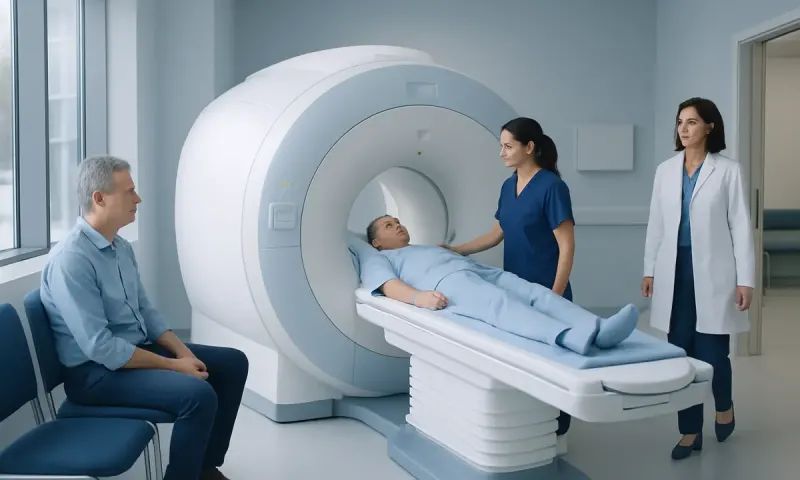
Imaging may help clarify the cause. X-rays can show fractures, dislocation, arthritis changes, or indirect signs of fluid. Ultrasound is useful for confirming fluid collections and distinguishing whether swelling is inside the joint or in surrounding soft tissues. In more complex cases, advanced imaging such as MRI scanning may be used to assess cartilage, ligaments, tendons, or occult injury.
When infection, crystal arthritis, or bleeding into the joint is a concern, the doctor may recommend joint aspiration. This means using a sterile needle to remove some fluid for testing. Laboratory analysis can look for bacteria, white blood cells, blood, and crystals. Blood tests may also be ordered to check inflammatory markers, uric acid, autoimmune clues, or signs of infection. If bone injury is suspected, X-ray imaging is often one of the first tests performed.
Treatment options and what recovery depends on
Treatment for elbow joint effusion depends on the cause, severity of symptoms, and whether there is an urgent problem such as infection or fracture. For mild cases related to strain or minor injury, early care often includes relative rest, avoiding painful activity, applying ice for short periods, and using a compression bandage if advised by a clinician. Elevation and simple pain relief may also help reduce discomfort.
If inflammation is driving the swelling, a doctor may recommend anti-inflammatory medication when it is safe for the person to use. When fluid is causing significant pressure or diagnosis is uncertain, aspiration can both relieve symptoms and help identify the cause. If the problem is related to autoimmune arthritis, gout, or another chronic condition, treatment is directed at that underlying disease rather than the swelling alone.
When injury has damaged joint structures, rehabilitation may be needed to restore strength and motion. Some people benefit from guided exercise and physical therapy and rehabilitation after the painful phase settles. If there is a fracture, instability, or another structural problem, an orthopedic team may assess whether immobilization or further procedures are needed. In cases linked to inflammatory joint disease, evaluation for rheumatoid arthritis or related conditions can be important.
If infection is suspected, treatment should not be delayed. Septic arthritis can damage cartilage quickly and usually requires urgent antibiotics and drainage under medical supervision. Recovery is generally best when the underlying cause is identified early and the elbow is protected from repeated strain during healing.
Self-care, prevention, and daily activity
You cannot prevent every case of elbow joint effusion, but a few practical habits lower the risk. Using correct technique in sports, warming up before repetitive arm activity, and taking breaks during tasks that strain the elbow may reduce irritation. Protective gear may help in contact sports or jobs with a higher risk of falls or impact.
People who have already had elbow swelling should return to activity gradually. Sudden increases in training, heavy lifting, or forceful gripping can trigger symptoms again before tissues have recovered fully. Good posture and shoulder and forearm conditioning can also support elbow function, especially in people whose work or exercise involves repeated arm movement.
Your general health matters too. Keeping gout, inflammatory arthritis, and diabetes well controlled may reduce the chance of recurrent joint problems. At home, rest the elbow briefly, avoid movements that sharply increase pain, and get medical advice if the swelling persists, keeps coming back, or is limiting what your arm can do.
For international patients who need coordinated assessment, Acıbadem Health Point’s multidisciplinary specialists and JCI-accredited hospitals diagnose and treat musculoskeletal and joint conditions with individualized planning.
When to seek medical care
See a doctor if the swelling is new, unexplained, severe, or has not settled after a short period of rest. It is also important to seek care if the elbow cannot fully bend or straighten, if pain interferes with daily tasks, or if swelling keeps returning. A clinician can help determine whether the problem is a simple inflammatory reaction or a sign of something that needs specific treatment.
Urgent care is especially important when the elbow is very hot, red, or extremely tender, or when swelling is accompanied by fever, chills, or feeling generally unwell. These symptoms can suggest infection and should be assessed promptly. Sudden swelling after significant trauma, obvious deformity, numbness, weakness, or loss of hand circulation also requires timely evaluation.
Children, older adults, people with immune suppression, and anyone taking blood thinners should be cautious with joint swelling. Because the same symptom can come from several different causes, professional assessment helps guide safe treatment and avoid delays in managing more serious conditions.
Frequently asked questions
01Is elbow joint effusion the same as bursitis?
No. Elbow joint effusion means extra fluid is inside the elbow joint, while bursitis means fluid and inflammation are in a bursa, a small sac near the joint. The two can cause similar swelling, but they involve different structures and may need different treatment.
02Can elbow joint effusion go away on its own?
Sometimes it can, especially if it follows mild overuse or a minor injury and the elbow is rested. However, persistent, recurring, or painful swelling should be evaluated because treatment depends on the cause. Self-diagnosing can miss infection, fracture, or inflammatory disease.
03What does fluid in the elbow joint feel like?
Many people notice fullness, tightness, or pressure around the elbow, along with stiffness. Some have pain only when they move the arm, while others feel warmth or tenderness. The exact sensation depends on whether the cause is injury, inflammation, or infection.
04How is elbow joint effusion diagnosed?
Doctors diagnose it through a physical examination and by asking about symptoms, injuries, and medical history. Imaging such as X-ray or ultrasound may be used, and sometimes fluid is removed with a needle for laboratory testing. The goal is to find the underlying cause, not just confirm that fluid is present.
05Does elbow joint effusion always mean arthritis?
No. Arthritis is one possible cause, but elbow joint effusion may also result from trauma, overuse, gout, bleeding into the joint, or infection. That is why a proper evaluation is important when swelling is significant or unexplained.
06When is elbow swelling an emergency?
Urgent assessment is needed if the elbow is very red, hot, severely painful, or difficult to move, especially if fever is present. Swelling after major trauma, visible deformity, numbness, or weakness also deserves prompt medical care. These features can suggest infection, fracture, or a more serious joint injury.
This article is for general information only and is not a substitute for professional medical advice. Please consult a qualified doctor about your individual situation.
Joint and spine care in Turkey — expert assessment & treatment
JCI-accredited · board-certified surgeons · reply within 24h
Add us as a Preferred Source to see more of our trusted health content across Google Search, AI Overviews and Discover.