Gout: Causes

Key Takeaways
- Gout usually develops when uric acid stays too high in the blood and forms crystals in joints.
- Diet, alcohol, dehydration, obesity, kidney problems, and some medicines can raise gout risk.
- Sudden joint pain, swelling, redness, and warmth are common signs of a gout flare.
- Diagnosis is based on symptoms, blood tests, imaging, and sometimes joint fluid analysis.
- Treatment focuses on easing flares, lowering uric acid, and preventing future attacks.
Gout is a form of inflammatory arthritis that happens when uric acid crystals build up in a joint. Understanding the causes can help patients reduce flare triggers, manage risk factors, and discuss the right treatment plan with a doctor.
Overview
Gout is often described as a “sudden” arthritis, but the process behind it usually develops quietly over time. The central issue is excess uric acid in the body. When uric acid builds up, it can form sharp crystals that settle in a joint and trigger a painful inflammatory response.
For many people, the first attack appears in the big toe, although the ankle, knee, wrist, or fingers can also be involved. A person may go from feeling completely well to having a joint that is hot, swollen, and very tender within hours. The pain can be intense, yet gout is treatable, and the causes can often be identified and managed.
For international patients, it is especially helpful to think about gout as a condition that benefits from both short-term care and long-term planning. A flare may need prompt relief during travel or after arrival for treatment, while prevention usually depends on follow-up, medication review, and lifestyle adjustments that continue after returning home.
Symptoms

Gout commonly begins with a sudden attack of severe pain in one joint. The area may look red or purple, feel warm to the touch, and become so sensitive that even a bedsheet can be uncomfortable. Many people notice that the pain peaks quickly, often overnight or early in the morning.
Although the big toe is classic, gout does not always start there. It may affect the heel, ankle, knee, elbow, or smaller joints in the hands and feet. Some people have one isolated flare, while others experience repeated attacks that come closer together over time.
- Sudden joint pain, often severe
- Swelling and tenderness around the joint
- Redness or warmth
- Stiffness and limited movement
- Recurring flares over months or years
Symptoms can resemble other types of arthritis or even a joint infection, so a proper medical assessment matters. A doctor can help confirm whether the pain pattern truly fits gout and whether another condition needs attention.
Causes & Risk Factors

The main cause of gout is hyperuricemia, which means uric acid levels in the blood are too high. Uric acid is a normal waste product formed when the body breaks down purines, substances found naturally in the body and in some foods. When the body makes too much uric acid, or the kidneys do not remove enough of it, crystals can form.
Not everyone with high uric acid develops gout, but the chance rises when certain risk factors are present. Diet can contribute, especially frequent intake of organ meats, some seafood, and sugary drinks. Alcohol, particularly beer and spirits, may also increase risk by raising uric acid and making it harder for the body to clear it.
Other common contributors include excess body weight, dehydration, high blood pressure, diabetes, kidney disease, and a family history of gout. Some medicines, such as certain diuretics, can raise uric acid levels. Gout is also more common in men and in women after menopause, though it can affect adults of any sex.
Risk often reflects a combination of factors rather than one single cause. That is why patients usually benefit most from a complete review of habits, medical history, and medications rather than focusing only on one food or one test result.
Diagnosis
Doctors usually begin with a detailed history and physical examination. The pattern of pain, the appearance of the joint, and any previous flares can provide important clues. Questions about diet, alcohol use, hydration, kidney health, and medications are also part of the evaluation.
Blood tests may check uric acid levels and look for signs of inflammation, but uric acid alone does not confirm gout. Some people have a high level without symptoms, and others may have a normal level during a flare. For that reason, doctors sometimes use additional tests to strengthen the diagnosis.
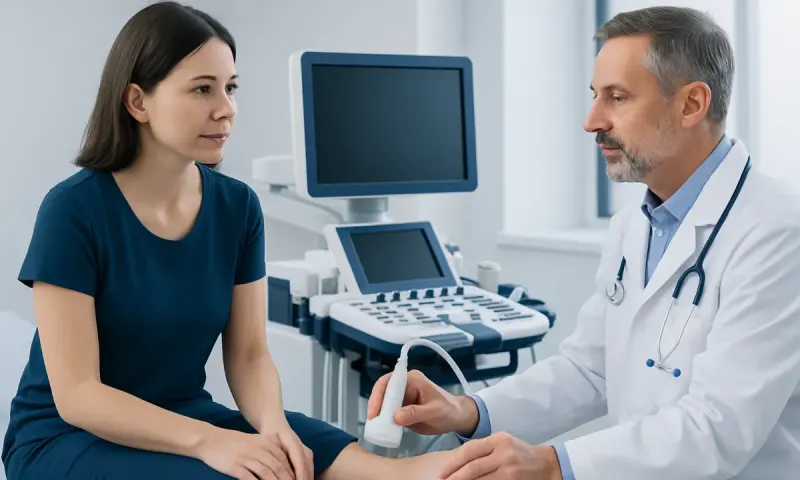
When needed, joint fluid analysis can identify uric acid crystals directly and help rule out infection. Imaging studies such as ultrasound or dual-energy CT may also show crystal deposits or joint changes. These tools are especially useful when the diagnosis is unclear or symptoms affect more than one joint.
For patients traveling for care, a clear diagnosis is particularly helpful because it shapes the next steps before they return home. It can guide medication choices, explain what to watch for during recovery, and make follow-up with a local doctor much easier.
Treatment Options
Gout treatment has two goals: calming the current flare and reducing the chance of future attacks. During a flare, doctors may recommend anti-inflammatory medicines or other therapies to reduce pain and swelling. Resting the joint and elevating it can also make symptoms more manageable.
For people with repeated flares, tophi, kidney stones, or ongoing uric acid problems, long-term urate-lowering therapy may be appropriate. These medicines help keep uric acid from forming crystals. Treatment is individualized, because the best approach depends on flare frequency, kidney function, other medical conditions, and the person’s overall risk profile.
Medication review matters as well. If a drug is contributing to gout risk, a doctor may consider alternatives when possible. People should not stop prescribed medicines on their own, but they can ask whether any current treatment could be affecting uric acid levels.
Some patients need a gradual plan rather than a one-time prescription, especially if they are arranging treatment across borders. In those cases, the care team may outline what to start now, what to continue after travel, and how to monitor progress safely with a local physician.
Prevention & Self-care
Preventing gout often starts with everyday habits that lower uric acid stress on the body. Staying well hydrated can help the kidneys remove uric acid more effectively. A balanced diet, regular activity, and gradual weight management may also reduce flare risk over time.
It is usually more helpful to focus on patterns than on a single forbidden food. Many people do better when they limit alcohol, especially beer and spirits, reduce sugary drinks, and moderate foods high in purines if these seem to trigger attacks. A doctor or dietitian can help patients make realistic changes without making meals feel overly restrictive.
- Drink enough fluids throughout the day
- Limit alcohol and sugary beverages
- Maintain a healthy body weight gradually
- Take medications exactly as prescribed
- Keep a note of personal flare triggers
During a flare, gentle self-care can make a difference. The joint should be rested, and compression or very intense exercise should usually be avoided until the pain settles. If a person is recovering while traveling, it helps to carry a medication list, know where to obtain urgent care, and have a plan for follow-up once home.
When to See a Doctor
Any first-time sudden joint swelling or severe pain deserves medical attention, especially if the person has never had gout before. A doctor should also assess joint symptoms that come with fever, chills, or marked redness, because these can point to a different problem that needs prompt treatment.
People with repeated flares, kidney disease, diabetes, or heart disease should discuss gout early, even if the pain is manageable. Recurrent attacks may signal that uric acid is still too high and that the prevention plan needs adjustment. Waiting between flares can make it easier to miss the chance to reduce long-term joint damage.
Patients who are arranging treatment from another country may benefit from a coordinated plan that includes diagnosis, medication instructions, and follow-up testing. Acibadem Health Point’s multidisciplinary specialists and JCI-accredited hospitals diagnose and treat gout for international patients in a structured, patient-centered way.
Medical advice should always be personalized. A qualified doctor can determine whether the symptoms are truly from gout, whether urate-lowering treatment is needed, and how to safely monitor progress over time.
Frequently asked questions
01What is the main cause of gout?
The main cause is too much uric acid in the blood, which can form crystals in a joint. Those crystals trigger inflammation and the sudden pain typical of a gout flare.
02Does eating certain foods cause gout on its own?
Food is only one part of the picture. Some foods and drinks can increase uric acid, but gout usually develops from a mix of diet, genetics, kidney function, body weight, and medications.
03Why does gout often affect the big toe?
The big toe joint is cooler and can be a favorable place for uric acid crystals to form. That said, gout can also affect the ankle, knee, wrist, and other joints.
04Can someone have high uric acid without gout?
Yes. Some people have elevated uric acid and never develop symptoms. Others may have gout even if the blood level looks normal during a flare.
05How is gout usually confirmed?
Doctors may use a combination of symptoms, blood tests, imaging, and sometimes joint fluid analysis. Finding uric acid crystals in the joint fluid is one of the clearest ways to confirm the diagnosis.
06Can gout be prevented?
Many flares can be reduced with hydration, weight management, alcohol moderation, medication review, and uric acid-lowering treatment when needed. A doctor can help build a plan that fits the person’s health profile and daily routine.
This article is for general information only and is not a substitute for professional medical advice. Please consult a qualified doctor about your individual situation.
Joint and spine care in Turkey — expert assessment & treatment
JCI-accredited · board-certified surgeons · reply within 24h
Add us as a Preferred Source to see more of our trusted health content across Google Search, AI Overviews and Discover.