Gordon Ramsay Hair Transplant: Procedure, Benefits, Risks and Recovery

Key Takeaways
- A hair transplant is a surgical way to move healthy follicles from one area of the scalp to thinning areas.
- FUE and FUT are the two main techniques, each with different scar patterns and recovery considerations.
- Not everyone with hair loss is a good candidate; diagnosis should come before treatment planning.
- Recovery is usually gradual, with temporary shedding before new growth becomes visible.
- Long-term results depend on ongoing hair-loss management, scalp health, and realistic expectations.
A Gordon Ramsay hair transplant usually refers to public interest in the chef’s hair restoration rather than a single named procedure. In general, modern hair transplants can help selected people regain a fuller hairline, but the right approach depends on the cause of hair loss, donor hair quality, and long-term planning.
Overview
When people search for a Gordon Ramsay hair transplant, they are usually asking whether the chef had hair restoration and what kind of procedure might create a similar result. The short answer is that public discussion can point to the broader topic of modern hair transplantation, but any individual’s treatment plan can only be understood by a qualified specialist after an in-person assessment.
Hair transplantation is designed for people with pattern hair loss or other stable areas of thinning, where healthy follicles can be moved from a denser donor area to a more visible area of loss. It is not a quick cosmetic fix for every type of shedding. A careful consultation helps determine whether a person is likely to benefit from surgery, medication, lifestyle changes, or a combination of approaches.
For international patients, the decision is often practical as well as medical: they need to know what technique is recommended, how long they will need to stay, and what follow-up will look like once they return home. That is why the first step is less about celebrity comparisons and more about understanding the individual pattern of hair loss.
What a Hair Transplant Actually Does
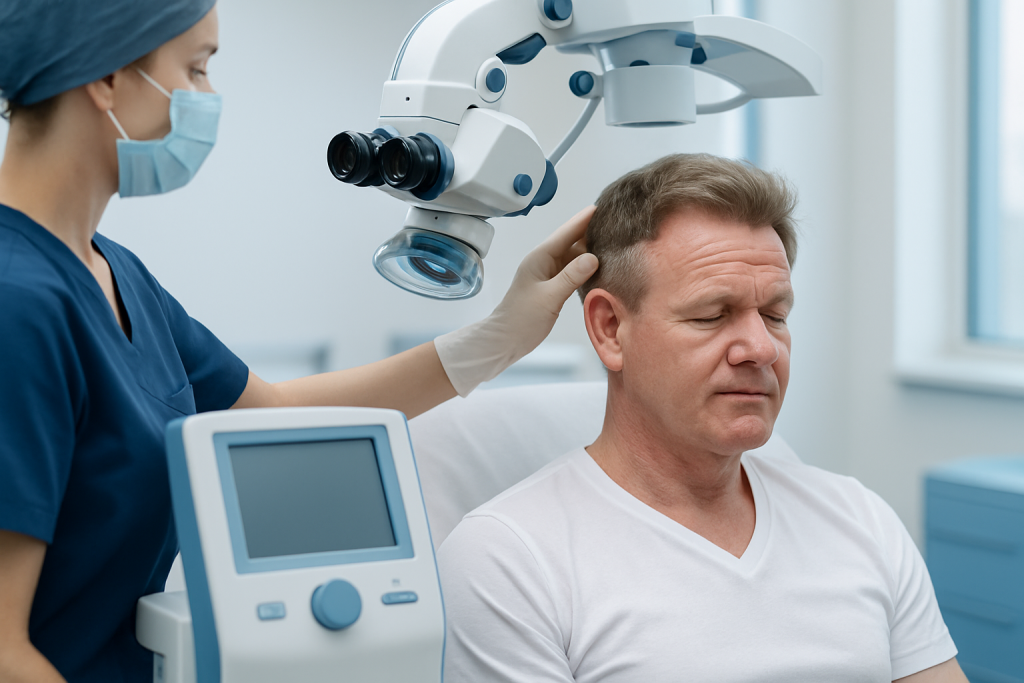
A hair transplant redistributes existing hair rather than creating new follicles. In most cases, surgeons take grafts from the back or sides of the scalp, where hair is usually more resistant to thinning, and place them into areas such as the hairline, temples, mid-scalp, or crown. The goal is to make the hair grow in a natural direction and density that suits the patient’s face and age.
The two best-known techniques are FUE (follicular unit extraction) and FUT (follicular unit transplantation). FUE removes individual follicular units, while FUT takes a thin strip of scalp from the donor area and separates it into grafts. The best method depends on hair characteristics, the size of the area to be treated, the patient’s preferences, and the surgeon’s experience.
Although the procedure is often described in simple terms, it is a detailed medical process. Planning the hairline, matching graft placement to the natural angle of growth, and protecting the donor area all matter to the final appearance. Good results are usually subtle, balanced, and age-appropriate rather than overly dense or artificial.
Signs and Candidacy

People who consider hair transplantation commonly notice a receding hairline, thinning at the crown, widening part lines, or reduced coverage after years of gradual hair loss. Some also seek treatment after scarring from injury or previous surgery. A transplant may be appropriate when the hair loss pattern is stable enough to plan around and the donor area has enough healthy follicles to support surgery.
Not every kind of shedding is suitable for a transplant. Temporary hair loss from stress, illness, nutritional deficiency, thyroid conditions, or certain medicines should be identified first, because surgery does not correct those causes. In some cases, treatment is postponed until the underlying issue is managed or hair loss has settled.
Doctors also look at age, family history, scalp condition, and the likely progression of future hair loss. This is especially important in younger men, because a transplant that looks good today may need careful long-term planning if thinning continues. A conservative approach often gives the most natural and durable outcome.
Causes and Risk Factors
The most common reason for hair transplantation is androgenetic alopecia, also called male- or female-pattern hair loss. This condition is influenced by genetics and hormones and tends to progress slowly over time. Other reasons for visible hair loss can include traction from tight hairstyles, scarring conditions, burns, and prior trauma.
Risk factors for more noticeable hair thinning include a family history of pattern hair loss, advancing age, certain medical conditions, and periods of hormonal change. Lifestyle factors may also contribute indirectly, especially when poor nutrition, harsh hair practices, or untreated scalp inflammation make hair appear weaker than it is. A specialist evaluation helps separate these influences.
For patients traveling internationally, it is important to understand the full picture before booking surgery. A reputable clinic should ask about medications, past hair-loss treatments, scalp irritation, and any health issues that could affect healing. Good planning reduces the chance of disappointment and helps the surgical plan fit the patient’s long-term needs.
Diagnosis and Consultation
The diagnostic process usually starts with a detailed history and scalp examination. The clinician may ask when hair loss began, how quickly it has changed, whether there is itching or scaling, and whether family members have similar patterns. Photos may be taken to compare the current state of the hair with future follow-up visits.
In some cases, a specialist may use dermoscopy or other scalp assessment tools to examine the hair shafts and follicles more closely. Blood tests are sometimes recommended when the pattern suggests a medical cause beyond inherited thinning. This helps avoid treating the wrong problem with surgery alone.
A strong consultation also includes an honest discussion of expectations. Patients benefit from knowing how much coverage is realistic, whether more than one session may be needed, and how the transplant will age over time. The aim is not to chase an idealized hairline, but to create a result that looks believable and fits the person’s overall appearance.
Treatment Options
Hair transplant surgery is the main permanent option for replacing lost hair in suitable candidates, but it is often part of a broader plan. FUE is popular because it leaves tiny dot-like marks rather than a linear scar, while FUT may allow more grafts to be collected in one session in selected cases. The choice should be individualized rather than based on trends alone.
During the procedure, local anesthesia is usually used so the patient remains comfortable and awake. After donor hair is collected, the surgeon creates small recipient sites and places the grafts at the correct angle and distribution. The procedure can take several hours, especially when a larger area is treated.
Non-surgical treatments may also be discussed, depending on the diagnosis. These can include medical therapy to slow further thinning, scalp-care measures, and camouflage options such as styling changes or cosmetic concealers. For many patients, the best plan combines surgery with ongoing maintenance rather than relying on a single intervention.
Benefits, Risks, and Recovery
One of the main benefits of hair transplantation is that it can restore visible density in a way that matches the patient’s own hair texture and growth pattern. When well planned, the result is usually permanent in the donor-derived grafts, and the improved framing of the face can be meaningful for self-image and day-to-day confidence.
As with any surgery, there are risks. These may include swelling, temporary redness, bruising, numbness, infection, poor graft survival, uneven growth, or visible scarring. A less predictable risk is continued loss of the surrounding native hair, which is why long-term planning is essential.
Recovery is usually gradual. The scalp often feels tender for a short time, and there may be crusting or shedding of transplanted hairs in the early weeks. This shedding can be part of the normal process, with new growth appearing later. Patients are typically advised to avoid rubbing the area, follow washing instructions carefully, and protect the scalp from sun and trauma while healing.
International patients should also plan for follow-up before travel. The clinic should explain how to monitor healing, when to resume exercise or routine grooming, and how to contact the team if questions arise after returning home. Clear aftercare instructions matter just as much as the operation itself.
Prevention, Self-Care, and When to See a Doctor
Not all hair loss can be prevented, but some steps can protect the scalp and support overall hair health. Gentle hair care, avoiding tight traction styles, eating a balanced diet, and treating dandruff or scalp inflammation early can reduce added stress on the follicles. If hair loss is progressing, it is better to seek advice early than wait until thinning becomes extensive.
People should see a doctor if hair loss is sudden, patchy, painful, associated with scaling or redness, or accompanied by other symptoms such as fatigue or weight change. These patterns may suggest an underlying medical condition that needs evaluation before any cosmetic treatment is considered. A transplant is best viewed as one part of a structured medical plan.
For those exploring treatment abroad, Acibadem Health Point can connect international patients with multidisciplinary specialists and JCI-accredited hospitals that diagnose and treat hair loss conditions in a coordinated setting. The most useful next step is a consultation that clarifies the cause of thinning, the best procedure if surgery is appropriate, and the follow-up needed after travel.
Frequently asked questions
01What does the term Gordon Ramsay hair transplant usually mean?
It usually refers to public curiosity about whether the celebrity had hair restoration and what procedure might have produced a fuller look. It does not identify a single official operation, so medical advice should focus on the individual’s own hair-loss pattern rather than the celebrity’s appearance.
02Who is a good candidate for a hair transplant?
A good candidate usually has stable pattern hair loss, enough healthy donor hair, and realistic expectations about the result. A specialist should also rule out temporary shedding or medical causes that would be better treated without surgery first.
03Is a hair transplant permanent?
Transplanted follicles are generally long-lasting because they are taken from areas more resistant to pattern hair loss. However, the surrounding native hair may continue to thin over time, so some patients need ongoing treatment to maintain the overall look.
04How long does recovery take after a hair transplant?
Most people have the most visible healing changes in the first couple of weeks, but final cosmetic results take much longer to appear. New growth is gradual, and the scalp may go through a shedding phase before fuller growth becomes noticeable.
05Are FUE and FUT both effective?
Both techniques can be effective when they are used for the right patient and performed by an experienced team. The better option depends on the donor area, the extent of hair loss, scar preferences, and the surgeon’s assessment.
06Can a hair transplant stop future hair loss?
A transplant replaces lost hair in specific areas, but it does not stop the underlying tendency to thin in untreated parts of the scalp. Doctors often discuss medical maintenance or other supportive measures to help protect the remaining hair.
This article is for general information only and is not a substitute for professional medical advice. Please consult a qualified doctor about your individual situation.
Hair transplant in Turkey — costs, graft counts & a free assessment
JCI-accredited · board-certified surgeons · reply within 24h
Add us as a Preferred Source to see more of our trusted health content across Google Search, AI Overviews and Discover.