Gluteal Augmentation Before and After: Expected Shape
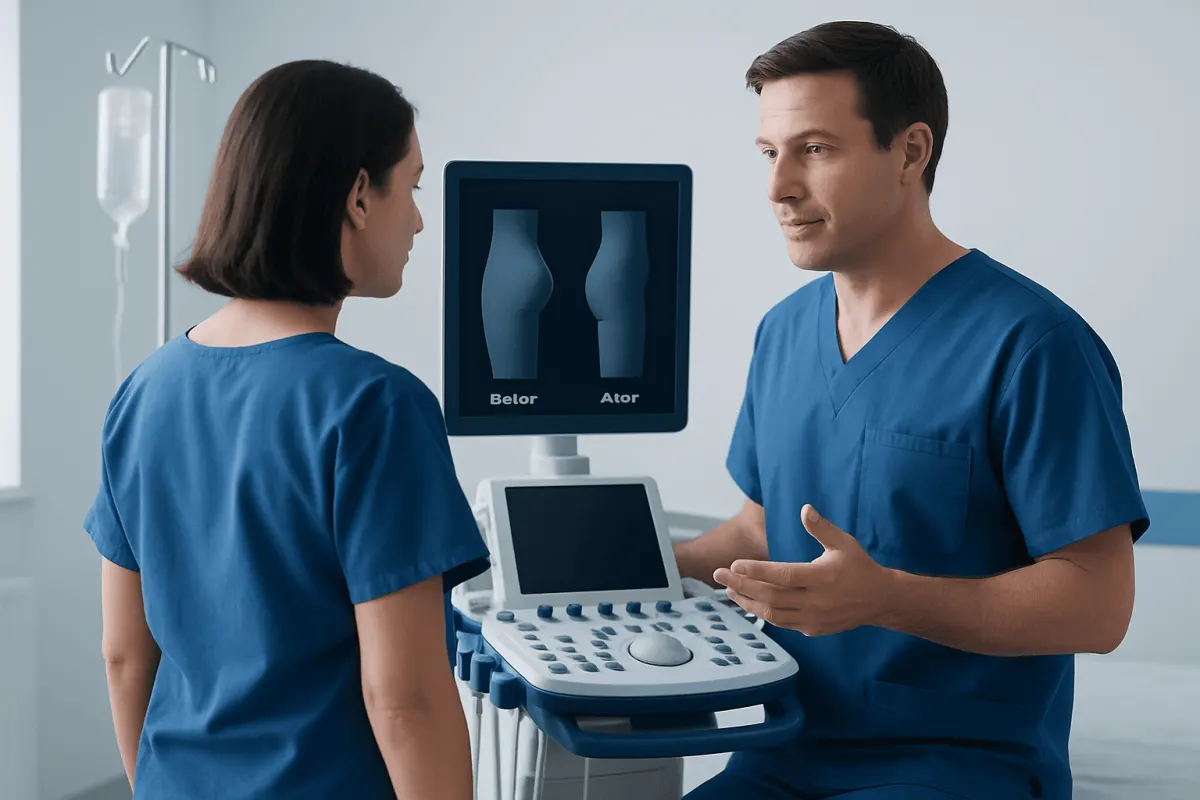
Gluteal augmentation before and after changes can include increased buttock projection, fuller contours and improved symmetry, but final results develop gradually as swelling resolves and tissues heal. A qualified plastic surgeon can explain whether implants, fat transfer or another contouring approach best suits an individual’s anatomy and goals.
Gluteal augmentation before and after: what changes to expect
Gluteal augmentation before and after results commonly show a fuller, more projected buttock contour and improved balance between the waist, hips and lower body. The degree of change depends on the starting anatomy, the chosen technique, implant size or available donor fat, skin quality and the body’s healing response. A well-planned result should look proportionate to the person rather than follow a single ideal shape.
Early after-surgery photographs can be misleading because swelling, bruising and changes in posture are expected during recovery. The buttocks may initially appear higher, firmer or larger than the eventual outcome. As healing progresses, swelling decreases and tissues adapt around an implant or transferred fat, the contour becomes more representative of the final result.
Gluteal augmentation is an elective body-contouring procedure. It may be performed with silicone gluteal implants, fat transfer, sometimes called a Brazilian butt lift, or selected combinations of contouring procedures. During a consultation, a board-certified plastic surgeon reviews health history, body proportions, tissue coverage and goals before recommending the safest appropriate option.
How gluteal augmentation works and who may be a candidate
Gluteal implants are solid, soft silicone devices designed specifically for the buttocks. A surgeon places the implant through an incision, usually in or near the natural crease between the buttocks, and positions it in a carefully created pocket. Placement may be within the gluteal muscle or in another anatomical plane selected to provide coverage, stability and a natural contour.
Fat transfer removes fat by liposuction from areas such as the abdomen, flanks, back or thighs. The collected fat is processed and strategically injected into the buttocks to add volume and shape. Not every person has enough suitable donor fat for this approach, and a portion of transferred fat is naturally reabsorbed during healing. Importantly, fat should be injected only into the subcutaneous layer above the muscle by appropriately trained surgeons using established safety practices.
Potential candidates are adults in generally good health, at a stable weight and without conditions that would make surgery or anaesthesia unsafe. They should be non-smokers or willing to stop nicotine use well in advance and throughout healing, as nicotine can impair blood flow and wound healing. Realistic expectations, the ability to take Neck Surgery Recovery Time?" class="ahp-ilk">recovery time and a commitment to follow aftercare instructions are essential.
- Implants may be considered when a person wants more predictable volume and has limited donor fat.
- Fat transfer may suit people seeking modest-to-substantial contour enhancement while also reducing fat in donor areas.
- Neither approach is a substitute for weight management, and substantial weight changes can alter the long-term appearance.
The procedure: step by step
Before surgery, the care team reviews medical conditions, medicines, supplements, allergies and previous operations. The surgeon takes measurements, discusses desired contour and explains the planned technique, expected scars, limitations and alternatives. Preoperative testing may be needed depending on age, health status and the planned anaesthetic.
On the day of surgery, the procedure is generally performed under general anaesthesia in an accredited operating facility. For implant augmentation, the surgeon marks the planned areas, makes discreet incisions, creates implant pockets and places implants of the agreed shape and size. The surgeon checks symmetry and closes the incisions with sutures; drains may occasionally be used.
For fat transfer, liposuction is performed first, followed by preparation of the harvested fat. The surgeon then injects small amounts in multiple passes into the layer of tissue above the gluteal muscle, shaping the area while avoiding unsafe injection planes. Compression garments may be used for liposuction areas, while the precise aftercare plan differs between implant and fat-transfer procedures.
People considering surgical enhancement can discuss gluteal augmentation treatment options with a qualified plastic surgeon. The consultation should include a clear conversation about individual anatomy, safety protocols, recovery support and what outcome is realistically achievable.
Recovery timeline and seeing results
Recovery varies with the surgical technique, the extent of liposuction, the individual’s health and the surgeon’s instructions. In the first days, soreness, tightness, bruising and swelling are common. Pain relief, wound-care guidance and short, gentle walks are usually part of early care. A responsible adult may be needed to help at home immediately after anaesthesia.
After implants, patients are commonly asked to avoid direct pressure on the buttocks and to limit certain movements for a period specified by their surgeon. After fat transfer, reducing prolonged pressure on the buttocks is particularly important because it can affect the survival of transferred fat. Special cushions, modified sitting positions and sleeping arrangements may be recommended. The exact restrictions and timing for return to work, driving, exercise and sitting vary, so the surgeon’s instructions take priority.
Many people can resume light daily activities after the initial recovery period, but strenuous exercise and lower-body training normally return in stages. Follow-up appointments allow the surgical team to monitor incisions, swelling and symmetry. Results continue to refine over several months. With fat transfer, the volume remaining after the first few months is more likely to represent the long-term retained fat; with implants, the contour may soften and settle as surrounding tissues heal.
Maintaining a stable weight, avoiding nicotine and attending all follow-up visits support recovery. Before-and-after photographs should be discussed carefully: they show individual outcomes, not a promise of a particular result for another person.
Benefits, limitations and possible risks
Potential benefits include improved buttock volume, projection, shape and symmetry, as well as a more balanced body silhouette. Implants can provide significant volume where fat transfer is not feasible, while fat transfer may contour both donor sites and the buttocks. Satisfaction tends to be higher when the procedure choice, size and shape are based on an individual’s proportions and realistic goals.
All surgery involves risk. Possible complications include bleeding, infection, delayed wound healing, fluid collection, scarring, asymmetry, persistent discomfort, changes in skin sensation and anaesthetic complications. Implant-specific concerns include shifting, palpability, rupture, capsular contracture, exposure or the future need for revision or removal. Fat-transfer-specific concerns include uneven fat survival, contour irregularities, lumps and the need for a later touch-up procedure.
Fat embolism is a rare but serious complication of gluteal fat transfer. It can occur if fat enters blood vessels, which is why procedure safety depends on appropriate training, careful technique, use of recommended imaging guidance where available, and injecting fat only above the gluteal muscle. Choosing a properly qualified plastic surgeon and an accredited facility is an important part of reducing preventable risk, though no operation is entirely risk-free.
A thorough assessment should also identify body-image concerns, medical conditions and medications that could affect decision-making or healing. A surgeon should never pressure a patient into surgery and should be comfortable discussing non-surgical alternatives or deciding that surgery is not appropriate.
How risky is buttock augmentation?
Buttock augmentation can be performed safely in appropriately selected patients by experienced, qualified plastic surgeons, but it is not risk-free. The level of risk depends on the technique used, the patient’s general health, the surgical facility, the extent of surgery and adherence to recovery instructions. Smoking, uncontrolled diabetes, blood-clotting disorders and certain medicines can increase complication risk.
Gluteal implants and fat transfer have different safety considerations. Implant surgery may involve wound, pocket or device-related complications, while fat transfer carries the particular risk of fat embolism if unsafe injection technique is used. A prospective patient should ask how the surgeon approaches fat-transfer safety, whether the facility is accredited, who provides anaesthesia and what emergency arrangements are in place.
Careful planning, transparent informed consent and follow-up care help reduce risk. People should avoid seeking surgery based only on social-media images, extremely low prices or promises of dramatic results. A safe consultation allows time for questions and for an independent decision.
How long do glute implants last?
Gluteal implants are designed to be durable, but they are not considered lifetime devices. Some remain in place for many years without a problem, while others may require revision or removal because of changes in position, discomfort, capsular contracture, infection, trauma, aesthetic preferences or a device-related issue. There is no fixed replacement timetable that applies to everyone.
Routine follow-up helps assess the implants and surrounding tissues. A person should contact their surgeon if they notice a new change in shape, persistent pain, increasing firmness, swelling, redness, drainage or a difference between the two sides. Significant weight fluctuation, ageing and changes in skin elasticity may also influence the appearance over time even when implants remain intact.
Before surgery, the surgeon should explain the possibility of future surgery. Understanding this long-term commitment helps patients make an informed decision about whether implants or fat transfer better aligns with their goals.
How much do gluteal implants cost? What do they look like? When to seek medical care
The cost of gluteal implants varies widely and should be assessed through an individual treatment plan rather than a general quote. Factors include the surgeon’s expertise, implant type, anaesthesia, operating facility, geographic location, preoperative assessments, garments, medication and follow-up care. Patients should request a written explanation of what is and is not included, and should not make a decision based on cost alone.
Gluteal implants are typically made of solid silicone elastomer rather than a liquid-filled device. They are available in shapes and sizes chosen to create a rounded or more anatomically tailored contour. They are not usually visible from the outside; after healing, the goal is for the buttocks to look and feel natural for the individual. In people with limited soft-tissue coverage, however, an implant may be more noticeable or palpable, which is one reason candidacy assessment matters.
Medical care should be sought promptly after surgery for trouble breathing, chest pain, fainting, sudden confusion, severe or worsening pain, rapidly increasing swelling, heavy bleeding, a high fever, spreading redness, pus-like drainage or one-sided leg swelling. These symptoms do not always mean a serious complication, but they require urgent assessment. For non-urgent concerns such as persistent asymmetry, wound discomfort or questions about healing, the surgical team should be contacted without delay.
Acıbadem Health Point’s multidisciplinary specialists and JCI-accredited hospitals support international patients who need assessment and treatment planning for gluteal augmentation.
Frequently asked questions
01When will gluteal augmentation before and after results look final?
Initial changes are visible soon after surgery, but swelling and tissue firmness can make the early appearance different from the eventual result. Many patients see a more settled contour over several months. The exact timeline depends on whether implants, fat transfer or both techniques were used.
02Can gluteal implants feel natural?
With suitable implant selection and placement, gluteal implants can feel soft and look proportionate after healing. The final feel depends on implant position, the thickness of the person’s own tissue and how the tissues heal. A surgeon can explain what is realistic for a particular body type.
03Is fat transfer safer than gluteal implants?
Neither procedure is automatically safer for every person because each has distinct risks and suitability requirements. Fat transfer has important safety considerations, including the rare risk of fat embolism, while implants have device and wound-related risks. A qualified plastic surgeon can assess which option is appropriate and explain the safety measures used.
04Will sitting affect recovery after buttock augmentation?
Direct pressure on the buttocks is often restricted during early recovery, especially after fat transfer. The duration and permitted positions differ by technique and surgeon, so patients should follow their specific written instructions. Special cushions or modified sitting may be recommended.
05Can gluteal implants be removed or replaced?
Yes, implants can be removed or exchanged if medically necessary or if a person’s goals change. Revision surgery may be more complex than the initial procedure, depending on scar tissue and the reason for removal. This possibility should be considered before choosing implants.
06What should patients ask at a gluteal augmentation consultation?
Patients should ask which technique is recommended and why, what the expected limitations are, what recovery restrictions apply and what risks are most relevant to them. It is also helpful to ask about the surgeon’s qualifications, facility accreditation, anaesthesia arrangements, safety protocols and follow-up plan. A good consultation gives the patient enough information to decide without pressure.
This article is for general information only and is not a substitute for professional medical advice. Please consult a qualified doctor about your individual situation.
Joint and spine care in Turkey — expert assessment & treatment
JCI-accredited · board-certified surgeons · reply within 24h
Add us as a Preferred Source to see more of our trusted health content across Google Search, AI Overviews and Discover.