Glove and Stocking Neuropathy: Symptoms and Causes
Glove and stocking neuropathy describes a common pattern of peripheral nerve symptoms affecting the feet, lower legs, hands, and forearms. Finding the underlying cause is important because treatment can ease symptoms, protect mobility, and sometimes slow or prevent further nerve damage.
Overview: What Is Glove and Stocking Neuropathy?
Glove and stocking neuropathy is a pattern of nerve symptoms that affects the hands and feet in areas similar to where gloves and stockings would sit. It usually reflects damage or dysfunction of the peripheral nerves, which carry messages between the brain, spinal cord, skin, muscles, and internal organs. The pattern most often begins in the longest nerves, so symptoms commonly start in the toes and later may involve the fingers.
People may notice reduced sensation, pins and needles, burning discomfort, sensitivity to touch, or weakness. Symptoms can be present on both sides of the body and may gradually move from the feet toward the legs, or from the hands toward the arms. The pace varies: some people develop symptoms slowly over months or years, while others notice a more rapid change.
This pattern is not a condition in itself. It is a clue that helps clinicians consider peripheral neuropathy and investigate its cause. Identifying a treatable contributor early can help guide care and reduce the risk of complications such as falls, unnoticed injuries, or skin wounds.
How Symptoms May Feel and Affect Daily Life
Sensory changes are often the first symptoms. These can include numbness, tingling, prickling, burning, electric-shock sensations, or pain that is worse at night. Some people experience allodynia, meaning ordinary contact from socks, bedsheets, or shoes feels unpleasant or painful. Others have less pain but lose the ability to feel heat, pressure, or minor injuries.
When motor nerves are involved, muscles may feel weak, cramped, or less coordinated. A person may find it harder to button clothing, hold small objects, climb stairs, or keep balance on uneven ground. Changes in walking can occur because the brain receives less reliable information from the feet about body position.
Autonomic nerves, which help regulate automatic body functions, can also be affected in some forms of neuropathy. Possible symptoms include dizziness on standing, altered sweating, constipation or diarrhea, or changes in bladder and sexual function. These symptoms have many possible causes, but they are important to mention during a medical assessment.
- Symptoms often begin in both feet before affecting the hands.
- Pain and numbness can occur together, although some people mainly have one or the other.
- Loss of protective sensation can allow cuts, blisters, and burns to go unnoticed.
Causes and Factors That Can Increase Risk

Diabetes is one of the most common causes of peripheral neuropathy worldwide. Persistently elevated blood glucose can injure nerves and the small blood vessels that support them. Diabetes-related neuropathy may develop gradually, and good glucose management is an important part of protecting nerve health. People with diabetes who develop new foot numbness, pain, or balance concerns should discuss this with their healthcare professional.
Other possible causes include low vitamin B12 levels and other nutritional deficiencies, heavy alcohol use, chronic kidney or liver disease, thyroid disorders, and certain infections. Some medicines, including particular chemotherapy treatments and other drugs that can affect nerves, may contribute. A clinician will review current and past medicines rather than assuming any single medicine is responsible.
Autoimmune and inflammatory disorders can sometimes damage peripheral nerves. Less commonly, inherited neuropathies, exposure to toxins, or certain cancers may be associated with neuropathy. In some people, a clear cause is not found even after appropriate testing; this may be described as idiopathic neuropathy. A careful evaluation remains useful because it can identify manageable factors and establish a plan for monitoring symptoms.
How Doctors Evaluate This Pattern
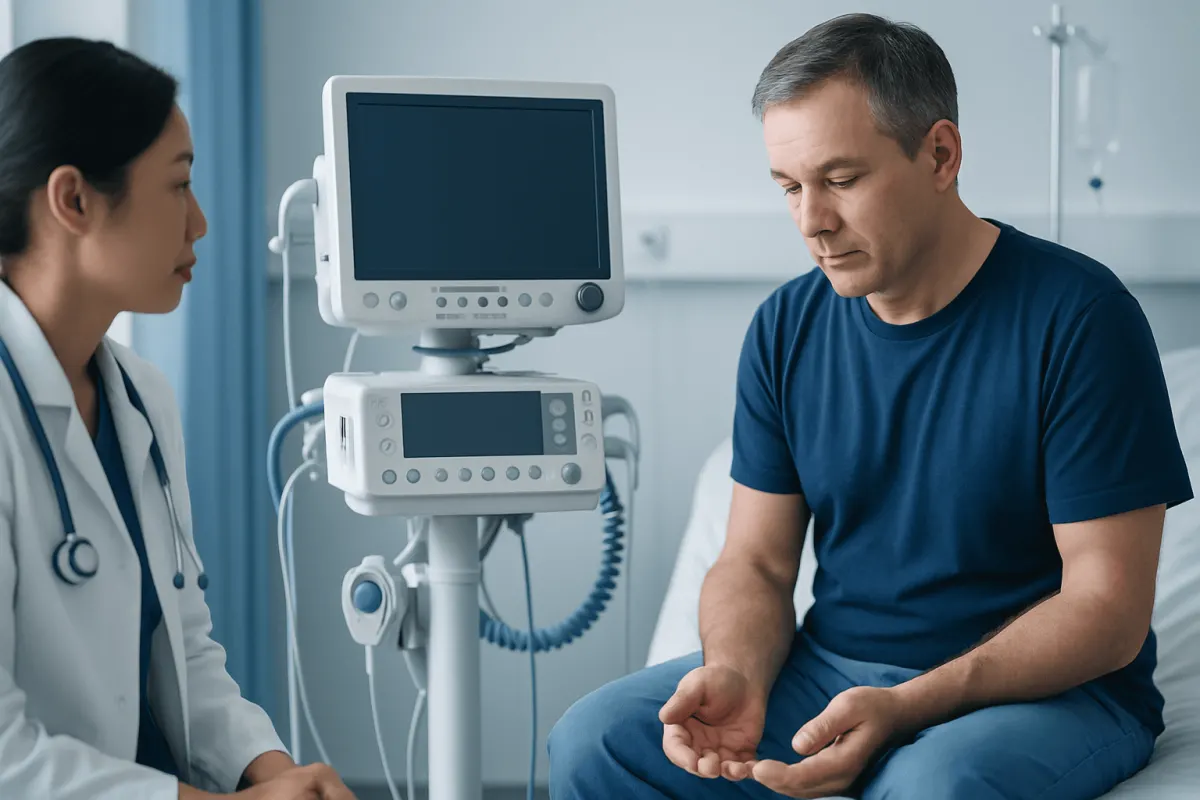
Assessment usually begins with a detailed conversation about symptoms, medical history, family history, diet, alcohol intake, work or environmental exposures, and medicines. The clinician may ask when symptoms began, whether they are symmetrical, how quickly they have changed, and whether there are associated problems such as weight loss, fever, rash, joint symptoms, or weakness.
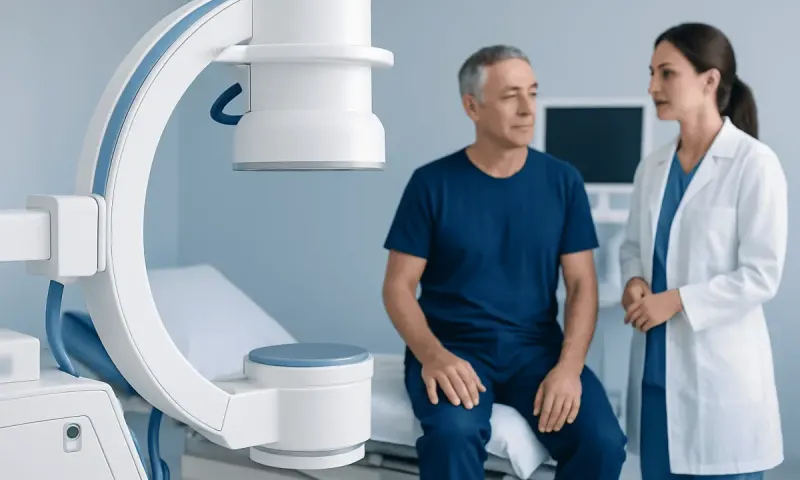
A neurological examination can check sensation to touch, vibration, temperature, and pinprick; muscle strength; reflexes; coordination; and walking. The feet and lower legs may also be examined for dry skin, calluses, wounds, changes in circulation, or signs of infection. This examination helps distinguish peripheral neuropathy from problems arising in the brain, spinal cord, or individual nerve roots.
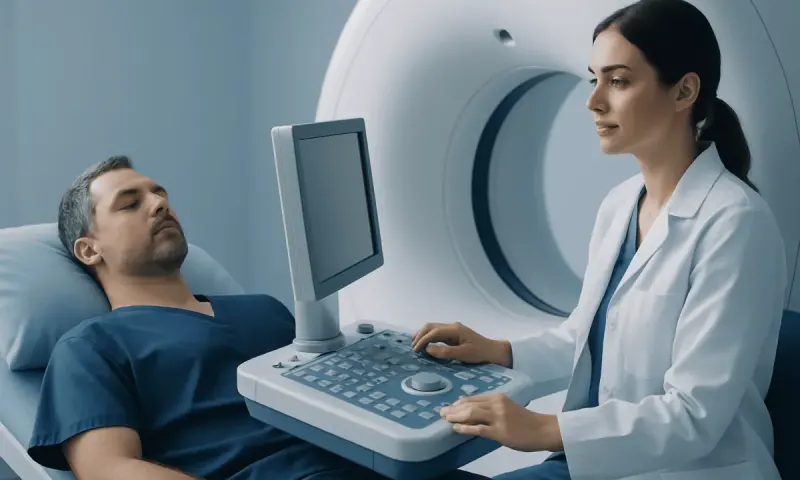
Blood tests may look for diabetes or prediabetes, vitamin deficiencies, thyroid dysfunction, kidney or liver problems, inflammation, and other possible contributors. Nerve conduction studies and electromyography can assess how well nerves and muscles transmit electrical signals. Depending on the presentation, imaging, Care Planning" class="ahp-ilk">Neuron Disease May Run in Families" class="ahp-ilk">genetic testing, or other specialist investigations may be considered. Not everyone needs every test; the plan is tailored to the individual pattern and history.
Treatment Options and Symptom Management
Treatment focuses first on the underlying cause whenever one can be identified. For example, this may involve improving diabetes management, correcting a documented vitamin deficiency, addressing thyroid or kidney disease, reducing alcohol intake with appropriate support, or reviewing a medicine that may be contributing. People should not stop prescribed medication without advice from the clinician who manages it.
Nerve pain can often be managed with medicines chosen according to the person’s symptoms, other health conditions, and potential side effects. Some treatments were originally developed for other conditions but are also used for neuropathic pain. Topical options may help selected people with localized painful areas. Because benefits and tolerability differ, treatment may need to be adjusted gradually with medical supervision.
Physical therapy, occupational therapy, and supervised exercise can support strength, balance, mobility, and confidence with everyday activities. Assistive devices or footwear modifications may be recommended when walking is affected. Sleep, mood, and activity can all be affected by persistent pain, so care may also include practical pain-management strategies and psychological support when needed.
For international patients, Acıbadem Health Point’s multidisciplinary specialists and JCI-accredited hospitals can assess peripheral nerve symptoms and coordinate care when appropriate. The most suitable plan depends on the suspected cause, test results, symptoms, and individual health needs.
Everyday Protection, Foot Care, and Self-Care
Reduced feeling in the feet makes regular skin checks especially important. Looking at the tops, soles, heels, and spaces between the toes each day can help identify blisters, cuts, redness, swelling, or cracks early. A mirror or help from another person may be useful if it is difficult to see the soles. New wounds should be assessed promptly, particularly for people with diabetes or poor circulation.
Well-fitting shoes with adequate room around the toes can reduce pressure and friction. It is generally safer to avoid walking barefoot, including indoors, because small objects or hot surfaces may not be felt. Before bathing, checking water temperature with an elbow or a thermometer can help prevent burns when hand or foot sensation is limited.
Regular movement, a balanced diet, adequate sleep, and limiting alcohol may support general health and symptom management. Balance exercises should be matched to a person’s ability and performed safely, especially if there is unsteadiness. Smoking cessation may also benefit circulation and overall nerve health. These measures do not replace medical evaluation, but they can complement a clinician’s treatment plan.
- Check feet daily and keep skin clean and moisturized, avoiding cream between the toes.
- Trim nails carefully or seek professional foot care if vision, flexibility, or sensation is limited.
- Use night lights, handrails, and clear walkways to lower the risk of falls.
When to Seek Medical Care
Anyone with persistent numbness, tingling, burning pain, or weakness in the hands or feet should arrange a medical review. This is particularly important when symptoms are progressing, disturbing sleep, affecting walking, or causing repeated injuries. An evaluation can help determine whether a reversible or treatable cause is present.
Urgent medical care is needed for sudden weakness, rapidly worsening numbness, new difficulty walking, loss of bladder or bowel control, facial weakness, trouble speaking, severe shortness of breath, or symptoms that appear after a significant injury or toxin exposure. These features may indicate a problem that requires prompt assessment and should not be managed as routine neuropathy symptoms.
A person should also seek timely advice for a foot ulcer, spreading redness, warmth, drainage, blackened skin, or a wound that is not healing. People with diabetes should attend recommended foot checks even when they do not have pain, because nerve damage can reduce warning sensations. Early attention to changes in feeling and skin health supports safer long-term management.
Frequently asked questions
01Is glove and stocking neuropathy always caused by diabetes?
No. Diabetes is a common cause, but it is not the only one. Vitamin deficiencies, alcohol use, thyroid disease, kidney disease, autoimmune conditions, infections, inherited disorders, and certain medicines can also contribute. Testing helps identify the most likely cause.
02Can glove and stocking neuropathy be reversed?
This depends on the cause and how long nerve damage has been present. Some contributors, such as a documented vitamin deficiency or medication effect, may be improved when addressed early. In other cases, treatment focuses on slowing progression, relieving symptoms, and protecting function.
03Why do symptoms usually start in the feet?
The nerves traveling to the feet are among the longest peripheral nerves in the body. In many generalized neuropathies, these long nerves are affected first. This is why symptoms may begin in the toes and gradually spread upward before the hands become involved.
04How is neuropathic pain different from ordinary pain?
Neuropathic pain results from nerve injury or abnormal nerve signaling rather than a new tissue injury alone. It may feel burning, shooting, stabbing, electric, or unusually sensitive to light touch. A clinician can help distinguish it from joint, muscle, circulation, or skin-related pain.
05What tests are used to diagnose peripheral neuropathy?
The evaluation often includes a neurological examination and blood tests for common underlying causes. Nerve conduction studies and electromyography may be used to measure nerve and muscle function. Additional tests are selected based on symptoms, medical history, and examination findings.
06Should a person with numb feet exercise?
Exercise is often helpful for overall health, strength, balance, and diabetes management, but it should be appropriate for the person’s symptoms and safety. Low-impact activities and balance training may be useful when guided by a healthcare professional or physiotherapist. Proper footwear and foot checks are important before and after activity.
This article is for general information only and is not a substitute for professional medical advice. Please consult a qualified doctor about your individual situation.
Joint and spine care in Turkey — expert assessment & treatment
JCI-accredited · board-certified surgeons · reply within 24h
Add us as a Preferred Source to see more of our trusted health content across Google Search, AI Overviews and Discover.