GBM Cancer: Diagnosis, Outlook, and Treatment Options
GBM cancer, also called glioblastoma, is a fast-growing malignant tumor that begins in the brain. Care usually combines surgery, radiation therapy and chemotherapy, with treatment tailored to the tumor’s location, molecular profile and the person’s overall health.
GBM Cancer Overview
GBM cancer refers to glioblastoma, an aggressive cancerous tumor that develops from glial cells in the brain. It is the most common malignant primary brain tumor in adults. “Primary” means that the tumor started in the brain rather than spreading there from cancer elsewhere in the body.
Glioblastoma can grow into nearby brain tissue, which can make complete removal difficult. It does not usually spread outside the central nervous system, but its location in the brain means even a relatively small tumor may affect important functions such as movement, speech, vision, memory or personality.
Modern care focuses on achieving the safest possible tumor control while protecting neurological function and quality of life. A neuro-oncology team uses imaging, surgery, laboratory testing, radiation, medicines and supportive care to develop an individualized plan. For background on related malignant brain tumors, see brain tumor care.
Symptoms and Early Warning Signs
Symptoms of GBM cancer depend mainly on where the tumor is located, how quickly it is growing and whether it raises pressure within the skull. Symptoms may develop over days to weeks, although the pace differs from person to person. Having one of these symptoms does not necessarily mean a person has a brain tumor; many have more common causes.
- New or worsening headaches, especially those accompanied by nausea or vomiting
- A first seizure in adulthood or a change in known seizure patterns
- Weakness, numbness, clumsiness or changes in balance
- Speech, language, vision or hearing changes
- New difficulty with concentration, memory, judgment or personality
- Increasing drowsiness, confusion or reduced alertness
Clinicians take the pattern and progression of symptoms seriously, particularly when symptoms are new, persistent or worsening. Emergency assessment is important for a seizure lasting more than five minutes, sudden severe neurological symptoms, loss of consciousness, or a sudden severe headache unlike previous headaches.
How GBM Cancer Is Diagnosed and Classified

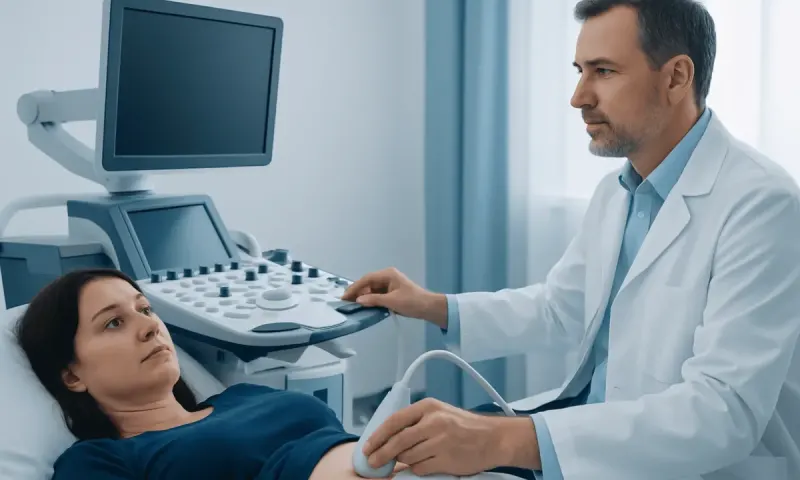
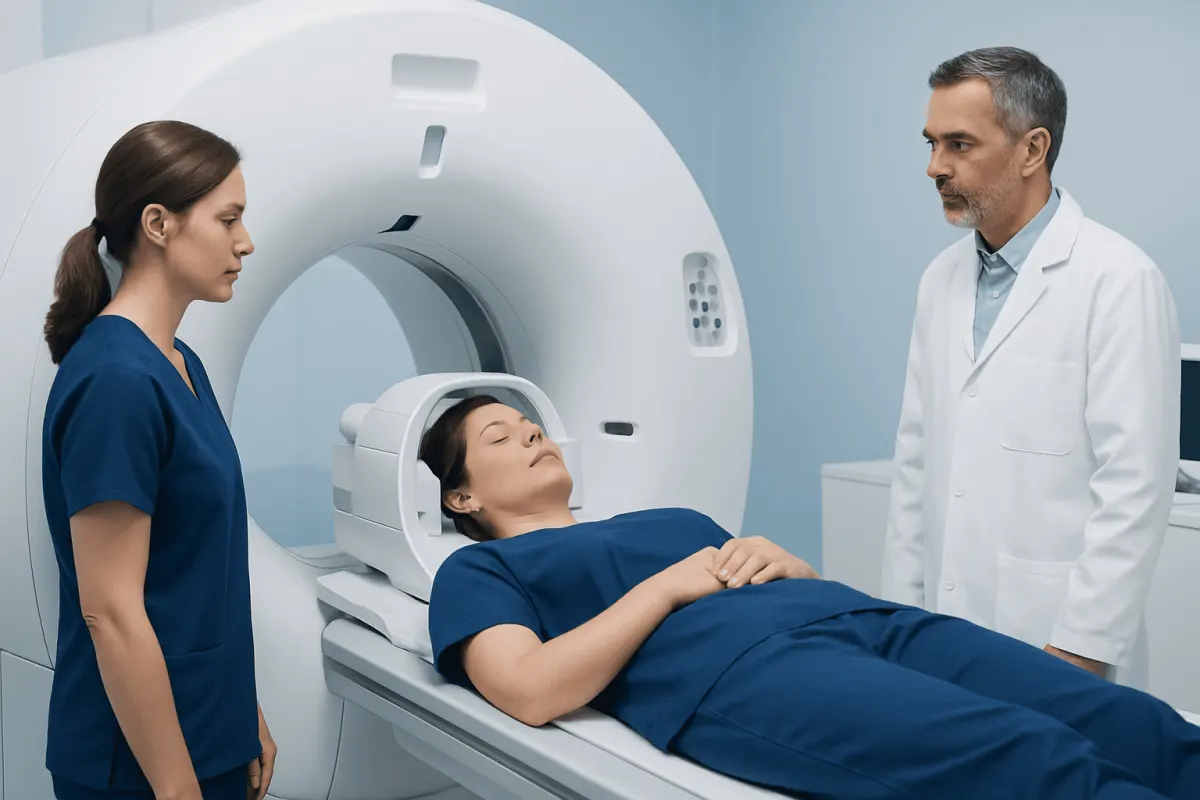
Evaluation usually begins with a neurological examination and brain imaging. Magnetic resonance imaging (MRI), often with contrast material, provides detailed pictures of the brain and helps clinicians assess the tumor’s size, location and relationship to important structures. Computed tomography (CT) may be used urgently or when MRI is not suitable.
Imaging can strongly suggest glioblastoma, but a diagnosis generally requires tissue obtained through biopsy or surgery. A neuropathologist examines the sample under a microscope and performs molecular tests. These tests may include IDH mutation status, MGMT promoter methylation and other markers that help classify the tumor, estimate likely treatment response and identify suitable clinical trials.
Doctors also assess symptoms, physical function, medical history and the safety of removing tumor tissue. These details support shared decision-making. In some situations, surgery may not be safe because of the tumor’s location, and a carefully planned biopsy may provide the needed diagnosis.
Modern GBM Cancer Treatment Approaches
Treatment is typically planned by a multidisciplinary team that may include a neurosurgeon, neuro-oncologist, radiation oncologist, neuroradiologist, neuropathologist, rehabilitation clinicians and supportive-care specialists. The usual first step, when feasible, is maximal safe surgical removal. Surgery can reduce pressure, relieve some symptoms and provide tissue for precise diagnosis, but microscopic tumor cells often remain in surrounding brain tissue.
After recovery from surgery, many people receive radiation therapy alongside the chemotherapy medicine temozolomide, followed by additional cycles of temozolomide. This combined approach is commonly used because it can delay tumor progression for some patients. The likely benefit of chemotherapy is influenced in part by molecular features, including MGMT promoter methylation.
Additional options may include tumor treating fields for selected people, repeat surgery or radiation in carefully chosen situations, targeted treatments when an actionable molecular alteration is present, and clinical trials. Treatment for a recurrence is individualized, based on prior therapy, tumor features, symptoms and personal goals. Brain tumor surgery may be part of care when removing tissue can be done safely.
Supportive treatment is equally important. Corticosteroids may reduce swelling, anti-seizure medicines may be used when seizures occur, and rehabilitation can address changes in mobility, communication or daily activities. Palliative care can be introduced alongside active cancer treatment to help with symptoms, planning and emotional support.
Has Anybody Survived Glioblastoma?
Yes. Some people live longer than expected after a glioblastoma diagnosis, including a small number of long-term survivors. However, glioblastoma remains a serious cancer, and doctors cannot accurately predict one person’s outcome from population averages alone.
Survival is influenced by several factors, including age, overall health, neurological function at diagnosis, tumor location, how much tumor can be safely removed, response to treatment and molecular findings. For example, tumors with an IDH mutation or MGMT promoter methylation may have different treatment responsiveness and outlook than tumors without these features.
It can be helpful to ask the treatment team which factors apply to the individual rather than comparing experiences online. Follow-up scans and clinical assessments provide more meaningful information about how a particular tumor is behaving over time.
Can Glioblastoma Go Into Remission?
After treatment, glioblastoma may shrink substantially or show no visible progression on scans for a period of time. Clinicians often describe this as a response, stable disease or no evidence of progression rather than using the word “remission,” because glioblastoma cells can remain in brain tissue even when imaging looks improved.
Unfortunately, glioblastoma commonly recurs or progresses after initial treatment. This does not mean there are no further options. Depending on the individual situation, a team may discuss additional surgery, focused radiation, drug therapy, tumor treating fields, symptom-directed treatment or a clinical trial.
Regular MRI follow-up is important, but scan changes can be complex. Radiation effects and treatment-related inflammation can sometimes resemble tumor growth, a phenomenon called pseudoprogression. The team interprets imaging alongside symptoms, timing and, when needed, further testing.
How to Slow the Growth of Glioblastoma?
There is no proven self-care method that can stop glioblastoma growth. The most evidence-based way to slow or control the tumor is to follow an individualized treatment plan that may include safe tumor removal, radiation therapy, temozolomide and other appropriate therapies. Attending scheduled MRI scans helps the team recognize changes early and adjust care when necessary.
People can support their health during treatment by taking medicines as prescribed, reporting new symptoms promptly, maintaining hydration and nutrition as tolerated, staying physically active within safe limits, and accepting rehabilitation or mental health support when useful. A dietitian can help if appetite, swallowing, weight or treatment effects make eating difficult. No special diet, supplement or alternative remedy has been proven to cure GBM cancer, and some products can interfere with treatment.
Before using vitamins, herbal products or restrictive diets, patients should discuss them with their oncology team. The team can also provide advice about seizure safety, driving restrictions where relevant, work and family planning, and practical help at home.
What Are the Signs That Someone With Glioblastoma Is Nearing the End of Their Life?
In advanced glioblastoma, changes can occur as the tumor affects brain function and as a person becomes less able to recover from illness or treatment. Common changes may include increasing sleepiness, spending more time in bed, reduced eating and drinking, worsening weakness, confusion, difficulty communicating, swallowing problems or changes in breathing. Seizures or headaches may also become more difficult to control.
These signs do not follow an identical timeline for everyone, and any sudden change should be discussed with the clinical team because some symptoms may be treatable. Comfort-focused care can help manage pain, agitation, nausea, breathlessness, seizures and other distressing symptoms while supporting family members and caregivers.
Hospice or specialist palliative care can provide practical and emotional support at home, in hospital or in another care setting, depending on local services and the person’s preferences. Starting these conversations early allows the person’s wishes, values and care priorities to guide decisions.
When to Seek Medical Care
A person should arrange prompt medical assessment for a new seizure, a persistent or progressively worsening headache, new weakness, speech difficulty, unexplained personality changes, significant memory problems or ongoing balance and vision changes. These symptoms have many possible causes, but timely evaluation is important.
Emergency medical care is needed for a seizure lasting longer than five minutes, repeated seizures without recovery, sudden loss of consciousness, severe new confusion, sudden one-sided weakness, or a severe headache with vomiting or altered alertness. People already diagnosed with glioblastoma should contact their care team for new or rapidly worsening neurological symptoms, fever during treatment, uncontrolled vomiting or medication concerns.
At Acıbadem Health Point, multidisciplinary specialists in JCI-accredited hospitals diagnose and treat glioblastoma for international patients, coordinating neurosurgical, oncology, radiation and supportive care according to individual needs.
Frequently asked questions
01What does GBM stand for in cancer?
GBM stands for glioblastoma, a high-grade malignant tumor that starts in the brain. It is a type of glioma, meaning it develops from cells that support nerve cells in the central nervous system.
02Is GBM cancer curable?
Glioblastoma is difficult to cure because tumor cells can grow into nearby brain tissue and may remain after treatment. Treatment can reduce the tumor, slow progression, manage symptoms and support quality of life, but recurrence is common.
03How quickly does glioblastoma grow?
Glioblastoma is generally considered a fast-growing brain tumor, but the speed of change varies among individuals. MRI scans, symptoms and molecular testing help the care team understand how the tumor is behaving and guide treatment.
04Can a person with glioblastoma have surgery more than once?
In selected cases, repeat surgery may be considered if a recurrent tumor is causing symptoms and can be reached safely. The decision depends on tumor location, prior treatments, overall health, expected benefits and the person’s goals of care.
05Does glioblastoma always cause seizures?
No. Seizures are a common possible symptom, but not everyone with glioblastoma experiences them. A doctor may prescribe anti-seizure medicine after a seizure or in other specific clinical circumstances.
06What support is available for families affected by GBM cancer?
Families may benefit from support from oncology nurses, social workers, rehabilitation teams, mental health professionals and palliative-care specialists. These services can help with symptom management, caregiving needs, communication, advance care planning and emotional wellbeing.
This article is for general information only and is not a substitute for professional medical advice. Please consult a qualified doctor about your individual situation.
Persistent digestive symptoms? Get evaluated in Turkey
JCI-accredited · board-certified surgeons · reply within 24h
Add us as a Preferred Source to see more of our trusted health content across Google Search, AI Overviews and Discover.