Gastric Sleeve Surgery With Pre-Existing Reflux: When the Plan May Change

People who already have acid reflux can still be candidates for bariatric surgery, but the surgical plan may need to be adjusted. Careful evaluation helps the team decide whether a sleeve, a sleeve with hernia repair, or another procedure is the safest long-term choice.
Overview
Sleeve Surgery: BMI Criteria, Health Goals, and Patient Selection" class="ahp-ilk">Gastric sleeve surgery with reflux requires a more individualized plan than sleeve surgery in a person without heartburn or regurgitation. A sleeve gastrectomy reduces the stomach into a narrow tube, which can support weight loss by limiting food intake and changing appetite-related hormones. However, because the procedure changes stomach shape and pressure, it can also affect the natural barrier between the stomach and esophagus.
Acid reflux, also called gastroesophageal reflux disease or GERD when persistent, occurs when stomach contents flow back into the esophagus. Symptoms may include burning behind the breastbone, sour taste, regurgitation, cough, hoarseness, or discomfort after meals. Some people have visible irritation of the esophagus on endoscopy, while others have symptoms with little visible damage.
For many patients, weight loss itself can reduce pressure on the abdomen and improve reflux over time. Even so, the type of bariatric operation matters. This is why a surgeon may pause, request additional tests, repair a hiatal hernia during surgery, or recommend a different procedure when reflux is already present.
Why Reflux Can Change the Surgical Plan
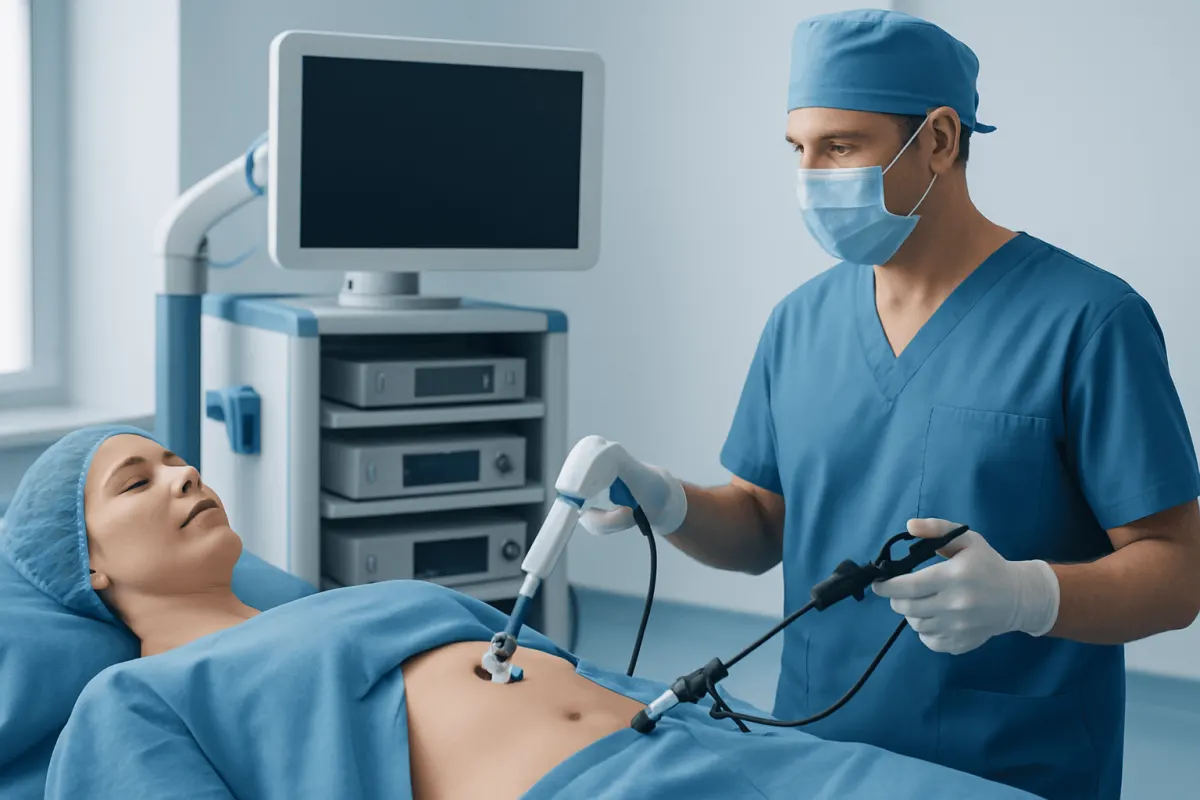
The decision is not simply sleeve versus no sleeve. The team evaluates how severe the reflux is, how often medication is needed, whether the esophagus is inflamed, and whether there is a hiatal hernia. A hiatal hernia occurs when part of the stomach moves upward through the diaphragm, weakening the anti-reflux barrier and making regurgitation more likely.
In a sleeve gastrectomy, most of the stomach’s greater curvature is removed, leaving a long, narrow stomach. This can increase pressure within the stomach and may reduce the stomach’s ability to accommodate meals. In some patients, these changes allow acid or food contents to move upward more easily, especially if the lower esophageal sphincter is weak or a hiatal hernia is present.
When reflux is mild, well controlled, and there is no serious esophageal disease, gastric sleeve surgery may still be considered after a full discussion of benefits and risks. When reflux is moderate to severe, difficult to control, or associated with complications, the team may consider an operation that is more likely to improve reflux, such as gastric bypass.
Symptoms and Warning Patterns to Discuss

Patients often become used to reflux symptoms and may not mention them unless specifically asked. Before bariatric surgery, it is helpful to tell the doctor about heartburn, sour or bitter taste, food coming back up, nighttime coughing, frequent throat clearing, hoarseness, difficulty swallowing, chest discomfort after meals, or a need to sleep propped up. The number of days per week, triggers, and response to antacid or acid-suppressing medication are all useful details.
Some reflux patterns deserve extra attention during preoperative planning. Symptoms that wake a person from sleep, regurgitation that occurs when bending or lying down, long-term use of proton pump inhibitors, or a history of esophagitis can suggest clinically important GERD. Difficulty swallowing, vomiting, unexplained anemia, or unintentional weight loss should be assessed promptly because they may point to other digestive problems that need diagnosis before surgery.
It is also possible to have silent reflux or esophageal changes without typical heartburn. For this reason, many bariatric programs include upper gastrointestinal evaluation before surgery, especially in patients with symptoms, older age, anemia, previous ulcer disease, or planned sleeve gastrectomy. The goal is not to create barriers to treatment, but to choose the procedure that best fits the person’s anatomy and long-term health.
Preoperative Testing and Diagnosis
A careful history and physical examination are the starting points. The bariatric team reviews the patient’s weight history, previous treatments for obesity, current medications, smoking status, diabetes, sleep apnea, and digestive symptoms. Reflux severity is assessed alongside nutritional, psychological, anesthetic, and surgical factors.
Upper endoscopy is commonly used to examine the esophagus, stomach, and the first part of the small intestine. It can identify esophagitis, ulcers, gastritis, Barrett’s esophagus, narrowing, or a hiatal hernia. If Barrett’s esophagus is found, the surgeon and gastroenterologist usually discuss whether sleeve surgery is appropriate and how surveillance should continue after weight loss treatment.
Additional tests may be recommended in selected patients. These can include pH monitoring to measure acid exposure, esophageal manometry to check swallowing muscle function, or contrast imaging to assess anatomy and a hiatal hernia. Not every person needs every test, but unclear symptoms or significant reflux often justify more detailed evaluation before a permanent surgical decision is made.
Treatment Options When Reflux Is Present
If reflux is mild and there are no concerning findings, the plan may remain a sleeve gastrectomy with careful technique and follow-up. If a small hiatal hernia is found, the surgeon may repair it at the time of bariatric surgery. This can help restore anatomy, although it does not guarantee that reflux will disappear or that it will not return later.
When reflux is significant, the plan may change to a procedure that diverts acid and bile away from the esophagus. Roux-en-Y gastric bypass is often considered for patients with troublesome GERD because it creates a small stomach pouch and reroutes food into the small intestine. This approach can support weight loss while also reducing acid exposure in many patients, although it has its own nutritional and surgical considerations.
Other options may be discussed depending on body mass index, metabolic health, previous operations, and local expertise. Some people may begin with non-surgical weight management or temporary therapies, while others may benefit from bariatric surgery after a broader multidisciplinary assessment. The most suitable approach balances reflux control, expected weight loss, diabetes or metabolic goals, nutritional safety, and the patient’s preferences.
Lifestyle and Medication Before Surgery
Before surgery, reflux control can often be improved with practical measures. Patients may be advised to avoid large evening meals, eat more slowly, stop eating several hours before lying down, elevate the head of the bed, and reduce personal triggers such as fatty meals, chocolate, peppermint, coffee, spicy foods, or carbonated drinks. Weight loss before surgery, even a modest amount, may reduce abdominal pressure and improve symptoms.
Medication may also be used when appropriate. Proton pump inhibitors, H2 blockers, and antacids can reduce symptoms, but they should be taken under medical guidance, especially when used regularly. Ongoing symptoms despite medication should not be ignored because they may influence the choice of bariatric procedure.
Smoking cessation is particularly important because smoking can worsen reflux, delay healing, and increase surgical risks. Alcohol can also irritate the stomach and esophagus and may contribute to reflux in some people. A preoperative dietitian can help patients identify realistic changes without creating unnecessary food fear or overly restrictive habits.
Recovery and Long-Term Follow-Up
After sleeve surgery or another bariatric procedure, reflux symptoms may change over weeks to months. Some patients notice improvement as they lose weight and eat smaller portions. Others may develop new or persistent heartburn, especially if meals are too large, eating is rushed, or the sleeve anatomy promotes high pressure.
Follow-up visits help the team monitor reflux, hydration, food tolerance, vitamin and mineral status, and weight-loss progress. Patients should report ongoing heartburn, regurgitation, vomiting, difficulty swallowing, or reliance on acid-suppressing medicine. The clinician may adjust eating guidance, prescribe medication, or recommend endoscopy if symptoms persist.
If reflux remains severe after sleeve surgery despite treatment, further evaluation is needed. In some cases, revision surgery, commonly conversion to gastric bypass, may be considered. This decision is made carefully, after confirming the cause of symptoms and reviewing risks, benefits, and alternatives.
When to See a Doctor
Anyone considering bariatric surgery should discuss reflux symptoms early, even if they seem minor or controlled with over-the-counter medication. A doctor should also be consulted for symptoms that are frequent, worsening, disturbing sleep, associated with swallowing difficulty, or continuing despite treatment. Prompt assessment helps avoid delays and supports a safer surgical plan.
Medical care is also important after surgery if there is persistent vomiting, inability to keep fluids down, severe chest or upper abdominal pain, black stools, difficulty swallowing, or signs of dehydration. These symptoms do not always mean a serious problem, but they should be assessed quickly by a qualified clinician.
At Acıbadem Health Point, multidisciplinary specialists in JCI-accredited hospitals evaluate and treat reflux and obesity-related conditions for international patients, including those considering sleeve gastrectomy or alternative bariatric procedures. The key message is reassuring: pre-existing reflux does not end the possibility of weight-loss surgery, but it makes careful planning essential.
Frequently asked questions
01Can someone with acid reflux still have gastric sleeve surgery?
Yes, some people with mild or well-controlled reflux may still be candidates for gastric sleeve surgery. The decision depends on symptom severity, endoscopy findings, the presence of a hiatal hernia, and the overall bariatric goals. A surgeon should explain the chance that reflux may improve, persist, or worsen.
02Why can gastric sleeve surgery make reflux worse?
A sleeve gastrectomy changes the stomach into a narrow tube, which can increase pressure inside the stomach. If the valve between the stomach and esophagus is weak, or if a hiatal hernia is present, stomach contents may move upward more easily. Surgical technique and anatomy both influence the risk.
03Is gastric bypass better than sleeve for GERD?
For many patients with significant GERD, gastric bypass is often favored because it can reduce acid exposure to the esophagus. However, it is not automatically the best choice for everyone. The final recommendation should consider reflux severity, body mass index, diabetes or metabolic health, nutritional factors, and personal preferences.
04Does repairing a hiatal hernia solve reflux during sleeve surgery?
Hiatal hernia repair can improve anatomy and may reduce reflux symptoms, especially when the hernia contributes to regurgitation. However, it does not guarantee complete or permanent reflux control. Follow-up remains important because symptoms can change as the body adapts after surgery.
05What tests are usually done before bariatric surgery if reflux is present?
Upper endoscopy is commonly used to look for esophagitis, Barrett's esophagus, ulcers, or hiatal hernia. Some patients may also need pH monitoring, manometry, or contrast imaging. The choice of tests depends on symptoms, medical history, and the planned operation.
06Can reflux improve after weight loss?
Yes, weight loss can reduce abdominal pressure and may improve reflux in many people. Still, the type of bariatric surgery matters because some procedures are more reflux-friendly than others. Patients should keep follow-up appointments even if symptoms improve.
07When should reflux after sleeve surgery be checked?
Reflux should be checked if it is frequent, worsening, waking the person at night, causing regurgitation, or requiring regular medication. Difficulty swallowing, repeated vomiting, or inability to tolerate fluids should be assessed promptly. The doctor may recommend medication changes, dietary adjustments, endoscopy, or further testing.
This article is for general information only and is not a substitute for professional medical advice. Please consult a qualified doctor about your individual situation.
Medical weight-loss options in Turkey — costs & eligibility
JCI-accredited · board-certified surgeons · reply within 24h
Add us as a Preferred Source to see more of our trusted health content across Google Search, AI Overviews and Discover.