Weight Loss Surgery and Reflux: Choosing Gastric Sleeve or Another Option

Reflux symptoms and bariatric surgery choices are closely connected, especially when comparing gastric sleeve and gastric bypass. A careful preoperative evaluation helps doctors recommend the safest and most effective option for long-term weight and digestive health.
Overview
Weight loss surgery and reflux are important to consider together because the stomach, esophagus, and the pressure inside the abdomen all change after bariatric procedures. Gastroesophageal reflux disease, often called GERD, occurs when stomach contents move back into the esophagus and cause symptoms such as heartburn, regurgitation, sour taste, cough, or chest discomfort. Many people living with obesity also have reflux, and weight loss may improve symptoms by reducing pressure on the stomach.
However, not all bariatric operations affect reflux in the same way. A gastric sleeve can be very effective for weight loss, but it may worsen existing reflux or cause new reflux in some patients. Gastric bypass, on the other hand, often improves reflux because it changes the pathway of food and acid. This is why the best operation is not chosen by weight alone; it is chosen after reviewing digestive symptoms, anatomy, medical history, and long-term health goals.
The decision between Sleeve Surgery: BMI Criteria, Health Goals, and Patient Selection" class="ahp-ilk">gastric sleeve surgery and another bariatric option should be individualized. A patient who has mild, occasional heartburn may be evaluated differently from someone with daily reflux, a hiatal hernia, esophagitis, or Barrett’s esophagus. The goal is to support safe weight loss while also protecting the esophagus and quality of life.
How Bariatric Surgery Can Affect Reflux
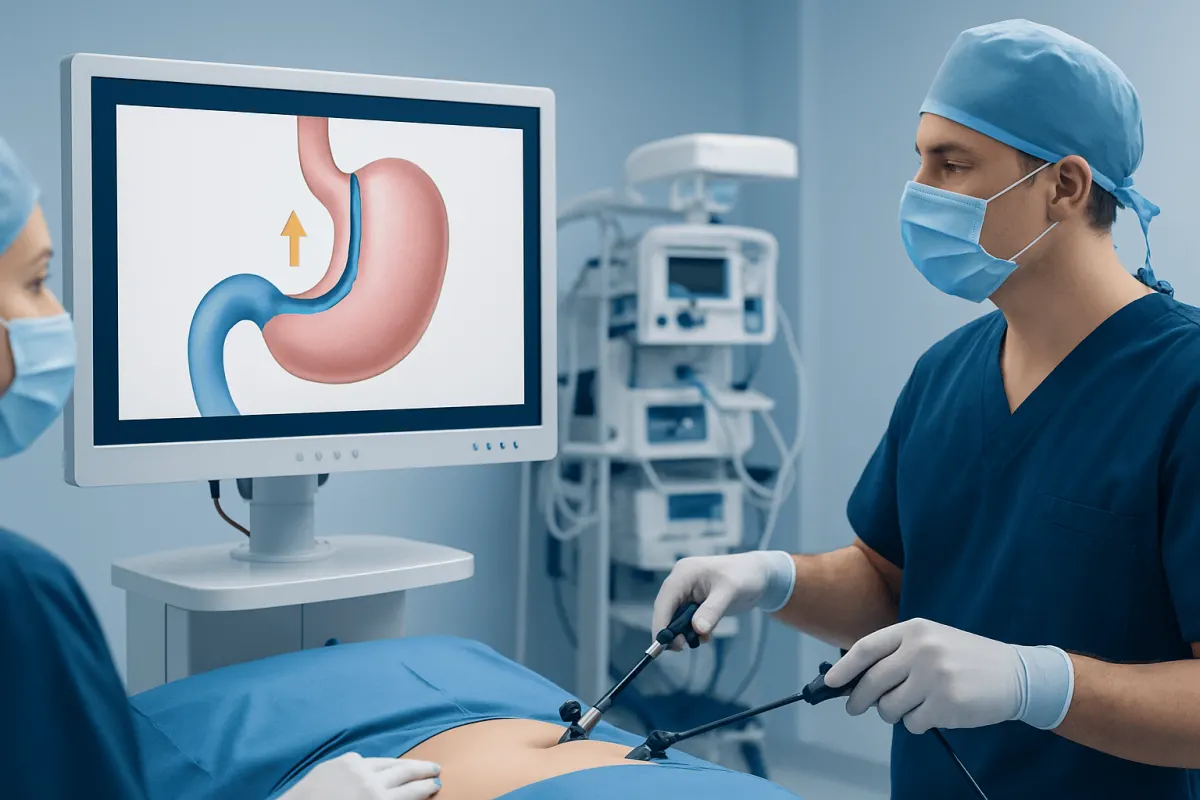
Reflux develops when the barrier between the stomach and esophagus does not work properly. This barrier includes the lower esophageal sphincter, the angle where the esophagus meets the stomach, and the diaphragm opening known as the hiatus. When this system is weakened, stomach acid and other contents can flow upward, especially after meals or when lying down.
Bariatric surgery changes stomach size, shape, and pressure. Weight loss itself can reduce reflux by lowering abdominal pressure, improving metabolic health, and decreasing fatty tissue around the abdomen. Yet the anatomy created by each procedure also matters. Some operations reduce acid exposure, while others may create a narrow, high-pressure stomach tube that can push contents upward.
After surgery, reflux may appear as classic heartburn, but it can also present in less obvious ways. Some patients notice regurgitation, nausea, trouble swallowing, a chronic sore throat, hoarseness, asthma-like symptoms, or dental irritation. Because symptoms do not always match the degree of esophageal irritation, doctors may recommend testing even when symptoms seem manageable.
Reflux after bariatric surgery should not be ignored, but it is usually treatable. Management may include meal adjustments, acid-suppressing medication, evaluation for a hiatal hernia, endoscopic follow-up, or in selected cases, revisional surgery. Early communication with the bariatric team helps prevent long-term irritation of the esophagus.
Gastric Sleeve and Reflux: Benefits and Concerns
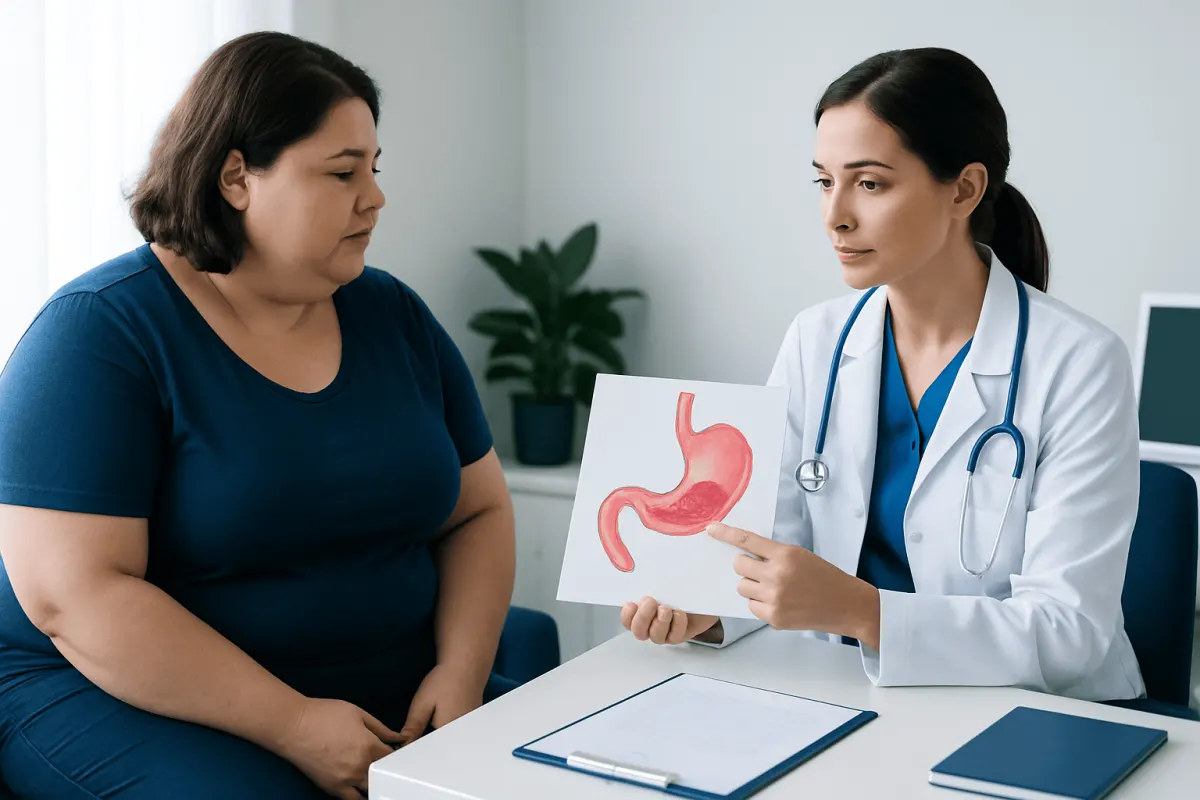
Gastric sleeve surgery, also called sleeve gastrectomy, removes a large portion of the stomach and leaves a narrow, sleeve-shaped stomach. It is widely used because it can support substantial weight loss, does not reroute the intestines, and has a relatively straightforward digestive pathway compared with some other operations. Many patients also value that it can improve weight-related conditions such as type 2 diabetes, high blood pressure, and sleep apnea.
The reflux concern comes from the new stomach shape. A sleeve can increase pressure inside the stomach, reduce the stomach’s ability to stretch, and alter the natural angle between the esophagus and stomach. If a hiatal hernia is present or the sleeve is narrow or twisted, reflux risk may be higher. For some patients, reflux improves as weight decreases; for others, symptoms persist or become more noticeable.
Doctors are especially cautious about sleeve surgery in patients with severe GERD, erosive esophagitis, Barrett’s esophagus, or large hiatal hernia. These findings do not automatically rule out a sleeve in every case, but they require careful discussion. Sometimes a hiatal hernia can be repaired at the same time as the sleeve, but this does not guarantee that reflux will resolve.
Patients considering sleeve surgery should describe all reflux symptoms, even if they use over-the-counter medication and feel it is under control. The surgeon may ask about nighttime symptoms, regurgitation, difficulty swallowing, long-term acid medication use, prior endoscopy results, and family history of esophageal disease. This information helps the team estimate risk and compare sleeve surgery with other options.
Gastric Bypass and Other Bariatric Options
Gastric bypass is often the bariatric procedure most associated with reflux improvement. In a typical Roux-en-Y gastric bypass, a small stomach pouch is created and connected to a section of the small intestine. Because the pouch produces less acid and bile is diverted away from the esophagus, many patients with GERD experience significant symptom relief after gastric bypass.
For patients who have both obesity and difficult reflux, gastric bypass may be favored over sleeve surgery, particularly when there is esophagitis, Barrett’s esophagus, or reflux that requires daily medication. It may also be considered as a revision option when severe reflux develops after a sleeve and does not respond to lifestyle measures and medical treatment. As with any surgery, benefits must be balanced with nutritional follow-up requirements and individual surgical risk.
Other options may be considered depending on body mass index, health conditions, prior procedures, and patient preference. Adjustable gastric banding is used less often in many centers because it can be associated with swallowing problems, band complications, or reflux in some patients. Non-surgical or endoscopic options may help selected individuals lose weight, but they may not address significant GERD in the same way as bypass.
A broader bariatric surgery consultation allows the team to compare expected weight loss, reflux effects, nutritional needs, reversibility, medication use, and long-term monitoring. No single operation is best for everyone. The most appropriate choice is the one that fits the patient’s anatomy, reflux status, medical risks, and ability to participate in lifelong follow-up.
Diagnosis and Preoperative Evaluation
Before selecting a bariatric procedure, the medical team usually reviews the patient’s reflux history in detail. Important questions include how often heartburn occurs, whether food or fluid comes back up, whether symptoms wake the patient at night, and whether swallowing feels difficult or painful. Doctors also ask about current medications, smoking, alcohol intake, pregnancy plans, previous abdominal surgery, and other digestive disorders.
Upper endoscopy is commonly used to examine the esophagus, stomach, and the first part of the small intestine. It can identify esophagitis, ulcers, hiatal hernia, gastritis, and Barrett’s esophagus. Biopsies may be taken when needed. Endoscopy is especially helpful because some patients have esophageal inflammation even when their symptoms are mild.
Additional tests may be recommended for complex cases. These can include an upper gastrointestinal contrast study to show anatomy, pH monitoring to measure acid exposure, and esophageal manometry to assess swallowing function and esophageal muscle movement. These tests are not needed for every patient, but they can be valuable when symptoms are unclear or when the choice between sleeve and bypass is difficult.
Preoperative assessment also includes general bariatric preparation. Patients may meet with a surgeon, gastroenterologist, dietitian, anesthesiologist, psychologist or psychiatrist, and other specialists depending on their health. This multidisciplinary review helps identify nutritional deficiencies, medication issues, sleep apnea, diabetes control, heart risk, and expectations for recovery.
Treatment Planning and Follow-Up After Surgery
Treatment planning begins with shared decision-making. The surgeon explains how each operation is performed, how it may affect reflux, what recovery may involve, and what long-term follow-up is required. Patients should feel comfortable asking why one procedure is recommended over another and how reflux will be monitored after surgery.
If sleeve surgery is chosen, reflux prevention and surveillance are important. The surgeon may evaluate and repair a hiatal hernia during the operation if appropriate. After surgery, patients are advised to eat slowly, avoid overeating, follow the diet progression carefully, and report persistent reflux symptoms. Acid-suppressing medication may be used for a period of time, but ongoing or worsening symptoms should be reassessed rather than simply tolerated.
If gastric bypass is chosen, reflux may improve, but follow-up remains essential. Patients need lifelong attention to protein intake, hydration, vitamins, minerals, and routine blood tests. They should also learn which medications may irritate the stomach pouch and when to seek advice for abdominal pain, vomiting, anemia, or swallowing problems.
Many procedures are performed using minimally invasive techniques, including gastric laparoscopic surgery, when suitable. Near the end of planning, international patients may benefit from coordinated care in one setting; Acıbadem Health Point’s multidisciplinary specialists and JCI-accredited hospitals diagnose and treat obesity and reflux-related concerns with individualized evaluation and follow-up guidance.
Prevention, Self-Care, and When to See a Doctor
Lifestyle habits can reduce reflux before and after bariatric surgery. Patients are often advised to eat smaller meals, avoid lying down soon after eating, elevate the head of the bed for nighttime symptoms, and identify personal trigger foods. Common triggers include high-fat meals, spicy foods, chocolate, peppermint, coffee, carbonated drinks, and alcohol, although triggers vary from person to person.
After bariatric surgery, eating technique becomes especially important. Patients should take small bites, chew thoroughly, stop when comfortably satisfied, and avoid drinking large amounts with meals if instructed by their team. Rapid eating or overeating can increase pressure and discomfort. Smoking should be avoided because it can worsen reflux, delay healing, and increase ulcer risk after some bariatric procedures.
Medical review is recommended if reflux occurs more than occasionally, requires frequent medication, wakes the patient from sleep, or is accompanied by regurgitation, vomiting, chest discomfort, anemia, black stools, unexplained weight loss, or difficulty swallowing. Anyone with severe chest pain, shortness of breath, or symptoms that could suggest a heart problem should seek urgent medical care, as chest symptoms are not always caused by reflux.
Patients who already had bariatric surgery should contact their bariatric team if reflux is new, persistent, or worsening. Timely evaluation can identify treatable issues such as hiatal hernia, narrowing, sleeve shape problems, ulcers, or esophageal inflammation. With appropriate follow-up, most patients can find a safe path that supports both weight management and digestive comfort.
Frequently asked questions
01Can gastric sleeve surgery cause reflux?
Yes, gastric sleeve surgery can cause new reflux or worsen existing reflux in some patients. This may happen because the sleeve-shaped stomach can create higher pressure and change the natural anti-reflux barrier. Other patients may improve as they lose weight, so individual evaluation is important.
02Is gastric bypass better than sleeve surgery for GERD?
For patients with significant GERD, gastric bypass is often preferred because it commonly reduces acid exposure to the esophagus. It may be especially suitable when there is esophagitis, Barrett's esophagus, or reflux that requires daily medication. The final decision depends on anatomy, medical history, and surgical risk.
03Does a hiatal hernia affect the choice of weight loss surgery?
A hiatal hernia can increase the risk of reflux and may influence procedure choice. Small hernias may be repaired during bariatric surgery, but the presence of a larger hernia or severe reflux may make gastric bypass a more appropriate option for some patients. A surgeon will assess this using symptoms and tests such as endoscopy or imaging.
04What tests are needed before choosing bariatric surgery if a patient has reflux?
Many patients have an upper endoscopy to check for esophagitis, hiatal hernia, ulcers, or Barrett's esophagus. Some patients may also need pH monitoring, manometry, or an upper gastrointestinal contrast study. The tests are selected based on symptoms, previous findings, and the planned procedure.
05Can reflux after gastric sleeve be treated without another operation?
Often, reflux after sleeve surgery can be managed with eating changes, weight-loss follow-up, avoiding triggers, and acid-suppressing medication prescribed by a doctor. If symptoms persist, testing may be needed to look for a hiatal hernia, narrowing, or sleeve anatomy problem. Revisional surgery is considered only when conservative treatment is not enough or complications are present.
06Should reflux medication be stopped after bariatric surgery?
Patients should not stop prescribed reflux medication without medical advice. Some people need medication only temporarily after surgery, while others require longer treatment or further evaluation. The bariatric or gastroenterology team can decide when it is safe to reduce or stop treatment.
07Which bariatric surgery is safest for someone with Barrett's esophagus?
Barrett's esophagus requires careful evaluation because long-term acid exposure can affect the lining of the esophagus. Gastric bypass is often considered more favorable than sleeve surgery in this situation, but the decision should be made by a bariatric surgeon and gastroenterologist together. Ongoing endoscopic surveillance may still be needed after surgery.
This article is for general information only and is not a substitute for professional medical advice. Please consult a qualified doctor about your individual situation.
Medical weight-loss options in Turkey — costs & eligibility
JCI-accredited · board-certified surgeons · reply within 24h
Add us as a Preferred Source to see more of our trusted health content across Google Search, AI Overviews and Discover.