Gastric band Before & After: What Realistic Results Look Like
You have probably seen the side-by-side photos and wondered how long that took. The honest answer: with a gastric band, change happens slowly, not overnight.
The band helps you feel full on smaller portions. What happens after that depends on your food choices, how active you are, the follow-up adjustments you attend and the medical support around you.
It is a reversible procedure. But it has real limitations, and over time some people need the band removed or converted to another bariatric procedure.
Overview: What Gastric Band Before and After Results Look Like
Gastric band before and after results typically show a gradual change in eating patterns, body weight and daily habits rather than a rapid transformation. An adjustable gastric band is placed around the upper part of the stomach, creating a small pouch that helps a person feel satisfied after a smaller meal. The procedure is designed to support long-term weight management alongside structured nutrition, physical activity and medical follow-up.
Before surgery, assessment focuses on overall health, eating behaviours, previous weight-management efforts and readiness for long-term care. After surgery, the most visible changes often develop over many months. Some people also notice better mobility, sleep, energy or confidence as weight decreases, although each person’s experience is different and emotional adjustment can take time.
Treat “before and after” images and personal stories with a healthy dose of caution. They cannot predict an individual outcome, and they may not show the follow-up, dietary changes, complications or additional procedures involved. Gastric band surgery is best understood as one option within a broader, personalised bariatric care plan.
How an Adjustable Gastric Band Works
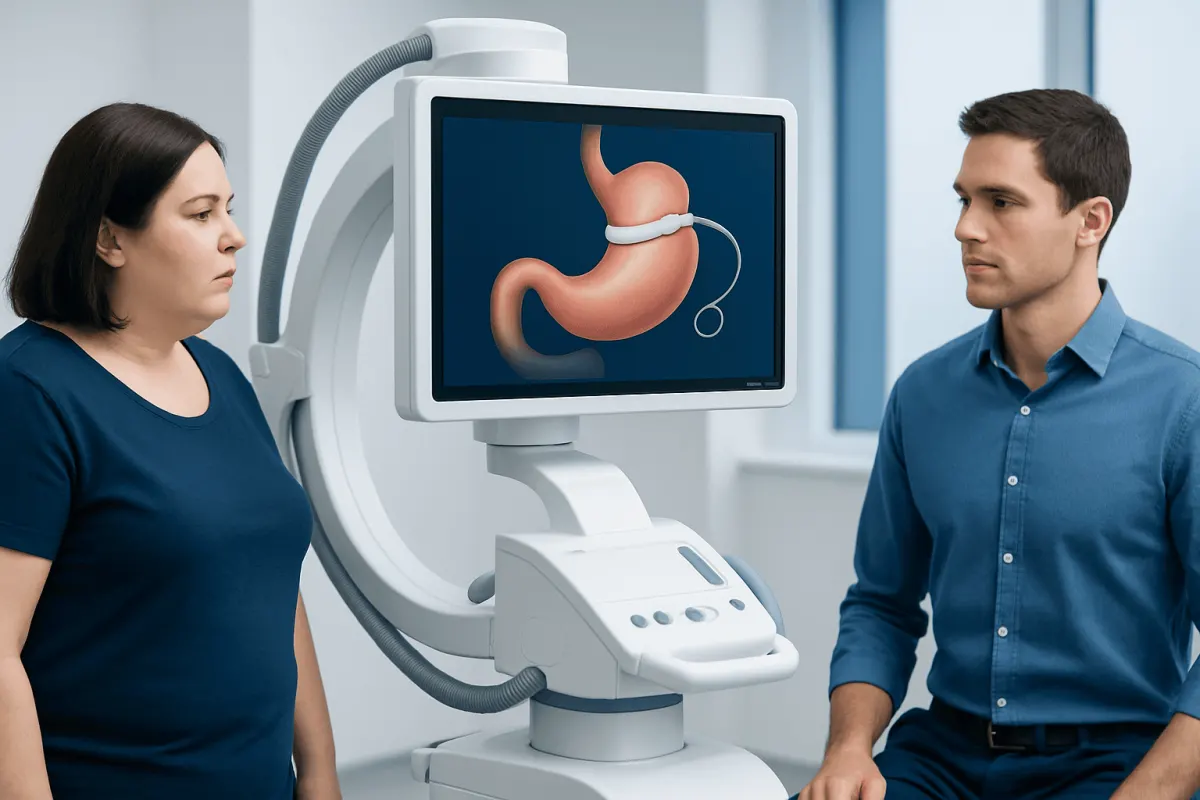
The gastric band is a soft silicone ring placed around the upper stomach. It creates a small upper pouch and a narrow passage to the remaining stomach. This slows the movement of food and can help a person feel full sooner and remain satisfied for longer after a meal.
A small access port is placed beneath the skin, usually in the abdominal area. Through this port, a clinician can add or remove sterile fluid from the band. Adding fluid tightens the opening; removing fluid loosens it. These adjustments are made gradually and are based on weight change, hunger, portion tolerance and symptoms such as reflux, regurgitation or difficulty swallowing.
Nothing is cut away and the intestines stay where they are, so the band can potentially be taken out again. That said, removal on its own does not keep weight off, and some people need another bariatric procedure if the band is ineffective, poorly tolerated or causes complications.
Who May Be a Candidate

Gastric banding may be considered for adults living with obesity when non-surgical weight-management approaches have not provided sufficient or lasting benefit. Eligibility depends on body mass index, weight-related health conditions, surgical risk, medical history and local clinical criteria. A bariatric team evaluates the whole person rather than relying on weight alone.
Suitable candidates need to be willing and able to attend regular appointments, follow a staged eating plan after surgery and make long-term changes to meal size, food texture and eating pace. The band only works if you work with it. It cannot make up for frequent high-calorie liquids, grazing, alcohol excess or foods that slip straight through the restriction.
Gastric banding may be less suitable for people with certain oesophageal or stomach disorders, severe untreated reflux, conditions that make surgery unsafe, or circumstances that would make ongoing follow-up difficult. A multidisciplinary assessment may include a bariatric surgeon, physician, dietitian, psychologist or mental health professional, and other specialists when needed.
- Medical assessment reviews conditions such as diabetes, high blood pressure and sleep apnoea.
- Nutritional assessment identifies eating patterns and prepares the person for post-operative meals.
- Psychological support can help address emotional eating, expectations and adjustment to lifestyle change.
The Procedure: What Happens Step by Step
Gastric band placement is commonly performed using minimally invasive, or laparoscopic, surgery under general anaesthesia. Small incisions are made in the abdomen, and the surgeon uses a camera and specialised instruments to position the band around the upper stomach. The access port is secured under the skin and connected to the band by thin tubing.
The operation is generally shorter and changes less of your anatomy than procedures that remove part of the stomach or alter the intestines. It is still a major medical decision, and it carries anaesthetic and surgical risks. The surgical team discusses preparation, medication changes, fasting instructions and expected hospital stay in advance.
Immediately after placement, the band may not be significantly tightened. Initial healing is allowed before adjustments begin. Follow-up appointments then guide the amount of restriction needed; the aim is comfortable, slow eating and appropriate Acid Reflux Weight Loss: A Complete Medical Overview" class="ahp-ilk">weight loss, not an inability to eat or drink normally.
Recovery Timeline and Everyday Changes
Recovery varies with a person’s health, the surgical approach and the nature of their work. Many people begin gentle walking soon after surgery and return to light daily activities within a relatively short period, while strenuous activity and heavy lifting may need to wait until the surgical team confirms healing. Incision discomfort, tiredness and temporary bloating are common early experiences.
Food is reintroduced in stages. The plan often begins with liquids, progresses to puréed or soft foods, and later moves toward regular textured meals in small portions. The exact schedule differs between surgical centres. Eating slowly, chewing thoroughly, avoiding drinking with meals when advised, and stopping at the first sign of fullness are important for comfort and safety.
The first months after surgery involve frequent review. Weight loss may be uneven, and band fills are not scheduled simply by time; they are tailored to symptoms and progress. So a realistic timeline is less about a fixed number each week and more about learning new routines, keeping your appointments and speaking up early when eating becomes difficult.
Benefits, Limitations and Possible Risks
A potential benefit of gastric banding is that it is adjustable and does not involve removing stomach tissue or bypassing the intestine. For some people, gradual weight loss can support improvement in weight-related concerns such as mobility limitations, obstructive sleep apnoea, blood pressure or blood sugar management. Improvement depends on many factors and should be monitored by the person’s healthcare team.
Results are variable. Weight loss after a gastric band may be slower and less predictable than with some other bariatric operations, and success depends strongly on regular follow-up and sustained lifestyle changes. Some people do not achieve the level of weight loss they hoped for, regain weight, or find the dietary restrictions difficult to maintain.
Possible complications include nausea, vomiting, reflux, food intolerance, difficulty swallowing, pouch enlargement, band slippage, port or tubing problems, and erosion of the band into the stomach. Nutritional deficiencies can also occur if food intake becomes too limited or unbalanced. These concerns may be managed with adjustment, dietary changes, medication or further surgery, including band removal in some cases.
For people considering different operations, a bariatric specialist can explain how gastric banding compares with alternatives such as sleeve gastrectomy or gastric bypass surgery. The most appropriate choice depends on health needs, preferences, eating patterns and the balance of potential benefits and risks.
Realistic Expectations and Long-Term Support
Realistic gastric band before and after expectations focus on health and function as well as the number on the scale. A person may need to replace large meals with smaller, protein-rich meals, plan fluids carefully, take recommended supplements and develop regular activity that is safe and enjoyable. Progress can include improved stamina or greater comfort with daily movement before major visible changes occur.
For example, one person may gradually lose weight while attending planned band adjustments and learning to prepare satisfying smaller meals. Another may initially lose weight but later experience reflux or regain weight because eating patterns, band fit or other health factors need reassessment. Neither experience is unusual, and both underline why regular follow-up matters.
Long-term success is supported by routine medical monitoring, dietetic guidance and emotional support when needed. Sleep, stress, medications, hormones, mobility and mental health all affect weight, so bring a setback to your team without embarrassment — no blame attached. Acıbadem Health Point’s multidisciplinary specialists and JCI-accredited hospitals provide assessment and treatment planning for international patients considering bariatric care.
When to Seek Medical Care
Anyone considering a gastric band should seek assessment from a qualified bariatric team rather than relying on online photographs, social media stories or a single weight-loss target. A clinician can review whether surgery is appropriate, explain alternatives and help set individual goals that prioritise long-term health.
After surgery, prompt medical advice is important for persistent vomiting, inability to keep liquids down, worsening swallowing difficulty, severe or ongoing upper abdominal or chest pain, fever, a fast heartbeat, black stools, or signs of dehydration. These symptoms do not always indicate a serious problem, but they require timely clinical assessment.
Regular follow-up should continue even when weight loss is going well. Band adjustments, nutrition screening and review of reflux or food tolerance can help prevent complications and support safer long-term results.
Frequently asked questions
01How much weight can someone expect to lose with a gastric band?
Weight loss varies widely and usually happens gradually. It depends on band adjustments, eating habits, physical activity, medical conditions and consistent follow-up. A bariatric team can discuss realistic goals based on the individual’s starting health and treatment plan.
02Are gastric band before and after photos reliable?
Photos may show visible changes, but they do not show the full medical picture. They may not reflect the time involved, lifestyle changes, complications, revision procedures or health factors that influenced the outcome. Personal assessment is more useful than comparing with another person’s result.
03Can a gastric band be removed?
Yes, a gastric band can usually be removed surgically. Removal may be recommended for complications, intolerance, inadequate weight loss or personal preference. After removal, a person may regain weight unless a long-term weight-management plan, and sometimes another procedure, is considered.
04When are gastric band adjustments performed?
Adjustments are performed after the initial healing period and then as needed. The care team considers hunger, portion size, weight trend and symptoms such as reflux, vomiting or difficulty swallowing. A band that is too tight can cause problems, so adjustments should only be made by an experienced clinical team.
05What foods are difficult to eat after gastric band surgery?
Dry, tough, fibrous or poorly chewed foods can be difficult for some people, especially early after surgery or when the band is tight. Eating slowly, taking small bites and chewing thoroughly can improve tolerance. The dietitian and surgical team provide individual guidance as foods are reintroduced.
06Is gastric banding safer than other weight-loss surgeries?
Gastric banding avoids stomach removal and intestinal bypass, but it still has surgical risks and specific device-related complications. Other bariatric procedures have different benefits and risks, including differing effects on weight loss and metabolic health. Safety and suitability should be discussed individually with a bariatric specialist.
This article is for general information only and is not a substitute for professional medical advice. Please consult a qualified doctor about your individual situation.
Medical weight-loss options in Turkey — costs & eligibility
JCI-accredited · board-certified surgeons · reply within 24h
Add us as a Preferred Source to see more of our trusted health content across Google Search, AI Overviews and Discover.