Frequently Asked Questions About Second Opinions: When Are They Worth It?

Second opinions can help patients feel more confident about a diagnosis, treatment plan, or major medical decision. In many situations, they offer clarity, reassurance, or useful alternatives without replacing the relationship with the first doctor.
Overview: What a Second Opinion Means
A medical second opinion means asking another qualified doctor to review a diagnosis, test results, or treatment plan. The goal is not to challenge one doctor personally, but to better understand the situation and make a well-informed choice. In many cases, second opinions confirm the original recommendation. In others, they may offer different options, raise important questions, or help clarify uncertainty.
Second opinions are common in modern healthcare, especially when decisions are complex. They can be helpful before surgery, after a new diagnosis, when symptoms continue despite treatment, or when there are several possible approaches. Patients often seek them for peace of mind as much as for medical reasons.
In general, doctors understand why patients want another professional view. Medicine is not always one-size-fits-all, and more than one reasonable treatment approach may exist. A respectful second opinion can support shared decision-making and help patients feel more prepared for the next steps.
When Are Second Opinions Worth It?
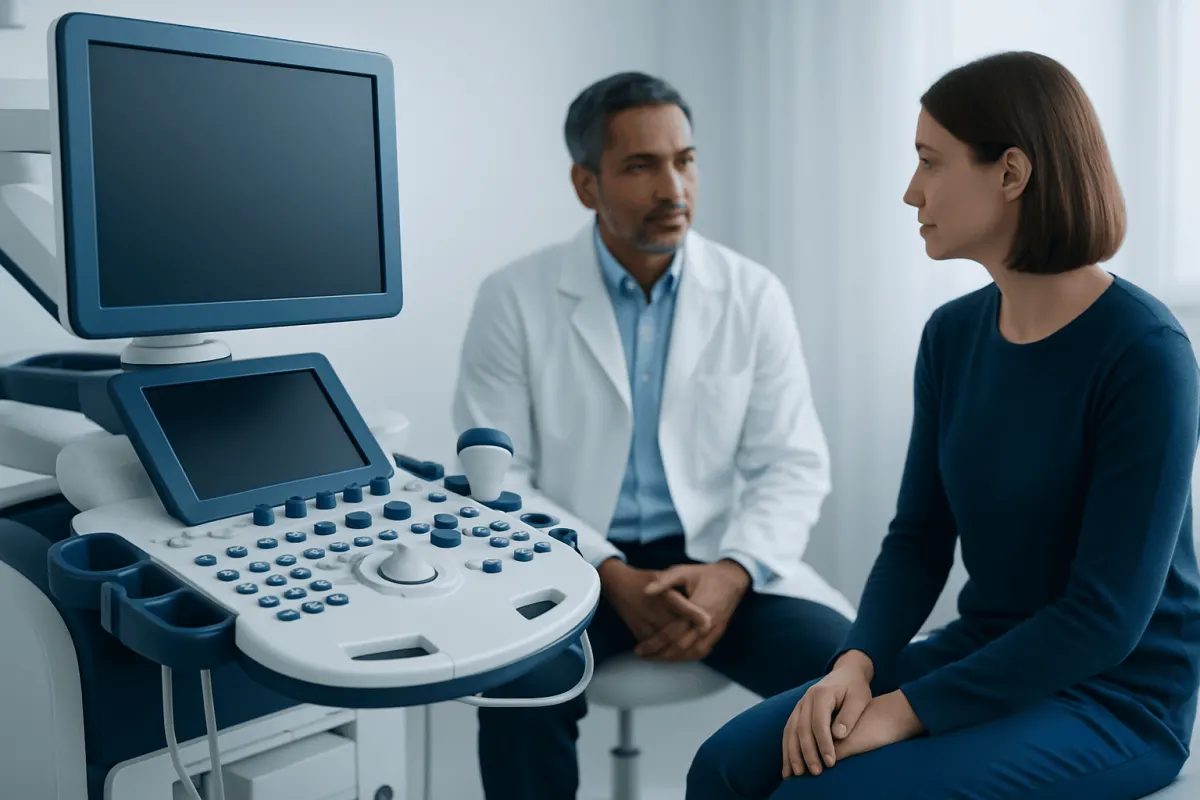
Second opinions are often worth it when the diagnosis is serious, the treatment carries meaningful risks, or the best option is not obvious. This may include recommendations for surgery, chemotherapy, long-term medication use, invasive testing, or treatment that could affect quality of life in lasting ways. They can also be valuable when a rare condition is suspected or when symptoms do not fully match the diagnosis.
Patients may especially benefit from another review if they feel confused after an appointment, have not improved with treatment, or receive different explanations from different doctors. A second opinion may also help when there are several valid treatment choices and the decision depends on the person’s goals, lifestyle, age, or other medical conditions.
Situations in which second opinions are commonly useful include:
- A new diagnosis with major physical or emotional impact
- A recommendation for non-urgent surgery or another invasive procedure
- Ongoing symptoms without a clear cause
- Rare, complex, or difficult-to-treat conditions
- Treatment plans with significant side effects or recovery time
- Concerns that test results may need specialist review
Even when the second doctor agrees completely with the first one, that agreement can be reassuring. Confidence in the treatment plan may reduce stress and help patients move forward more comfortably.
When a Second Opinion May Be Less Helpful or Should Not Delay Care

Although second opinions can be valuable, they are not always necessary. For routine, straightforward conditions with standard treatment, another consultation may not change management in a meaningful way. If a diagnosis is clear and the treatment is simple, some patients may decide that one trusted doctor’s recommendation is enough.
More importantly, a second opinion should not delay urgent care. Severe chest pain, stroke-like symptoms, heavy bleeding, trouble breathing, sudden weakness, seizures, or other emergency warning signs require immediate medical attention. In those situations, timely treatment matters more than additional review.
There are also times when repeated opinions add confusion rather than clarity. Seeing many doctors without a clear question can lead to mixed advice, duplicate testing, and extra anxiety. It is usually more helpful to seek one well-chosen second opinion from a specialist who has direct experience with the condition in question.
What Questions Can a Second Opinion Answer?
A second opinion can help answer practical and personal questions that matter to patients and families. These often include whether the diagnosis is correct, whether more tests are needed, and what risks and benefits come with each treatment option. It may also help explain whether watchful waiting is reasonable or if treatment should begin quickly.
Many patients also want to know whether there are less invasive alternatives, whether a specialist in a certain field should be involved, and what outcomes are realistic. The discussion may cover how treatment could affect daily life, work, fertility, mobility, or long-term health. This is especially important for conditions with several accepted management strategies.
Helpful questions to ask during a second-opinion visit include:
- Do you agree with the diagnosis, or are other causes possible?
- Are any tests missing, and do existing tests need review?
- What are the main treatment options, including non-surgical options?
- What are the possible benefits, risks, and side effects of each option?
- How urgent is the decision?
- What might happen if treatment is delayed or not started?
Patients do not need to memorize medical language to ask good questions. Clear, simple questions are enough. A good consultation should leave the patient with better understanding, not more confusion.
How to Prepare for a Medical Second Opinion
Preparation can make a second opinion more useful and efficient. Before the appointment, patients should gather copies of test results, imaging reports, pathology reports if relevant, a list of medications, allergy information, and a short medical history. Bringing actual image files, not only written reports, may be important in some specialties.
It also helps to write down symptoms, when they started, what makes them better or worse, and what treatments have already been tried. A list of questions can keep the discussion focused. Some patients choose to bring a family member or friend for support and note-taking, especially if the topic is emotionally difficult or medically complex.
Good preparation steps include:
- Request records from the first doctor or hospital in advance
- Bring laboratory results, scans, biopsy reports, and discharge summaries
- List current medicines, supplements, and past treatments
- Write down personal goals and concerns about treatment
- Ask whether the consulting doctor specializes in that condition
In many cases, second opinions can be arranged in person or remotely, depending on the condition and the need for physical examination. For some complex diagnoses, expert review of scans or pathology by a specialist center may be particularly helpful.
What Happens After the Second Opinion?
After the consultation, the second doctor may fully agree with the original diagnosis and plan, suggest a modified approach, or recommend further testing before a decision is made. None of these outcomes automatically means the first doctor was wrong. Medicine often involves judgment, and different specialists may place different emphasis on available options.
If the opinions are similar, patients often feel reassured and can move ahead with more confidence. If the opinions differ, the next step is usually to compare the reasoning behind each recommendation. Patients can ask both doctors to explain why they favor one option over another and how each choice fits the patient’s health priorities.
Sometimes, a third opinion is reasonable, especially when recommendations are very different or when the condition is rare. However, the aim should be clarity rather than endless searching for a preferred answer. The most useful path is one based on evidence, specialist expertise, and the patient’s values.
For international patients seeking complex care, centers such as Acıbadem Health Point offer multidisciplinary review through JCI-accredited hospitals, helping patients obtain diagnosis and treatment planning from relevant specialists when a second opinion is needed.
Common Concerns About Cost, Insurance, and the First Doctor’s Reaction
Many patients worry that asking for a second opinion may offend their doctor. In practice, most physicians recognize this as a reasonable step, especially for major decisions. A patient can simply say they would like another specialist review to feel fully informed. Open communication often helps preserve trust and improve coordination of care.
Cost and insurance coverage vary by country, policy, and healthcare system. Some plans cover second opinions for surgery, cancer care, or complex diagnoses, while others may require referrals or approval in advance. Patients should check what records, consultations, and repeat tests are covered before booking the appointment.
It is also important to ask whether repeat testing is truly necessary. Sometimes the new doctor can rely on existing scans or laboratory results, but at other times tests may need to be repeated for technical reasons or because more detailed evaluation is required. Knowing this in advance can reduce frustration and unexpected expense.
Patients should remember that the purpose of second opinions is not to create conflict. It is to support safe, informed decisions. When handled respectfully, they can improve understanding for both patient and care team.
When to Seek a Second Opinion Soon
Although second opinions are not emergencies in most cases, some situations deserve prompt review. These include a new diagnosis of cancer, a recommendation for major surgery, a progressive neurologic symptom, a possible rare disease, or a condition that has not improved despite appropriate treatment. In these settings, timely review may help avoid unnecessary delay while still allowing careful decision-making.
Patients should also consider seeking another opinion soon if they do not understand the diagnosis, feel their concerns were not fully addressed, or sense that important questions remain unanswered. Feeling uncertain does not always mean the plan is wrong, but it can be a sign that more explanation is needed. A second consultation can provide that clarity.
Urgency should always be balanced with safety. If symptoms suddenly worsen or emergency signs appear, immediate treatment comes first. Once the patient is stable, further specialist review can be arranged if needed.
Frequently asked questions
01Does asking for a second opinion mean the first doctor is wrong?
No. A second opinion is a normal way to better understand a diagnosis or treatment choice. It may confirm the first recommendation or offer another reasonable option, especially in complex cases.
02Should a patient get a second opinion before surgery?
It is often a good idea before non-urgent surgery, especially if the procedure is major or there are alternative treatments. Another specialist can help explain whether surgery is the best option, how urgent it is, and what outcomes to expect.
03Can a second opinion help if symptoms continue after treatment?
Yes. Persistent or unexplained symptoms are a common reason to seek another review. A second doctor may reconsider the diagnosis, recommend different tests, or suggest a different treatment strategy.
04How many second opinions are too many?
There is no fixed number, but repeatedly seeking opinions without a clear question can create confusion. If two expert opinions differ greatly, a carefully chosen third opinion may help, especially for rare or complex conditions.
05Do patients need to tell their first doctor they want a second opinion?
It is usually helpful, though not always required. Many doctors will support the request and may even help provide records, test results, or referrals to another specialist.
06Can a second opinion be done online or from another country?
Sometimes, yes. Remote review may be possible when doctors can evaluate records, imaging, pathology, and medical history without an in-person exam. However, some cases still require direct examination or repeat testing.
This article is for general information only and is not a substitute for professional medical advice. Please consult a qualified doctor about your individual situation.
Oncology care in Turkey — second opinion and treatment plan
JCI-accredited · board-certified surgeons · reply within 24h
Add us as a Preferred Source to see more of our trusted health content across Google Search, AI Overviews and Discover.