Frequent UTIs: Causes, Testing, and Prevention

Frequent UTI, also called recurrent urinary tract infection, is commonly treated by confirming the infection with urine tests, identifying contributing factors and using individualized prevention strategies. Most people do not need a procedure or surgery, but urologic assessment can be important when infections keep returning or suggest a structural urinary problem.
Overview: What Frequent UTI Means
Frequent UTI usually refers to recurrent urinary tract infection: two confirmed infections in six months or three in one year. A UTI occurs when microorganisms, most often bacteria, enter and multiply in the urinary tract. Symptoms may involve the bladder, urethra or, less commonly, the kidneys.
The first step is to confirm whether repeated symptoms are truly caused by infection. Burning during urination, urgency and pelvic discomfort can also occur with vaginal irritation, menopause-related urinary changes, stones, bladder pain syndrome or prostate conditions. A urine culture is especially useful when symptoms return, treatment has not worked as expected or infections happen often.
Care is tailored to the individual. It may include treatment of the current infection, review of possible triggers, prevention measures and investigation for urinary tract conditions when appropriate. A clinician can also distinguish simple bladder infections from more serious kidney infections.
Symptoms and Important Warning Signs
Typical lower urinary tract infection symptoms include burning or pain when passing urine, needing to urinate more often, sudden urgency, passing small amounts of urine and discomfort low in the abdomen. Urine may appear cloudy or have a stronger smell, although appearance alone does not diagnose an infection.
Symptoms suggesting a possible kidney infection can include fever, chills, pain in the side or back, nausea and vomiting. These symptoms should not be managed with home measures alone. Kidney infections may need urgent evaluation and prompt treatment.
Not everyone with bacteria in the urine has a UTI. This is called asymptomatic bacteriuria, and in many non-pregnant adults it does not require antibiotics. Treating it unnecessarily can increase side effects and contribute to antibiotic resistance; exceptions include pregnancy and certain planned urologic procedures.
What Causes 80% of UTIs?

What causes 80% of UTIs? Around 80% of uncomplicated UTIs are caused by Escherichia coli (E. coli), bacteria that normally live in the bowel. These bacteria can reach the urethra and bladder, where they may cause infection. This is not usually a sign of poor hygiene or of a sexually transmitted infection.
Factors that can make infection more likely include sexual activity, spermicide use, pregnancy, menopause-related changes, incomplete bladder emptying, urinary catheters, diabetes, kidney or bladder stones and a weakened immune system. In men, enlargement of the prostate can interfere with bladder emptying and raise the likelihood of infection.
Some infections occur after pelvic surgery because of temporary catheter use, tissue healing or changes in bladder emptying. A frequent urinary tract infection after hysterectomy should be assessed if symptoms recur, particularly if there is difficulty emptying the bladder, fever, pelvic pain or leakage. Similarly, a frequent UTI after prostatectomy may relate to catheterization, narrowing at the surgical connection, incomplete emptying or another cause that needs review by the surgical or urology team.
How Recurrent UTI Is Diagnosed
Diagnosis begins with a discussion of symptoms, prior infections, medications, sexual and reproductive history where relevant, medical conditions and previous urinary procedures. A urine sample is tested for signs of infection, and a urine culture identifies the organism and helps guide the most suitable antibiotic.
For repeated episodes, clinicians look for patterns: whether cultures show the same organism, whether symptoms occur after intercourse, whether infections started after menopause or surgery, and whether there are signs of poor urine flow. A physical examination may include abdominal, pelvic or prostate assessment when indicated.
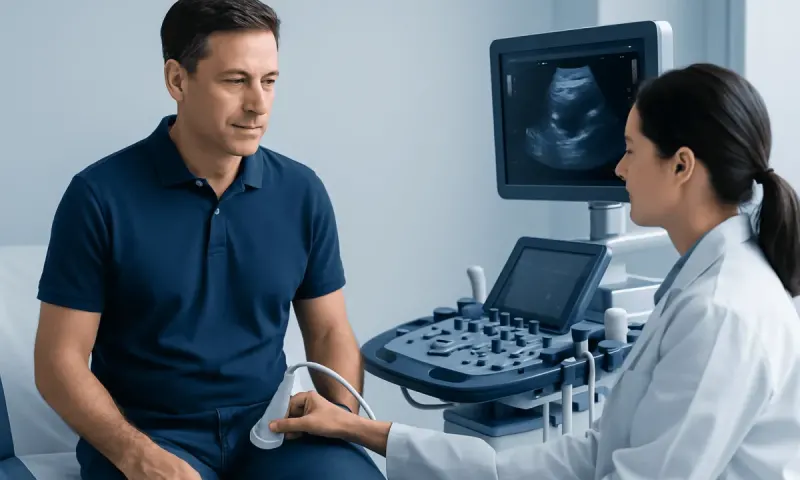
Not every person with recurrent UTI needs extensive testing. However, ultrasound or other imaging may be recommended for repeated kidney infections, stones, persistent blood in urine, suspected obstruction or unusual organisms. A urologist may also consider a bladder camera examination, called cystoscopy, when there is concern about a bladder abnormality, a stricture, a stone or another structural cause.
What Do Urologists Do for Recurrent UTIs?
What do urologists do for recurrent UTIs? Urologists assess whether recurring infections are linked to an anatomical, functional or obstructive urinary issue. They review culture results, assess how well the bladder empties and decide whether imaging, cystoscopy or other testing is necessary. The goal is to identify treatable causes while avoiding invasive tests that are unlikely to add useful information.
A recurrent UTI procedure is not one standard treatment. It may refer to diagnostic procedures such as ultrasound, measurement of urine left in the bladder after voiding, cystoscopy or specialized tests of bladder function. These are selected according to symptoms and risk factors, rather than routinely performed for every recurrent infection.
Management may include addressing bladder-emptying problems, removing a urinary stone, treating a narrowing, adjusting catheter care or coordinating care with gynecology, infectious diseases or pelvic-floor specialists. Acıbadem Health Point’s multidisciplinary specialists and JCI-accredited hospitals can evaluate and treat urinary conditions for international patients.
Treatment Options, Procedures and Recovery
For a confirmed acute infection, treatment generally includes an antibiotic chosen according to local guidance, allergies, medical history and urine culture results when available. Symptoms often begin improving within a few days, but the prescribed course should be taken exactly as directed. If symptoms do not improve, return quickly after treatment or occur with fever, reassessment is important.
Prevention plans depend on the person’s situation. A clinician may discuss increasing regular fluid intake when medically safe, avoiding spermicides if they appear to be a trigger, managing constipation, not delaying urination for long periods and addressing vaginal dryness or menopause-related changes with appropriate medical care. In selected people with culture-proven recurrence, preventive antibiotics or non-antibiotic preventive strategies may be considered under medical supervision.
When a specific problem is found, treatment may be procedural. A stone can be removed, an obstruction relieved, a narrowed urethra or bladder outlet treated, or a urinary tract abnormality repaired. Recovery depends on the procedure: diagnostic cystoscopy is often followed by mild temporary urinary irritation, while operations for stones or obstruction may require a longer recovery plan and follow-up testing.
Is there a surgery for frequent UTIs? Frequent UTI surgery is uncommon and is not performed simply because infections recur. Surgery is considered when clinicians find a correctable cause, such as a stone, urinary obstruction, reflux, a diverticulum, fistula or another structural abnormality. Treating that cause may reduce future infections, but results depend on the condition and on other risk factors.
Can Recurrent UTI Be Cured Permanently?
Can recurrent UTI be cured permanently? It can sometimes be resolved when a reversible cause is found and treated, such as a stone, obstruction, retained urine or a medication-related issue. However, some people remain prone to new infections because of factors such as menopause, diabetes, catheter use, changes in urinary anatomy or ongoing bladder-emptying difficulty.
For this reason, the realistic aim is often long-term control: confirming each episode accurately, treating infections appropriately and reducing risk factors where possible. A personalized plan can greatly reduce the number of infections for many people, even when no single permanent cure is available.
Repeated use of antibiotics without urine testing may not be the best approach, especially when symptoms are atypical. Culture-guided care helps avoid unnecessary antibiotics and can identify resistant bacteria or conditions that mimic infection.
When to Seek Medical Care
Medical evaluation is advisable for urinary symptoms that are recurrent, severe, persistent or different from previous episodes. It is particularly important for people who are pregnant, male, immunocompromised, living with diabetes, using a urinary catheter or known to have kidney disease, stones or urinary tract abnormalities.
Urgent medical care is needed for fever, chills, flank or back pain, vomiting, confusion, marked weakness, inability to pass urine, visible blood in urine or symptoms occurring after a recent urinary procedure. These can indicate a kidney infection, obstruction or another condition requiring prompt assessment.
After hysterectomy, prostatectomy or another pelvic operation, contact the surgical team or a doctor if urinary symptoms persist, recur frequently or are accompanied by fever, pain, trouble emptying the bladder or worsening leakage. Early assessment can help identify complications while they are more easily managed.
Frequently asked questions
01How is frequent UTI different from a single UTI?
A single UTI is an isolated infection, while frequent UTI means infections occur repeatedly over time. Clinicians commonly use the definition of two infections in six months or three within one year. Recurrent symptoms should be confirmed with urine testing whenever possible.
02Can drinking more water prevent recurrent UTIs?
Regular fluid intake may help some people by supporting normal urine flow and more frequent bladder emptying. The appropriate amount varies, especially for people with heart, kidney or liver conditions who may have fluid restrictions. A doctor can advise on a safe, individualized approach.
03Do recurrent UTIs always need antibiotics?
A symptomatic, confirmed bacterial UTI is often treated with antibiotics. However, bacteria found in urine without symptoms do not usually need treatment outside specific situations, such as pregnancy or before certain urologic procedures. Culture results can help ensure the treatment is necessary and appropriate.
04Is cystoscopy painful, and how long is recovery?
Cystoscopy is commonly performed using local anesthetic gel or other anesthesia depending on the situation. Mild burning, urgency or a small amount of blood in the urine can occur briefly afterward. Persistent pain, fever, inability to urinate or heavy bleeding should be reported promptly.
05Can sex cause frequent UTIs?
Sexual activity can be a trigger for some people because bacteria may be moved toward the urethra. This does not mean that UTIs are sexually transmitted. A clinician can discuss individualized prevention options, particularly when infections consistently follow intercourse.
06Why might UTIs recur after menopause?
Lower estrogen levels after menopause can change vaginal and urinary tissues and alter protective bacteria, making infections more likely. Clinicians may recommend several prevention strategies, including local hormonal treatment for suitable patients. This should be discussed with a qualified healthcare professional, especially for anyone with a history of hormone-sensitive cancer.
This article is for general information only and is not a substitute for professional medical advice. Please consult a qualified doctor about your individual situation.
Persistent digestive symptoms? Get evaluated in Turkey
JCI-accredited · board-certified surgeons · reply within 24h
Add us as a Preferred Source to see more of our trusted health content across Google Search, AI Overviews and Discover.