Frequent Micturition in Pregnancy: Common Causes
Frequent micturition in pregnancy is common and usually reflects normal hormonal changes, increased blood flow to the kidneys, and pressure from the growing uterus on the bladder. However, burning, fever, pelvic pain, blood in the urine, or a sudden change in urinary symptoms should be assessed promptly because infection and other conditions can occur during pregnancy.
Frequent Micturition in Pregnancy: What It Means
Frequent micturition in pregnancy means needing to pass urine more often than usual. It is one of the most common urinary changes during pregnancy and, in many cases, is a normal response to changes in the body. It may begin in the first trimester, improve somewhat in the middle months, and become more noticeable again later as the baby grows.
Frequency is different from producing unusually large volumes of urine. A pregnant person may need to urinate often because the bladder fills sooner or has less space to expand. If each trip produces only a small amount of urine, bladder pressure may be contributing. If urine output is consistently very large, thirst is marked, or symptoms begin suddenly, a clinician may look for another explanation.
Although it can disrupt sleep and daily routines, urinary frequency alone is not usually harmful. The important distinction is whether it occurs without pain or illness, or alongside symptoms that could suggest a urinary tract infection or another condition needing treatment.
Why Pregnancy Can Make Urination More Frequent
In early pregnancy, hormones affect circulation and kidney function. Blood volume gradually rises, and the kidneys filter more blood, which can increase urine production. The uterus also begins changing in size, sometimes placing pressure on the bladder even before the pregnancy is visibly apparent.
During the second trimester, the uterus often rises higher into the abdomen. Some people notice temporary relief from bladder pressure at this stage. This experience varies, and frequency can still occur because fluid intake, kidney filtration, constipation, activity, and individual bladder sensitivity all influence urinary habits.
In the third trimester, the growing uterus and, later, the baby’s position in the pelvis can reduce the bladder’s capacity. As a result, smaller amounts of urine may trigger the urge to go. Pelvic floor tissues also carry more weight during this period, which can make urgency or occasional leakage more likely.
Nighttime urination is also common. Fluid that has collected in the legs during the day may return to the bloodstream when a person lies down, allowing the kidneys to make more urine. Gentle movement, resting with the feet elevated when appropriate, and avoiding prolonged sitting may help some people manage this pattern.
Normal Symptoms and Signs That May Need Assessment

Typical pregnancy-related urinary frequency usually involves a stronger or more frequent urge to urinate without burning, severe discomfort, fever, or feeling unwell. The urine may be pale yellow when hydration is adequate, though its color can change with foods, vitamins, medicines, and the level of fluid intake.
A urinary tract infection (UTI) can cause frequent urination but often has additional symptoms, such as pain or burning when passing urine, urgency, cloudy or strong-smelling urine, discomfort low in the abdomen, or blood in the urine. Some infections in pregnancy cause few or no symptoms, which is one reason routine prenatal urine testing may be recommended. Learn more about urinary tract infections.
Less commonly, frequent urination may relate to high blood glucose, medications, bladder conditions, kidney problems, or unusually high fluid intake. Excessive thirst, fatigue, unexplained weight changes, or consistently large urine volumes should be discussed with a prenatal care professional. Testing is used to clarify the cause rather than relying on symptoms alone.
- Frequency: going to the bathroom more often than usual.
- Urgency: a sudden, difficult-to-delay need to urinate.
- Dysuria: pain or burning while urinating, which is not considered a normal pregnancy symptom.
- Incontinence: accidental urine leakage, often with coughing, laughing, exercise, or a strong urge.
How Clinicians Check Urinary Symptoms During Pregnancy
A clinician will usually ask when the urinary symptoms began, how often they occur, whether there is pain or leakage, and whether there are associated symptoms such as fever, Common Causes and How Doctors Evaluate It" class="ahp-ilk">vaginal bleeding, contractions, thirst, nausea, or back pain. They may also review medical history, medicines, previous UTIs, diabetes risk, and fluid habits.
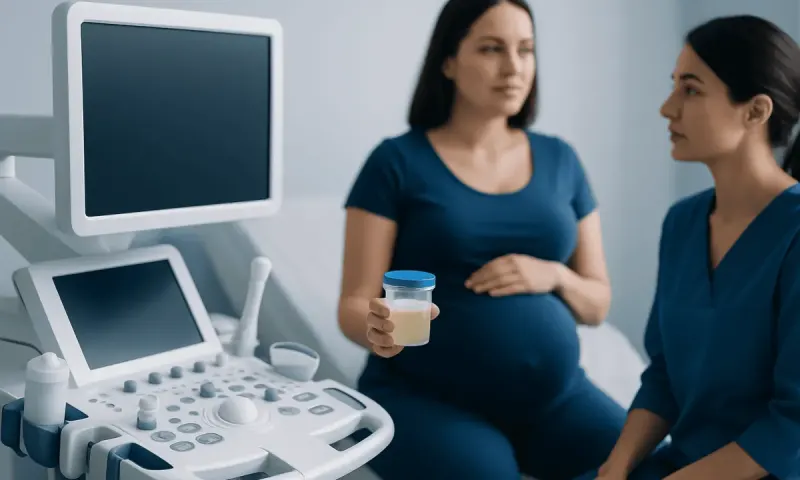
A urine sample is often the first test. Urinalysis can identify signs of infection, blood, protein, glucose, and dehydration. If infection is suspected, a urine culture may be requested to identify bacteria and guide treatment. In pregnancy, clinicians may also test for bacteria in the urine even when there are no symptoms, because untreated infection can sometimes lead to complications.
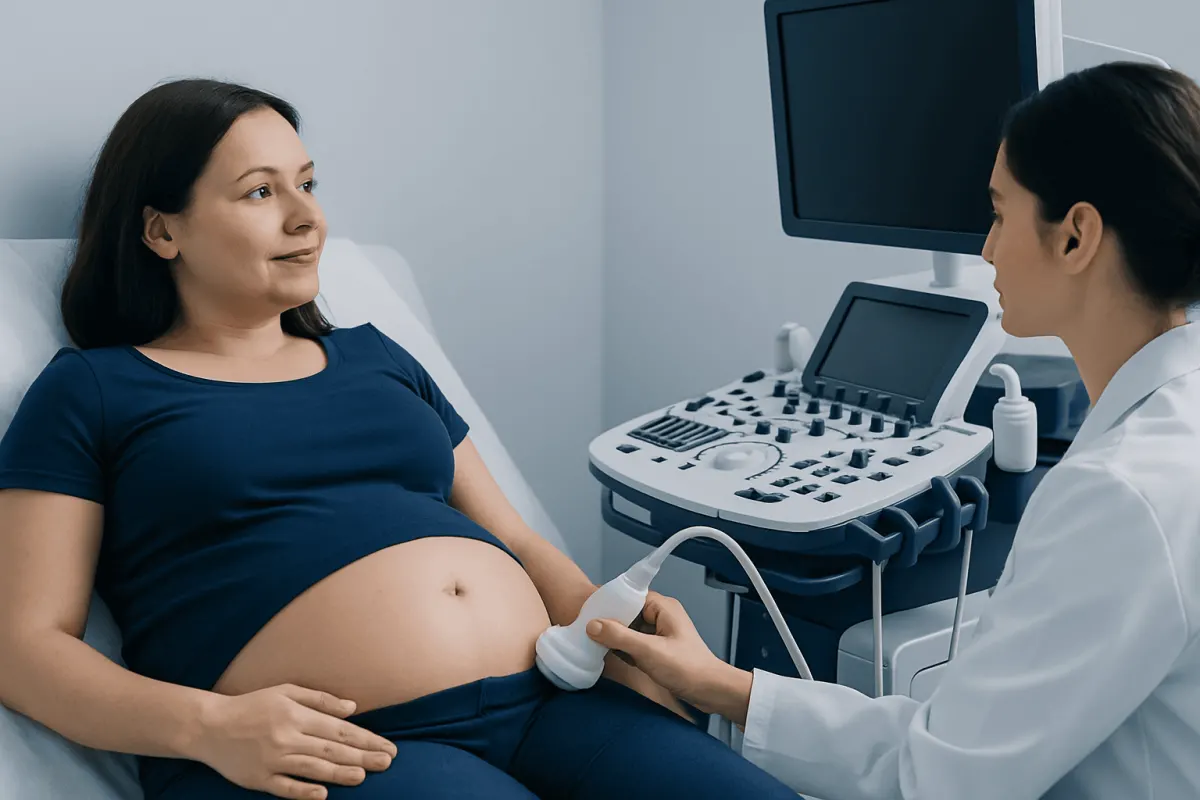
Further assessment depends on the findings. Blood tests, glucose screening, ultrasound, or referral to an obstetrician, urologist, or other specialist may be considered when symptoms are persistent, severe, or not explained by routine pregnancy changes. Patients should not self-diagnose a UTI based only on urinary frequency.
Management and Everyday Comfort Measures
For normal pregnancy-related frequency, the goal is comfort while maintaining healthy hydration. Drinking water regularly through the day is generally preferable to drinking a large amount at once. Restricting fluids too much can contribute to dehydration and may irritate the bladder because concentrated urine can increase urgency or discomfort.
Some people find it useful to reduce caffeine-containing drinks, particularly later in the day, because caffeine can increase urine production and bladder urgency. If nighttime trips are disruptive, it may help to take most fluids earlier in the day while still having enough to drink in the evening. Advice should be individualized for anyone with a medical condition that affects fluid intake.
Taking time to empty the bladder fully can help. Sitting comfortably on the toilet, relaxing rather than rushing, and leaning forward slightly at the end of urination may reduce the feeling that urine remains in the bladder. Regular bathroom visits are reasonable, but repeatedly going “just in case” when there is no urge may sometimes increase awareness of bladder sensations.
Pelvic floor exercises may help improve bladder support and reduce leakage for some pregnant people. A maternity care professional or pelvic health physiotherapist can explain how to perform them correctly. If a UTI is diagnosed, treatment should be prescribed by a clinician who can choose an option appropriate for pregnancy; antibiotics should not be started from leftover medication or another person’s prescription.
Prevention and Self-care During Pregnancy
Not all urinary frequency can be prevented because it is often part of normal pregnancy physiology. However, a few habits may support urinary comfort and lower the chance of infection. These include drinking enough water, emptying the bladder when needed, and avoiding holding urine for long periods.
Good genital hygiene is also helpful. Wiping from front to back after using the toilet can reduce the transfer of bacteria from the bowel area to the urinary tract. Urinating after sexual activity may be advised for people who are prone to recurrent UTIs. Fragranced intimate products, douches, and harsh cleansers may irritate sensitive tissues and are generally best avoided unless recommended by a clinician.
Constipation can add pressure to the bladder, so maintaining regular bowel habits may improve comfort. Fiber-rich foods, appropriate fluids, and pregnancy-safe activity can help. A prenatal clinician can advise on safe options if constipation persists.
Pregnant people should attend scheduled prenatal visits and complete recommended urine and glucose screening. These checks can identify concerns early, including conditions that may not cause clear symptoms at first.
When to Seek Medical Care
Contact a maternity care provider promptly if frequent urination is accompanied by burning, pain, fever, chills, blood in the urine, lower abdominal pain, flank or back pain, nausea or vomiting, or feeling generally unwell. These symptoms may indicate a UTI or, less often, an infection involving the kidneys, which needs timely evaluation in pregnancy.
Medical advice is also important for sudden intense thirst, passing very large amounts of urine, new severe urgency, inability to urinate, or leakage that is difficult to distinguish from vaginal fluid or rupture of membranes. Vaginal bleeding, regular painful contractions, severe pelvic pain, or reduced fetal movement later in pregnancy should be assessed according to local maternity guidance.
Urgent care is appropriate for fever with back pain, severe pain, confusion, fainting, inability to keep fluids down, or symptoms of dehydration. Early assessment is reassuring and allows treatment to begin promptly when needed.
Acıbadem Health Point’s multidisciplinary specialists and JCI-accredited hospitals can assess urinary symptoms and pregnancy-related concerns for Myomectomy Recovery for International Patients: The Usual Travel Timeline" class="ahp-ilk">international patients, working with obstetric and relevant medical teams when further evaluation is needed.
Frequently asked questions
01Is frequent micturition normal in pregnancy?
Yes, frequent micturition is often normal in pregnancy. Hormonal changes, increased kidney filtration, and pressure on the bladder from the uterus can all make a person need to urinate more often. It should still be discussed with a clinician if it is painful, sudden, severe, or accompanied by other symptoms.
02When does frequent urination start in pregnancy?
It can begin in early pregnancy, sometimes within the first trimester, as hormones and blood flow change. Some people notice improvement during the second trimester, while others continue to have frequency throughout pregnancy. Symptoms often increase again in the final weeks as the baby moves lower into the pelvis.
03How can frequent urination in pregnancy be managed at night?
Drinking most fluids earlier in the day and limiting caffeine, especially later in the day, may reduce nighttime trips to the bathroom. Fluids should not be restricted excessively because hydration is important in pregnancy. If nighttime urination is sudden, painful, or associated with excessive thirst, medical advice is appropriate.
04Does frequent urination mean a urinary tract infection in pregnancy?
Not necessarily. Frequent urination can be a normal pregnancy symptom, but a UTI can cause similar symptoms. Burning, urgency, cloudy or strong-smelling urine, pelvic discomfort, fever, and back pain make infection more likely and should be checked with a urine test.
05Should a pregnant person drink less water to avoid frequent urination?
No, deliberately drinking too little is not recommended. Dehydration can cause concentrated urine, which may irritate the bladder and make urgency worse. Regular water intake across the day is usually a better approach, with individualized advice from the maternity care team when needed.
06Can frequent urination in pregnancy be a sign of gestational diabetes?
Frequent urination on its own is not a reliable sign of gestational diabetes because it is so common in pregnancy. However, unusually strong thirst, passing large volumes of urine, or other concerning symptoms should be discussed with a clinician. Routine gestational diabetes screening helps identify the condition even when symptoms are absent.
This article is for general information only and is not a substitute for professional medical advice. Please consult a qualified doctor about your individual situation.
Persistent digestive symptoms? Get evaluated in Turkey
JCI-accredited · board-certified surgeons · reply within 24h
Add us as a Preferred Source to see more of our trusted health content across Google Search, AI Overviews and Discover.