A Torn Penile Frenulum Often Heals, but Repeat Tears Need Care

A sharp pain on the underside of the penis during sex, then blood — it’s frightening, and it’s more common than most men realise. What has usually happened is a tear in the thin band of tissue that connects the foreskin to the head of the penis. This band is called the penile frenulum.
Because it is thin, sensitive and full of small blood vessels, even a small split can bleed more than you would expect and hurt a lot. The good news: many mild tears heal with gentle care and cause no long-term trouble. But don’t accept it as “just normal” if it keeps happening, bleeds heavily, or leaves you with ongoing pain. Repeated tearing can point to a short or tight frenulum, sometimes called frenulum breve, which makes the tissue more likely to split when stretched.
Online you’ll find advice telling you to ignore it, try home remedies, or carry on as usual. The sensible approach is much simpler: protect the area, keep it clean, avoid more friction, and get checked if symptoms are severe or aren’t settling. Below, we look at what causes a frenulum tear, how it’s diagnosed, and when treatment helps.
Overview: what a frenulum tear is
A frenulum tear is a tear in the small elastic band of tissue on the underside of the penis, where the foreskin connects to the glans. This area is called the penile frenulum. Because it is thin, sensitive, and richly supplied with blood vessels, even a small tear can bleed more than expected and feel quite painful.
In many cases, a frenulum tear is not dangerous and can heal without long-term problems. However, the injury should not be dismissed as “normal” if it keeps happening, causes significant bleeding, or leads to ongoing pain. Recurrent tearing may point to a short or tight frenulum, sometimes called frenulum breve, which can make the tissue more likely to split during stretching.
People often search for conflicting advice online about whether to ignore the tear, use home remedies, or continue sexual activity. A more evidence-based approach is simpler: protect the area, keep it clean, avoid further friction, and seek medical evaluation if symptoms are severe or do not improve. This article explains what commonly causes a frenulum tear, how it is diagnosed, and when treatment may be helpful.
Symptoms and what the injury may feel like
The most common symptom is a sudden, sharp pain on the underside of the penis during sex, masturbation, or forceful retraction of the foreskin. Many people notice immediate bleeding, which can seem dramatic because the tissue contains small blood vessels close to the surface. The bleeding is often self-limited, but it can still be distressing.
After the initial injury, the area may feel sore, tender, or stinging for several days. Erections can stretch the healing tissue and cause discomfort or reopen the tear. Some people also notice mild swelling, a small visible split, spotting in underwear, or pain when urine contacts the wound.
Symptoms vary depending on how deep the tear is. A superficial tear may feel like a paper cut and heal relatively quickly. A deeper tear can leave a more obvious wound, repeated bleeding, and pain with sexual activity. If there is increasing redness, pus, fever, or worsening swelling, infection should be considered and a doctor should evaluate the area promptly.
Causes, contributing factors, and common myths

A frenulum tear usually results from stretching or friction. Common triggers include vigorous sexual activity, masturbation with limited lubrication, accidental pulling of the foreskin, or friction from a condom or clothing when the area is already irritated. In some people, the tissue is naturally shorter or less flexible, which increases the chance of tearing.
Several factors can make the area more vulnerable. These include a tight foreskin, called phimosis, recurrent inflammation of the glans or foreskin, previous scarring, dryness, and resuming sexual activity before a previous tear has fully healed. Diabetes and certain skin conditions may also affect tissue health and healing, although they are not the most common causes.
A few myths are worth clearing up. Emergency surgery is not the usual answer — most mild tears heal with simple care. Nor do you have to live with tears that keep coming back; there is often an anatomical reason, such as a short frenulum, and a doctor can tell you whether treatment would help. And a lot of bleeding doesn’t automatically mean a serious injury deep inside: even a small surface tear here can bleed noticeably.
How doctors diagnose a frenulum tear
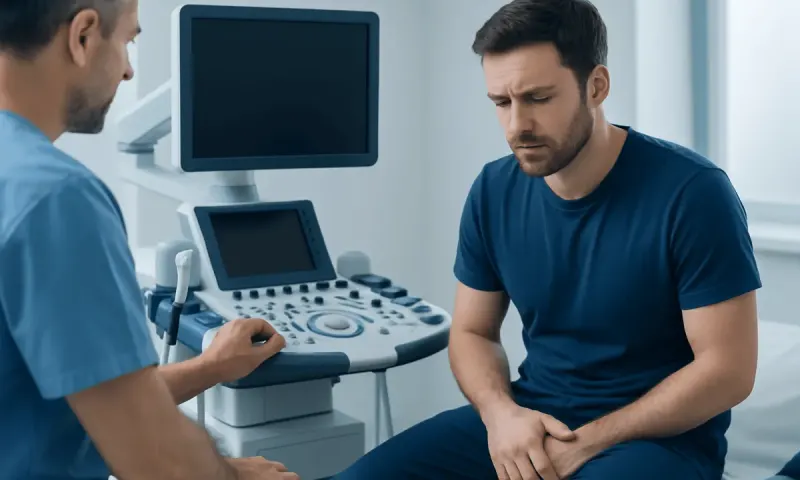
Diagnosis is usually straightforward and begins with a medical history. A doctor may ask when the tear happened, how much bleeding occurred, whether the foreskin retracts normally, and whether the problem has happened before. Questions about pain, urination, sexual activity, and any discharge or fever can help identify complications or other conditions.
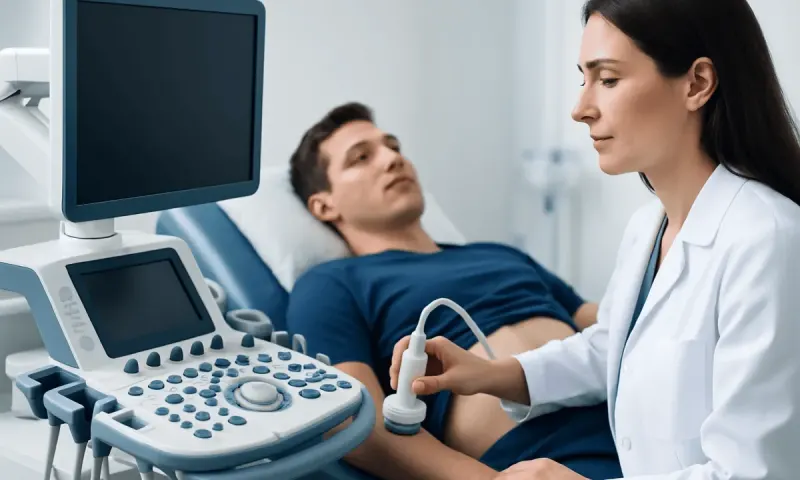
The physical examination is typically brief. The doctor gently inspects the frenulum, foreskin, and glans to look for an active tear, signs of infection, scarring, or a short frenulum. They may also check whether there is tightness of the foreskin or inflammation that could contribute to repeated injury.
You often won’t need any tests. However, if there are signs of infection, sexually transmitted infection, poor healing, or another skin disorder, additional testing may be recommended. In cases where repeated tearing occurs with foreskin tightness or persistent discomfort, a urology evaluation can help determine whether procedural treatment is likely to help.
Treatment options and healing
Initial care focuses on stopping bleeding and protecting the tissue. Gentle pressure with a clean cloth or gauze often helps. After the bleeding settles, the area should be kept clean and dry, and further friction should be avoided. Mild tears often heal over days to a few weeks, depending on depth and whether the tissue is repeatedly stretched.
Doctors may recommend conservative care such as temporary sexual abstinence, careful washing with water, avoiding harsh soaps, and using lubrication when sexual activity is resumed after healing. If infection is suspected, treatment depends on the cause. If there is significant pain, heavy bleeding, or a deeper laceration, medical treatment may include wound care or, less commonly, stitches.
When tearing happens repeatedly, treatment may go beyond watchful healing. A short frenulum can sometimes be treated with a minor procedure to release or lengthen the tissue, often referred to as frenuloplasty. If foreskin tightness is a major contributing factor, the doctor may discuss options including circumcision. In some cases, repeated symptoms relate to broader penis disorders that need specialist evaluation rather than repeated self-treatment at home.
If symptoms keep coming back or healing is complicated, seeing a specialist team is worthwhile. Acıbadem Health Point’s multidisciplinary specialists in JCI-accredited hospitals diagnose and treat this condition for international patients when urologic evaluation or minor procedural care is needed.
Self-care, prevention, and reducing the chance of repeat tears
Good self-care during healing can lower the risk of reopening the tear. The key principles are reducing friction, supporting clean wound healing, and giving the tissue time to recover before it is stretched again. Even if pain improves quickly, the tissue may still be fragile for a short period.
Helpful prevention steps may include:
- Avoiding sex and masturbation until the area is fully healed and no longer tender
- Using adequate lubrication during sexual activity
- Being gentle when retracting the foreskin
- Keeping the penis clean and dry, especially under the foreskin if uncircumcised
- Seeking medical advice if tearing happens more than once
It also helps to deal with anything that slows healing down. Recurrent inflammation, untreated infection, poorly controlled diabetes, or persistent dryness can all make the tissue more vulnerable. People who notice foreskin tightness, pain with retraction, or repeated splitting should not rely only on temporary rest; a medical assessment may identify a correctable underlying problem.
When to seek medical care
Medical care is recommended if bleeding does not stop with gentle pressure, if the tear appears deep, or if pain is severe. Evaluation is also important if urination becomes difficult, the foreskin becomes stuck, or swelling rapidly increases. These signs may indicate a more significant injury or another urgent problem.
A doctor should also assess symptoms of possible infection, such as increasing redness, warmth, discharge, bad odor, fever, or worsening tenderness after the first day or two. Healing that stalls, repeated reopening of the wound, or repeated tears after intercourse are other reasons to seek care rather than continuing home management.
If repeat tearing is linked to foreskin tightness or an anatomical issue, a urologist may discuss targeted options, including treatment approaches used in urology care. Prompt assessment does not always mean a procedure will be needed, but it can help prevent recurrent pain, scarring, and ongoing anxiety about sexual activity.
Frequently asked questions
01Can a frenulum tear heal on its own?
Yes, many small frenulum tears heal on their own with gentle care and avoiding friction. The area should be kept clean, and sexual activity should usually be paused until the tissue is no longer painful or vulnerable to reopening.
02How long does a frenulum tear take to heal?
Healing time depends on how deep the tear is and whether the area is stretched again during recovery. Minor tears may improve within days, while deeper tears can take longer and may need medical attention if they keep reopening or remain painful.
03Why does a frenulum tear bleed so much?
The frenulum contains small blood vessels close to the skin surface, so even a small tear can bleed noticeably. This can look alarming, but the amount of bleeding does not always mean the injury is severe.
04Is sex safe after a frenulum tear?
Sex is usually best avoided until the tear has healed fully, because friction and stretching can reopen the wound. Returning too early can prolong healing and increase the chance of repeated tearing.
05What if the frenulum keeps tearing again and again?
Repeated tearing may suggest a short frenulum, tight foreskin, scarring, or ongoing inflammation. A doctor, often a urologist, can examine the area and discuss whether conservative care or a minor procedure could help prevent future injury.
06Does a frenulum tear always need surgery?
No, surgery is not always needed. Many mild tears respond to rest and basic wound care, while procedures are mainly considered for repeated tears, troublesome scarring, or an anatomical problem that keeps causing symptoms.
This article is for general information only and is not a substitute for professional medical advice. Please consult a qualified doctor about your individual situation.
Explore treatments in Turkey — costs, top hospitals & a free quote
JCI-accredited · board-certified surgeons · reply within 24h
Add us as a Preferred Source to see more of our trusted health content across Google Search, AI Overviews and Discover.