Free Online Tyrer-Cuzick Test: Understanding Your Risk
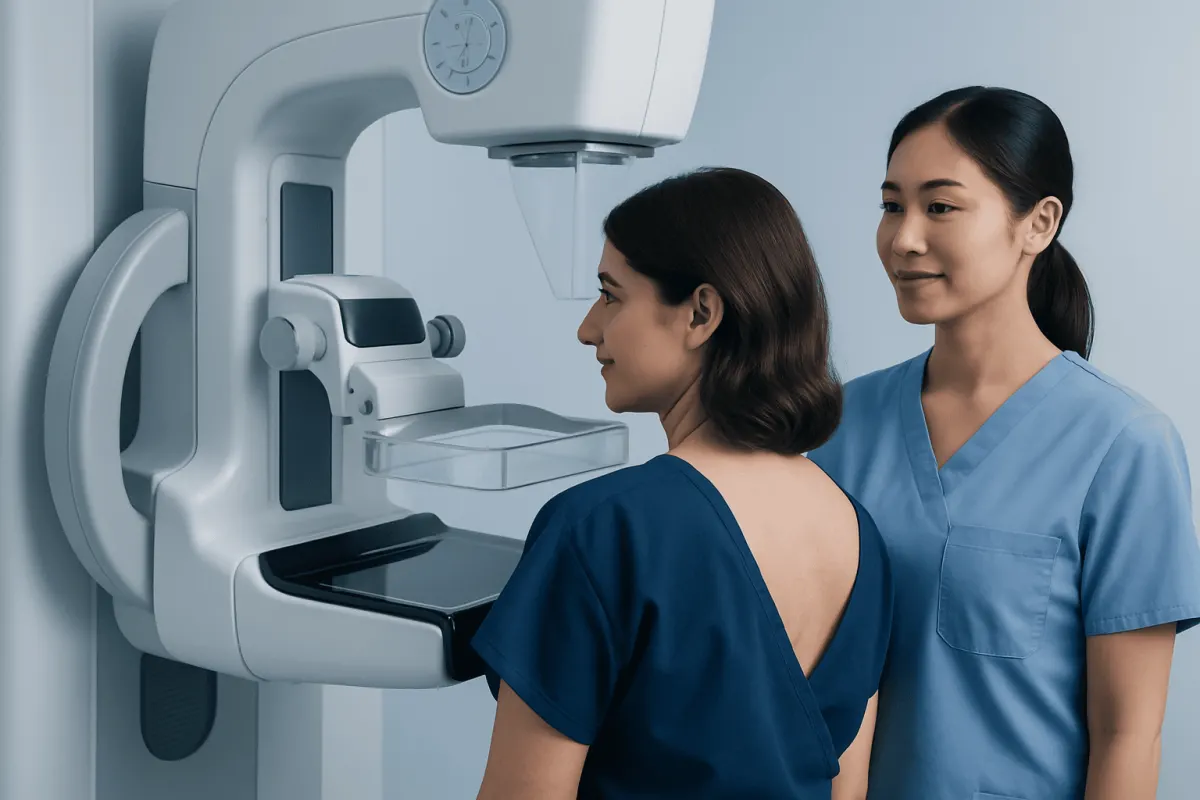
A Tyrer-Cuzick test online free may help estimate a person’s likelihood of developing breast cancer over the next 10 years and during their lifetime. It is a risk-assessment tool, not a diagnosis, and its results are most useful when discussed with a qualified healthcare professional.
Tyrer Cuzick Test Online Free: What It Is and What to Expect
A Tyrer Cuzick test online free is an online breast cancer risk questionnaire based on the Tyrer-Cuzick model, also called the International Breast Cancer Intervention Study (IBIS) model. It combines health, reproductive and family-history information to estimate the chance of developing breast cancer over the next 10 years and over a lifetime. It does not test for cancer, replace breast imaging or confirm whether a person has an inherited cancer gene change.
Many online versions are intended for education or preliminary risk discussion. Their accuracy depends on entering complete and correct information, particularly details about relatives with breast or ovarian cancer. A clinician, breast specialist or genetic counselor can check the information, explain what the estimate means in the context of age and health, and discuss appropriate screening.
There is no physical procedure, preparation or recovery period. The person answers questions, receives an estimated risk and may then be advised to arrange routine screening, a breast-health appointment, genetic counseling or further imaging. A risk estimate should never be used to delay medical evaluation of a new breast symptom.
How the Tyrer-Cuzick Model Calculates Risk
The model was designed to provide a more detailed estimate than age alone. It may consider current age, height and weight, age at first menstrual period, age at menopause, pregnancy history, age at first birth, use of hormone replacement therapy, previous breast biopsy findings and breast density when this information is available.
Family history is also important. The questionnaire may ask about breast or ovarian cancer in close relatives, their ages when diagnosed, whether cancer occurred in both breasts, and known inherited gene variants such as BRCA1 or BRCA2. Information about male breast cancer and some other related cancers can also be relevant when a clinician evaluates hereditary risk.
The calculation is an estimate based on population data and cannot predict an individual future with certainty. It may be less reliable when family information is incomplete, when details are entered inaccurately, or for people whose personal background is not well represented in the data used to develop the model. Risk should be reviewed periodically because age, breast density, biopsy results and family history can change over time.
How Can I Calculate My Tyrer-Cuzick Score?

The safest way to calculate a Tyrer-Cuzick score is through a healthcare setting that uses the validated version of the IBIS risk assessment tool. Before the appointment, it can help to collect information about relatives on both sides of the family, including the type of cancer they had and approximately how old they were at diagnosis. A copy of a mammogram report may also be useful if it includes breast density.
When using a Tyrer Cuzick test online free, the person should read each question carefully and avoid guessing if possible. A relative’s cancer diagnosis, for example, should be distinguished from a non-cancerous breast condition. If information is uncertain, it is better to note the uncertainty and discuss it with a doctor or genetic counselor rather than treating an online result as final.
A clinician may repeat the calculation after confirming medical records, pathology reports or genetic test results. They can also determine whether a different assessment tool is more appropriate. Risk calculators support, rather than replace, standard breast screening and clinical judgment.
How Do I Interpret My Tyrer-Cuzick Score?
The report commonly provides a 10-year risk and a lifetime risk, often expressed as a percentage. The 10-year figure estimates risk during the next decade, while the lifetime figure estimates risk up to the age limit specified by the tool. These numbers should be compared with the average risk for people of a similar age, not interpreted in isolation.
There is no single cutoff that applies everywhere. In many clinical guidelines, a calculated lifetime risk of about 20% or higher may be considered high enough to discuss enhanced screening, such as annual breast MRI in addition to mammography, depending on the person’s age, breast health and local recommendations. A lower score can still be important if there is a concerning symptom, a strong family pattern or a known genetic variant.
A result does not diagnose breast cancer and does not mean cancer will develop. Conversely, a low or average estimate does not guarantee that cancer will not occur. The practical next step is to review the report with a clinician, who can recommend an individualized screening plan and discuss risk-reducing choices when appropriate.
What Is a Good Tyrer-Cuzick Score?
A “good” Tyrer-Cuzick score is not a single universal number. In general, a lower estimated risk compared with the average risk for the same age group is reassuring, but every score needs context. Age alone increases breast cancer risk over time, so a lifetime percentage may rise as someone gets older even when there are no new risk factors.
Healthcare teams often use categories such as average, intermediate or increased risk to guide screening discussions. A lifetime estimate around 20% or above is frequently used as one threshold for considering additional MRI screening, but policies vary among countries, insurers and professional organizations. A score below that threshold may still warrant individualized advice if a person has dense breasts, prior atypical biopsy results or a significant hereditary cancer history.
The goal is not to achieve a particular number. The goal is to understand risk well enough to make informed decisions about screening, lifestyle and, when indicated, specialist assessment. A doctor can explain whether the estimate changes the person’s care plan.
Results, Follow-Up and Prevention Options
After completing the assessment, most people can continue normal activities immediately. There is no recovery because the Tyrer-Cuzick assessment does not involve blood tests, radiation, medication or surgery. Follow-up may be recommended if the score indicates increased risk or if the questionnaire identifies a potentially hereditary cancer pattern.
Possible next steps include regular mammography, consideration of breast MRI for eligible higher-risk individuals, a clinical breast assessment, or referral to genetic counseling. Breast cancer screening plans should be personalized, especially for people with dense breasts, a previous atypical breast biopsy or relatives diagnosed at a young age.
Risk reduction may include maintaining a healthy weight, being physically active, limiting alcohol, avoiding smoking and discussing hormone therapy carefully with a clinician. For selected people at substantially increased risk, specialists may discuss risk-reducing medicines or surgery; these are personal decisions that require a detailed review of benefits, limitations and possible side effects.
- Continue recommended screening even when an online risk estimate is low.
- Update family history when a relative receives a cancer diagnosis.
- Ask whether genetic counseling is appropriate when several relatives have related cancers or diagnoses occurred at younger ages.
- Seek prompt assessment for new breast symptoms rather than relying on a risk score.
What Was Olivia Munn's Tyrer-Cuzick Score?
Olivia Munn has publicly discussed receiving a breast cancer risk assessment that helped prompt additional screening before her breast cancer diagnosis. Public reporting has described her Tyrer-Cuzick lifetime risk as 37%, but personal medical information should not be used to judge another person’s risk or screening needs.
Her experience highlights why risk assessment can add useful information beyond routine age-based screening recommendations for some individuals. However, a public figure’s medical history is not a clinical guideline. The most appropriate screening schedule depends on each person’s age, symptoms, family history, breast density, prior test results and local medical guidance.
Anyone concerned about their own risk can ask a primary care doctor, gynecologist, breast clinic or genetic counselor whether a validated risk assessment would be useful. The discussion should include both the potential value and the limitations of the score.
When to Seek Medical Care
A risk calculator is not designed to investigate symptoms. A person should arrange medical assessment promptly for a new breast lump or thickening, persistent breast or armpit pain, skin dimpling, a change in breast shape, nipple inversion, a rash around the nipple, or nipple discharge that is bloody or occurs without squeezing. Most breast changes are not cancer, but they should be checked.
Medical advice is also appropriate if there is a strong family history of breast, ovarian, pancreatic or prostate cancer, especially when relatives were diagnosed young, several relatives are affected, or a relative has a known inherited cancer-related gene variant. Genetic counseling may help clarify whether testing or tailored surveillance is appropriate.
Acıbadem Health Point’s multidisciplinary specialists and JCI-accredited hospitals can assess breast cancer risk and coordinate appropriate screening and treatment planning for international patients. The right next step is determined through an individual clinical evaluation, not an online score alone.
Frequently asked questions
01Is a Tyrer-Cuzick test online free accurate?
An online calculator may provide a useful preliminary estimate when the validated model is used and all information is accurate. However, incomplete family history, uncertain diagnoses and incorrect entries can affect the result. A clinician should review the score before decisions about screening or prevention are made.
02Does a high Tyrer-Cuzick score mean I have breast cancer?
No. A high score estimates a higher chance of developing breast cancer in the future; it does not diagnose current cancer. Diagnostic assessment is needed if a person has symptoms or an abnormal screening result.
03What information is needed for a Tyrer-Cuzick calculation?
The assessment may use age, menstrual and pregnancy history, height and weight, hormone use, prior breast biopsies, breast density and family cancer history. Details about relatives’ diagnoses and ages at diagnosis are particularly helpful. Known genetic test results should also be shared with the healthcare professional.
04Can men use the Tyrer-Cuzick model?
The Tyrer-Cuzick model is primarily used to estimate breast cancer risk in women. Men with a family history of breast cancer, a known gene variant, breast symptoms or concerns about hereditary cancer should speak with a doctor or genetic counselor for individualized evaluation.
05How often should a Tyrer-Cuzick score be updated?
It may be worth updating the assessment when there is new family history, a breast biopsy result, a change in breast density information or genetic testing. A clinician may also revisit risk at routine preventive visits. The timing depends on personal circumstances and screening recommendations.
06Can lifestyle changes lower a Tyrer-Cuzick score?
Some modifiable factors, such as weight and hormone exposure, may influence risk estimates, but the score also includes factors that cannot be changed, including age and family history. Healthy habits can support overall health and may reduce breast cancer risk, but they do not eliminate it. A clinician can discuss realistic prevention strategies.
This article is for general information only and is not a substitute for professional medical advice. Please consult a qualified doctor about your individual situation.
Oncology care in Turkey — second opinion and treatment plan
JCI-accredited · board-certified surgeons · reply within 24h
Add us as a Preferred Source to see more of our trusted health content across Google Search, AI Overviews and Discover.