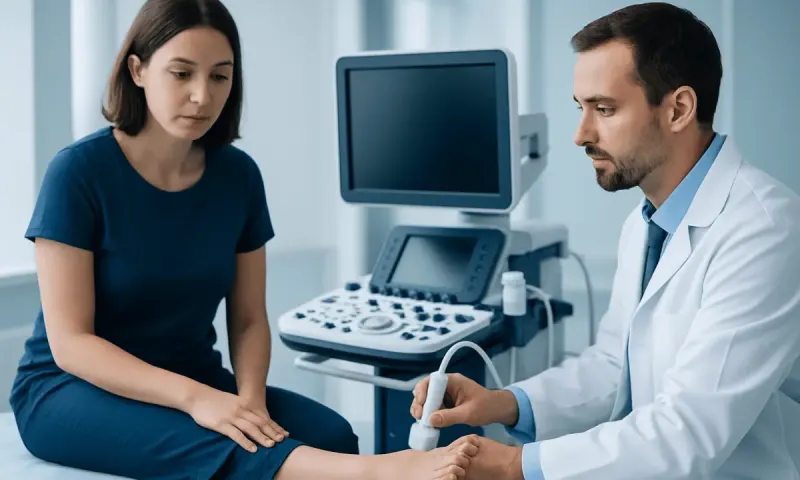
Fosamax: Uses, Dosage and Side Effects

Key Takeaways
- Fosamax is a bisphosphonate medicine used to slow bone loss and support bone strength.
- It works best when taken exactly as directed, especially with proper timing and posture.
- Some side effects are mild, but persistent swallowing problems, jaw pain, or thigh pain should be discussed with a doctor.
- Treatment decisions often depend on bone density, fracture history, age, and overall health.
- Calcium, vitamin D, exercise, and fall prevention remain important alongside medication.
Fosamax is a brand name for alendronate, a medicine commonly used to help protect bones and lower fracture risk in people with osteoporosis and certain other bone conditions. Understanding how it works, how to take it correctly, and what side effects to watch for can make treatment safer and more effective.
Overview
Fosamax is the brand name for alendronate, a medication in the bisphosphonate group. It is used to help treat and prevent osteoporosis, a condition in which bones become thinner and more likely to break. It may also be prescribed for some people with Paget disease of bone, depending on the clinical situation.
The medicine does not build a new skeleton overnight. Instead, it helps slow the natural process of bone breakdown, giving the body more time to maintain bone strength. For many patients, the goal is not only a better scan result, but a lower chance of fractures that can change mobility, confidence, and independence.
For international patients considering treatment, the decision is often practical as well as medical: Which medicine fits the diagnosis, how long is it likely to be used, and how will follow-up happen after returning home? Those questions are part of good bone care, especially when treatment may continue across borders.
Symptoms
Fosamax itself is not usually taken for a symptom people can feel day to day. It is prescribed because a bone density test, fracture history, or another assessment suggests the bones are at higher risk of weakening. In that sense, osteoporosis can be a quiet condition until a fracture happens.
People who may be evaluated for bone loss often have no early warning signs. When symptoms do appear, they may include back pain from spinal fractures, a gradual loss of height, a stooped posture, or fractures that happen after a minor fall or even routine movement.
Some side effects of Fosamax can show up after starting treatment. These may include heartburn, stomach discomfort, trouble swallowing, or irritation of the food pipe if the medicine is not taken correctly. Unusual pain in the thigh, groin, or jaw should also be taken seriously and discussed with a clinician.
Causes & Risk Factors

Osteoporosis develops when bone is broken down faster than it is rebuilt. Ageing is a common factor, but it is not the only one. Hormonal changes, especially after menopause, can accelerate bone loss, and some men also develop osteoporosis later in life.
Risk can rise with a family history of fractures, low body weight, smoking, heavy alcohol use, long-term steroid medication, low calcium intake, vitamin D deficiency, limited physical activity, and certain medical conditions that affect hormones or absorption. A history of previous fracture is especially important because it can signal a higher future risk.
Fosamax is not right for every patient. The treatment plan depends on kidney function, swallowing and esophageal health, calcium levels, ability to sit or stand upright after taking the tablet, and whether other medicines may interact with it. This is why a full medical review matters before starting therapy.
Diagnosis
Before Fosamax is prescribed, doctors usually confirm whether bone loss is present and whether medication is appropriate. The most common test is a bone density scan, often called a DEXA scan, which measures bone mineral density and helps estimate fracture risk.
Diagnosis is not based on a scan alone. Clinicians also ask about prior fractures, menstrual and menopause history, family history, height loss, lifestyle factors, and medicines that may affect bone strength. In some cases, blood tests are ordered to look for vitamin D deficiency, calcium problems, thyroid disease, or other causes of bone loss.
For patients who travel for care, it can help to bring prior imaging, laboratory results, and medication lists in one place. A clear record makes it easier for specialists to compare findings, explain whether alendronate is suitable, and plan a follow-up schedule that can continue safely after the patient returns home.
Treatment Options
Fosamax is one of several medicines used to manage osteoporosis. It is often chosen because it has been studied widely and can be effective for lowering fracture risk when taken consistently. The tablet is usually taken on an empty stomach with plain water, and the person is asked to stay upright for a period afterward so the medicine reaches the stomach safely.
Treatment may also include calcium and vitamin D if they are needed, plus exercise that supports balance and strength. In some people, other osteoporosis medicines may be considered instead of or after alendronate, depending on fracture risk, side effect tolerance, kidney function, or treatment response. The best option is rarely a one-size-fits-all choice.
Safe use matters as much as the prescription itself. Fosamax should not be combined casually with calcium, antacids, iron, or certain supplements at the same time of day, because they can reduce absorption. Patients who have difficulty following the timing instructions should tell their doctor, since another treatment plan may be more practical.
In a multidisciplinary setting, bone specialists, internists, radiologists, and rehabilitation teams may work together to reduce fracture risk and improve daily function. That coordination can be especially helpful for international patients who need a plan that is clear, portable, and easy to continue after leaving the country.
Prevention & Self-care
Medication works best when paired with everyday habits that protect the skeleton. A balanced diet with enough calcium and vitamin D, regular weight-bearing and resistance exercise, and smoking cessation can all support bone health. Fall prevention is also important, especially for older adults.
Patients taking Fosamax should follow the exact instructions given by their doctor. Taking the tablet with a full glass of plain water, avoiding food or drink for the recommended period, and staying upright afterward are simple steps that help reduce irritation of the esophagus. Missing doses is common, but repeated missed doses should be discussed so the plan can be adjusted.
It is also sensible to review the entire medication list, including over-the-counter products and supplements. Some common medicines and supplements can interfere with absorption or increase irritation. A doctor or pharmacist can help separate them into a practical daily schedule.
- Keep routine bone checks and follow-up appointments.
- Report new heartburn, swallowing trouble, jaw pain, or thigh pain promptly.
- Use shoes, lighting, and home setups that reduce fall risk.
- Ask whether exercise, nutrition, or physical therapy should be added to the plan.
When to See a Doctor
Medical advice should be sought before starting Fosamax if there is a history of swallowing difficulty, stomach or esophageal disease, low calcium, severe kidney problems, or an inability to sit or stand upright after taking a tablet. These details can affect whether the medication is safe to use.
After treatment begins, a doctor should be contacted if there is chest pain, pain on swallowing, persistent heartburn, black stools, jaw pain, or unusual pain in the thigh or groin. These symptoms do not always mean something serious is happening, but they do deserve prompt assessment.
Follow-up is also important if fractures occur despite treatment, if side effects make the medicine hard to continue, or if a patient is planning to travel and needs a clear continuation plan. Acibadem Health Point’s multidisciplinary specialists and JCI-accredited hospitals diagnose and treat bone conditions for international patients with coordinated care and follow-up planning.
Patients and families can use reliable medical sources to learn more about alendronate, osteoporosis, and bone health. These references are helpful for background information, but they do not replace a personal medical evaluation.
Authoritative organizations update their guidance as evidence evolves, so it is wise to confirm details with a qualified doctor or pharmacist, especially when a patient has other health conditions or takes multiple medicines.
Frequently asked questions
01What is Fosamax used for?
Fosamax, which contains alendronate, is used to treat and help prevent osteoporosis and to lower the risk of fractures in appropriate patients. It may also be used for certain other bone conditions when a doctor thinks it is suitable. The main goal is to slow bone loss and support stronger bones over time.
02How should Fosamax be taken?
It is usually taken first thing in the morning with plain water on an empty stomach. Patients are generally asked to stay upright for a period afterward and to wait before eating, drinking, or taking other medicines, because this helps the tablet work properly and reduces irritation of the esophagus.
03What side effects should patients watch for?
Common side effects can include heartburn, stomach upset, or difficulty swallowing if the medicine is not taken correctly. Less common but important symptoms include jaw pain, new thigh or groin pain, or persistent pain when swallowing. These should be discussed with a doctor.
04Can Fosamax be taken with calcium or vitamins?
Calcium, iron, antacids, and some supplements can interfere with absorption if taken at the same time. Doctors usually advise separating them from Fosamax by the schedule they provide. A pharmacist can help create a simple daily routine if many medicines are being used.
05Is Fosamax the only treatment for osteoporosis?
No. It is one option among several medicines used for bone loss, and the right choice depends on fracture risk, kidney function, side effects, and other health issues. Nutrition, exercise, and fall prevention are also part of bone care.
06When should someone seek urgent medical advice?
Urgent assessment is sensible if there is severe chest pain, trouble swallowing, black stools, or a new severe pain in the thigh or groin. These symptoms may need prompt review even if they turn out not to be related to the medicine. It is better to check early than to guess.
This article is for general information only and is not a substitute for professional medical advice. Please consult a qualified doctor about your individual situation.
Persistent digestive symptoms? Get evaluated in Turkey
JCI-accredited · board-certified surgeons · reply within 24h
Add us as a Preferred Source to see more of our trusted health content across Google Search, AI Overviews and Discover.